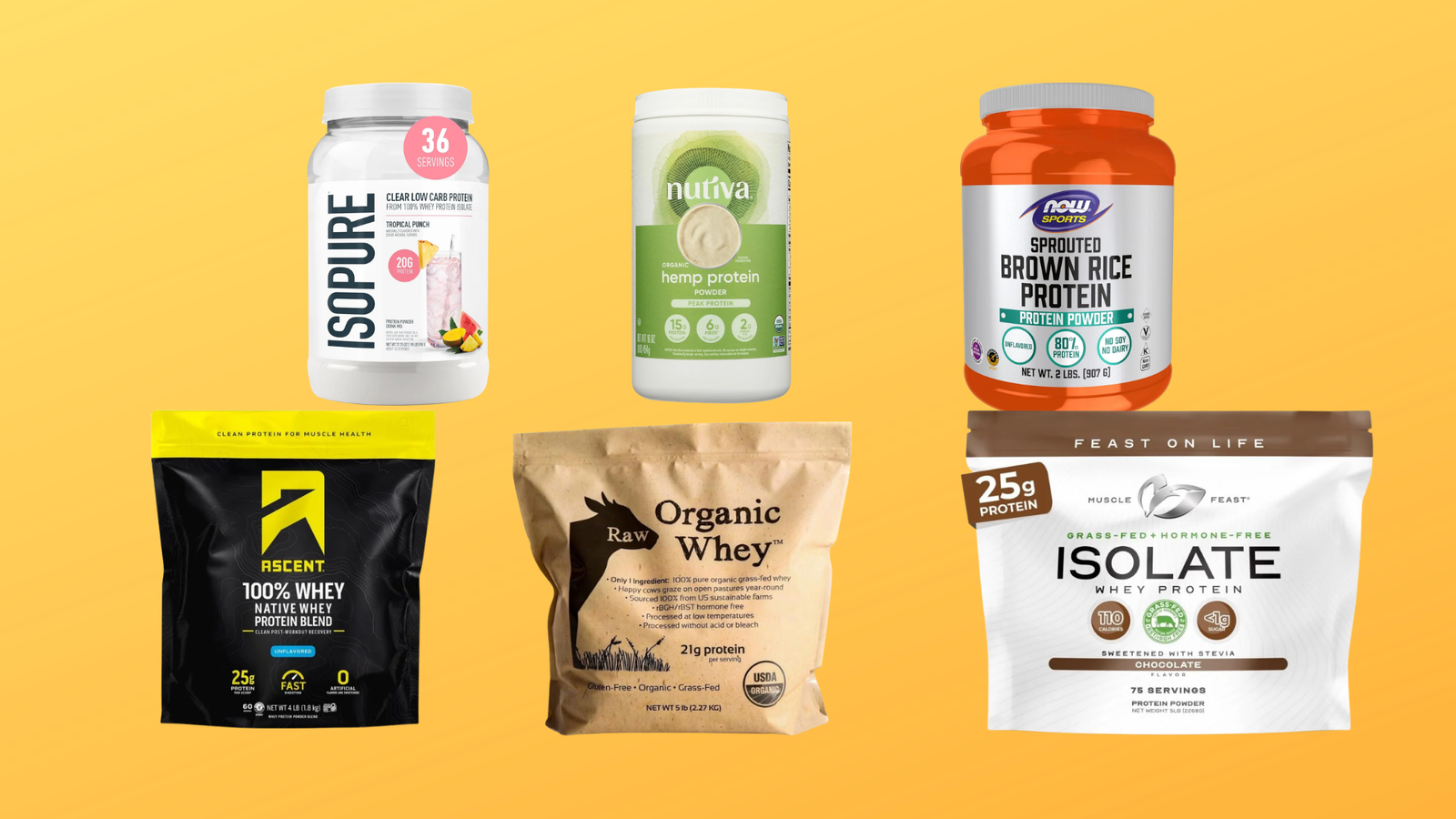
Low sodium protein powder options are harder to find than you’d expect — most protein powders run well above what you’d guess just from looking at the ingredient list. I’m AnilKK, an INFS-certified nutrition and fitness coach, and after checking the actual nutrition labels on dozens of products, the six below are the ones that genuinely qualify: Nutiva Organic Hemp Protein and NOW Sports Brown Rice Protein both verify at 0mg sodium, while Isopure Clear Whey Isolate comes in at just 15mg — all confirmed directly from official label data, not marketing claims.
Most “low sodium” protein powder roundups just repeat the phrase without showing you a single milligram number. That’s backwards — sodium content is exactly the kind of thing you can verify, so here’s the actual data, plus why some protein types are naturally low and others almost never are.
Quick Answer: The lowest sodium protein powders verified here are Nutiva Organic Hemp Protein and NOW Sports Sprouted Brown Rice Protein, both at 0mg sodium per serving. For a higher-protein whey option, Isopure Clear Whey Isolate comes in at 15mg — the lowest of any whey-based powder we checked. Avoid pea protein isolate and most flavored plant blends, which run 220-330mg even when unflavored, due to how the protein is extracted.
Table of Contents
Why Some Protein Powders Are Naturally Low in Sodium (and Others Aren’t)
Under FDA regulation, a “low sodium” claim on a food label means 140mg or less of sodium per labeled serving, with “very low sodium” set at 35mg or less — a threshold defined directly in FDA food labeling regulation. The FDA has also proposed tightening the standard “low sodium” threshold to 115mg, though that change isn’t finalized as of this writing.
Here’s the part most articles skip: sodium content depends heavily on how a protein is actually extracted, not just whether it’s flavored. While researching this guide, I checked NOW Sports Pea Protein Isolate in its plainest, single-ingredient unflavored form — nothing added, no flavoring, no salt listed anywhere on the ingredient panel — and it still carries 320mg of sodium per serving. That’s because pea (and most plant isolates) are extracted using a salt-based process that leaves residual sodium behind, regardless of flavoring. The same pattern shows up with blended plant proteins like Sunwarrior Warrior Blend, which lists “sea salt” directly in its ingredients and runs 220-528mg depending on flavor and serving size.
Hemp and brown rice proteins, by contrast, are typically extracted without that salt-based step, which is why both verify at 0mg sodium even with zero other ingredients. Whey protein sits in between — naturally low when left unflavored, but flavored varieties often add sea salt for taste, sometimes tripling the sodium of the same product’s unflavored version. If you’re comparing whey types more broadly, my grass-fed whey protein powders guide covers the quality differences beyond just sodium.
6 Verified Low Sodium Protein Powders Compared
All figures below are taken directly from official nutrition labels or live current product listings, not from marketing copy.
| Product | Sodium | Protein | Calories | Protein Type | Best Suited For |
|---|---|---|---|---|---|
| Nutiva Organic Hemp Protein | 0mg | 15g | 120 | Hemp | Plant-based, zero sodium, good fiber |
| NOW Sports Sprouted Brown Rice Protein | 0mg | 4g | 15 | Brown rice | Allergy-sensitive, truly zero sodium |
| Isopure Clear Whey Isolate | 15mg | 20g | 90 | Whey isolate | Lowest-sodium whey, light texture |
| Raw Organic Whey | 35mg | 21g | 90 | Whey concentrate | One-ingredient, no additives |
| Ascent Native Fuel Whey | 45mg | 25g | 120 | Whey isolate blend | Highest protein-per-calorie of the six |
| Muscle Feast Grass-Fed Whey Isolate | 55mg | 25g | 110 | Whey isolate | Flavored option that still stays low |
The 6 Lowest Sodium Protein Powders, Reviewed
1. Nutiva Organic Hemp Protein “Peak Protein” — 0mg Sodium
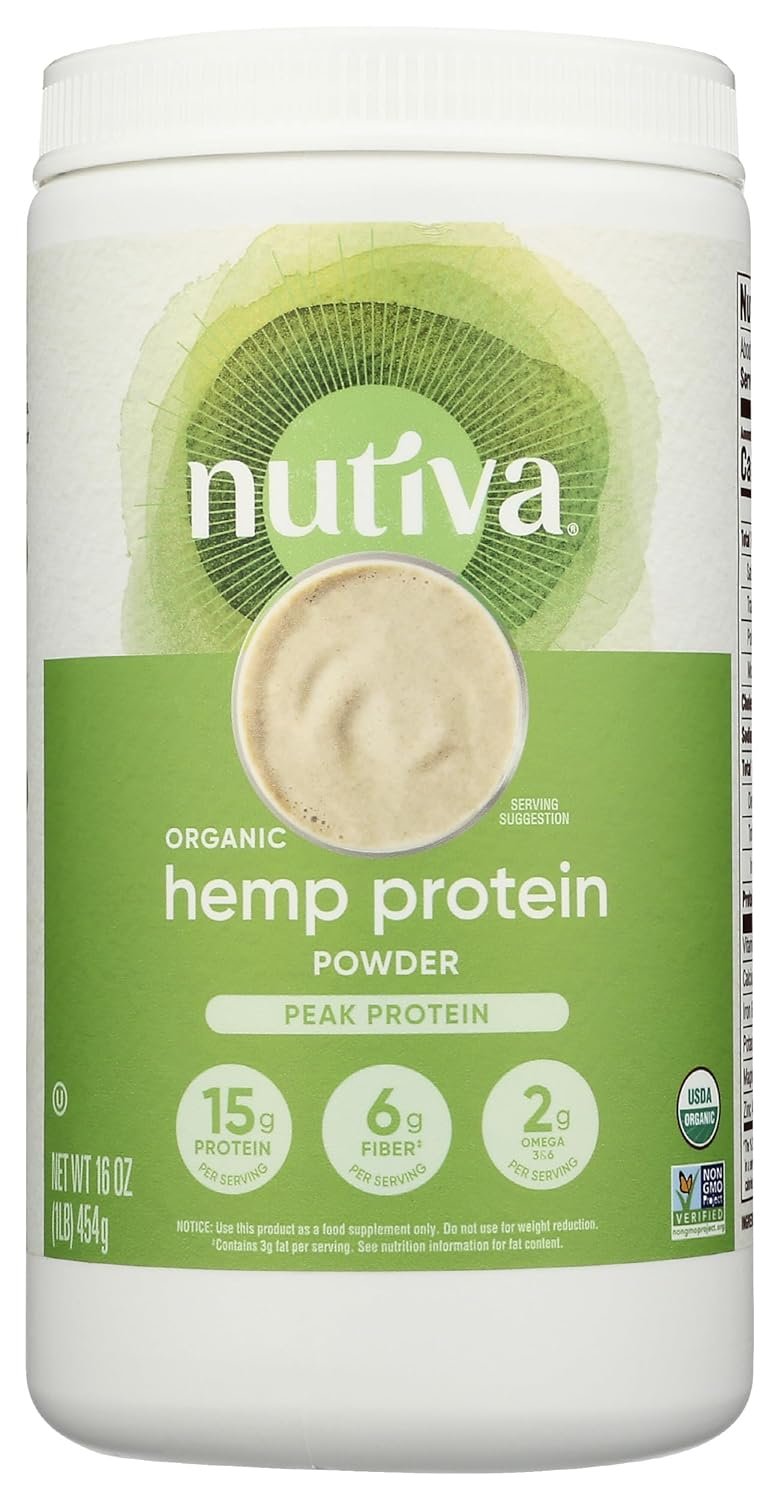
This is one of only two products in this guide that verify at genuinely zero sodium, and it does so while still delivering a real 15g of protein per serving — far more practical than most zero-sodium options, which tend to be protein-light.
What Makes It Different: Hemp protein doesn’t go through the salt-based extraction process that drives up sodium in pea and soy isolates, so it stays at 0mg without needing to be a stripped-down, single-ingredient product. It also brings 5g of fiber per serving, which most protein powders on this list don’t offer at all.
The texture is genuinely different from whey — slightly grainy, with an earthy taste that works better blended into a smoothie with fruit than mixed plain into water. It’s also a complete plant protein, containing all nine essential amino acids, which isn’t true of every plant-based option. If you’re weighing this against other women-focused protein options, my best protein powders for women guide covers a wider range of formulations.
Best for: Anyone who wants a genuinely zero-sodium protein powder with a meaningful 15g protein serving and added fiber, and doesn’t mind a heartier, less “neutral” taste than whey.
2. NOW Sports Sprouted Brown Rice Protein — 0mg Sodium
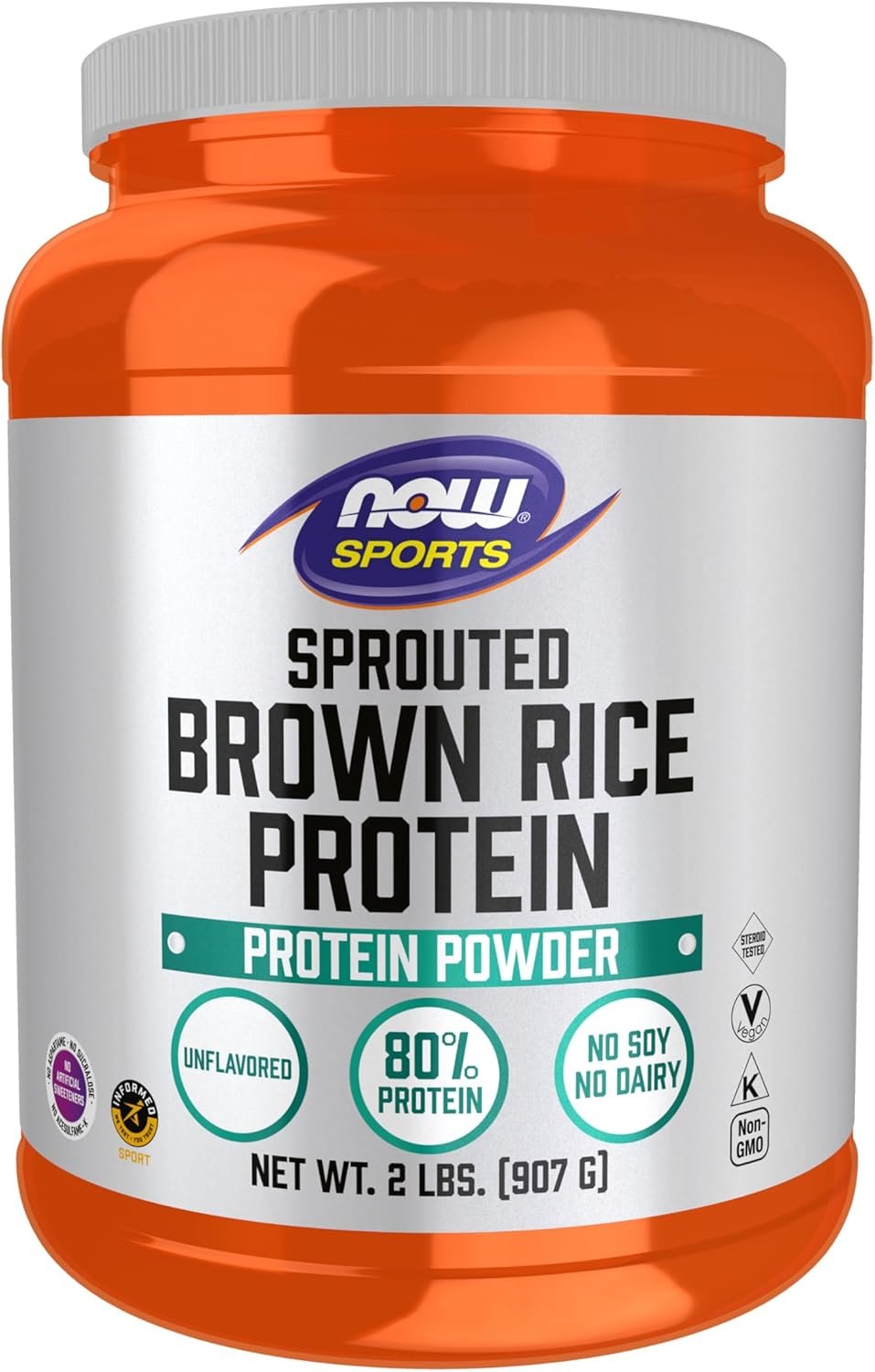
The other genuinely zero-sodium pick on this list, verified identically across multiple independent retailer label scans. The tradeoff is serving size: a standard 5g (1 tablespoon) serving only delivers 4g of protein, far below the 15-25g most whey or hemp servings provide.
What Makes It Different: This is about as close to a single-ingredient product as protein powder gets — just brown rice protein concentrate, nothing else. That simplicity is exactly why it’s allergy-friendly: no dairy, soy, egg, gluten, or major allergens anywhere in the formula.
Because the protein density per serving is low, this works best as a supplement to another protein source rather than your primary one — stacked into a smoothie alongside a higher-protein powder, or used by people who specifically need to avoid every major allergen and are willing to use multiple servings to hit their protein target.
Best for: People with multiple food allergies who need a genuinely clean, single-ingredient option, and who don’t mind using several servings to reach a meaningful protein amount.
3. Isopure Clear Whey Isolate — 15mg Sodium
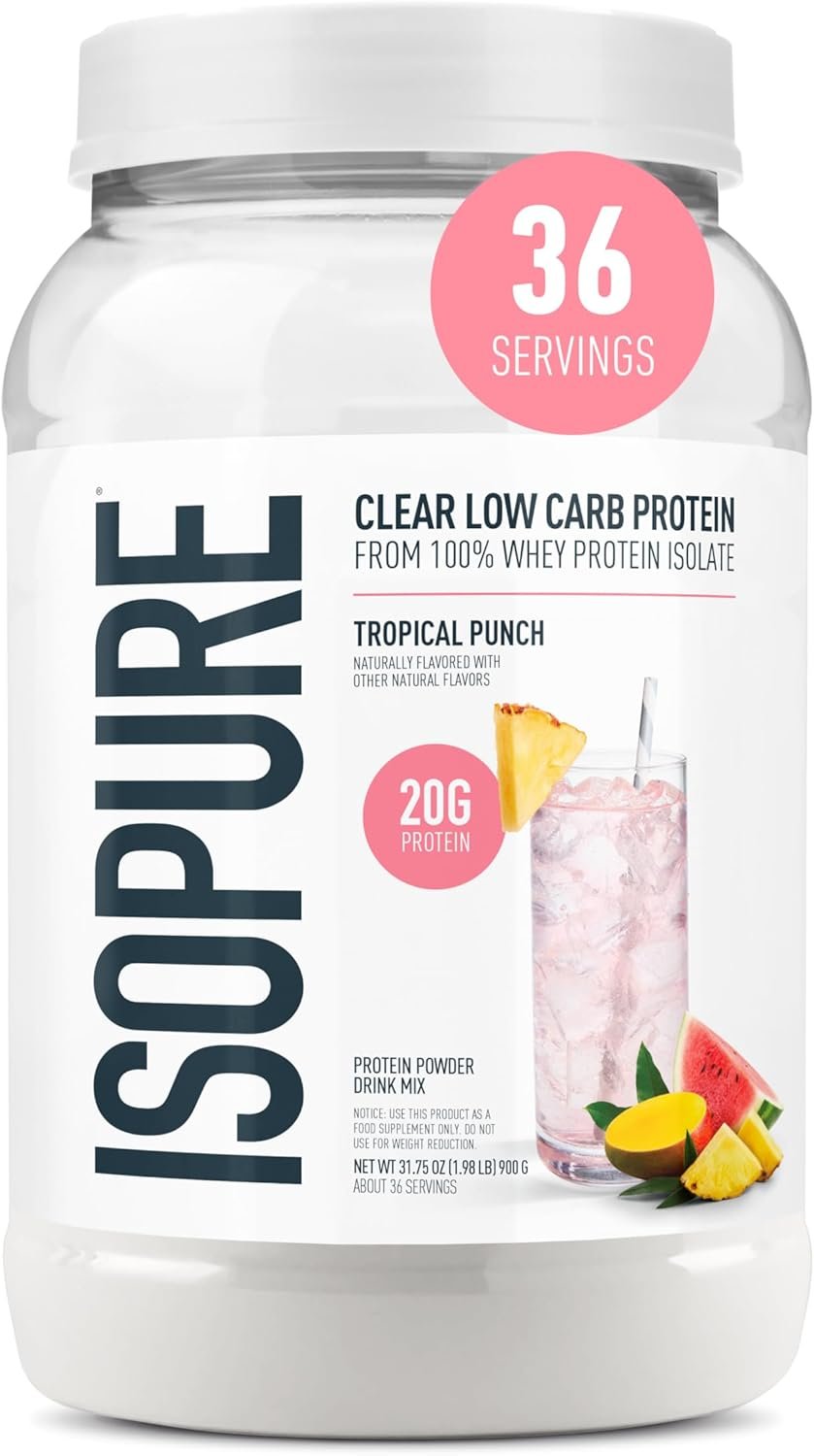
The lowest sodium number of any whey-based product checked for this guide — including flavored varieties. At 15mg, it sits well under even the FDA’s proposed tighter “low sodium” threshold of 115mg, let alone the current 140mg standard.
What Makes It Different: Isopure Clear is a genuinely different format — a translucent, juice-like protein drink rather than the thick, milky shake texture most whey powders produce. That’s because it’s made from 100% whey protein isolate with the fat and most of the dairy character filtered out, which also happens to keep sodium unusually low.
At 20g protein and 90 calories, it’s a leaner option than most whey isolates, which makes it a reasonable fit if you’re managing calories closely alongside sodium. The lighter texture is also genuinely easier to drink quickly than a thick shake, which some people prefer post-workout. For more on how mixing liquid choice affects a shake’s overall nutrition profile, see my protein powder in water or milk guide.
Best for: Anyone specifically prioritizing the lowest possible sodium in a whey product, or who prefers a light, juice-like protein drink over a thick shake.
4. Raw Organic Whey — 35mg Sodium
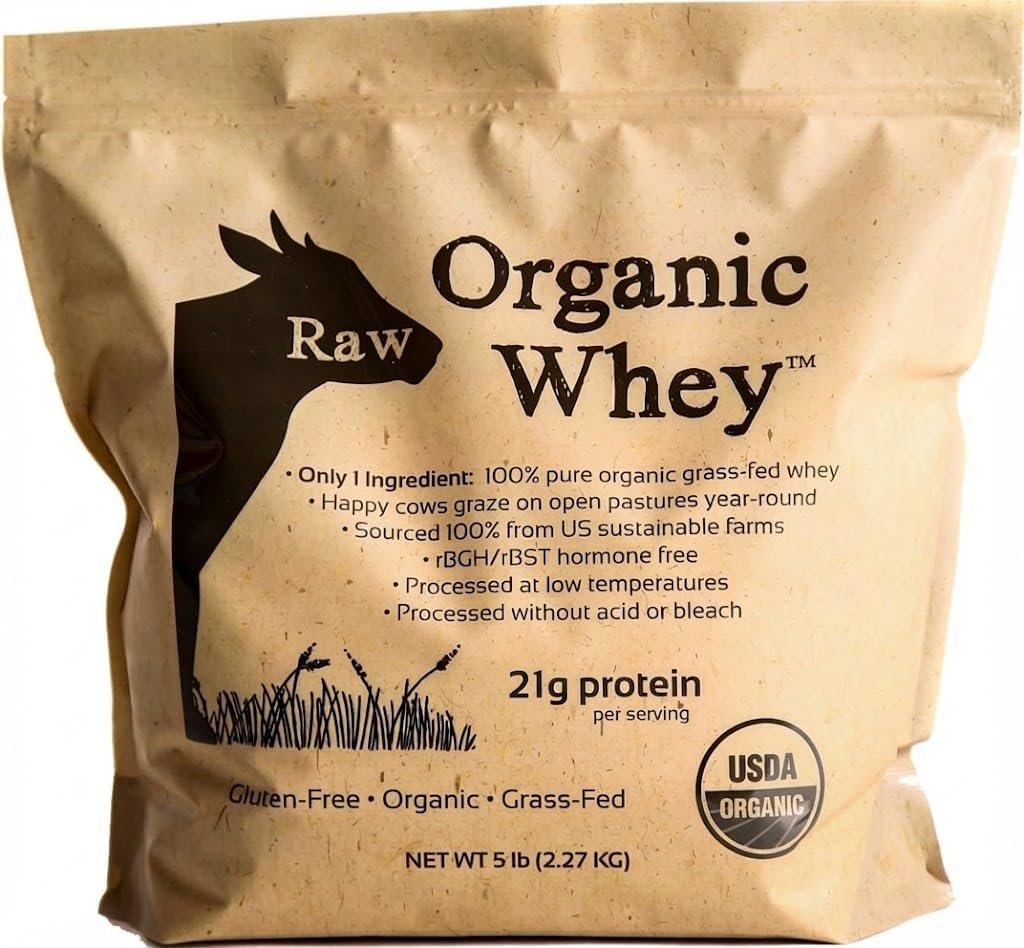
A genuinely one-ingredient product — just 100% organic grass-fed whey, nothing else on the label. That simplicity is exactly why it stays at 35mg sodium, which qualifies for the FDA’s “very low sodium” tier (35mg or less), not just the standard “low sodium” tier.
What Makes It Different: Unlike most whey concentrates, this one is processed without acid or bleach and kept undenatured, which preserves more of whey’s naturally occurring compounds. It’s also USDA Organic and grass-fed, two claims that aren’t always paired together at this price point.
Being unflavored and additive-free, the taste is plain — mild dairy flavor with no sweetness, which mixes best into a fruit smoothie or coffee rather than plain water. It’s a whey protein concentrate rather than an isolate, meaning slightly more natural lactose and fat than a stripped-down isolate. If lactose is a concern for you specifically, my low-cholesterol protein powder guide covers related dietary considerations worth weighing alongside sodium.
Best for: Anyone who wants a truly minimal-ingredient, organic, grass-fed whey with no additives, and doesn’t need a flavored or sweetened option.
5. Ascent Native Fuel Whey — 45mg Sodium
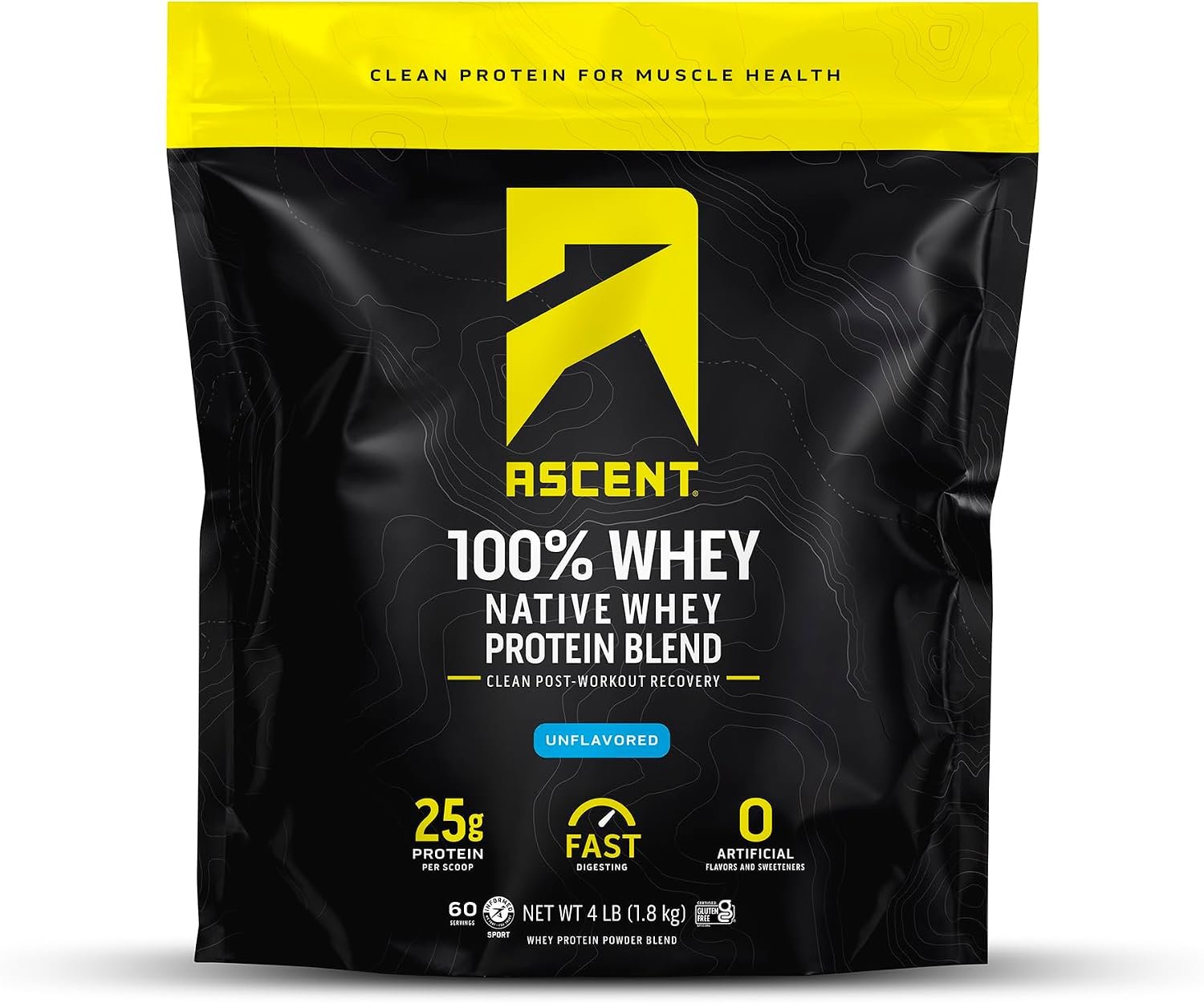
The highest protein-per-calorie ratio of the six: 25g of protein for just 120 calories. It uses “native whey,” filtered directly from fresh milk rather than as a cheese-making byproduct, which is the more standard way most whey protein is sourced.
What Makes It Different: One important note worth knowing if you buy this brand: sodium varies noticeably by flavor. The unflavored version verifies at 45mg, but flavored varieties like chocolate and vanilla add sea salt for taste, which raises their sodium meaningfully higher. If you’re buying specifically for the low-sodium number, stick to unflavored.
The native whey filtration process is also third-party certified through Informed Sport, meaning each batch is tested for banned substances — relevant if you’re a competitive athlete subject to testing.
Best for: Anyone wanting maximum protein per calorie in a low-sodium package, as long as you stick to the unflavored version specifically.
6. Muscle Feast Grass-Fed Whey Isolate — 55mg Sodium
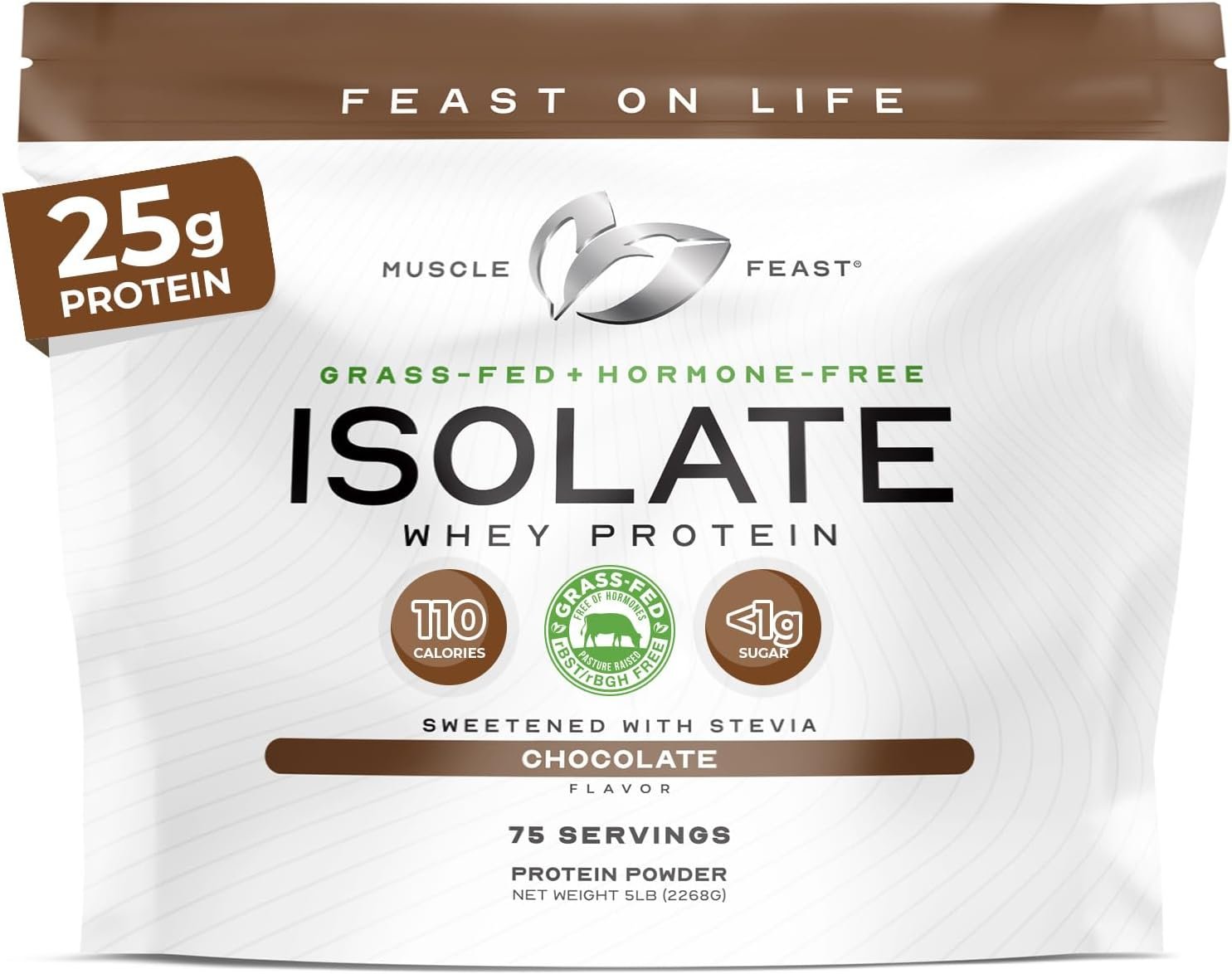
The only flavored product (Chocolate) on this list that still stays genuinely low — 55mg, comfortably under both the current and proposed FDA thresholds, even with cocoa powder and stevia added for taste.
What Makes It Different: The ingredient list is short for a flavored product — whey protein isolate, sunflower lecithin, cocoa powder, and stevia leaf extract, with no added salt anywhere. That’s the reason it stays low despite being flavored, unlike most flavored whey products that lean on sea salt to balance sweetness.
It’s also hormone-free and pasture-raised, and at 25g protein for 110 calories, the macros are comparable to Ascent’s unflavored version, just with actual chocolate flavor instead of a blank taste. If you’re building a broader collagen-and-protein stack, my best collagen peptides guide pairs well with a whey-based protein like this one.
Best for: Anyone who wants a flavored, ready-to-enjoy chocolate whey isolate without giving up a low-sodium profile.
How to Choose a Low Sodium Protein Powder
- Read the actual label, not the marketing claim. “Low sodium” on packaging isn’t always backed by a number under 140mg — check the Supplement Facts panel directly, since this is the one nutrient where the gap between a product’s branding and its actual label can be largest.
- Stick to unflavored when sodium matters most. As shown with Ascent above, the same product line can vary significantly in sodium between its unflavored and flavored versions, since flavoring often means added sea salt.
- Don’t assume “plant-based” means low sodium. Pea protein isolate, even completely unflavored with a single ingredient, still runs around 320mg due to its extraction process. Hemp and brown rice are the plant proteins that actually deliver on a low-sodium claim.
- Match protein density to your actual goal. A 0mg sodium product with only 4g of protein per serving (like brown rice protein) isn’t a fair swap for a 25g-protein whey serving — you’d need 5-6 servings to match it, which changes the practical comparison.
- Check with your doctor if sodium restriction is medical, not just preventive. If you’re managing a specific condition like kidney disease or hypertension under medical guidance, your actual daily sodium target matters more than any single product’s per-serving number — the CDC notes that excess sodium intake raises blood pressure and cardiovascular risk, which is the main reason daily totals matter more than any one food.
Protein Powders That Sound Low Sodium But Aren’t
A few products genuinely surprised me while researching this guide — not for being low sodium, but for sounding like they should be and turning out high:
Egg white protein is often assumed to be “clean” and naturally low in everything, but it actually runs 230-320mg of sodium per serving, simply because egg whites themselves contain meaningful natural sodium. This isn’t an additive issue — it’s intrinsic to the ingredient.
Pea protein isolate, even in its plainest unflavored, single-ingredient form, verified at 320-330mg across the products checked for this guide. The salt-based extraction process used to isolate pea protein leaves sodium behind regardless of flavoring choices.
Blended plant proteins that combine pea, hemp, and other sources (like Sunwarrior Warrior Blend) frequently list “sea salt” directly as an ingredient for taste balance, pushing sodium to 220-528mg depending on flavor and serving size — among the highest of any product type checked.
Frequently Asked Questions
What is the lowest sodium protein powder?
Nutiva Organic Hemp Protein and NOW Sports Sprouted Brown Rice Protein both verify at 0mg sodium per serving, making them the lowest of any protein powder checked for this guide. For a higher-protein whey option, Isopure Clear Whey Isolate comes in at 15mg, the lowest whey-based product found.
What is considered a low sodium protein powder?
Under FDA labeling rules, “low sodium” means 140mg or less per serving, and “very low sodium” means 35mg or less. The FDA has proposed tightening the standard threshold to 115mg, though that change isn’t finalized. All six products in this guide fall under both the current and proposed thresholds.
Are low sodium protein drinks different from low sodium protein powder?
Not fundamentally — pre-made protein drinks use the same protein sources as powders, so the same sodium variation applies. Isopure Clear, for example, is sold both as a powder and as a ready-to-drink bottle, with comparable sodium content in each format.
Is pea protein high in sodium?
Yes, generally. Even a single-ingredient, unflavored pea protein isolate verified at 320-330mg of sodium in our research, well above the FDA’s “low sodium” threshold of 140mg. This comes from the salt-based extraction process used to isolate the protein, not from added flavoring or salt.
Why do flavored protein powders have more sodium than unflavored?
Many brands add sea salt to flavored varieties to balance sweetness and improve taste, which can significantly raise sodium compared to the same product’s unflavored version. Ascent Native Fuel Whey is a clear example: its unflavored version verifies at 45mg, while flavored versions run notably higher due to added sea salt.
Is hemp protein naturally low in sodium?
Yes. Hemp protein doesn’t go through the salt-based extraction process used for pea and soy isolates, which is why Nutiva Organic Hemp Protein verifies at 0mg sodium even with no other ingredients added. It also provides a meaningful 15g of protein and 5g of fiber per serving.
Is whey protein good for a low sodium diet?
It can be, but it depends heavily on the specific product and flavor. Unflavored whey isolates verified in this guide ranged from 15mg to 45mg of sodium, all well within FDA low-sodium thresholds. Flavored whey products vary more, so checking the specific label matters more than assuming based on the protein type alone.
Should I avoid all sodium in protein powder?
Not necessarily — a small amount of sodium is a normal part of most foods and isn’t inherently harmful for most people. The goal is usually avoiding unexpectedly high amounts, not eliminating sodium entirely, unless you’re following a specific medical restriction under a doctor’s guidance.
Affiliate Disclosure: My Active Tribe is reader-supported. If you buy through links on this page, we may earn an affiliate commission at no extra cost to you. This never affects our recommendations.