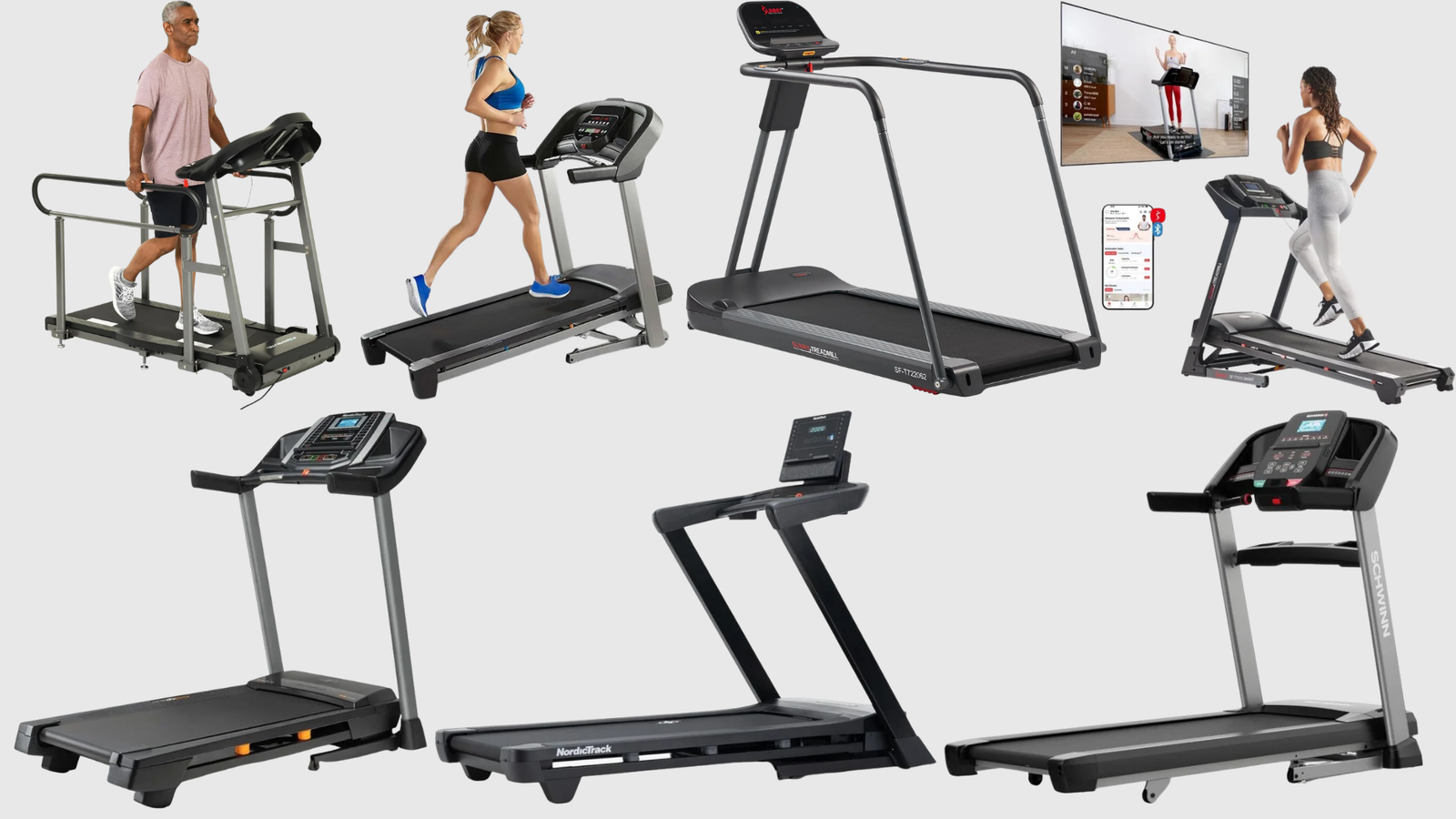
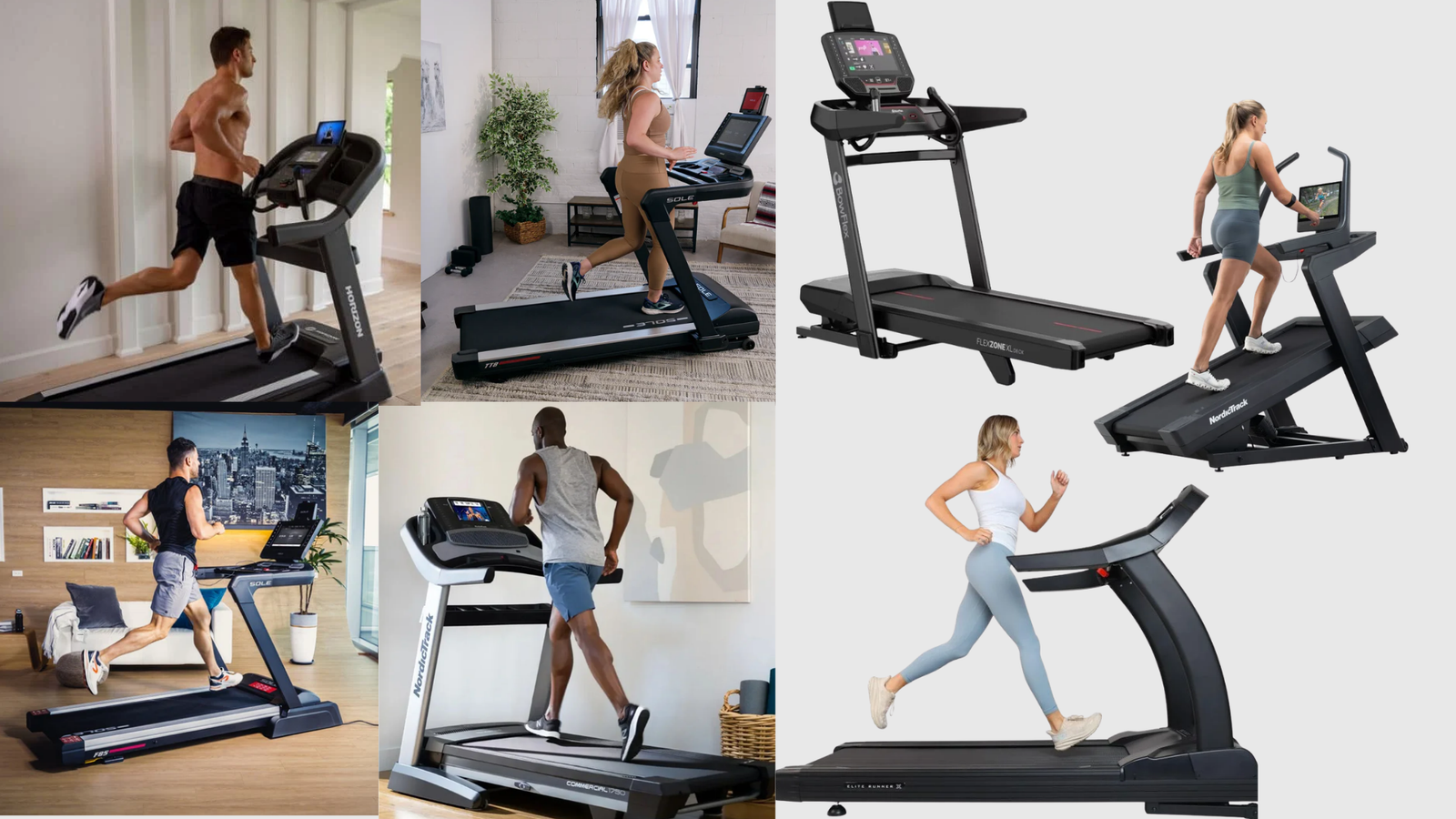
Quick Answer: Treadmill walking and running primarily work the glutes, quadriceps, hamstrings, calves, and hip flexors. Incline training shifts more load onto the glutes and hamstrings. Running at speed activates the core more actively than walking. Decline training (where available) increases quadriceps and tibialis anterior demand. Understanding which muscles activate at different speeds and inclines lets you use the treadmill as a targeted training tool, not just a cardio machine.
What muscles does the treadmill work? The answer depends on three variables: your speed, your incline setting, and your stride mechanics. Understanding which muscles activate — and when — is the difference between using a treadmill as a general cardio tool and using it as a targeted training device. After 24 years of running and coaching hundreds of people on treadmill training, I can tell you that most users leave significant muscle activation on the table simply because they don’t understand how adjusting one setting changes everything.
This guide covers every major muscle group activated during treadmill use — walking, jogging, and running — and explains exactly how incline, decline, and speed changes shift the muscular demand. I’ll also tell you which muscles treadmills consistently underwork and what to do about it.
Table of Contents
Primary Muscles the Treadmill Works
These are the muscles that do the majority of the work during every treadmill session regardless of speed or incline. Understanding their role in your stride helps you train them more deliberately.
1. Quadriceps
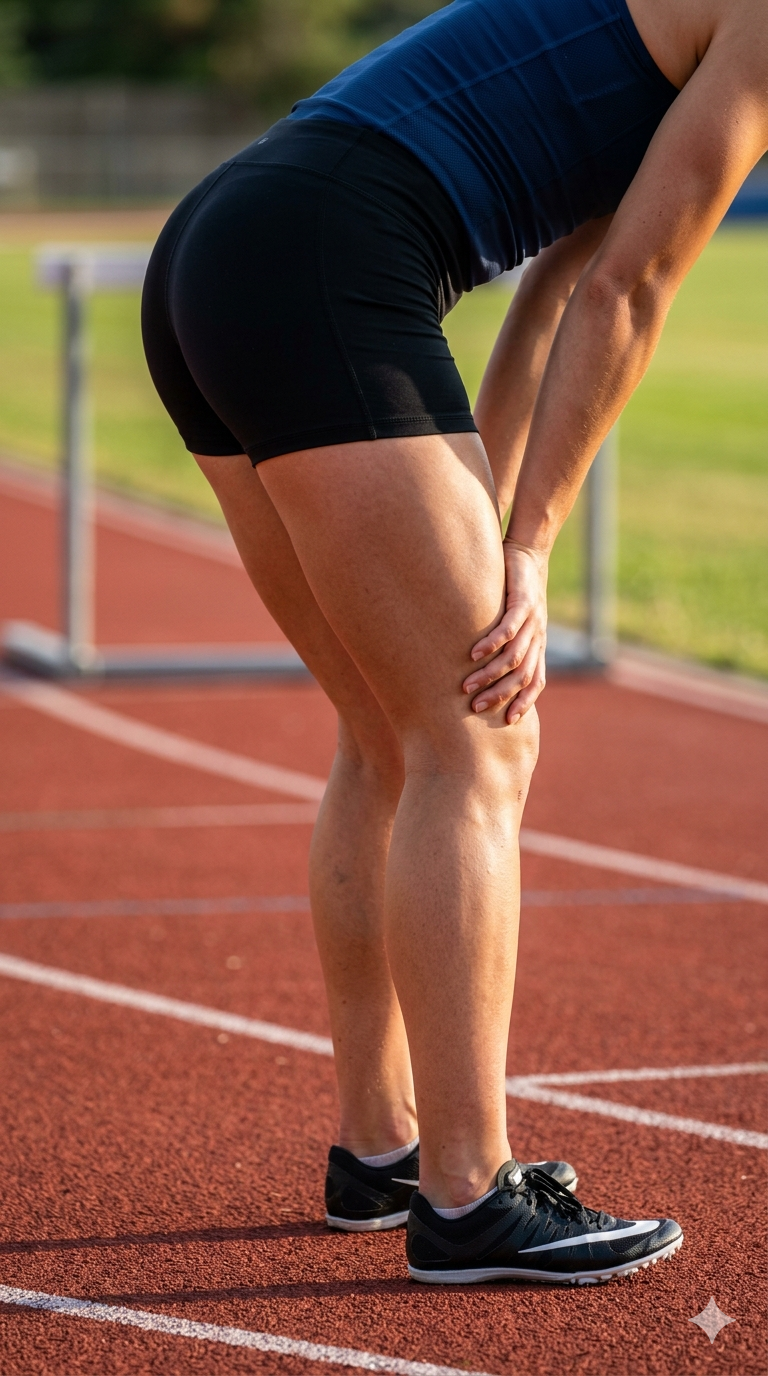
The quadriceps — the four muscles on the front of your thigh — are the primary movers during treadmill walking and running. They fire during the extension phase of each stride, straightening your knee as your foot contacts the belt and propelling you forward. The faster you run, the harder your quads work. On an incline, quad activation increases further because you are pushing your body upward against gravity with each step rather than simply forward.
If quad soreness is your goal, incline running at 8–12% is the most effective treadmill protocol. If quad fatigue is something you want to minimise — for example, during marathon training where you need to protect your legs — keeping the treadmill flat and pace conservative is the right approach.
2. Hamstrings
The hamstrings — running along the back of your thigh — control the swing phase of your stride. As your foot leaves the belt behind you, the hamstrings decelerate the leg and prepare it for the next ground contact. At walking pace, hamstring activation is relatively low. At running pace, particularly at speeds above 7 mph, hamstring demand increases significantly as they work harder to control the faster-moving leg.
This is an important point for injury prevention: the hamstrings are one of the most commonly injured muscles in runners, and the injury risk increases when they fatigue during long treadmill sessions. Regular hamstring strengthening off the treadmill — deadlifts, Nordic curls — directly reduces this risk.
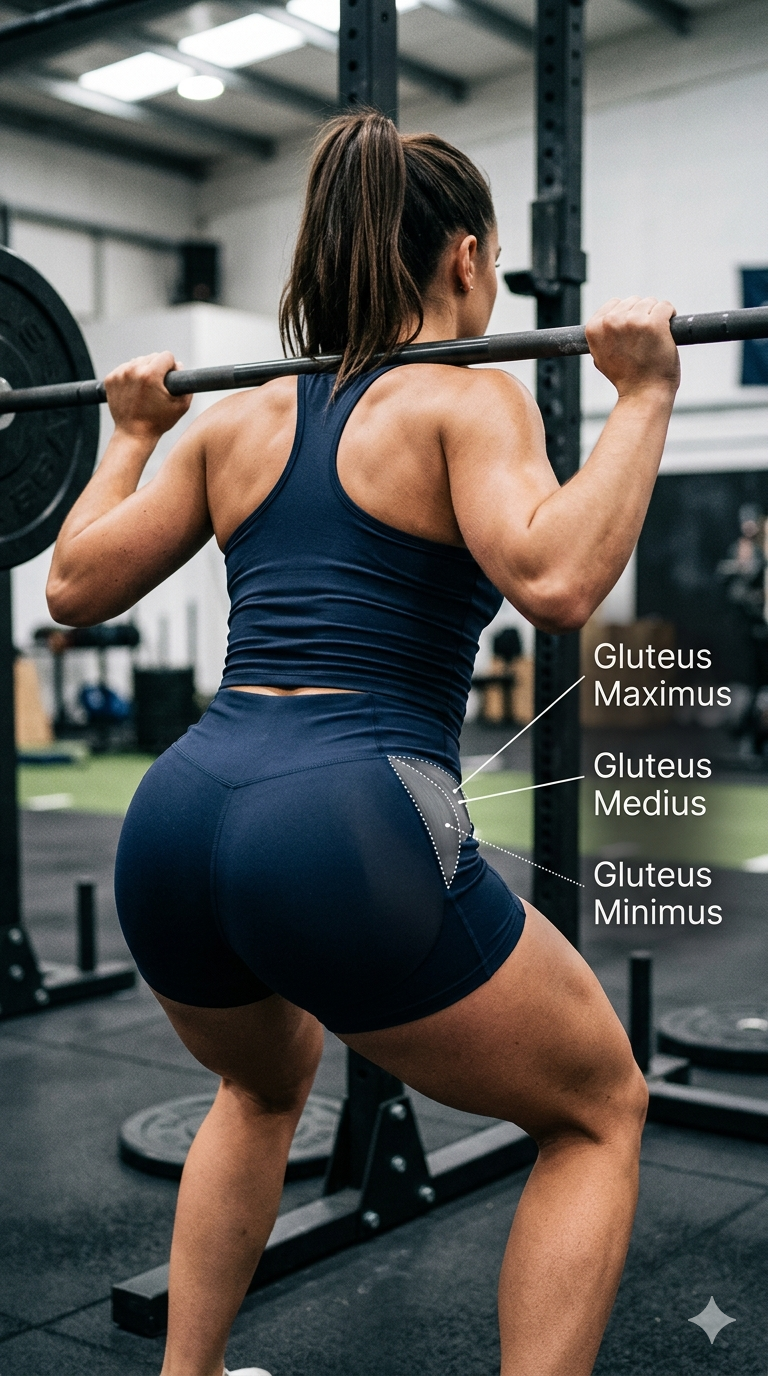
3. Glutes (Gluteus Maximus, Medius, and Minimus)
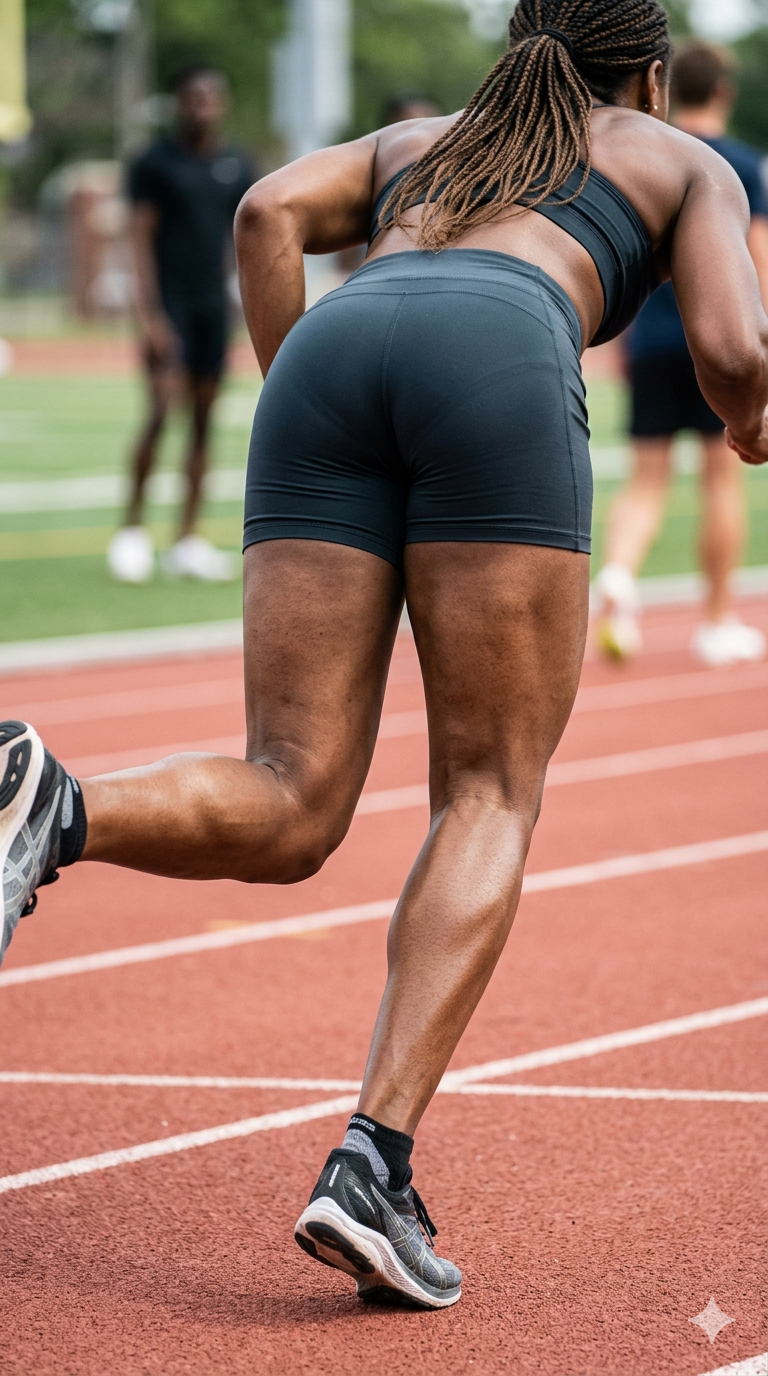
The gluteal muscles are the most powerful in your lower body and play a central role in treadmill running — but they are also the most commonly underactivated. The gluteus maximus extends your hip with each stride, generating the propulsive power that drives you forward. The gluteus medius and minimus stabilise your pelvis laterally, preventing the hip drop that causes knee and IT band problems in many runners.
Glute activation is significantly higher on incline than on flat terrain. Research published through the National Institutes of Health confirms that treadmill exercise produces different muscle loading patterns compared to overground running — with the plantar flexors (including the glutes’ role in hip extension) showing greater activation on the treadmill belt. Walking at 8–12% incline is one of the most effective glute activation protocols available on a treadmill, producing higher glute engagement than flat running at twice the speed.
4. Calves (Gastrocnemius and Soleus)
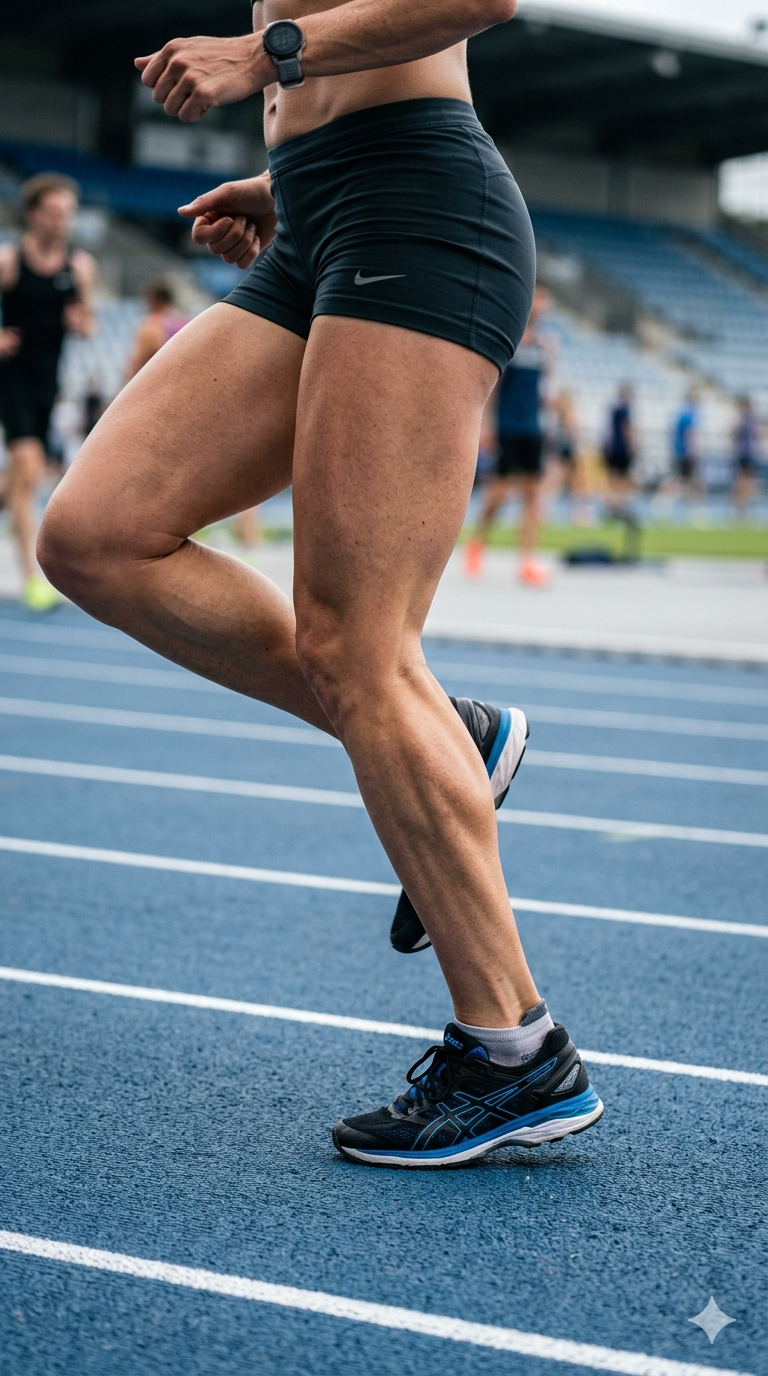
The calf muscles — specifically the gastrocnemius (the larger, visible calf muscle) and the soleus (deeper and flatter) — activate powerfully during the push-off phase of every stride. As your heel rises and your toes push against the belt, your calves generate the final propulsive force before your foot leaves the surface. The gastrocnemius is more active at faster running speeds. The soleus does more work during sustained walking, particularly on inclines, where it works almost continuously to manage ankle stability.
Calf fatigue during long treadmill sessions is common and a leading cause of Achilles tendon problems in regular treadmill runners. Keeping sessions progressive and incorporating calf raises as a supplementary exercise protects this muscle group over time.
5. Hip Flexors
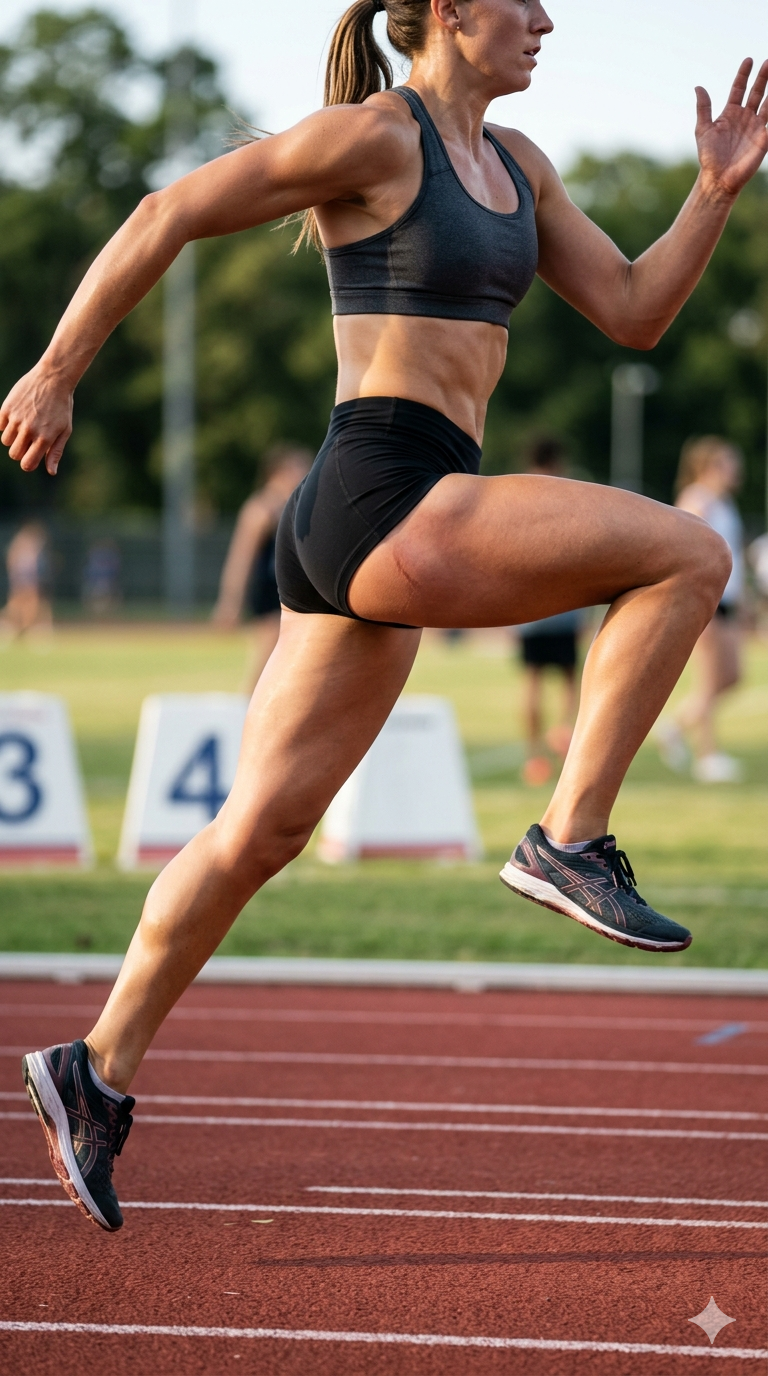
The hip flexors — primarily the iliopsoas — lift your leg forward into the swing phase at the start of each stride. They work continuously during running, contracting with every step to bring your knee forward. Hip flexor fatigue is one of the first signs of poor running economy — when they tire, your stride shortens, your form deteriorates, and your pace slows. Running on a treadmill at consistent pace for extended periods places sustained demand on the hip flexors that many recreational runners underestimate.
Tight hip flexors — common in desk workers who sit for long hours — significantly reduce stride length and glute activation on the treadmill. Regular hip flexor stretching improves treadmill performance more noticeably than most runners expect.
6. Core (Abdominals, Obliques, and Erector Spinae)
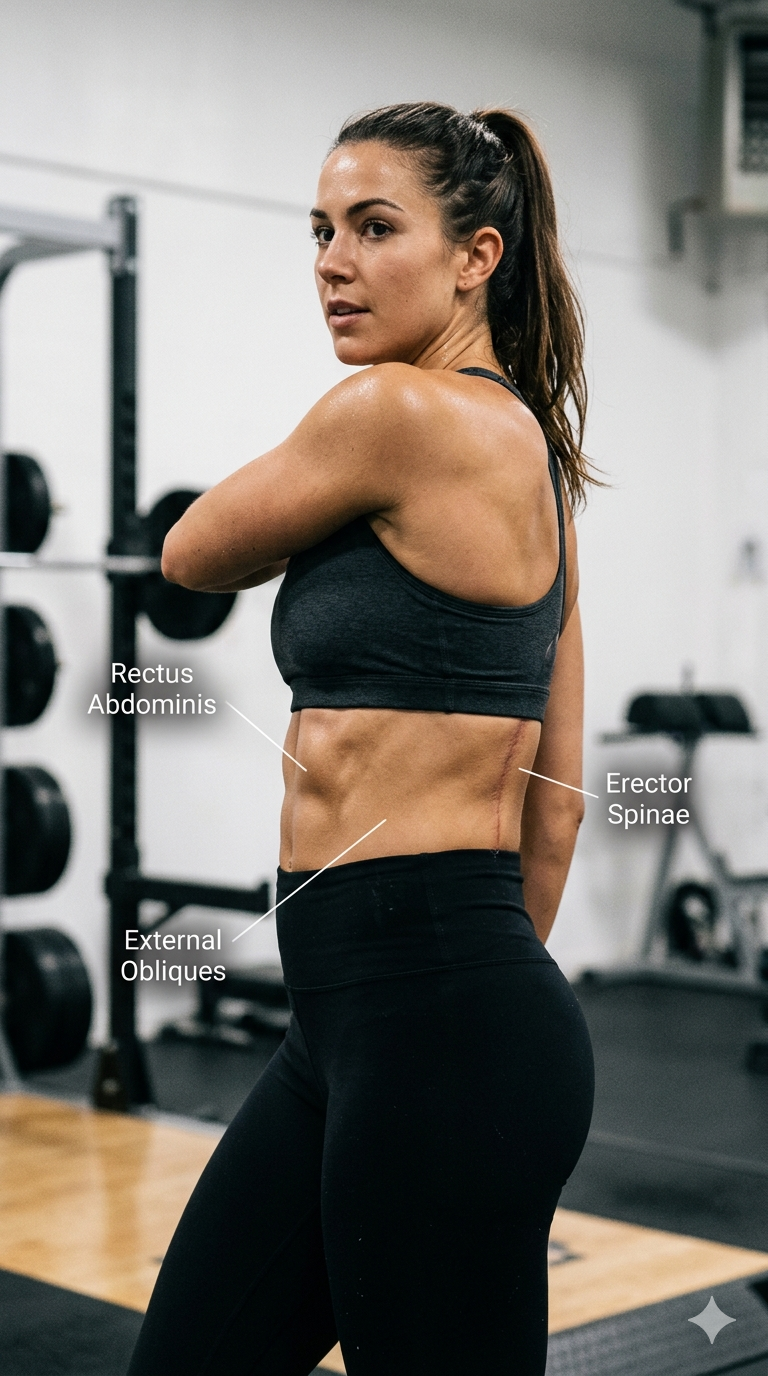
The core muscles — your abdominals, obliques, and the erector spinae along your spine — work as stabilisers throughout every treadmill session. They keep your torso upright, prevent lateral sway, and transmit force between your upper and lower body with each arm swing. At walking pace, core demand is relatively low. At running pace and particularly during sprint intervals, core activation increases substantially as the body works harder to maintain form under load.
A weak core is one of the most reliable predictors of poor treadmill running economy. Runners with insufficient core strength typically show lateral trunk lean, excessive arm crossing, and shortened stride — all of which reduce speed and increase injury risk. Regular plank variations and rotational core work directly improve treadmill running efficiency.
Secondary Muscles the Treadmill Works
These muscles play supporting roles — they don’t generate primary propulsion but are essential for stability, balance, and injury prevention during treadmill use.
Tibialis Anterior (Shins)
The tibialis anterior runs along the front of your shin and controls dorsiflexion — the lifting of your foot as it swings forward before making contact with the belt. It works harder on decline settings, where it must resist the tendency of the foot to slap down and control deceleration. Shin splints — a common treadmill overuse injury — are directly related to tibialis anterior fatigue and weakness, particularly when training volume increases too quickly.
Adductors and Abductors
The inner thigh (adductors) and outer thigh (abductors) muscles stabilise your legs laterally during each stride, preventing excessive inward or outward knee movement. They are not primary movers but play a significant role in keeping your gait mechanically sound. Weakness in these muscles — particularly the abductors — is a leading cause of the inward knee collapse that produces IT band syndrome and patellofemoral pain in treadmill runners.
Upper Body — Arms and Shoulders
Your arm swing during treadmill running activates the deltoids (shoulders), biceps, and triceps to a modest degree. At walking pace this activation is minimal. At sprint pace, vigorous arm drive engages the upper body meaningfully and contributes to overall running economy. Holding the treadmill’s handrails while running eliminates this arm activation entirely and reduces the total muscular demand of the session — which is why I always recommend running hands-free whenever possible.
How Speed Changes Which Muscles Work Hardest
| Speed | Primary Muscles | Key Change |
|---|---|---|
| Walking (2–3.5 mph) | Quads, soleus, hip flexors | Low intensity — all muscles work but none at high demand |
| Jogging (4–6 mph) | Quads, hamstrings, glutes, gastrocnemius | Hamstring and glute demand increases noticeably |
| Running (7–9 mph) | All primary muscles at high demand | Core activation rises significantly to maintain form |
| Sprinting (10+ mph) | Full lower body + core + upper body | Maximum activation across all muscle groups — brief only |
How Incline Changes Which Muscles Work Hardest
Incline is the single most powerful variable on a treadmill for changing muscle activation patterns. Adding even 3–5% incline meaningfully shifts the muscular demand of the same speed session.
| Incline Setting | Muscles Most Activated | Practical Use |
|---|---|---|
| 0% (flat) | Quads, hip flexors, calves | Speed work, running economy training |
| 3–5% | Glutes, hamstrings, calves increase | General endurance — mimics outdoor running feel |
| 6–10% | Glutes, hamstrings, soleus dominate | Glute activation, calorie burn, hill training simulation |
| 10–15% | Glutes, hamstrings, core at maximum | Low-speed, high-activation sessions — excellent for glutes |
The 12-3-30 protocol — walking at 3 mph, 12% incline for 30 minutes — has become popular precisely because it maximises glute and hamstring activation at a comfortable, sustainable pace. It is one of the most efficient treadmill protocols for targeting the posterior chain without the joint stress of running. For a full breakdown of treadmill workouts that maximise muscle engagement, our treadmill workouts for weight loss guide covers structured programmes built around these principles.
How Decline Changes Which Muscles Work Hardest
Decline treadmill running — available on machines like the Bowflex Treadmill 10 at -5% — shifts the muscular demand from the posterior chain to the anterior chain. Your quadriceps work eccentrically (lengthening under load) to control your descent and prevent you from pitching forward. Your tibialis anterior works hard to control foot placement. Your core engages heavily to keep your body aligned against gravity pulling you downhill.
Eccentric quad loading from decline running builds strength and resilience that flat running cannot replicate — making it valuable preparation for downhill road races or trail running. However, it places significant stress on the knee joint and is not appropriate for users with existing knee pain. The best treadmills for home use guide covers which machines offer decline capability if this is a training priority.
Muscles the Treadmill Underworks — And What to Do About It
This is the section most treadmill guides miss entirely. Regular treadmill running, done exclusively at flat settings and moderate speeds, creates predictable muscle imbalances over time. Understanding these gaps helps you programme your training to prevent injury and improve performance.
Glutes — flat treadmill running underactivates the glutes significantly compared to outdoor running on varied terrain. The consistent belt speed removes the acceleration and deceleration demands that naturally fire the glutes on outdoor surfaces. Fix: add incline sessions of 8% or above at least twice per week.
Hip abductors — the treadmill’s fixed, straight-ahead motion provides no lateral demand on the hip abductors. Over time this leads to weakness that manifests as IT band syndrome and hip instability. Fix: add lateral band walks or side-lying clam exercises to your weekly routine.
Tibialis anterior — the cushioned treadmill belt absorbs impact in a way that reduces the shin’s workload compared to road running. This sounds beneficial but actually leaves the tibialis anterior underprepared for outdoor running. Fix: incorporate occasional outdoor or harder-surface sessions to maintain anterior chain resilience.
Upper body — treadmill running provides minimal upper body conditioning. For runners who use the treadmill as their primary training tool, adding upper body strength work two to three times per week prevents the muscle imbalances that affect running posture over time. For machines that help with full-body conditioning, our best treadmill for seniors guide covers options with integrated upper body features suited to low-impact full-body training.
Walking vs Running: How Muscle Activation Differs
Walking and running on a treadmill activate the same muscle groups but with fundamentally different intensity profiles. Walking is a continuous ground contact activity — one foot is always on the belt. Running involves a flight phase where both feet are off the belt simultaneously, which requires significantly greater muscular force for push-off and landing absorption.
The practical implication: running at 6 mph does not simply work the same muscles as walking at 3 mph but harder. The mechanics change. Running places greater eccentric load on the quads at landing, greater explosive demand on the calves at push-off, and greater stabilisation demand on the core and hip abductors throughout the gait cycle. For users transitioning from walking to running on a treadmill, this mechanical shift — not just the speed increase — is why the transition requires gradual progression to avoid injury. The American College of Sports Medicine recommends increasing running volume by no more than 10% per week to allow muscles and connective tissue to adapt to the changing demands.
Frequently Asked Questions
Does the treadmill build muscle?
Treadmill training builds muscular endurance and strengthens the primary running muscles — quads, hamstrings, glutes, and calves — particularly in beginners and those returning from inactivity. For significant muscle hypertrophy (size increase), resistance training is more effective. Treadmill running produces strong, lean, endurance-conditioned muscles rather than the larger muscles produced by weight training. Incline sessions at higher resistance produce greater muscular stimulus than flat running and are the best treadmill protocol for muscle development.
Is incline treadmill walking better than running for glutes?
Yes — for glute activation specifically, incline walking at 10–15% produces comparable or greater glute engagement than flat running at much higher speeds. The steep incline forces hip extension with each step, which is the primary glute function. Walking at 3 mph and 12% incline for 30 minutes activates the glutes more consistently and with less injury risk than jogging at 6 mph on a flat belt. For most people focused on glute development, incline walking is the more efficient treadmill protocol.
What muscles does treadmill walking work compared to running?
Walking primarily activates the quads, soleus, hip flexors, and tibialis anterior at moderate intensity. Running activates all the same muscles but adds significant demand on the hamstrings, gastrocnemius, glutes, and core — particularly during the push-off and flight phases that don’t exist in walking. The core demand difference is especially notable: running requires substantially more core stabilisation than walking to manage the impact forces and maintain upright posture at speed.
Does treadmill running work your abs?
Yes — but not in the way most people expect. The abdominals and obliques work as stabilisers during treadmill running, maintaining trunk alignment and preventing excessive rotation with each arm swing and stride. This is different from direct abdominal training like crunches or planks — running doesn’t produce visible ab definition on its own. However, consistent treadmill running does strengthen the deep core stabiliser muscles that support posture and running economy, which is functionally more valuable than surface-level ab development for most runners.
Why do my hips hurt after treadmill running?
Hip pain after treadmill running typically indicates one of three things: weak hip abductors (gluteus medius) allowing the hip to drop with each stride, tight hip flexors from prolonged sitting that restrict hip extension and alter gait mechanics, or excessive weekly mileage increases that overload the hip joint before muscles and connective tissue have adapted. Lateral band walks, clamshells, and hip flexor stretching address the first two causes directly. Reducing weekly mileage increase to 10% or less per week addresses the third.
Is treadmill running good for weight loss?
Treadmill running is effective for weight loss when combined with appropriate nutrition — it burns significant calories and builds the metabolic conditioning that supports fat loss over time. The muscles worked on a treadmill — quads, glutes, hamstrings, core — are large muscle groups that consume substantial energy both during and after exercise. Incline sessions boost calorie burn further without requiring faster running speeds, making them particularly useful for users who want to maximise energy expenditure at a manageable intensity. For structured treadmill programmes designed around weight loss, our treadmill workouts for weight loss guide covers proven protocols.
What muscles does the treadmill work most?
The treadmill works the quadriceps, hamstrings, glutes, calves, and hip flexors most intensively — these five muscle groups do the majority of the work during every treadmill session. The core works as a stabiliser throughout. Which of these five works hardest depends on your speed and incline — glutes dominate at high incline, quads dominate at flat high speed, and calves peak during push-off at all paces.
Disclosure: This article contains affiliate links. If you purchase through these links, we may earn a commission at no additional cost to you. All content reflects AnilKK’s 24 years of running experience and INFS fitness nutrition certification.