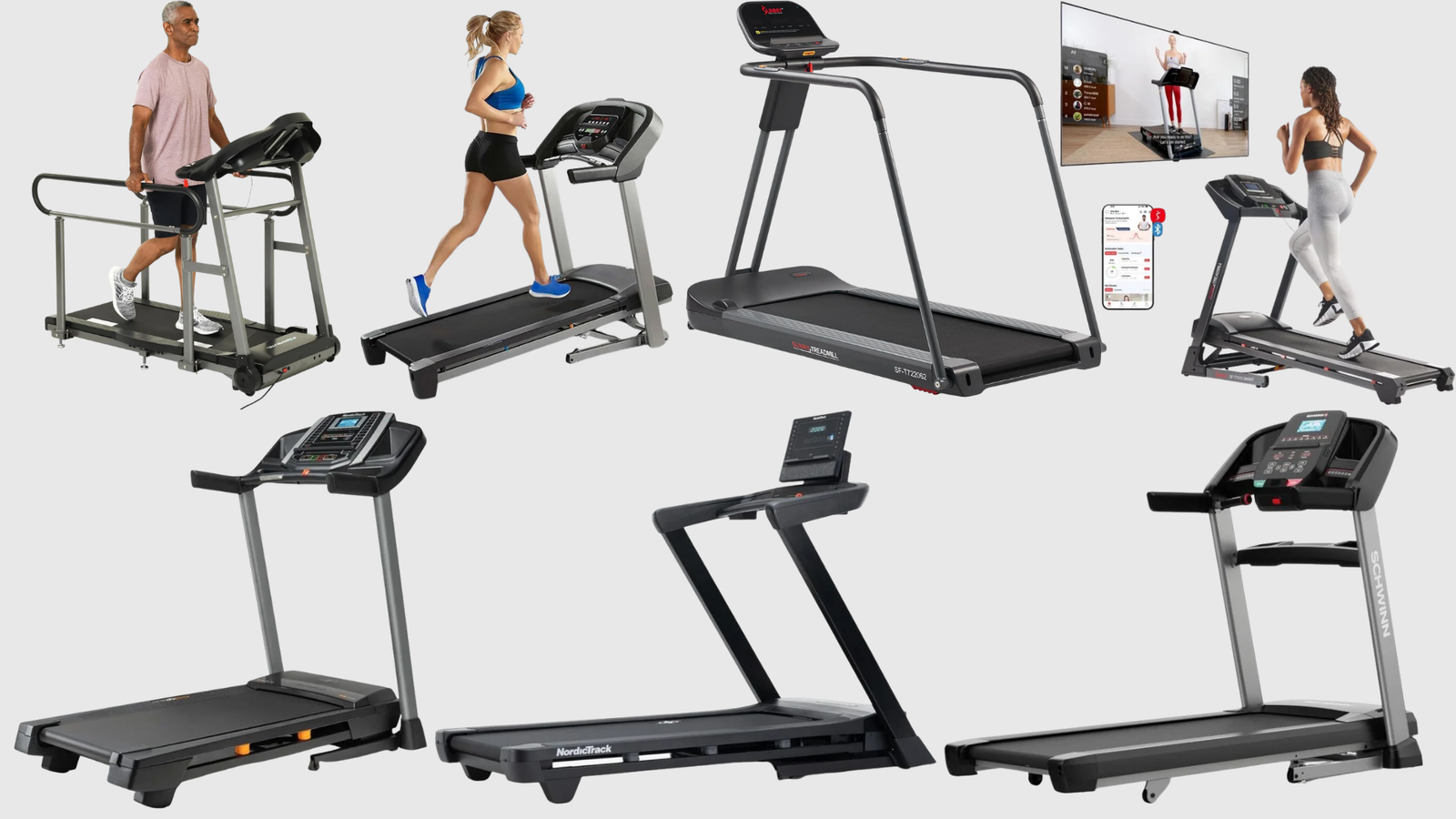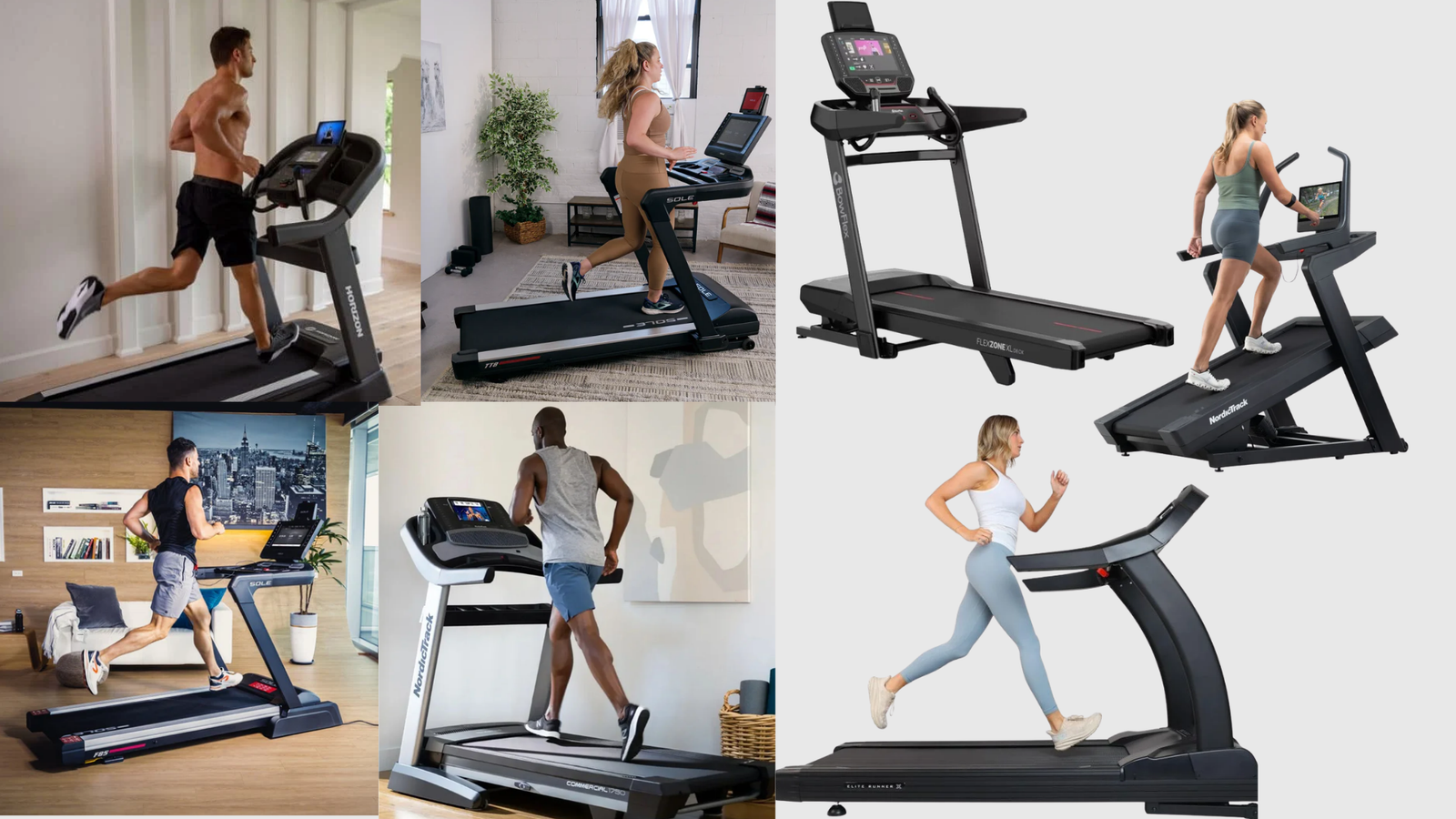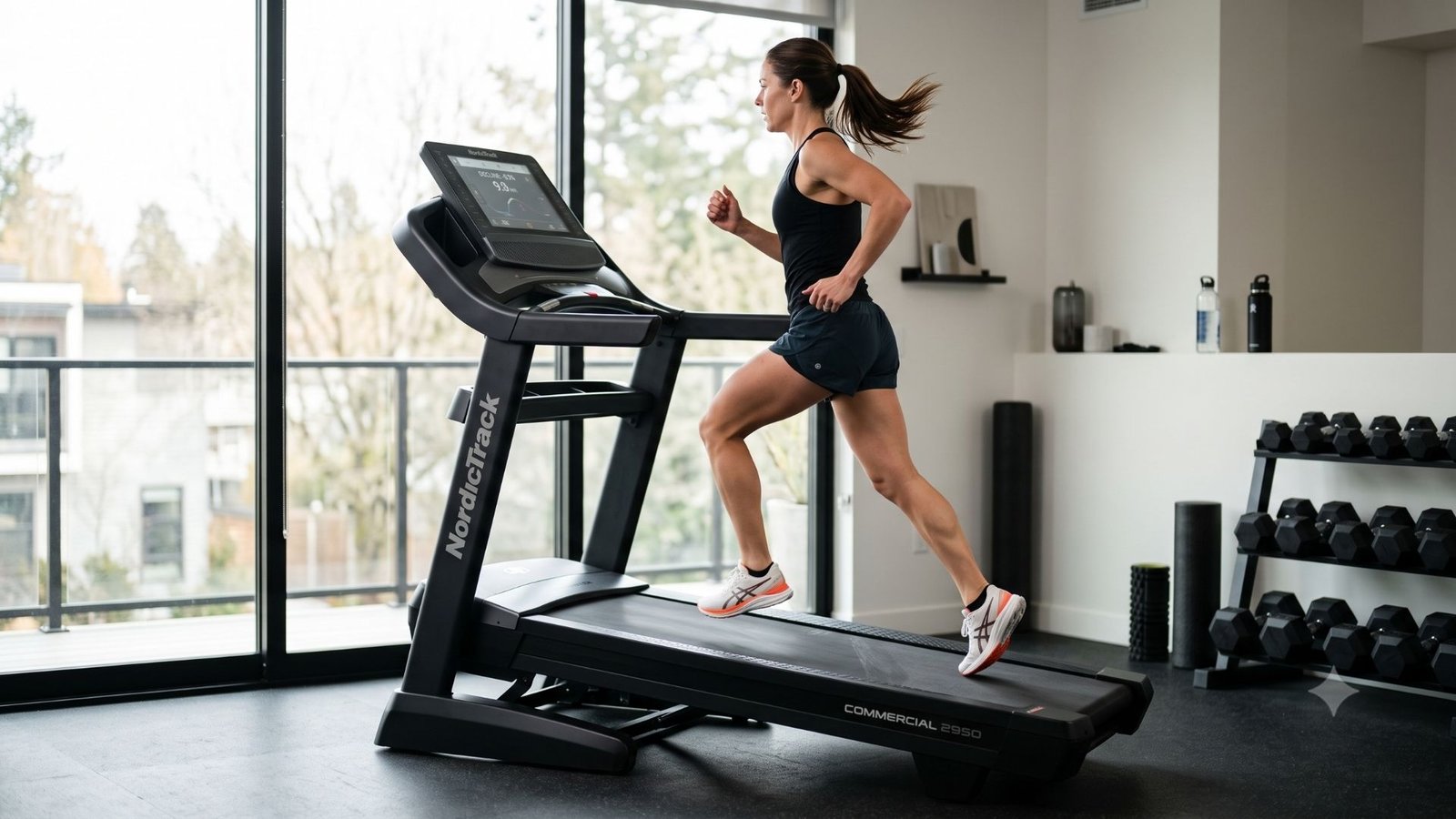
A decline treadmill is one of the rarest features in home fitness equipment — most treadmills only go up. AnilKK, an INFS-certified fitness coach with 24 years of running experience and 250+ treadmills personally tested, breaks down the 7 current models that actually offer real decline training, verified against official brand specs and current stock, so you’re not chasing a discontinued machine.
Quick Answer: The NordicTrack X16 has the widest range by far at -6% to 40% incline, while the Sole TT8 and Sole F85 lead on decline specifically at -6%. For most home users, the Sole TT8 or NordicTrack Commercial 1750 offer the best balance of decline capability and price. Decline treadmills simulate downhill running and target different muscles than flat or incline training — most home models max out around -3% to -6% decline, since anything steeper becomes difficult to control safely.
Table of Contents
Why Train on a Decline Treadmill
Downhill running uses your muscles differently than flat or uphill training. A decline activates the quadriceps eccentrically — meaning the muscle lengthens under load as it controls your descent — research on eccentric quadriceps training confirms this builds a specific kind of strength and resilience that flat running doesn’t. This is exactly why marathon and trail runners specifically train on decline: races with downhill sections punish unprepared quads with soreness that can wreck the back half of a run.
Decline training also adds variety that keeps a treadmill routine from getting stale. Switching between incline and decline throughout a session challenges different muscle groups and keeps your body from adapting to a single, repetitive movement pattern — which is part of why runners tend to plateau on flat-only training over time. If you’re still building your base fitness, our guide to treadmill running fundamentals is worth reading before adding decline work specifically.
That said, decline features are genuinely rare in this price category. Most budget and mid-range treadmills only offer incline, since the mechanical engineering needed for a stable, controllable decline adds real cost. That’s exactly why this list is shorter than a typical treadmill roundup — these are the models that actually deliver on it, currently in stock, from brands with a real track record.
Quick Comparison: 7 Best Decline Treadmills
| Treadmill | Decline/Incline Range | Motor | Weight Capacity |
|---|---|---|---|
| Sole TT8 | -6% to 15% | 4.0 HP | 400 lb |
| Sole F85 | -6% to 15% | 4.0 HP | 375 lb |
| NordicTrack Commercial 1750 | -3% to 12% | 4.25 CHP | 300 lb |
| NordicTrack Commercial 2450 | -3% to 12% | 4.25 CHP | 400 lb |
| NordicTrack X16 | -6% to 40% | 4.25 CHP | 400 lb |
| ProForm Pro 2000 | -3% to 12% | 3.25 CHP | 300 lb |
| ProForm Pro 9000 | -3% to 12% | 3.6 CHP | 300 lb |
1. Sole TT8 — Best Overall Decline Treadmill
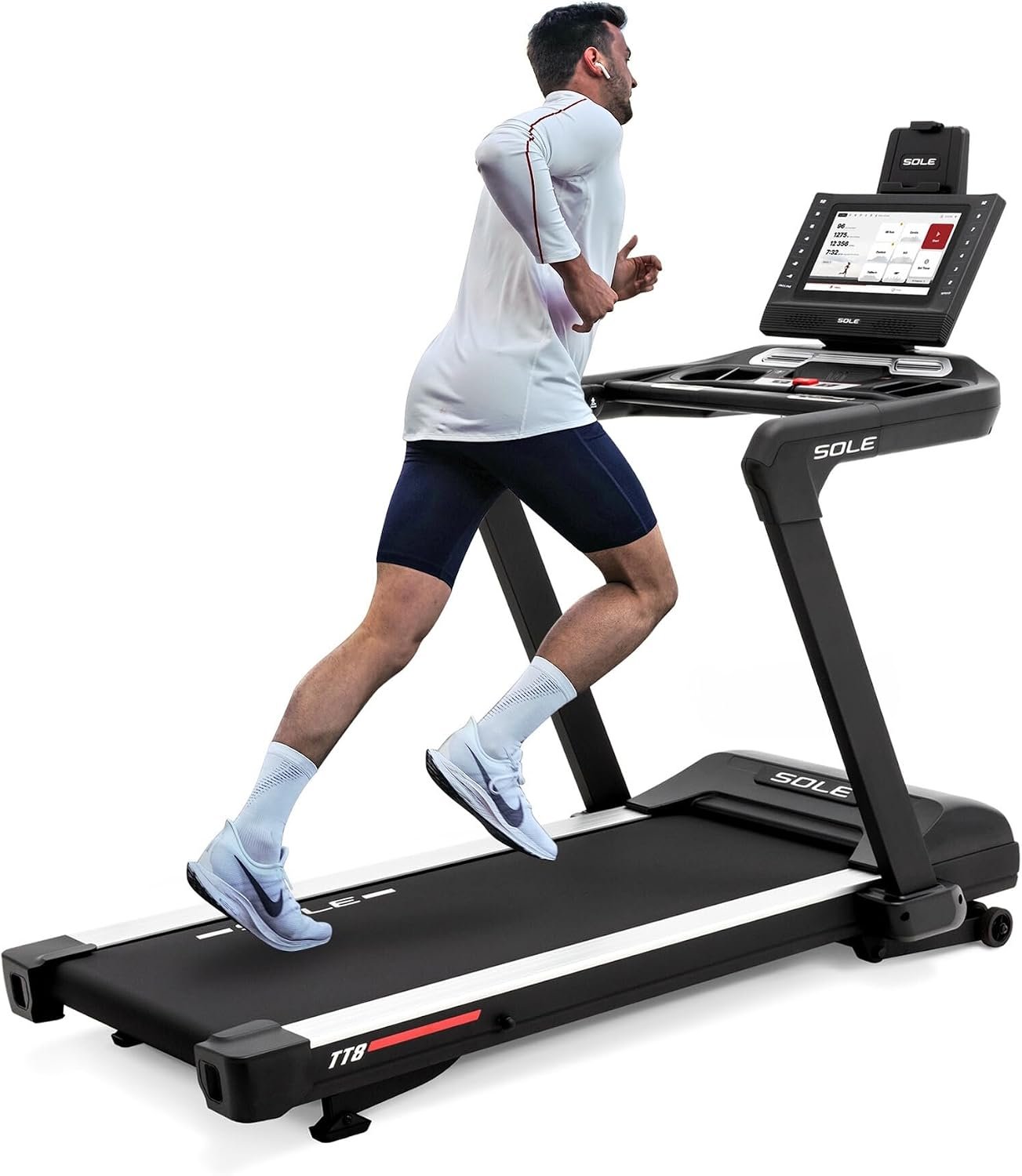
- 4.0 HP motor, 0.5–12 MPH speed range
- -6% decline, 15 levels of incline
- 22″ x 60″ running deck, non-folding
- 400 lb weight capacity
- 15.6″ touchscreen, no subscription required
- Lifetime frame and motor warranty
The single biggest reason to consider the TT8 is that it delivers the deepest decline in this list — matched only by its sibling, the F85 — without locking any features behind a monthly subscription.
What Makes It Different
Most decline-capable treadmills in this price range come from NordicTrack or ProForm, both of which push their iFIT subscription hard to unlock the full experience. The TT8 takes the opposite approach: everything you need — Netflix, Hulu, Spotify — streams straight to the touchscreen with no subscription required, and the 10 built-in workout programs work without any app at all.
Being non-folding is the real tradeoff for that -6% decline depth. The dual-motor system that drives both incline and decline needs a stable, permanently set frame to do it safely, so if floor space is tight, this isn’t the pick — the F85 below solves that specific problem.
Best for: Runners who want the deepest decline available and have a dedicated, permanent spot for their treadmill.
Pros:
- -6% decline ties for the deepest in this list
- No subscription required for streaming apps or workout programs
- 400 lb weight capacity is the highest among non-NordicTrack options
- Lifetime frame and motor warranty
Cons:
- Does not fold — needs a permanent dedicated space
- No iFIT-style automatic trainer-led incline/decline adjustment
2. Sole F85 — Best Folding Decline Treadmill
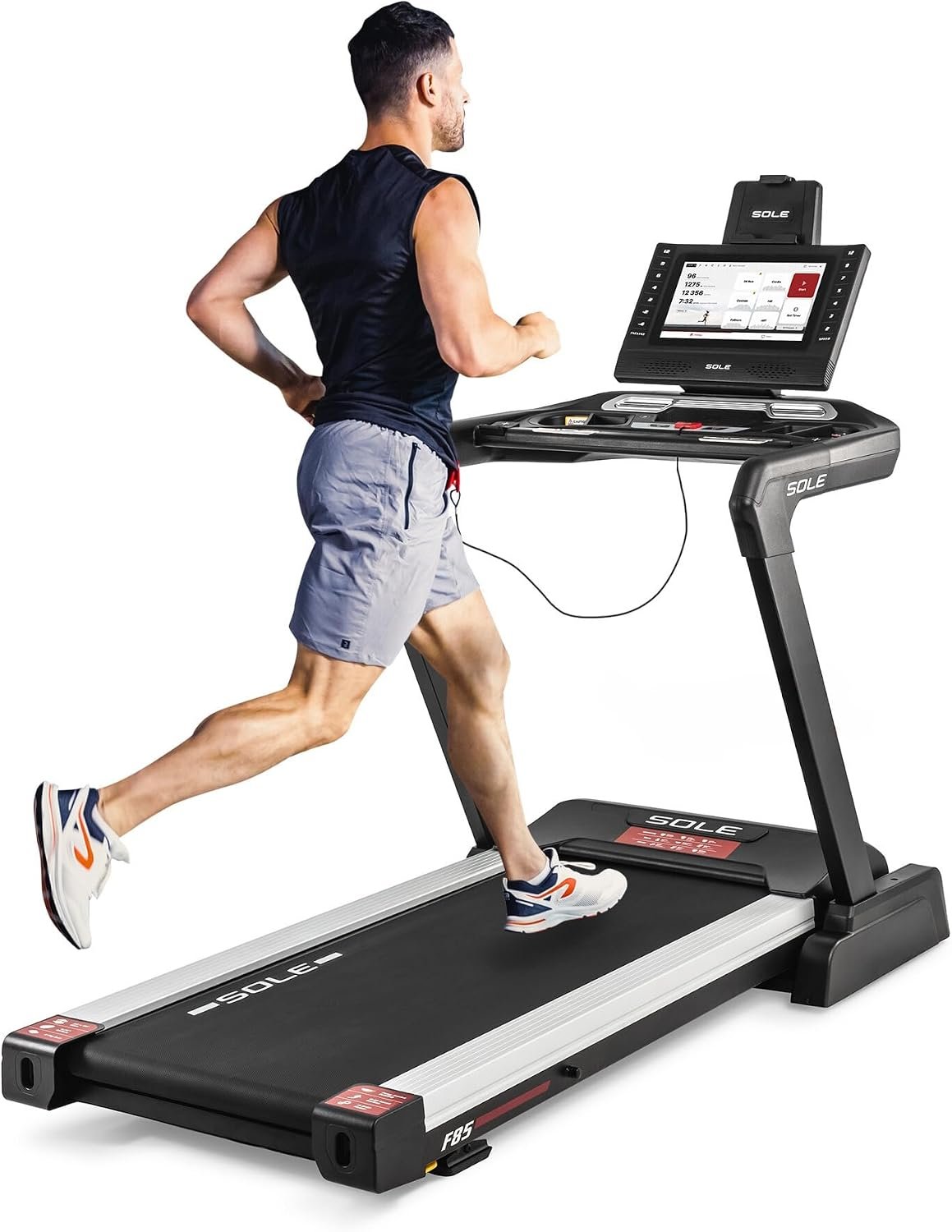
- 4.0 HP motor, up to 12 MPH
- -6% decline, 15 levels of incline
- 22″ x 60″ running deck, folding design
- 375 lb weight capacity
- 15.6″ touchscreen, no subscription required
- Lifetime frame and motor warranty
The F85 matches the TT8’s full -6% decline depth in a folding frame — a genuinely rare combination, since most brands sacrifice decline capability to make a treadmill foldable.
What Makes It Different
Folding mechanisms typically compromise frame rigidity, which is exactly what a controlled decline needs most. Sole solved this with a reinforced frame that stays stable whether folded or in use, so you’re not giving up decline depth just to save floor space — a tradeoff nearly every other folding treadmill in this category forces you to make.
Like the TT8, it skips the subscription model entirely. If you’ve been burned by a treadmill that nags you to pay monthly just to unlock incline auto-adjustment, this is a real relief — everything works out of the box.
Best for: Anyone who wants TT8-level decline depth but needs to fold the treadmill away between uses.
Pros:
- Full -6% decline in a folding frame — rare combination
- No subscription required
- Lifetime frame and motor warranty
- Reinforced frame stays stable folded or in use
Cons:
- 375 lb capacity, slightly lower than the non-folding TT8
- No automatic trainer-led terrain adjustment like iFIT-enabled models
3. NordicTrack Commercial 1750 — Best for iFIT Training
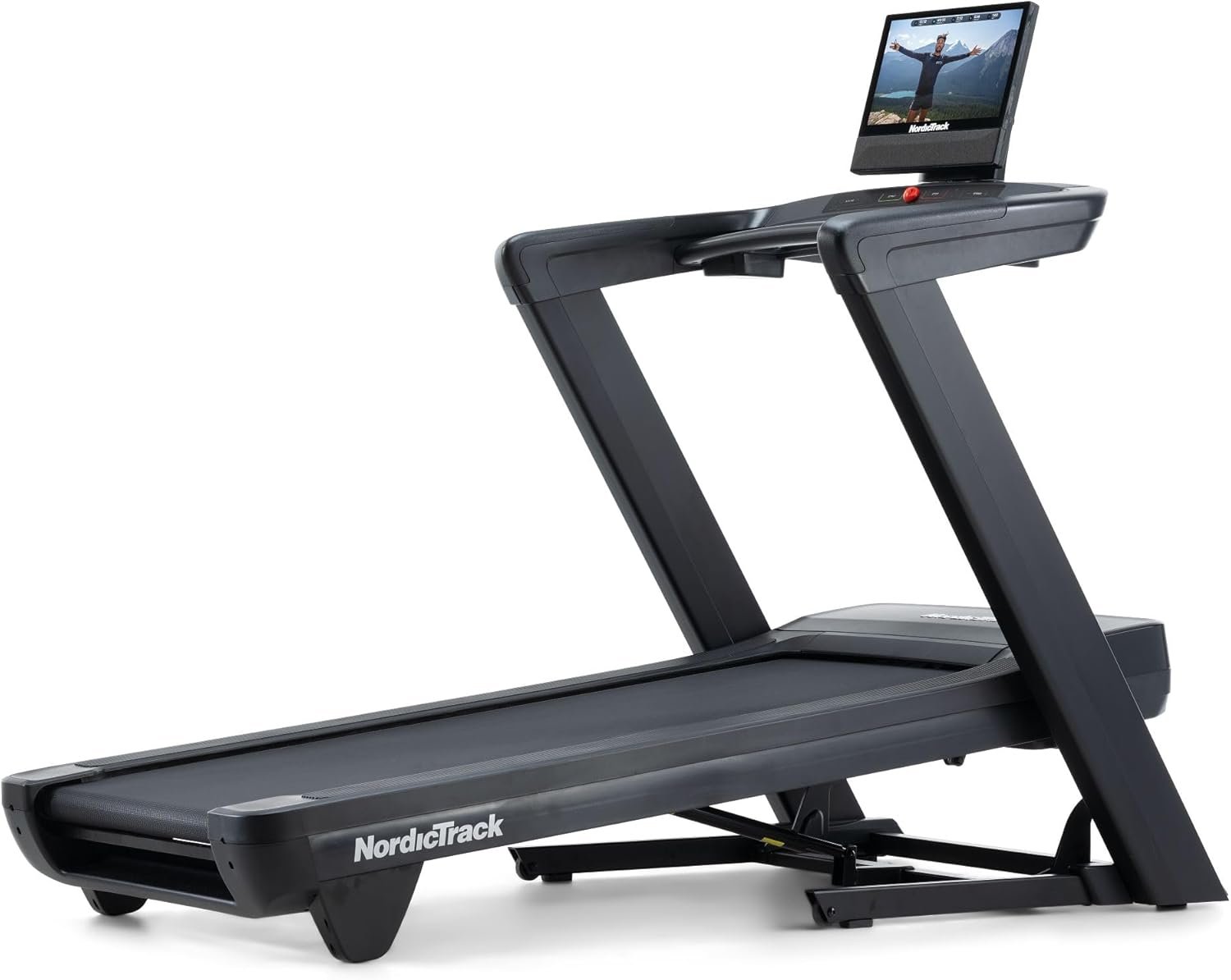
- 4.25 CHP motor, 0–12 MPH
- -3% decline, 12% incline
- 16″ HD pivoting touchscreen
- 300 lb weight capacity
- Lifetime motor warranty
- iFIT-enabled with SmartAdjust and ActivePulse
The 1750’s biggest strength is how seamlessly it automates decline and incline changes through iFIT — the treadmill adjusts terrain in real time to match a trainer-led route, without you touching a button.
What Makes It Different
The pivoting touchscreen is the standout feature here — it tilts for on-treadmill runs, then rotates a full 90 degrees so you can follow off-treadmill iFIT classes like yoga or strength training without buying a second screen. Combined with SmartAdjust, which personalizes each iFIT workout’s incline and decline targets to your fitness level over time, this is the most “hands-off” decline treadmill in this list.
The -3% decline is shallower than the Sole models above, but it’s enough for genuine downhill-running simulation and eccentric muscle training — most runners rarely need to go deeper than that in practice.
Best for: Runners who want automated, trainer-led incline/decline workouts rather than manually adjusting settings themselves.
Pros:
- Pivoting touchscreen works for both on- and off-treadmill workouts
- SmartAdjust personalizes incline/decline automatically
- Lifetime motor warranty
- 4.25 CHP motor is stronger than most in this price range
Cons:
- Full iFIT features require a paid subscription after the trial period
- 300 lb weight capacity is on the lower end for this list
4. NordicTrack Commercial 2450 — Best for Speed Training
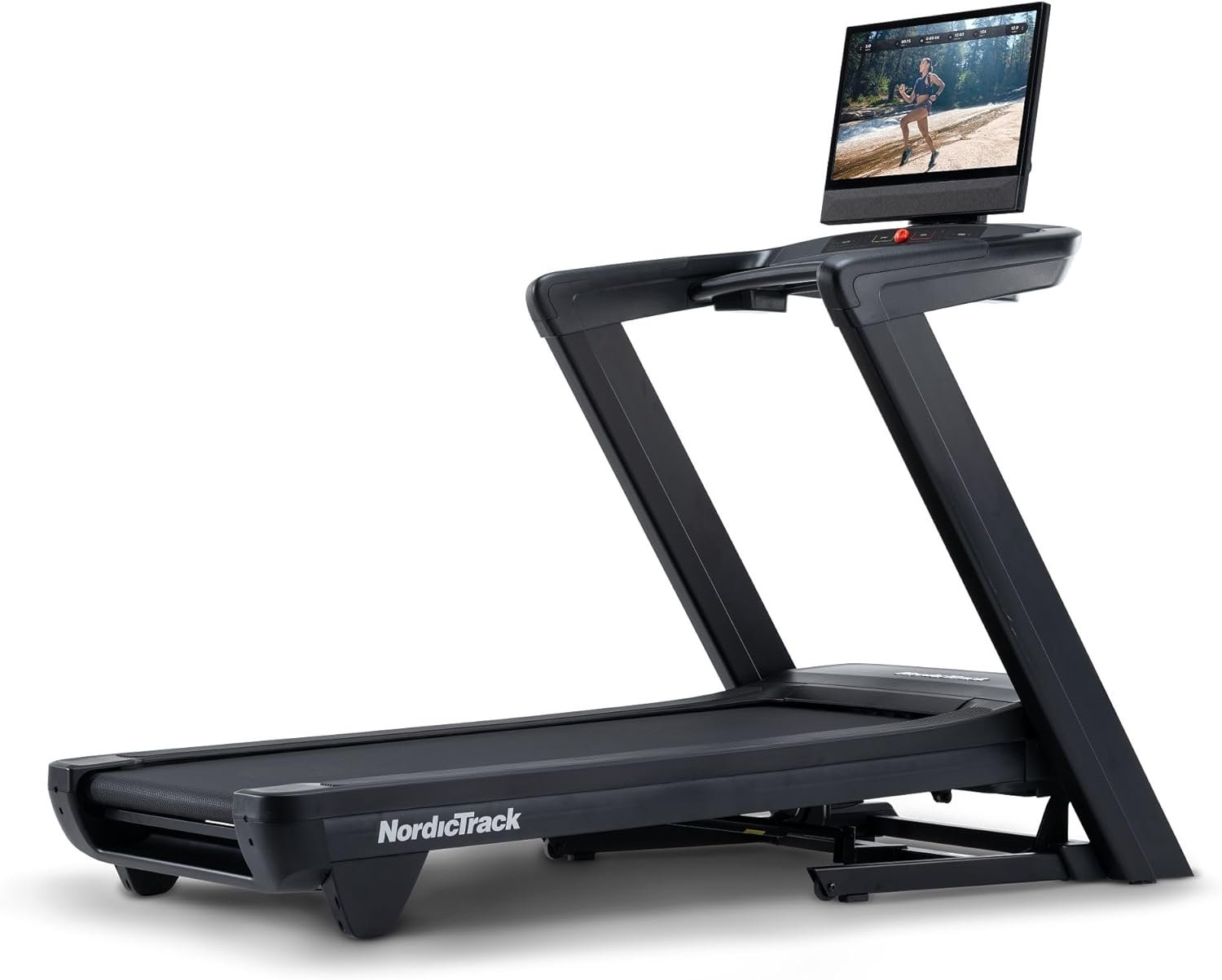
- 4.25 CHP motor, 0–14 MPH
- -3% decline, 12% incline
- 24″ HD tilting and pivoting touchscreen
- 400 lb weight capacity
- Lifetime motor warranty
- iFIT-enabled with SmartAdjust and ActivePulse
The 2450’s 14 MPH top speed is the fastest in this entire list — a genuine 2 MPH faster than every other model here, which matters if you’re training for competitive pace work.
What Makes It Different
This is the 1750’s bigger sibling, sharing the same -3% to 12% decline/incline range but built for a different kind of user — one who’s actually going to hit 12+ MPH regularly. A 4:17-per-mile pace ceiling isn’t relevant to casual walkers, but for anyone doing structured interval or tempo work, most treadmills in this price range simply can’t keep up. Our treadmill workout guide has interval routines that make good use of this kind of speed range.
The 400 lb weight capacity is also a real upgrade over the 1750’s 300 lb — worth factoring in if you’re near the upper end of that range, since a compact-feeling weight cap on a treadmill you’re planning to sprint on isn’t ideal.
Best for: Serious runners doing speed or interval training who need a higher top speed than standard 12 MPH models offer.
Pros:
- 14 MPH top speed — fastest in this list
- 400 lb weight capacity, higher than the 1750
- 24″ screen tilts and pivots for on- and off-treadmill workouts
- Lifetime motor warranty
Cons:
- Most expensive model in this list
- Heaviest in-box weight makes assembly a two-person job
5. NordicTrack X16 — Best Incline Range
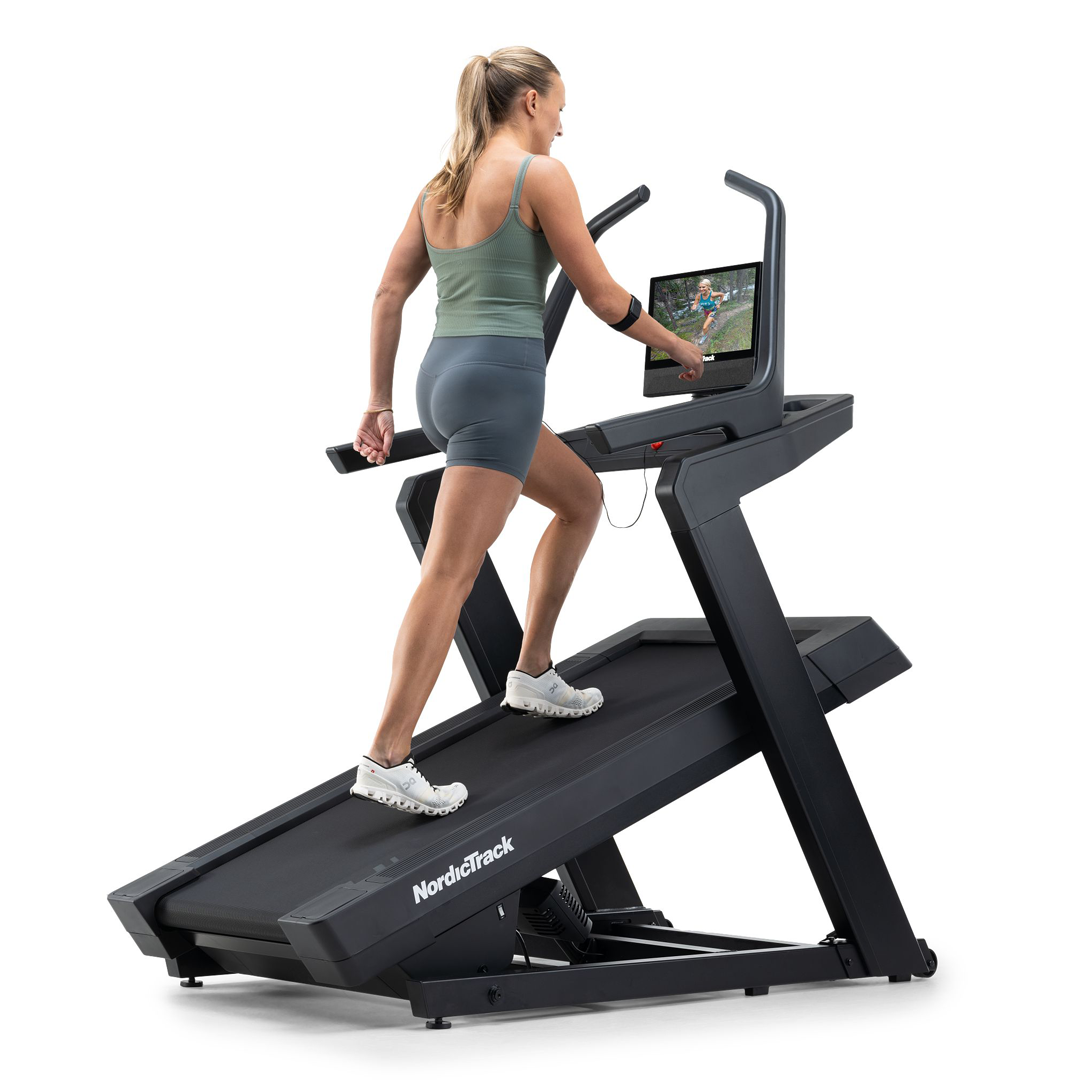
- 4.25 CHP motor, 0–12 MPH
- -6% decline, 40% incline
- 16″ HD pivoting touchscreen
- 400 lb weight capacity
- Lifetime motor warranty
- Does not fold
The X16 replaced NordicTrack’s discontinued X32i, and it’s a genuine upgrade — our full breakdown of that transition covers exactly what changed, but the short version is a higher weight capacity and a real warranty improvement.
What Makes It Different
No other treadmill in this list comes close to a 40% incline. That range exists specifically for hikers and trail runners training for steep elevation gain — real-world testing found the deck actually hits closer to 38% at its steepest, still far beyond what any other model here offers. The -6% decline matches the Sole models for downhill training too, so this isn’t a one-trick incline machine.
That range comes at a real cost: this is a large, heavy, non-folding machine. It’s not the pick if floor space is limited, and the price reflects the premium engineering needed to make a 40% incline stable and safe.
Best for: Trail runners and hikers training for steep elevation who want both extreme incline and real decline capability in one machine.
Pros:
- 40% incline range is unmatched by anything else in this list
- -6% decline matches the deepest options here too
- 400 lb weight capacity
- Lifetime motor warranty
Cons:
- Does not fold — large, permanent footprint required
- Most expensive option alongside the Commercial 2450
6. ProForm Pro 2000 — Best Budget Decline Treadmill
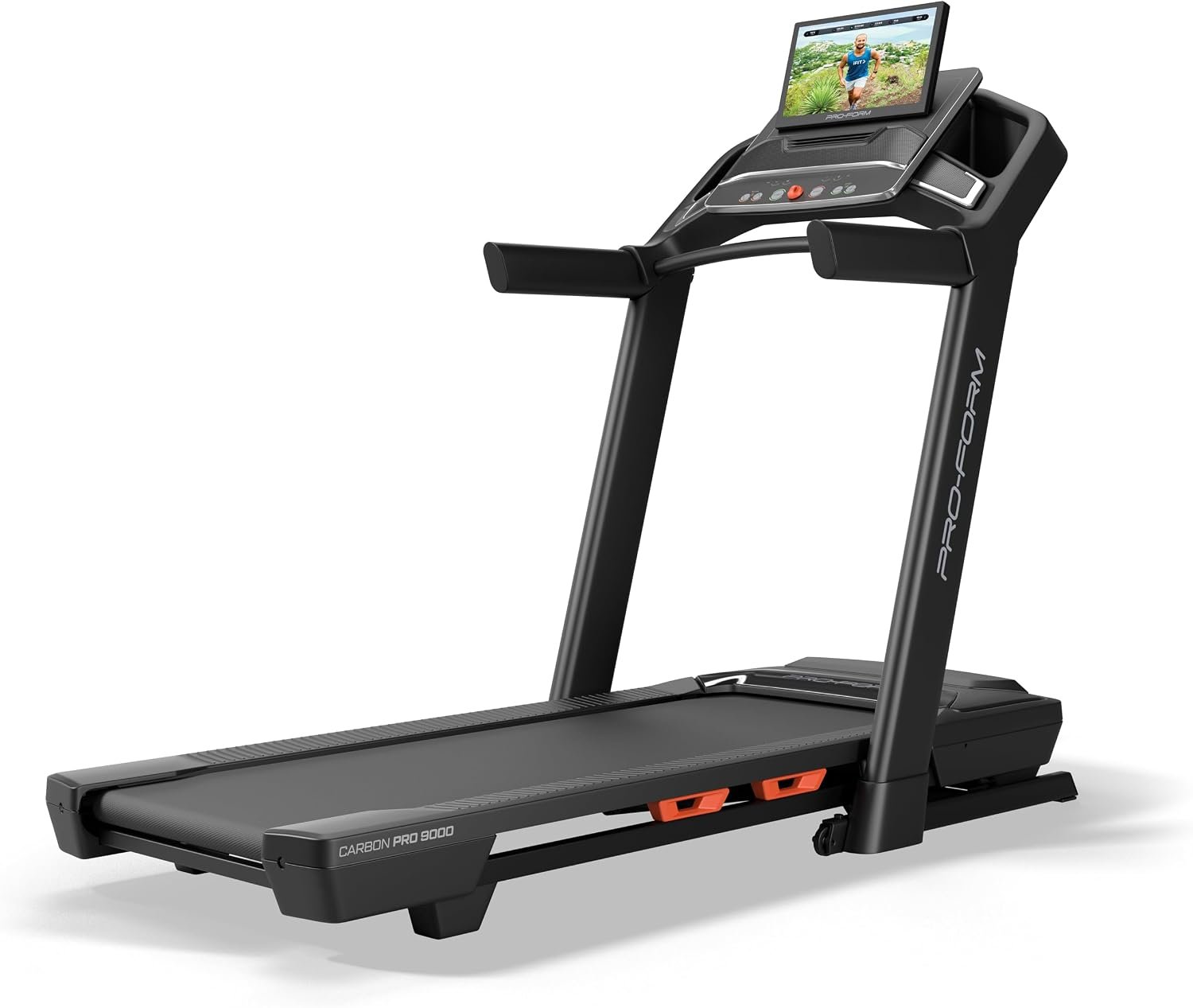
- 3.25 CHP motor, 0.5–12 MPH
- -3% decline, 12% incline
- 10″ HD touchscreen
- 300 lb weight capacity
- 10-year frame warranty, 2-year parts, 1-year labor
Note: ProForm also sells a “Carbon Pro 2000” that looks nearly identical but has no decline at all — confirm you’re looking at the “Pro 2000” specifically before buying.
The Pro 2000’s biggest strength is price — it delivers the same -3% to 12% decline/incline range as the NordicTrack Commercial 1750 for meaningfully less money.
What Makes It Different
ProForm and NordicTrack are sister brands under the same parent company, and it shows — the Pro 2000 shares the same decline/incline range and iFIT compatibility as the pricier NordicTrack models, just with a smaller 10″ screen and a slightly less powerful motor. For anyone who wants decline training without paying NordicTrack prices, this is the practical entry point.
The 300 lb weight capacity and 20″ belt width (narrower than the 22″ decks above) are the real tradeoffs for that lower price — worth checking against your own build before buying.
Best for: Budget-conscious buyers who still want genuine decline capability rather than incline-only.
Pros:
- Lowest price point of any decline-capable treadmill in this list
- Same decline/incline range as the pricier NordicTrack 1750
- 10-year frame warranty
- Folds for storage
Cons:
- Narrower 20″ belt compared to the 22″ decks on other models
- Easy to accidentally buy the decline-less “Carbon” version instead
7. ProForm Pro 9000 — Best Large Screen on a Budget
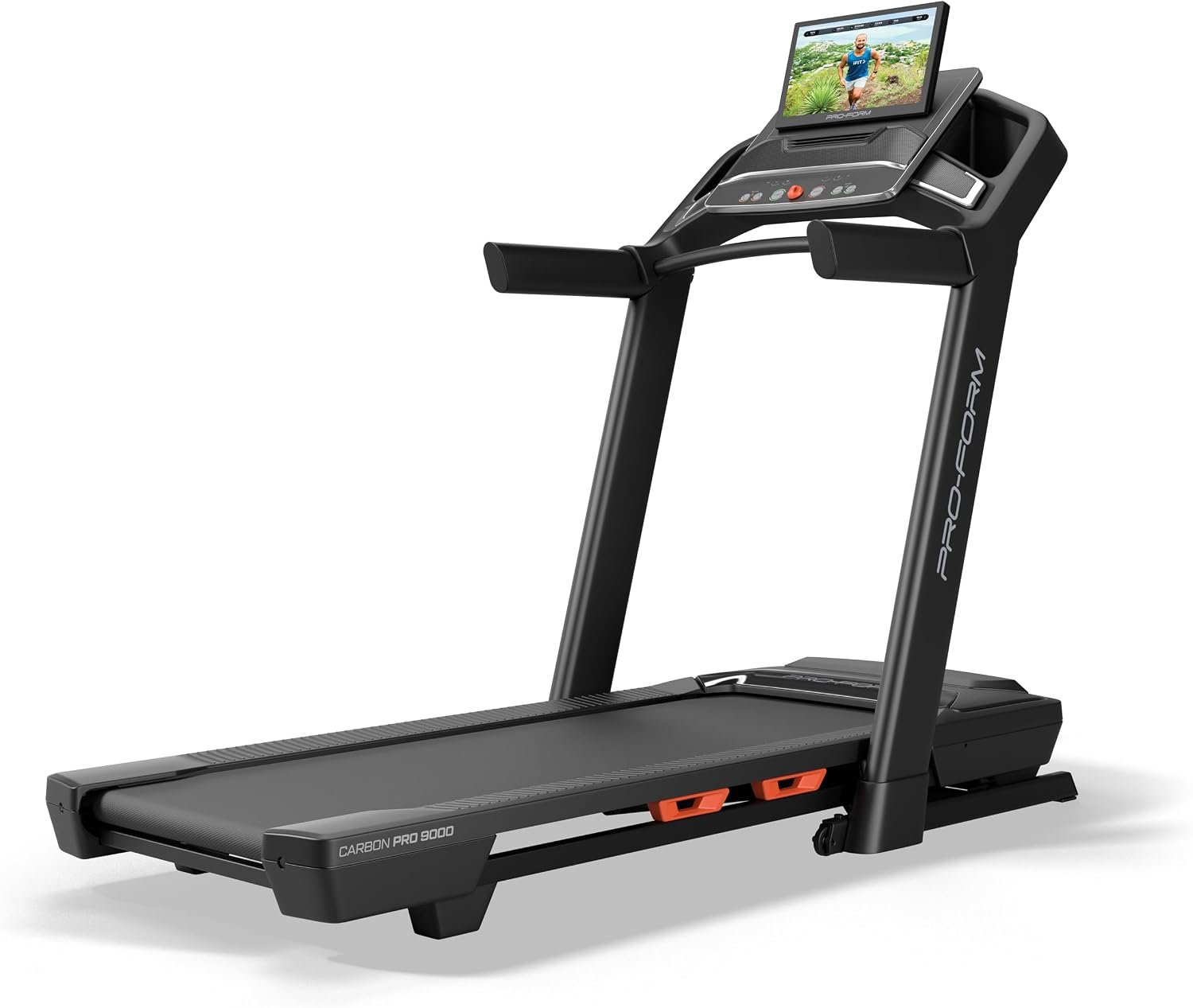
- 3.6 CHP motor, 0.5–12 MPH
- -3% decline, 12% incline
- 22″ HD touchscreen
- 300 lb weight capacity
- 10-year frame warranty, 2-year parts, 1-year labor
Note: like the Pro 2000, ProForm also sells a “Carbon Pro 9000” that lacks decline entirely — make sure you’re buying the “Pro 9000” specifically.
The Pro 9000’s 22″ touchscreen is the largest screen of any treadmill in this list at this price point, rivaling displays on machines costing significantly more.
What Makes It Different
Screen size drives a lot of the price difference between treadmills in this category, and the Pro 9000 punches above its price bracket here — a 22″ display for less than what NordicTrack charges for their smaller screens. If streaming workout classes or entertainment matters more to you than incline/decline range specifically, this is the strongest value in this list.
The tradeoff is that it’s a heavy, somewhat unwieldy treadmill to move — testers have noted difficulty using the transport wheels and needing to physically scoot it into position instead.
Best for: Anyone who prioritizes screen size and streaming content alongside decline capability, on a mid-range budget.
Pros:
- 22″ touchscreen is the largest in this list at this price point
- Same -3% to 12% decline/incline as its NordicTrack counterparts
- 10-year frame warranty
- Folds for storage
Cons:
- Heavy and difficult to maneuver despite transport wheels
- Easy to accidentally buy the decline-less “Carbon” version instead
How to Choose a Decline Treadmill: 5 Factors That Matter
1. How deep a decline you actually need. Most home runners get real training benefit from -3% decline; only serious trail runners preparing for steep downhill races need to push toward -6%. Don’t pay extra for depth you won’t use.
2. Folding vs. non-folding. The deepest decline models (Sole TT8, F85) either don’t fold or need a reinforced frame to fold safely. If floor space is a genuine constraint, factor that into which decline depth is realistic for your home.
3. Whether you want automated terrain adjustment. iFIT-enabled models (NordicTrack, ProForm) can auto-adjust incline and decline to match a trainer-led workout. Sole models require manual adjustment but don’t require an ongoing subscription to access their core features.
4. Your actual top speed needs. Every model here caps at 12 MPH except the NordicTrack Commercial 2450, which reaches 14 MPH. Unless you’re doing structured speed work near a 5-minute-mile pace, the extra 2 MPH won’t matter in practice.
5. Weight capacity headroom. Give yourself real margin below a treadmill’s stated capacity rather than buying right at the limit — this matters even more on a treadmill you’ll be using at speed or on an incline, where impact forces increase. If you’re closer to the upper end of these capacity ranges, our heavy-duty treadmill guide covers higher-capacity options in more detail.
Whichever model you choose, keeping it well maintained matters more on a decline-capable machine given the extra motors involved — our treadmill maintenance guide covers the basics.
Who a Decline Treadmill Is NOT a Good Fit For
If you’re new to running or treadmill workouts entirely, decline training isn’t where to start. Research on downhill running confirms it increases markers of muscle damage and temporarily reduces force production, especially in runners without prior eccentric training experience. Build a consistent flat-running habit first before adding incline or decline work.
It’s also not the right feature to chase if budget is your main constraint. Every model on this list costs more than a comparable flat-only treadmill, purely because of the engineering decline requires. If decline training isn’t a specific goal you have, that premium isn’t worth paying — a well-reviewed incline-only treadmill will serve most walkers and casual runners just as well.
Anyone managing knee or joint issues should also approach decline training cautiously. Downhill movement increases impact forces on the knees specifically, which is part of what makes it effective training — but that same mechanism can aggravate an existing injury. Check with a doctor or physical therapist before adding decline work if this applies to you.
Frequently Asked Questions
What is a decline treadmill used for?
A decline treadmill simulates downhill running or walking, which trains the quadriceps eccentrically and prepares runners for race courses or trails with descending sections. It also adds variety to a training routine by targeting different muscle groups than flat or incline training alone.
What is the best decline treadmill for home use?
The Sole TT8 offers the best balance of decline depth (-6%), build quality, and price for most home users. Runners who want the same decline depth in a folding design should consider the Sole F85 instead.
How much decline do I actually need on a treadmill?
Most runners get real training benefit from -3% decline, which is what NordicTrack and ProForm models in this list offer. Only serious trail or downhill-race runners typically need to push toward -6%, available on the Sole TT8 and F85.
Is running on a decline treadmill bad for your knees?
Decline running increases impact forces on the knees, which is part of what makes it effective eccentric training, but this same mechanism can aggravate an existing knee injury. Anyone with joint concerns should consult a doctor or physical therapist before adding decline work to their routine.
Do I need an iFIT subscription to use a decline treadmill?
It depends on the brand. NordicTrack and ProForm models require a paid iFIT subscription to unlock automatic trainer-led incline and decline adjustments, though manual mode works without one. Sole treadmills don’t require any subscription to access their full decline and incline range.
Why don’t more treadmills offer a decline feature?
Decline capability requires additional motors and a more complex, stable frame than incline-only treadmills, which adds real engineering cost. This is why decline features are mostly limited to mid-range and premium treadmills rather than budget models.
What’s the difference between the ProForm Pro 2000 and Carbon Pro 2000?
The Pro 2000 (Pro Series) includes -3% decline alongside 12% incline, while the Carbon Pro 2000 is a separate, incline-only product with no decline capability at all. The two are easy to confuse since they share a similar name and appearance.
Can beginners use a decline treadmill?
Beginners should build a consistent flat-running habit before adding decline training, since the eccentric muscle loading involved can cause significant soreness in unconditioned legs. Once a base fitness level is established, starting with a shallow -2% to -3% decline is a reasonable way to introduce it.
Affiliate Disclosure: myactivetribe.com is reader-supported. Some links on this page are affiliate links, meaning we may earn a commission at no extra cost to you if you make a purchase. This never affects our recommendations, which are based on AnilKK’s independent research and testing.