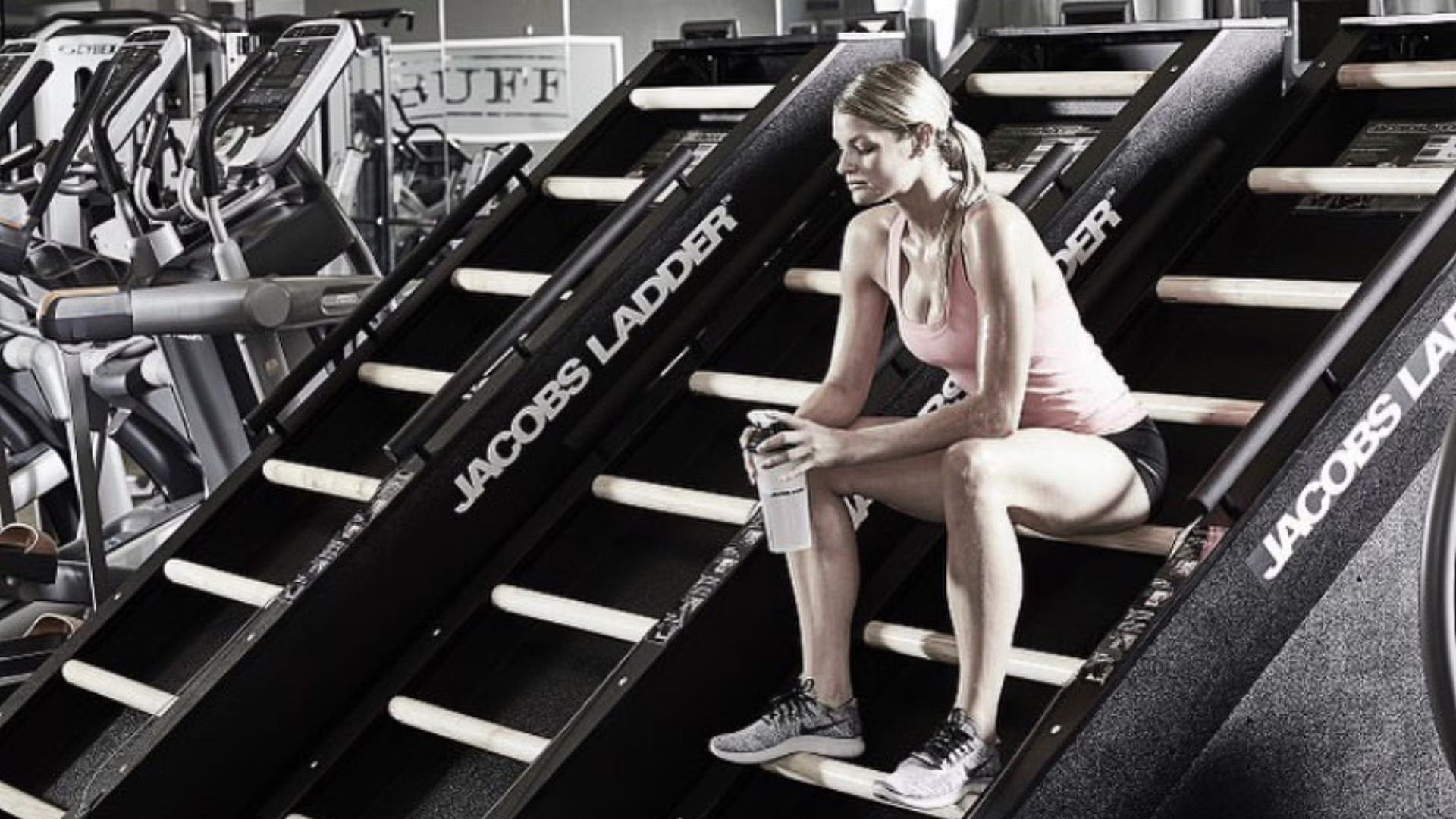
The Jacobs Ladder is a self-powered, non-motorized climbing machine that’s earned a genuine reputation among strength coaches, physical therapists, and the U.S. military for delivering an intense, low-impact full-body workout. After verifying its current specs and checking it against the VersaClimber, the most commonly compared alternative, it holds up as one of the most effective — if expensive — pieces of cardio equipment available. I’m AnilKK, an INFS-certified nutrition and fitness coach with 24 years of training experience, and while this is commercial-grade equipment outside most home budgets, it’s worth understanding what makes it genuinely different from a treadmill or stair climber.
Quick Answer: The Jacobs Ladder (original/classic model) offers a fixed 40-degree climbing angle, a 4-year parts/1-year labor warranty, and genuinely low-impact, full-body engagement backed by real research on reduced joint strain. If you want a lower entry price and an adjustable height setting, the VersaClimber starts around $2,000 less and uses a vertical rather than angled climbing motion — a meaningfully different exercise, not just a cheaper version of the same thing.
Table of Contents
Jacobs Ladder — Specs Snapshot
Warranty: 4 years parts, 1 year labor (residential) | 2 years parts, 1 year labor (commercial)
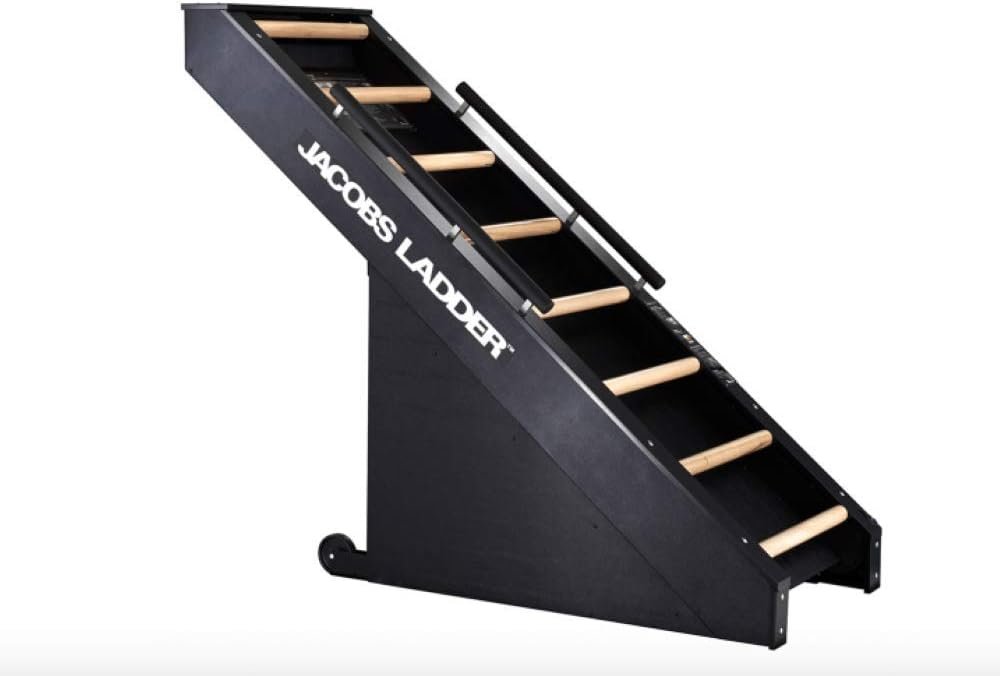
- Fixed 40-degree climbing angle
- Footprint: 76″ L x 31.25″ W x 65.5″ H
- Machine weight: approximately 325-345 lbs (varies slightly by source)
- Ceiling height requirement: at least 7.5 feet
- Self-powered — no electrical outlet required
- Digital display: elapsed time, feet climbed, rate, calories, heart rate (with compatible chest strap)
- User weight capacity: not publicly disclosed by the manufacturer — see our guide to equipment with clearly stated higher weight capacities if this is a concern
Quick Comparison: Jacobs Ladder vs. VersaClimber
| Machine | Motion | Angle/Orientation | Warranty (Residential) | Power | Best For |
|---|---|---|---|---|---|
| Jacobs Ladder | Angled ladder climb, hand-over-hand | Fixed 40° | 4-year parts, 1-year labor | Self-powered | Maximum calorie burn per minute |
| VersaClimber | Vertical, contralateral arm/leg climb | Adjustable height, vertical | Lifetime frame, 5-year parts | Self-powered | Lower entry cost, adjustable fit |
What Makes the Jacobs Ladder Different
Unlike a treadmill or stair climber, the Jacobs Ladder is entirely self-paced — there’s no motor setting your speed. The rungs move continuously, and how fast they move is determined entirely by how fast you climb, which means the machine can never move faster than you’re actually capable of, an inherent safety feature that motorized equipment doesn’t have.
The fixed 40-degree angle is deliberate: it’s steep enough to demand real effort from your legs, arms, and core simultaneously, but shallow enough to keep the exercise genuinely low-impact. This combination is what’s made it a staple in strength and conditioning programs for professional sports teams and military units, not just a novelty gym machine. That simultaneous upper-and-lower-body engagement is a real point of difference from equipment that only works your legs — our guide on muscles involved in treadmill workouts breaks down exactly what a leg-only machine does and doesn’t train.
Widely cited research from Louisiana State University’s School of Kinesiology found that users reached higher levels of energy expenditure on the Jacobs Ladder than on a treadmill, while reporting lower perceived exertion for a given calorie burn — in plain terms, it let people burn more calories while feeling like they were working less hard. We weren’t able to locate the original published study directly, so treat this as a widely repeated industry claim rather than a citation we’ve independently verified. What’s better established is the general principle behind it: the CDC notes that low-impact aerobic activities don’t put stress on the joints the way higher-impact activities do, while still meeting the same moderate or vigorous intensity thresholds, which is exactly the balance a fixed-angle climbing machine is built around.
Design, Build Quality, and Assembly
The frame is welded tubular steel with solid maple climbing rungs, and the whole unit ships fully assembled — a genuine convenience given its size and weight. There’s no motor, electronics beyond the digital display, or complex mechanism to maintain, which is part of why these machines have a strong reputation for long-term durability in commercial settings.
One real owner review, from a personal trainer with over 30 years of experience, describes it as “everything you want in a cardio/workout machine and more,” while also noting a roughly 45-day backorder wait before delivery and some initial soreness adjusting to the movement pattern in the first few sessions.
Given its footprint and weight, this isn’t a machine you reposition casually — plan its placement carefully before it arrives, and confirm your ceiling height clears the 7.5-foot minimum. If your main goal is weight loss specifically rather than athletic conditioning, our treadmill workouts for weight loss guide covers more accessible ways to build the same calorie-deficit habit.
Pros
- Genuinely low-impact on the knees, hips, and lower back despite the intensity of the workout.
- Self-paced design means the machine can never move faster than the user, an inherent safety advantage over motorized equipment.
- Engages major muscle groups and stabilizer muscles simultaneously for a true full-body workout.
- No assembly required, no electrical outlet needed, and minimal ongoing maintenance thanks to the simple mechanical design.
Cons
- Large footprint and roughly 325-345 lb machine weight make it impractical for most home gyms.
- Significantly more expensive than nearly every other cardio machine, putting it out of reach for most individual buyers.
- User weight capacity isn’t published anywhere by the manufacturer — worth contacting them directly if this is a concern for you.
Jacobs Ladder vs. VersaClimber: Which Should You Choose?
These two machines get compared constantly, but they’re not interchangeable — they use genuinely different movement patterns. The Jacobs Ladder’s angled, hand-over-hand ladder motion tends to produce a higher calorie burn per minute, making it the choice for athletes and serious conditioning work. The VersaClimber’s vertical, contralateral (opposite arm and leg) motion is a different biomechanical pattern that some users find more natural and sustainable for longer sessions.
Price is a real differentiator: the VersaClimber starts at a meaningfully lower price point than the Jacobs Ladder, and its warranty — lifetime frame with 5-year parts coverage for residential use — is also stronger on paper than the Jacobs Ladder’s 4-year parts term.
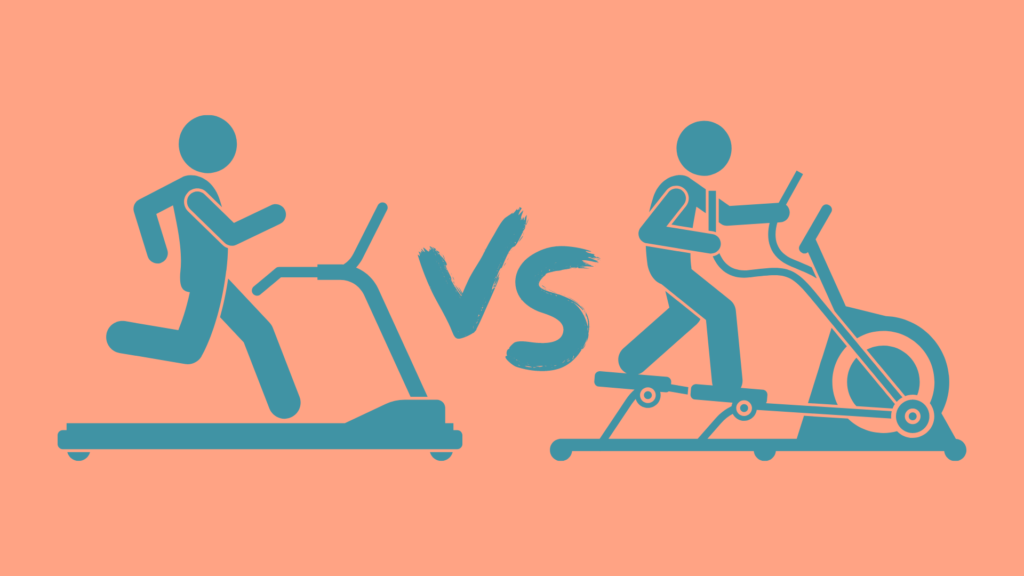
If you’re deciding between either of these and a more conventional option, our treadmills vs. ellipticals comparison covers how standard cardio equipment stacks up against specialty climbers like these on cost, space, and calorie burn.
Who the Jacobs Ladder Is (and Isn’t) Right For
This machine makes the most sense for commercial gyms, serious athletes, tactical or military training programs, and dedicated home gym owners who have both the budget and the physical space for it. If you’re rehabbing an injury under professional guidance, its low-impact profile is part of why physical therapists use it, but that should be a decision made with your provider, not based on this article alone.
One important safety note that’s frequently omitted: the Jacobs Ladder is generally considered unsafe for pregnant women, particularly after the 16th week of pregnancy, due to the pressure it places on the inner abdominal muscles. If you’re pregnant, Mayo Clinic recommends checking with your healthcare provider before starting any new exercise and stopping immediately if a movement feels unstable or causes pain — advice that applies directly to a machine built around this much core and abdominal engagement.
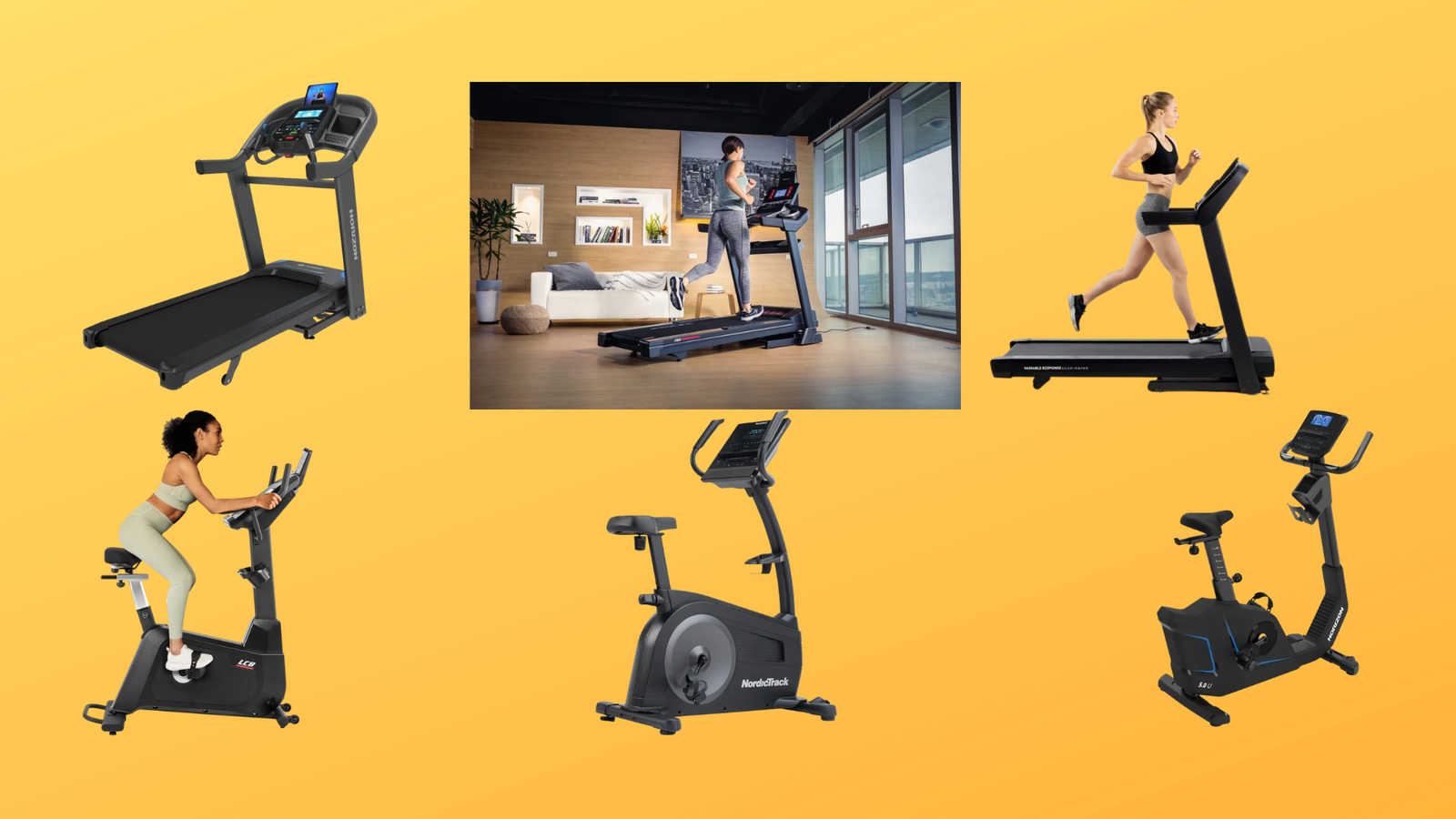
If your main barrier is space or budget rather than fitness goals, our exercise bike vs. treadmill comparison covers far more accessible cardio equipment options that still deliver genuine results.
Frequently Asked Questions
What is the Jacobs Ladder good for?
It improves cardiovascular endurance, grip strength, coordination, and core stability, engaging both the upper and lower body simultaneously in a way that a treadmill or stationary bike doesn’t. It’s used across rehabilitation, HIIT, and general conditioning programs.
Is the Jacobs Ladder safe for beginners?
Yes, since the machine is entirely self-paced, beginners can climb slowly and build intensity gradually. That said, expect some initial muscle soreness in the first few sessions as your body adapts to the movement pattern.
How do I use a Jacobs Ladder machine?
You strap into a belted harness around your core, then climb the moving rungs hand-over-hand while stepping. The rungs automatically move faster as you climb higher and slower as you climb lower, matching your pace in real time.
Is the Jacobs Ladder or VersaClimber better?
Neither is universally better — they use different movement patterns. The Jacobs Ladder tends to produce a higher calorie burn per minute and has a larger footprint; the VersaClimber costs less, offers an adjustable height setting, and uses a vertical rather than angled motion.
Is the Jacobs Ladder safe during pregnancy?
It’s generally considered unsafe for pregnant women, particularly after the 16th week, due to the pressure it places on the inner abdominal muscles. Talk to your doctor before using this specific machine if you’re pregnant.
Does the Jacobs Ladder require electricity?
No, it’s entirely self-powered by the user’s own climbing motion, which means you can place it anywhere with adequate floor space and ceiling height without worrying about a nearby outlet.
Are there smaller Jacobs Ladder models for home use?
Yes, the manufacturer also offers the Jacobs Ladder 2, a lighter, narrower version built specifically to address the footprint concerns of the original commercial model, and the Jacobs Ladder X, a redesigned version with adjustable climbing positions. This review covers the original, full-size model specifically.
How long is the delivery wait for a Jacobs Ladder?
Given it’s a specialty commercial machine with limited stock, wait times have historically run several weeks depending on demand. Confirm current lead times with the seller directly before ordering if timing matters to you.
Affiliate Disclosure: myactivetribe.com is supported by its readers. When you purchase through links on our site, we may earn an affiliate commission at no additional cost to you.