Disclosure: myactivetribe.com is reader-supported. When you purchase through links on our site, we may earn an affiliate commission at no extra cost to you.
Let me be straight with you before we get into this.
Most treadmills under $500 are not good. The market is flooded with machines from brands you’ve never heard of, built from parts designed to last 18 months before something snaps, jams, or starts making a noise that wakes up everyone in the house.
But some genuinely are worth your money — and after 24 years of testing home fitness equipment and personally putting over 253 treadmills through their paces, I know which ones those are.
The 7 machines on this list have all earned their place here for different reasons. Some of the best affordable treadmills for walking. Some handle real running. One is the best treadmill for small spaces — folding so flat it slides under your bed. One is technically over $500 at full price, but regularly goes on sale under that threshold and is too good to leave off the list.
I’ll tell you exactly who each one is for — because the right treadmill depends entirely on how you plan to use it.
What to Actually Look For in a Budget Treadmill (Before You Buy)
Before the list, here are the four things that separate an affordable treadmill that lasts from one that doesn’t:
Motor size. For walking and light jogging, 2.0–2.5 HP is fine. If you want to run regularly, you need at least 2.5–3.0 HP. Anything below 2.0 HP will struggle within months under consistent use.
Running surface. You want at least 49–50 inches in length and 16 inches wide for jogging. Shorter than that and your stride gets clipped, which puts strain on your knees over time.
Weight capacity. Always buy a machine rated at least 30–40 lbs above your own weight. The closer you are to the maximum limit, the harder the motor and frame work, and the faster they wear out.
Warranty. A lifetime frame warranty is the gold standard — it tells you the manufacturer actually believes in what they built. A 90-day warranty on parts tells you the opposite.
Quick Comparison: All 7 Treadmills
| Model | Best For | Motor | Surface | Weight Cap |
|---|---|---|---|---|
| Sunny SF-T4400 | Best overall under $400 | 2.2 HP | 49″×15.75″ | 220 lbs |
| XTERRA TR200 | Best for walking | 2.25 HP | 50″×16″ | 250 lbs |
| DeerRun A1 Pro | Best motor at price | 3.0 HP | 49″×16″ | 350 lbs |
| Schwinn SFT3.1 | Best established brand | 2.0 HP | 50″×16″ | 250 lbs |
| UREVO 2-in-1 | Best for small spaces | 2.5 HP | 40″×15″ | 265 lbs |
| Horizon T101 | Best premium features | 2.5 HP | 55″×20″ | 275 lbs |
| WalkingPad C2 | Best for apartments | 1.0 HP | 47″×15.8″ | 220 lbs |
*Regularly goes on sale for under $500
1. Sunny Health & Fitness SF-T4400 Review — Best Overall Budget Treadmill Under $400
If you’ve done any research into budget treadmills, you’ve probably already come across the SF-T4400. There’s a reason it appears on nearly every “best treadmills under $500” list out there — it’s genuinely the most reliable machine you can get for under $400.
I’ll be honest about what it is and what it isn’t. The SF-T4400 is a walker’s and light joggers’ treadmill. The 2.2 HP motor and 220-pound weight limit mean it’s not built for heavy daily running sessions. But for the person who wants to walk 30–45 minutes a day, stay active in a small space, or just get started with home fitness without spending a lot of money, it delivers exactly what it promises.
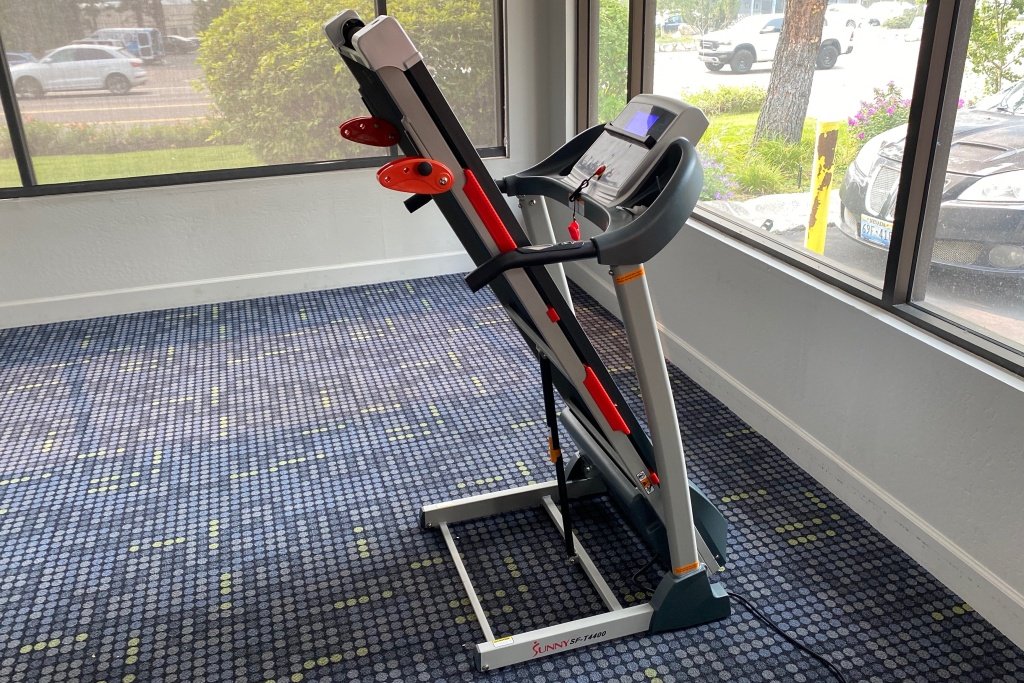
The soft-drop folding system is one of its standout features — it folds up smoothly, stays upright without help, and takes up surprisingly little floor space. The 15.6-inch width is on the narrow side, but most walkers and joggers barely notice it.
Nine built-in workout programs give you enough variety to keep things fresh, and the compact size makes it a solid choice for anyone in an apartment or tight space.
What Makes the Sunny SF-T4400 Different
The SF-T4400’s standout feature is its hydraulic soft-drop folding system — something you rarely see on machines under $400. Most budget treadmills at this price either don’t fold at all, or fold manually with no resistance, meaning the deck drops hard and fast if you’re not careful. The Sunny’s soft-drop system lets you lower the deck slowly and safely with one hand, even if you’re tired after a workout. It’s a small detail that makes a noticeable difference in daily use, especially if you fold and unfold it every day.
The nine built-in workout programs are also more than competitors typically offer at this price — most budget machines give you three to five. Having nine programs means you’re not doing the same workout every session, which matters more than people realise for long-term consistency. The console tracks speed, distance, time, calories, and pulse from the handlebar sensors — everything a beginner or moderate walker needs without any subscription or app required.
Pros:
- Hydraulic soft-drop folding system makes daily fold and unfold smooth and safe with one hand — rare at this price point.
- Nine built-in workout programs give genuine variety that keeps sessions fresh and reduces the temptation to skip a day.
- 3-year frame warranty is significantly stronger than the 90-day parts warranty competitors often highlight as a negative — Sunny stands behind the structure of this machine.
- Three manual incline levels (0%, 2%, 4.37%) let walkers add gradient work to their sessions without spending more — many machines under $400 offer zero incline adjustment.
- Compact folded footprint of just 10.98 square feet — smaller than most comparable machines — makes it genuinely manageable in tight spaces.
- No subscription required — every feature works out of the box, forever, with no monthly fee eating into your budget.
Cons:
- 220 lb weight capacity is the lowest on this list — heavier users should look at the DeerRun A1 Pro or Horizon T101 instead.
- Maximum 9 mph speed and short 49″ belt length make it better suited to walking and light jogging than sustained running.
Best for: First-time buyers, walkers, apartment dwellers, and anyone trying home fitness for the first time without a big financial commitment.
Key specs:
- Warranty: 3 years frame, 180 days parts and labour
- Motor: 2.2 HP
- Speed: up to 9 mph
- Running surface: 49″ × 15.75″
- Incline: 3 manual levels (0%, 2%, 4.37%)
- Weight capacity: 220 lbs
2. XTERRA TR200 Review — Best Treadmill for Walking Under $500
The XTERRA TR200 costs a bit more than the Sunny, and that extra money buys you something genuinely valuable: a lifetime frame warranty. That’s not a typo — lifetime, on a treadmill priced well under $500.
Most machines in this price range offer 90 days to a year on the frame. XTERRA offering a lifetime warranty tells you they’re confident in the build. And in my experience, they should be — the TR200 holds up well under regular walking and light running use.
The 2.25 HP motor handles 10 mph, which is faster than you’d likely ever need for walking or jogging. The 250-pound weight limit is more generous than the Sunny, giving you a bit more breathing room. Twelve preset programs and basic heart rate sensors in the handlebars round out a machine that does the fundamentals well without trying to be something it isn’t.
Assembly is straightforward — most people can do it alone in about 30–45 minutes. And when it’s folded up, it doesn’t take much floor space at all.
If you’re specifically looking for the best treadmill for walking under $500, the TR200 is my top recommendation — that lifetime frame warranty is hard to beat at this price.
What Makes the XTERRA TR200 Different
The TR200’s defining feature is straightforward: a lifetime frame warranty on a sub-$450 treadmill. No other machine on this list at this price point offers that. A lifetime frame warranty means XTERRA is confident enough in how this machine is built to cover it indefinitely — and in my experience testing treadmills, warranty length is one of the most honest signals a manufacturer can send about their own product. The machines brands aren’t proud of get 90-day warranties. The ones they believe in get lifetime coverage.
The TR200 also has 12 preset workout programs — three more than the Sunny SF-T4400 — and a slightly larger 50″ × 16″ belt. That extra inch of width and length is subtle, but walkers with a wider stance or slightly longer stride will feel the difference. The 250 lb weight capacity is also 30 lbs more generous than the Sunny, giving a broader range of users comfortable operating headroom above their body weight.
Pros:
- Lifetime frame warranty at under $450 — the single strongest ownership confidence signal on this entire list at this price.
- 250 lb weight capacity gives more users safe operating headroom compared to the Sunny SF-T4400’s 220 lb limit.
- 12 preset workout programs — the most of any machine under $450 on this list — keep sessions varied without needing an app or subscription.
- 50″ × 16″ belt is slightly longer and wider than the Sunny, giving a more comfortable stride for walkers of average to tall height.
- Reasonably light at 108 lbs — easier to move into position than many treadmills in this category, which typically weigh 110–130 lbs.
Cons:
- No hydraulic soft-drop system — the deck needs to be manually controlled during folding, which requires more care than the Sunny’s assisted mechanism.
- Belt length is still on the shorter side for runners over 6’1″ who want to run at speeds above 7–8 mph comfortably.
Best for: Walkers and light joggers who want peace of mind from a solid warranty, regular users who don’t want to worry about the frame giving out.
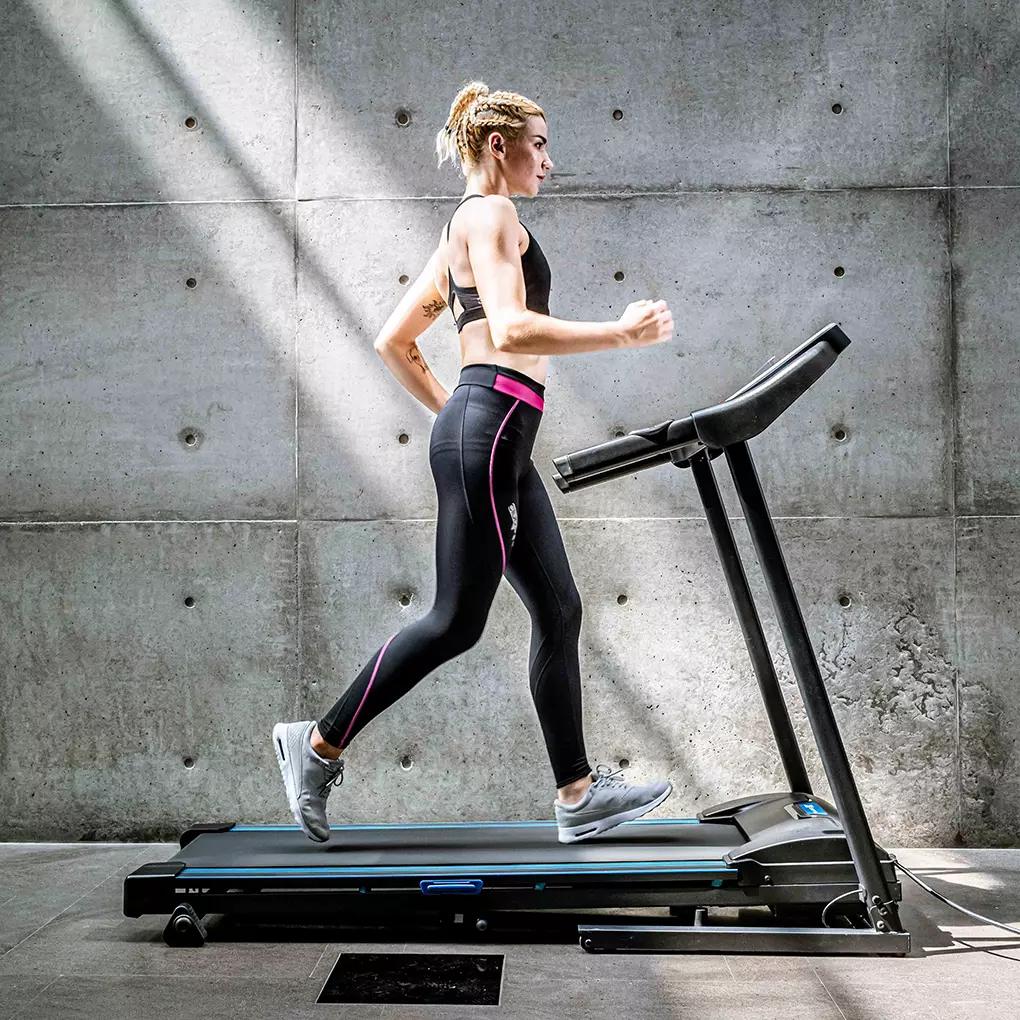
Key specs:
- Warranty: Lifetime frame, 1 year motor, 90 days parts/deck/labor
- Motor: 2.25 HP
- Speed: 0–10 mph
- Running surface: 50″ × 16″
- Incline: 3 manual levels
- Weight capacity: 250 lbs
Sunny SF-T4400 vs XTERRA TR200 — Which Budget Treadmill Should You Buy?
These two machines appear on almost every budget treadmill list for good reason — they’re the two most consistently reliable options under $450. But they’re not the same machine, and choosing the wrong one for your situation is an easy mistake to make.
Choose the Sunny SF-T4400 if: space is your primary concern. Its folded footprint is smaller than the TR200’s, and the hydraulic soft-drop system makes daily fold and unfold easier and safer. If you live in a small apartment, fold the machine after every session, and primarily walk rather than jog, the Sunny does everything you need at a lower price. It’s the right starting machine if you’re not yet sure how often you’ll actually use it.
Choose the XTERRA TR200 if: you weigh more than 200 lbs, plan to use the machine daily, or want the strongest possible warranty at this price. The 250 lb weight capacity gives you 30 lbs more headroom than the Sunny’s 220 lb limit. The lifetime frame warranty is significantly stronger than Sunny’s 3-year frame coverage. And the slightly larger 50″ × 16″ belt is more comfortable for walkers of average to above-average height. For most people comparing these two machines directly, the TR200 is the better long-term investment — the lifetime warranty alone justifies the small price difference.
The one situation where the Sunny wins outright: you weigh under 180 lbs, primarily walk rather than jog, fold the machine daily, and want to spend as little as possible. In that specific scenario, the SF-T4400 does exactly what you need at a lower price and the XTERRA’s advantages don’t really apply. But if you’re heavier, run regularly, or plan to use it daily for years — go with the TR200 and don’t look back.
3. DeerRun A1 Pro Review — Best Motor Power in a Treadmill Under $500
Check Price on Amazon Check Price on DeerRun
A 3.0 HP motor for $449 sounds too good to be true. Usually, you’d need to spend $700–$800 to get that kind of motor power. The DeerRun A1 Pro pulls it off — and the 350-pound weight capacity is equally impressive at this price.
DeerRun is a newer brand, which is the main source of hesitation here. They don’t have the decades of reputation behind them that XTERRA or Sunny do. That’s worth knowing. But the machine itself is well-built, and the specs tell a story that’s hard to argue with — more motor power and nearly double the weight capacity of most machines in this category.
The 6% manual incline is a nice touch for anyone who wants to mix walking intervals with a bit of gradient work. The folding mechanism requires an Allen wrench, which is slightly awkward compared to the tool-free fold on the Sunny and XTERRA — but it’s a minor inconvenience rather than a real problem.
If you’re a heavier user or someone who wants real running capability from a budget machine, the A1 Pro is the standout choice in this price range.
What Makes the DeerRun A1 Pro Different
The 3.0 HP motor combined with a 350 lb weight capacity at $449 is genuinely unprecedented in this price range. To put that in context: most treadmills at $700–$800 have a 3.0 HP motor. Most machines with a 350 lb weight capacity cost significantly more. The DeerRun A1 Pro pulls off both simultaneously at a sub-$500 price, which makes it the standout choice for heavier users or anyone who wants real running capability without spending $700. The trade-off is brand recognition — DeerRun doesn’t have the decades of history that Sunny or XTERRA do. But the specs don’t lie.
The 6% manual incline is also the highest fixed incline of any machine under $500 on this list. It’s not automatic — you set it manually before your session — but for walkers using incline as their primary calorie-burning tool, 6% provides a noticeably more intense workout than the 4.37% maximum on the Sunny and XTERRA. If incline walking for weight loss is your main use case, the A1 Pro gives you more gradient to work with than anything else at this price.
Pros:
- 3.0 HP motor at $449 is exceptional — you’d normally spend $700–$800 for this level of motor power in a home treadmill.
- 350 lb weight capacity is the highest of any traditional treadmill under $500 on this list — giving heavier users genuine safety headroom above their body weight.
- 6% manual incline is the steepest available at this price point, making it the best choice for incline walkers targeting serious calorie burn.
- Capable of genuine running — the combination of motor power and weight capacity means regular runners can use this machine without worrying about wearing it out quickly.
Cons:
- DeerRun is a newer brand without the long track record of Sunny or XTERRA — factor this into your decision if brand longevity matters to you.
- Folding requires an Allen wrench rather than a tool-free mechanism — slightly more involved than competitors but not a dealbreaker for most users.
Best for: Heavier users, anyone wanting genuine running capability from a sub-$500 machine, users who prioritise motor power over brand recognition.
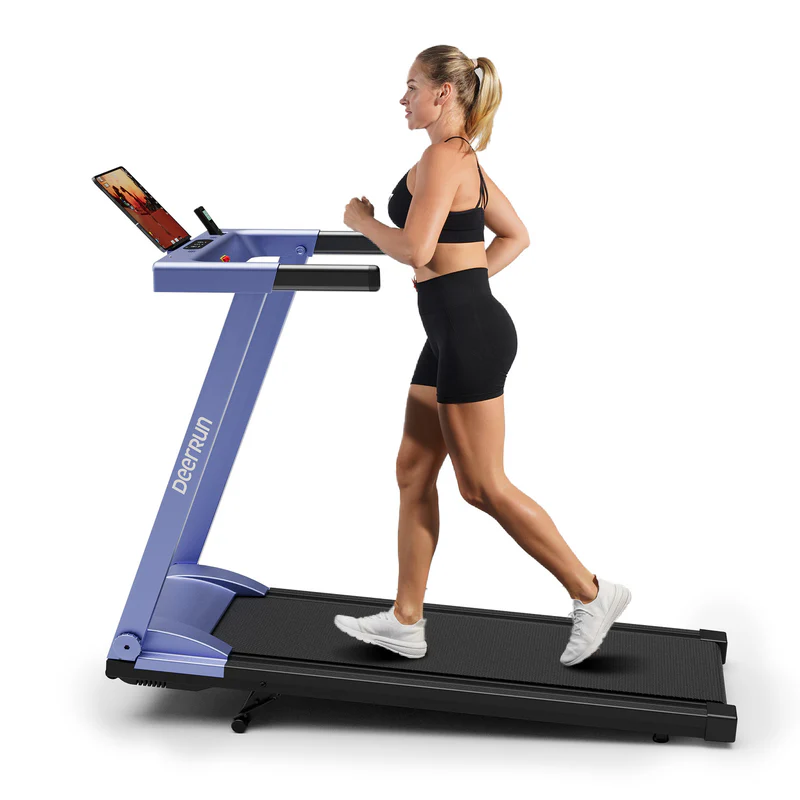
Key specs:
- Machine weight: 85 lbs
- Motor: 3.0 HP
- Speed: 0–10 mph
- Running surface: 49″ × 16″
- Incline: 6% fixed manual
- Weight capacity: 350 lbs
4. Schwinn SFT3.1 — Best Established Brand at $499
Check Price on Amazon Buy from JohnsonFitness
Schwinn has been making fitness equipment since 1898. That kind of track record matters — it means parts are available, customer service picks up the phone, and there’s decades of engineering knowledge behind the machine you’re buying.
The SFT3.1 is Schwinn’s entry-level treadmill, and it shows in a few places — the console is basic, and the 50″ × 16″ running surface, while larger than most in this category, is still on the shorter side for taller runners. But the 2.0 HP motor handles speeds up to 10 mph reliably, and two manual incline levels.
Five workout programs give you solid variety, and the SoftTrak cushioning makes it noticeably more comfortable underfoot than some of the cheaper options. At 110 lbs, it’s also lighter than most treadmills in this price range, which makes moving it around your home easier than you’d expect.
The Schwinn SFT3.1 makes sense for anyone who values brand trust and wants a machine with genuine ongoing support behind it.
What Makes the Schwinn SFT3.1 Different
Schwinn has been making fitness equipment since 1898. I bring that up because it actually matters — it means parts are available, customer service picks up the phone, and there’s over a century of engineering knowledge behind the machine you’re buying. With newer brands flooding the budget treadmill space, that kind of continuity is genuinely rare. For buyers who want peace of mind over cutting-edge specs, the brand history alone is worth paying attention to.
The SoftTrak cushioning system is also noticeably more comfortable underfoot than the bare-deck feel of some competitors at this price. Schwinn has applied cushioning technology from their higher-end machines to the SFT3.1, which means longer sessions feel more comfortable on the knees and ankles — particularly important for older users or anyone returning from injury who needs a forgiving surface.
Pros:
- Schwinn’s 127-year brand history means genuine long-term parts availability and customer support — something newer budget brands simply cannot match.
- SoftTrak cushioning system makes sessions noticeably more comfortable underfoot than competitors at this price — a real benefit for older users or anyone with joint sensitivities.
- Lighter than most machines in this category at 110 lbs — easier to move and position without assistance.
- Two-level manual incline adds basic gradient training without adding cost — keeps the machine useful beyond flat walking.
Cons:
- 1-year frame warranty is the weakest on this list — significantly less reassuring than the XTERRA TR200’s lifetime frame coverage at a similar price.
- Basic console with no backlit display — harder to read in lower light conditions compared to competitors.
Best for: First-time treadmill buyers who want a name they can trust, and anyone who values long-term brand support over cutting-edge features.
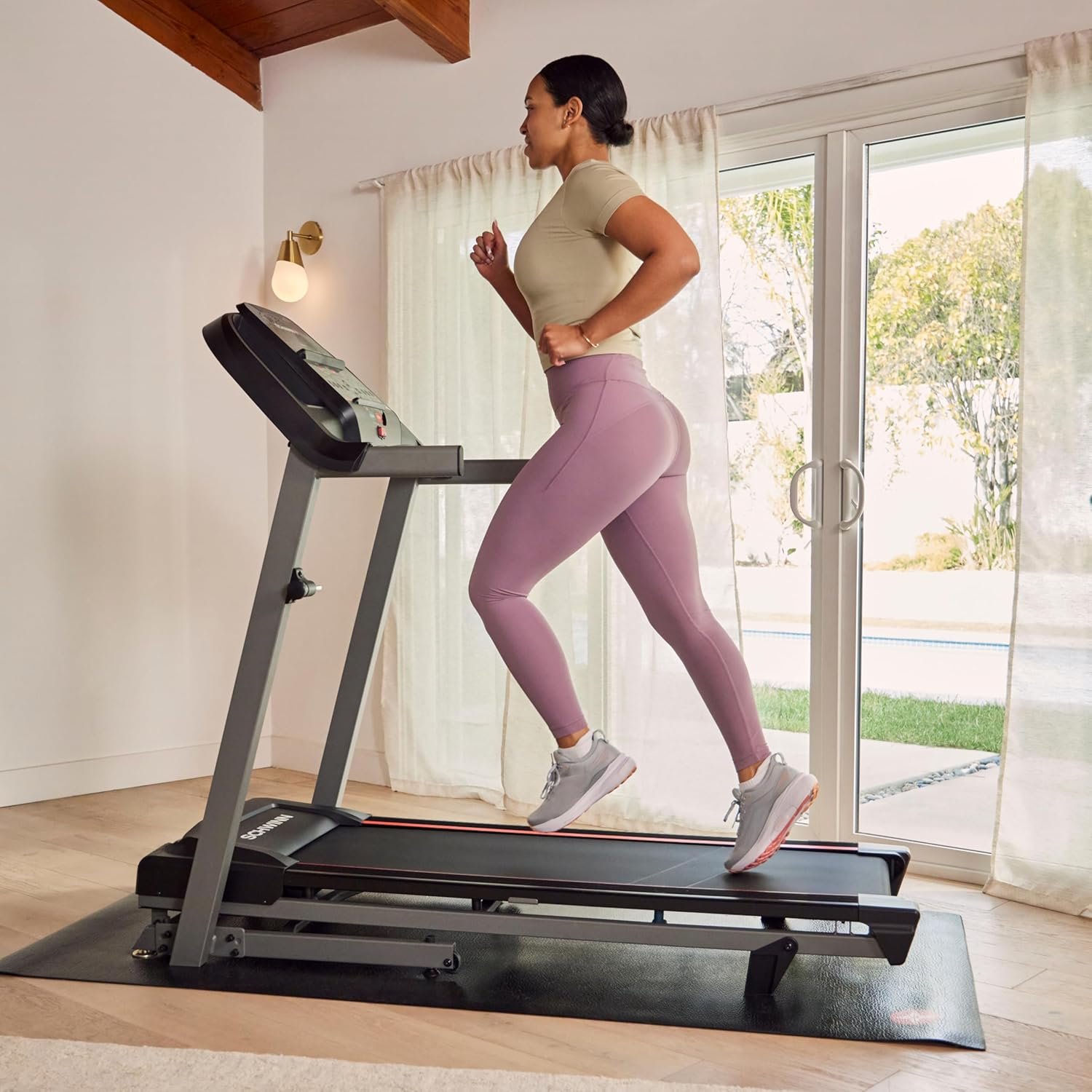
Key specs:
- Warranty: 1-year frame, 1-year motor
- Motor: 2.0 HP
- Speed: 0–10 mph
- Running surface: 50″ × 16″
- Incline: 2-level manual
- Weight capacity: 250 lbs
5. UREVO 2-in-1 Review — Best Treadmill for Small Spaces and Remote Workers
Check Price on Amazon Check Price on UREVO
If you work from home, live in a small apartment, or have genuinely limited floor space, the UREVO 2-in-1 solves a problem none of the other machines on this list do.
It has two modes. With the handlebars folded down, it functions as a walking pad that slides under a standing desk — quiet enough at under 45 decibels to use during video calls without anyone noticing. Raise the handlebars, and it becomes a proper treadmill with speeds up to 7.6 mph. Folded flat, it measures just 4.6 inches tall, which means it genuinely fits under most beds and sofas.
I want to be clear about what this machine is not. It’s not for running. The 42.52″ x 16.54″ belt is too short for any real running stride, and the 265-pound weight limit is lower than everything else on this list. But that’s not what it’s designed for.
What it does brilliantly is solve the problem of staying active when you’re chained to a desk all day. Walking at 2–3 mph for a couple of hours while you work adds up to thousands of extra steps without you having to find dedicated workout time. At $399, it’s also the most affordable machine on this entire list.
The remote control is magnetic and clips neatly to the machine when not in use — a small detail that shows some thought went into the design.
What Makes the UREVO 2-in-1 Different
No other machine on this list operates under a standing desk. That is the UREVO’s entire reason for existing, and it executes that purpose better than most under-desk options at any price. The under-45-decibel noise level means you can genuinely use it during video calls — not just walking breaks between calls, but during live meetings. At 45 dB, it’s quieter than a typical conversation, quieter than most household fans, and far quieter than any traditional treadmill running at even the lowest speed.
The magnetic remote control that clips to the machine is a detail that shows genuine product thinking. When you’re walking under a desk with your hands on a keyboard, you cannot reach down to adjust speed on a console. The magnetic remote clips within arm’s reach and lets you change speed without breaking your typing rhythm or losing your place in a document. It’s a small feature that makes a real difference to daily usability for remote workers.
Pros:
- Under 45 dB noise level makes it the only machine on this list quiet enough to use during live video calls without the other person hearing it.
- Folds to just 4.6 inches tall — the flattest fold of any machine on this list, making it genuinely storable under most standard beds and sofas.
- Magnetic remote control clips within reach while working, letting you adjust speed without stopping typing or breaking workflow.
- 9% auto incline in running mode adds calorie-burning gradient without any manual adjustment — the highest auto incline of any machine under $400 on this list.
- Most affordable machine on the list at $299 — the only option here under $350.
Cons:
- Not suitable for running — the 42.52″ belt is too short for any running stride, and top speed of 7.6 mph is the upper limit for a brisk jog only.
- 265 lb weight capacity is the second-lowest on this list — users close to that limit should choose the DeerRun A1 Pro instead.
Best for: Remote workers, apartment dwellers with very limited space, anyone wanting to add movement to a sedentary work-from-home day.
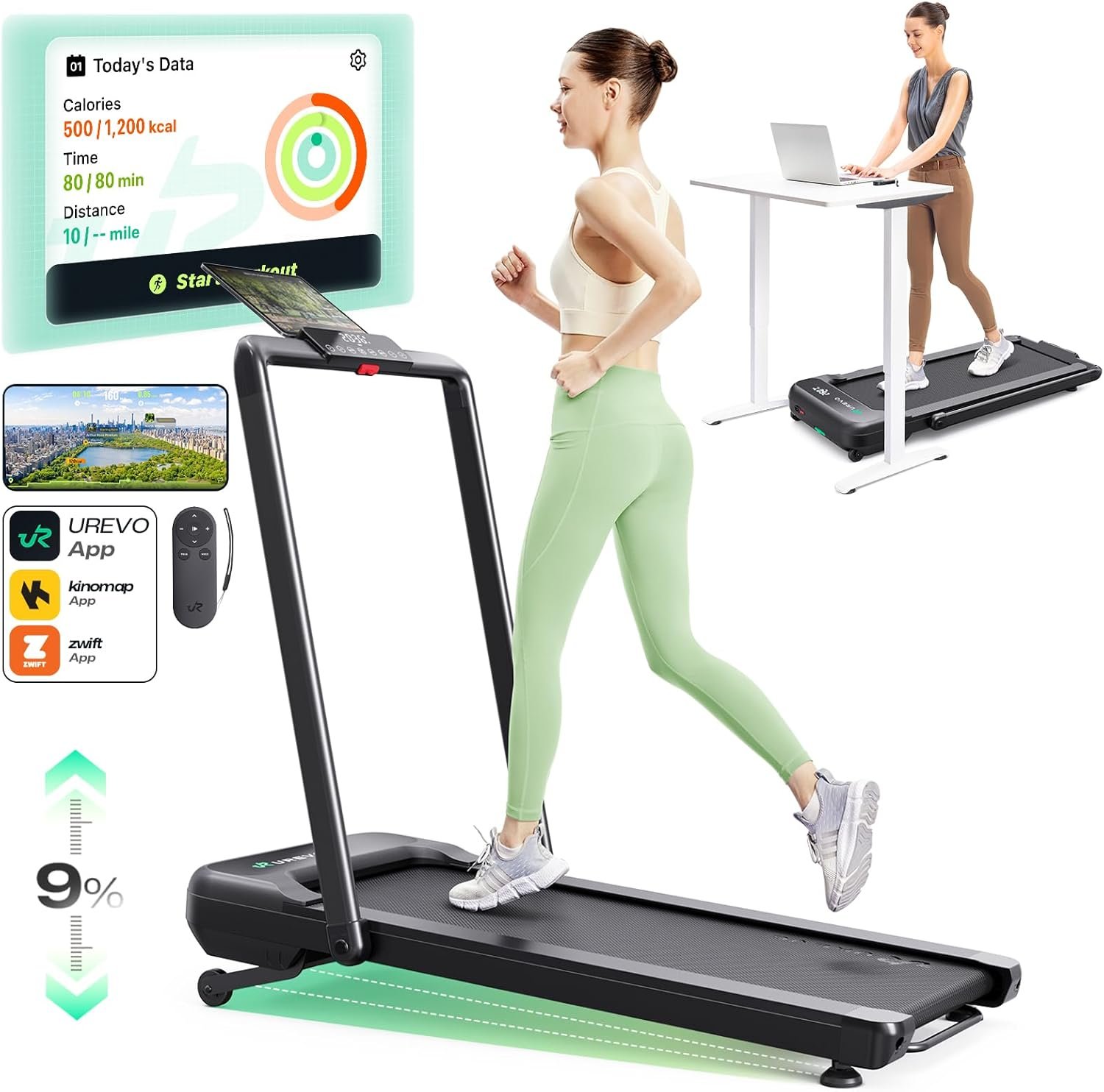
Key specs:
- Noise level: under 45 dB
- Motor: 2.25–2.5 HP
- Walking mode: 0.6–4 mph (under desk)
- Running mode: 0.6–7.6 mph (handlebars up)
- 9% adjustable auto incline
- Running surface: 42.52″ x 16.54″
- Weight capacity: 265 lbs
- Folded height: 4.6 inches
6. Horizon T101 — Best Features if You Can Stretch the Budget
Check Price on Amazon | Buy from Horizon
The T101 is listed at $549, which puts it slightly over our threshold. But Horizon runs sales regularly, and it dips under $500 often enough that it earns a place here. If you see it at or below $500, buy it without hesitation.
Here’s why: the T101 has a lifetime warranty on both the frame and the motor. I’ve already mentioned that a lifetime frame warranty is the gold standard — the T101 gives you both. At any price under $600, that’s exceptional.
Beyond the warranty, the running surface at 55″ × 20″ is one of the most generous you’ll find in this category, giving taller runners the room they need to stride out properly. Automatic incline up to 10%, Bluetooth connectivity, a USB charging port, and a built-in fan are all features that usually come on machines costing $200–$300 more.
The 2.5 HP motor is slightly weaker than the DeerRun A1 Pro, but for regular walking and jogging it performs smoothly and quietly. If you plan to use your treadmill daily and want one of the best affordable treadmills in 2026 that will genuinely last for years, the T101 justifies every penny of its price.
What Makes the Horizon T101 Different
The T101 is the only machine on this list with a lifetime warranty on both the frame and the motor. Every other machine offers a lifetime frame warranty or a 1-year motor warranty — not both. A lifetime motor warranty from Horizon means they’re backing the most expensive component to replace, indefinitely. That is a meaningful statement about the engineering quality of the motor, and it translates directly into long-term ownership confidence that no other machine under $600 on this list can match.
The 55″ × 20″ running surface is also the largest on this entire list — 5 inches longer and 4 inches wider than most competitors here. That extra width is significant for taller runners or anyone with a wider natural gait. At 20 inches wide, the T101 belt approaches the dimensions of commercial gym treadmills, where 20-inch width is considered standard. For anyone who has ever felt cramped on a budget treadmill and unconsciously adjusted their stride to stay on the belt, the T101’s surface eliminates that problem entirely.
Pros:
- Lifetime warranty on both frame AND motor — the only machine on this list with full lifetime coverage on both critical components.
- 55″ × 20″ running surface is the largest on this list — approaches commercial gym dimensions and gives taller runners genuine room to stride out naturally.
- Automatic 10% incline means you can change gradient mid-workout without stopping — a feature that usually costs $200–$300 more elsewhere.
- Bluetooth connectivity, USB charging port, and built-in fan are all premium features that make this machine feel significantly above its price point.
- No subscription required — automatic incline and Bluetooth work out of the box with no ongoing fees.
Cons:
- Listed at $549 full price — requires catching a sale or Amazon price drop to sit genuinely under $500; worth monitoring before buying.
- Heavier than most machines on this list — plan its permanent location before delivery as repositioning is difficult alone.
Best for: Daily users, taller runners who need more deck space, anyone who wants premium features and long-term reliability without spending $800+.
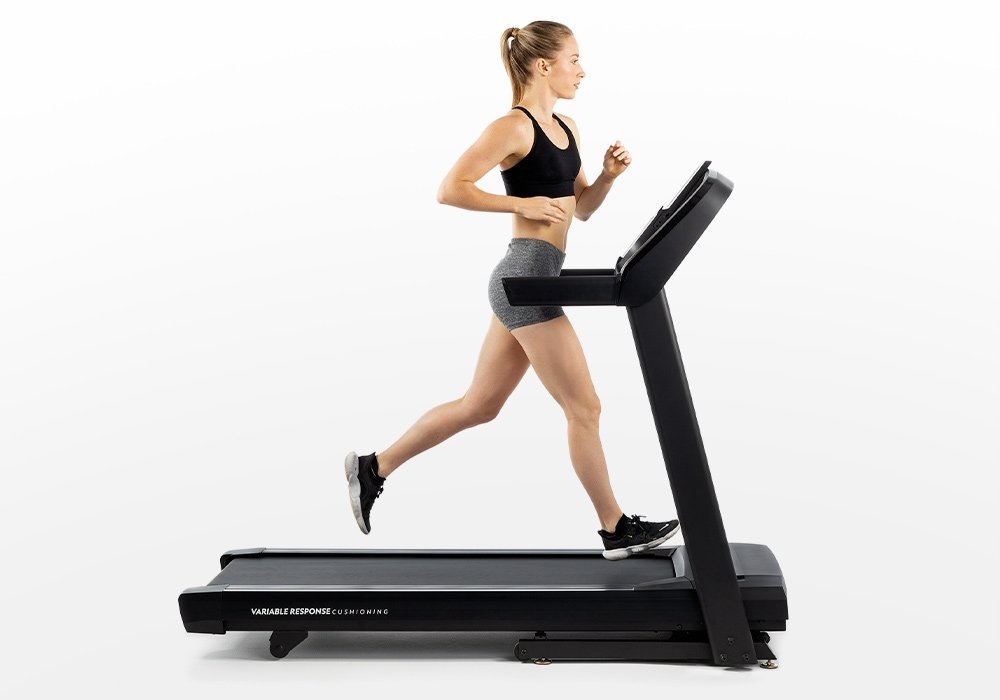
Key specs:
- Warranty: Lifetime frame, lifetime motor
- Motor: 2.5 HP (lifetime warranty)
- Speed: 0.5–10 mph
- Running surface: 55″ × 20″
- Incline: 0–10% automatic
- Weight capacity: 275 lbs
- Extras: Bluetooth, USB charging, built-in fan
7. WalkingPad C2 — Best for Apartments and Ultra-Compact Living
Check Price on Amazon Check Price on WalkingPad
Like the Horizon T101, the WalkingPad C2 sits above $500 at full price — but it appears under that threshold regularly enough, especially on Amazon, that it belongs here.
The C2 isn’t a traditional treadmill and doesn’t pretend to be. It’s a walking-only machine with a top speed of 3.7 mph, designed purely around one goal: giving apartment dwellers and small-space users a way to stay active without a full-size treadmill taking over their living room.
When folded, the C2 measures just 5.5 inches tall. It weighs only 55 lbs, which means even a small person can carry it from room to room without help. The brushless motor is genuinely whisper-quiet — real whisper-quiet, not marketing whisper-quiet. Upstairs neighbours won’t hear it. The person in the next room won’t hear it.
Build quality is excellent for the price. The C2 doesn’t feel cheap or flimsy — it feels like a machine made by people who actually thought about what apartment living requires.
If you know you only want to walk, don’t need speed, and have limited space, the C2 is the most elegant solution on this list.
What Makes the WalkingPad C2 Different
The WalkingPad C2 has a brushless motor — the only machine on this list to use one. Brushless motors run significantly quieter than brushed motors, generate less heat, require zero maintenance, and last considerably longer under consistent daily use. Every other machine on this list uses a brushed motor that requires periodic lubrication and produces more mechanical noise. For apartment dwellers where noise is the primary concern, the brushless motor is the defining technical reason the C2 delivers on its near-silent promise when other “quiet” treadmills don’t.
The build quality is also notably above what the price suggests. The C2 does not flex or creak under body weight the way many budget walking pads do. The folding hinge feels precise and solid. The walking surface has genuine grip. WalkingPad has been one of the most consistently reliable brands in the compact treadmill category, and the C2 represents the quality floor of what that brand produces — which is still meaningfully better than most alternatives at the same price.
Pros:
- Brushless motor is the only one of its kind on this list — runs quieter, lasts longer, and requires zero lubrication maintenance compared to every other machine here.
- Folds to 5.5 inches tall and weighs just 55 lbs — genuinely portable and storable by a single person without assistance.
- Build quality is noticeably above what the price suggests — no flex, no creak, solid hinge mechanism that feels durable under daily use.
- Near-silent operation in real-world use — upstairs neighbours and people in the next room will not hear it running at walking pace.
Cons:
- Walking only — top speed of 3.7 mph means this machine is not suitable for jogging or running under any circumstances.
- Listed at $599 — requires a sale or Amazon price drop to come under $500; check current pricing before purchasing.
Best for: Apartment dwellers, anyone in shared housing who needs near-silent operation, people who want a dedicated walking machine that doesn’t compromise on space.
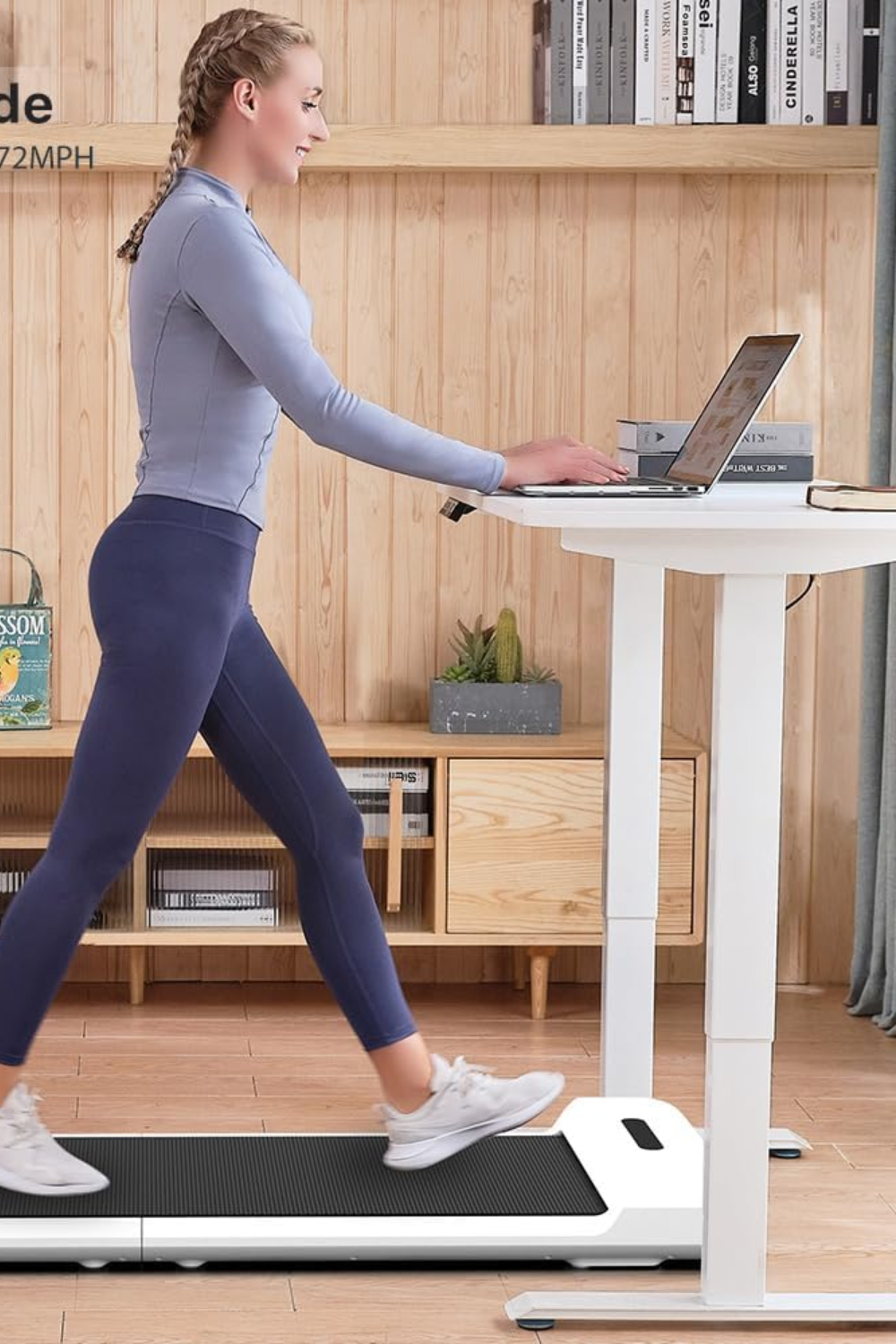
Key specs:
- Machine weight: 55 lbs
- Motor: 1.0 HP brushless
- Speed: 0.5–3.7 mph
- Running surface: 47.2″ × 15.8″
- Weight capacity: 220 lbs
- Folded height: 5.5 inches
Which Affordable Treadmill Should You Actually Buy in 2026?
Here’s the honest summary:
On a tight budget and just want something reliable: Sunny SF-T4400 at $399. Simple, proven, does the job.
Want the best long-term value under $450: XTERRA TR200. That lifetime frame warranty is hard to beat.
Heavier user or wants real running capability: DeerRun A1 Pro. The 3.0 HP motor and 350-pound capacity make it the standout for power users.
Want a trusted brand name: Schwinn SFT3.1. Nearly 130 years in the business doesn’t lie.
Work from home or tight on space: UREVO 2-in-1 at $299. Nothing else on this list folds that flat or works under a desk.
Best overall if you can stretch the budget or catch a sale: Horizon T101. Lifetime warranties on both frame and motor, automatic incline, Bluetooth — it outperforms machines that cost twice as much.
Apartment dweller who only needs to walk: WalkingPad C2. Quiet, compact, exceptionally well-built.
Sunny SF-T4400 vs XTERRA TR200 — Which Budget Treadmill Should You Buy?
These two machines appear on almost every budget treadmill list for good reason — they’re the two most consistently reliable options under $450. But they’re not the same machine, and choosing the wrong one for your situation is an easy mistake to make.
Choose the Sunny SF-T4400 if: space is your primary concern. Its folded footprint is smaller than the TR200’s, and the hydraulic soft-drop system makes daily fold and unfold easier and safer. If you live in a small apartment, fold the machine after every session, and primarily walk rather than jog, the Sunny does everything you need at a lower price. It’s the right starting machine if you’re not yet sure how often you’ll actually use it.
Choose the XTERRA TR200 if: you weigh more than 200 lbs, plan to use the machine daily, or want the strongest possible warranty at this price. The 250 lb weight capacity gives you 30 lbs more headroom than the Sunny’s 220 lb limit. The lifetime frame warranty is significantly stronger than Sunny’s 3-year frame coverage. And the slightly larger 50″ × 16″ belt is more comfortable for walkers of average to above-average height. For most people comparing these two machines directly, the TR200 is the better long-term investment — the lifetime warranty alone justifies the small price difference.
The one situation where the Sunny wins outright: you weigh under 180 lbs, primarily walk rather than jog, fold the machine daily, and want to spend as little as possible. In that specific scenario, the SF-T4400 does exactly what you need at a lower price and the XTERRA’s advantages don’t really apply. But if you’re heavier, run regularly, or plan to use it daily for years — go with the TR200 and don’t look back.
5 Mistakes People Make When Buying a Budget Treadmill
After helping over 1,000 people choose fitness equipment, these are the mistakes I see most often in this price category — and they’re all avoidable.
1. Buying at your exact weight capacity. If the machine is rated for 250 lbs and you weigh 245 lbs, you’re running that motor and frame at 98% of its maximum load every single session. Motors run hotter, belts wear faster, and frames fatigue more quickly under sustained maximum load. Always choose a machine rated at least 30–40 lbs above your body weight. This single decision has more impact on how long your treadmill lasts than any other factor.
2. Trusting peak HP over continuous HP. Manufacturers advertise peak horsepower because it sounds impressive — but peak HP is the maximum the motor can hit for a fraction of a second under ideal conditions. What actually matters for daily walking and running is continuous HP, which is typically 30–40% lower than the peak figure. A “2.5 HP” motor in a budget treadmill ad is often 1.5–1.8 HP continuous. Always check which figure is being quoted before comparing motors across machines.
3. Ignoring belt length for your height. A 49-inch belt works fine for walkers and joggers up to about 5’10”. If you’re taller than that and plan to run at speeds above 6 mph, your natural stride will exceed the belt length and you’ll unconsciously shorten your step to stay on the machine. Over time this creates an unnatural gait pattern. If you’re over 6′ tall and want to run, look for a minimum 55-inch belt — the Horizon T101 is the only machine on this list that meets that threshold.
4. Underestimating how often you’ll actually use it. The most common regret I hear is “I bought the cheapest one because I wasn’t sure I’d use it, and now I use it every day and wish I’d spent a bit more.” If you genuinely aren’t sure, start with the Sunny SF-T4400 — it’s the right entry machine. But if you already walk or run regularly and this is replacing an existing habit, buy the Horizon T101 and get the lifetime warranties. The price difference over five years of daily use is nothing.
5. Forgetting to account for noise in your building. Treadmills vibrate. And vibration travels through floors faster than sound travels through air. In an apartment building, a treadmill that sounds quiet to you can be clearly audible one floor down — even at walking pace. If you live above other people, prioritise machines with good cushioning and brushless motors. The WalkingPad C2 is the best option on this list for genuine noise isolation. And regardless of which machine you choose, a treadmill mat underneath reduces vibration transmission by 30–40% and is the cheapest upgrade you can make.
How Loud Are Budget Treadmills in Real Environments?
Decibel numbers in product listings are almost meaningless without context. Here’s what the noise levels on these machines actually translate to in real life — because this matters a lot more than most people realise before they buy.
The WalkingPad C2 and UREVO 2-in-1 both run at under 45 dB at walking pace. To put that in real terms — that’s quieter than a normal conversation, quieter than a household fan on medium, and quiet enough to hold a video call while the machine is running. You can genuinely use these during working hours in a shared apartment without anyone noticing — including the person in the room next door.
The Sunny SF-T4400, XTERRA TR200, and Schwinn SFT3.1 run at roughly 55–65 dB at jogging pace — about the same as a normal conversation at close range, or a TV at moderate volume. You can comfortably watch something or listen to a podcast alongside them. They’re not machines you’d use during a video call, and people in the next room will know you’re exercising. But they’re perfectly fine for normal household use.
The DeerRun A1 Pro and Horizon T101 produce more noise under load, particularly the DeerRun at running speeds. At 8–10 mph with a 3.0 HP motor working hard, you’re looking at 65–70 dB — similar to a vacuum cleaner at a few metres away. Completely manageable in a house. Worth thinking about carefully if you’re in an apartment building with shared floors and neighbours directly below you.
One thing that makes a real difference regardless of which machine you choose: a treadmill mat underneath reduces vibration transmission to the floor by 30–40%. If you live above other people, a $30–$50 mat is genuinely one of the best investments you can make alongside whichever treadmill you buy. Learn more about how your muscles engage differently on a treadmill depending on speed and incline — it helps you choose the right settings for your goals.
Frequently Asked Questions
Are treadmills under $500 any good?
Some genuinely are. The three to four machines worth buying in this price range come from established brands with decent warranties and honest specs. The ones to avoid are the generic no-name machines flooding Amazon with impressive-sounding specs and zero track record. Stick to the brands on this list.
What is a good motor size for a treadmill under $500?
For walking, 2.0–2.25 HP is sufficient. For jogging, aim for 2.5 HP minimum. If you want to run regularly, the DeerRun A1 Pro’s 3.0 HP motor is your only real option in this price range.
Can I run on a treadmill under $500?
Light to moderate running, yes — particularly on the DeerRun A1 Pro and XTERRA TR200. Heavy daily running at a sustained pace will wear out a sub-$500 machine faster than expected. If running is your primary goal, consider saving for a $700–$1,000 machine for better longevity.
Which treadmill under $500 is best for small spaces?
The UREVO 2-in-1 folds to 4.6 inches tall and slides under most beds. The WalkingPad C2 folds to 5.5 inches. Both are purpose-built for small apartments and home offices.
Is the Horizon T101 really worth waiting for a sale?
Yes. The combination of lifetime frame and motor warranties, automatic incline, and large running surface is genuinely exceptional. If you catch it at or under $500, it’s the best value on this entire list.
Do any of these treadmills need a subscription?
No. Every machine on this list works without a paid subscription. The UREVO has an optional app, but you don’t need it. This is a meaningful difference from Peloton and NordicTrack machines that lock most features behind a monthly fee.
What weight capacity do I need?
Always choose a machine rated at least 30–40 lbs above your own weight. The closer you run to the maximum capacity, the harder the motor and framework work, shortening the machine’s lifespan.
myactivetribe.com is supported by its readers. When you purchase through links on our site, we may earn an affiliate commission. This does not affect which products we recommend.