A home elliptical machine is one of the most genuinely joint-friendly ways to get a full-body cardio workout without leaving your house — but “elliptical” actually covers five meaningfully different machine types, and picking the wrong one for your space or goals is a common, avoidable mistake. I’m AnilKK, an INFS-certified nutrition and fitness coach with 24 years of training experience, and this guide walks through what an elliptical actually does, the real types available, and exactly what to look for before you buy — with links to our in-depth picks for whichever type fits your situation.
Quick Answer
A standard elliptical is the right choice for most people wanting a genuine full-body, low-impact cardio workout. If space or working from home is your priority, an under-desk elliptical is far more practical. If you’re recovering from an injury or supporting significant body weight comfortably, a recumbent elliptical or cross trainer is worth prioritizing over a standard upright model.
Table of Contents
What Is a Home Elliptical Machine?
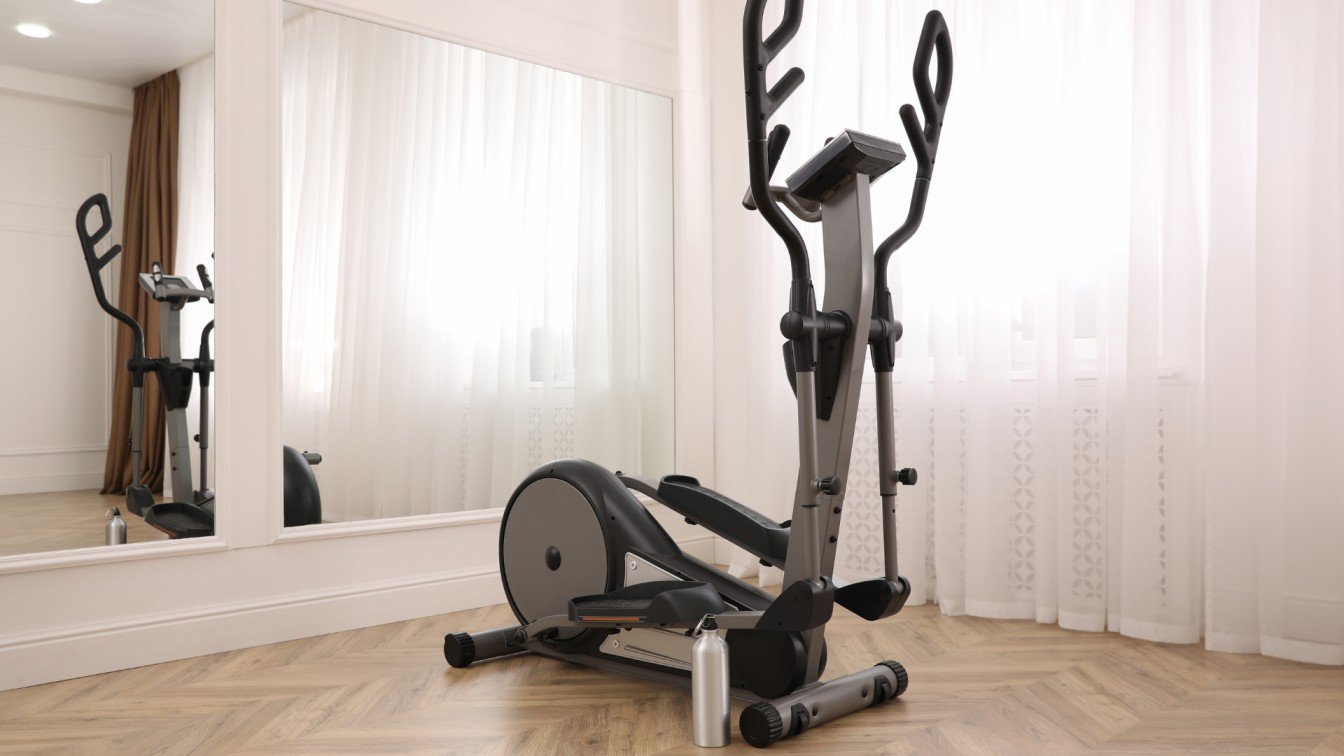
An elliptical machine is a low-impact cardio exercise machine that moves your legs through an elliptical (oval) motion pattern while your feet stay in continuous contact with the pedals — unlike running or walking, there’s no repeated foot-strike impact on your joints. Most models also include moving handlebars, turning the workout into a full-body exercise that engages your arms and core alongside your legs.
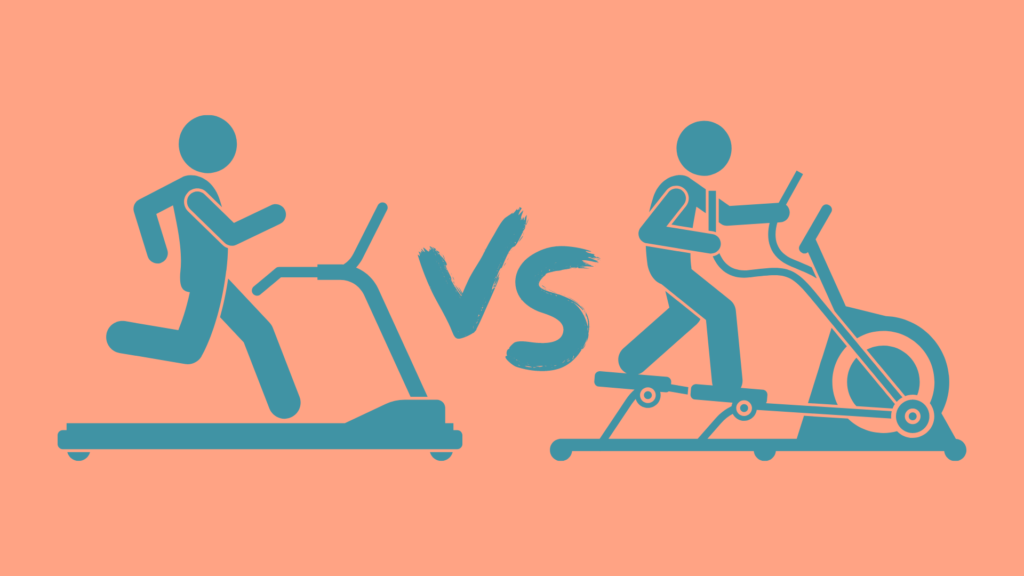
Ellipticals typically offer adjustable resistance levels, and many include incline settings and preset workout programs. If you’re weighing an elliptical specifically against a treadmill for your space, our treadmills vs. ellipticals comparison covers how the two formats differ in impact, calorie burn, and footprint.
Real Benefits of Elliptical Training
The core benefit is genuine and well-established: ellipticals deliver an effective cardiovascular workout with essentially zero impact on your joints, which is exactly why doctors commonly recommend them for people managing knee pain, recovering from injury, or easing back into exercise after time off. The moving handlebars also mean you’re working your upper body simultaneously, not just your legs — a real advantage over treadmills and stationary bikes.
The mood benefits are also real, though worth stating accurately rather than overstating. Mayo Clinic notes that research on depression and exercise shows physical activity can genuinely help ease symptoms of depression and anxiety, partly through the release of endorphins, though the exact mechanisms aren’t fully understood. If you’re managing a diagnosed mental health condition, exercise is a valuable complement to proper care, not a replacement for it — talk to your doctor about what fits your specific situation.
Types of Elliptical Machines
Before comparing specific models, it helps to know there isn’t just one kind of “elliptical.” Here are the five real categories you’ll encounter.
Standard Ellipticals
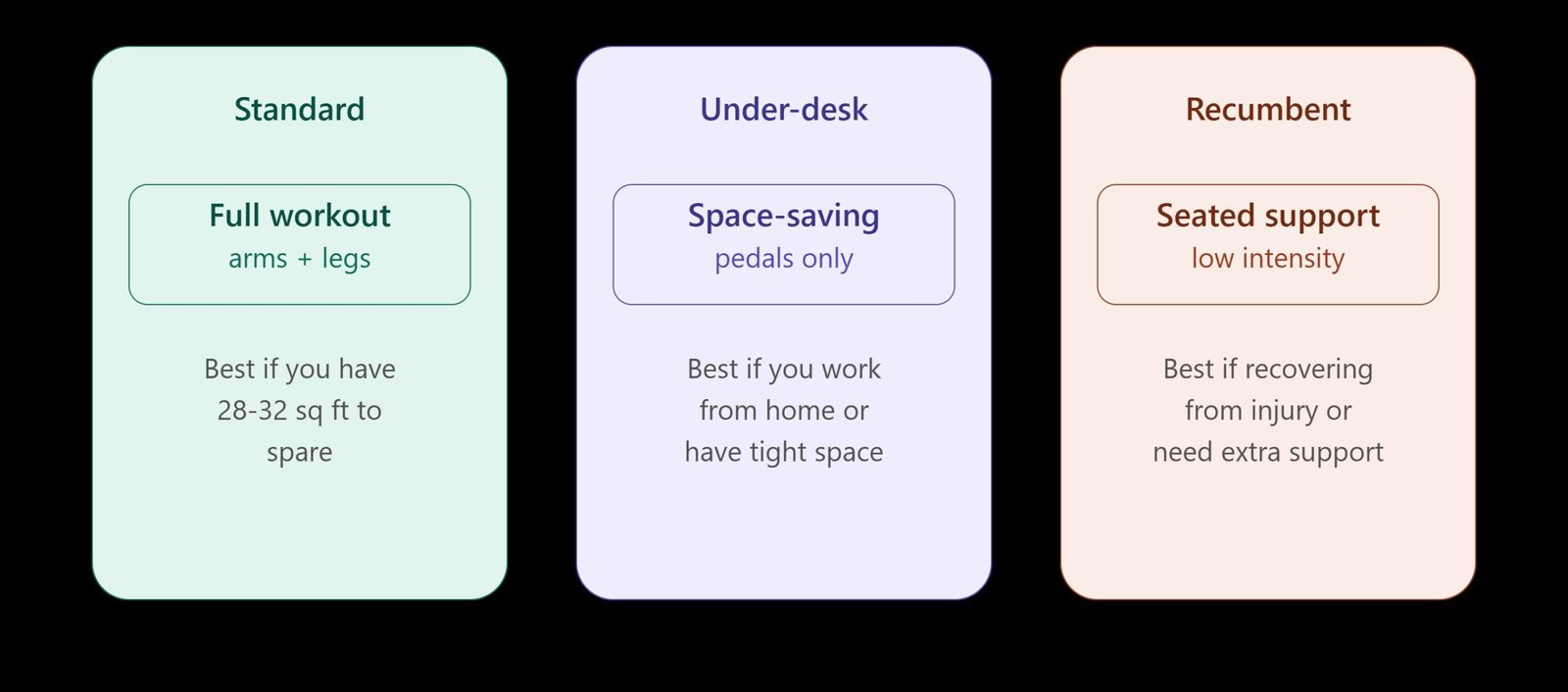
The familiar gym-style elliptical: swinging arm handlebars for upper-body engagement, a full elliptical stride, a console, and a sturdy standing base. This is the right default choice for most people who want the complete, genuine full-body workout an elliptical is known for.
Under-Desk Ellipticals
Compact, portable, and significantly more affordable than standard ellipticals, these come with just the pedals — no arms or console — specifically so they fit under a desk while you work. Our under-desk ellipticals guide covers our top picks for this category in depth.
Elliptical Cross Trainer
Visually closer to a stationary bike at first glance, but it delivers the same core elliptical benefits with some genuine bonuses — most cross trainers let you work out from a seated or reclined position, offering more comprehensive full-body training than a standard model.
Elliptical Glider
The simplest, lowest-impact type. There’s no flywheel — the pedals move on a swinging glider mechanism instead of a circular track, and your feet stay fixed in place, which reduces strain on your ankles, hips, and knees even further. This also makes gliders more compact than flywheel-based ellipticals.
Recumbent Elliptical
Designed for a seated position, where the seat — not your legs — supports most of your body weight. This delivers a genuinely less intense workout, but it’s the best option for people recovering from joint injuries or surgery, or anyone who struggles to support their own body weight comfortably during exercise. Our best recumbent cross trainers guide covers our top picks in this category.
Drive Type: Front, Center, or Rear
Beyond the type of elliptical, the flywheel’s location — front, center, or rear — genuinely changes how the workout feels, even though all three deliver similar overall results.
Front-drive: the flywheel sits at the front of the machine, creating a sensation similar to climbing a stair machine — you’ll feel a slight forward lean. Center-drive: the flywheel sits between the pedals, giving a more upright, balanced feel; this is less common in home gyms and more typical of commercial machines. Rear-drive: one of the oldest designs, with the flywheel at the back and pedals suspended on longer arms — this typically delivers the longest, most natural stride, though the machine itself takes up more floor space.
What to Look For When Buying
Stride length. This should match your height — a cramped stride is uncomfortable regardless of how good the machine’s other specs are. Shorter individuals generally do best with a 16-18 inch stride, while taller users should look for 20 inches or more.
Resistance and incline. More resistance levels give you room to progress as your fitness improves, and incline adjustment adds genuine workout variety without needing a different machine.
Durability and weight capacity. This matters more than most buyers realize — a machine built with lighter materials to hit a lower price point often won’t hold up to regular long-term use. If you need a higher weight capacity specifically, our ellipticals for heavy people guide covers models genuinely built for that.
Warranty. Terms vary significantly between manufacturers — check frame, parts, and labor coverage separately before buying, the same way you would for a treadmill.
Connectivity. If you want access to trainer-led classes or app-based tracking, confirm the specific model supports smartphone syncing before you buy, since this varies a lot even within the same price tier.
Which Elliptical Is Right for You?
If you want the complete, standard full-body workout and have the floor space, a front or rear-drive standard elliptical is the right default. If space or working from home is your priority, go straight to our under-desk picks. If you’re managing joint pain, recovering from surgery, or need a higher weight capacity, a recumbent model or our heavy-person-specific guide will serve you better than a standard machine.
If you want the versatility of an elliptical motion combined with actual treadmill-style training in one machine, our treadmill-elliptical combo guide covers hybrid machines built for exactly that. Whatever type fits your situation, the CDC notes that consistent regular physical activity, more than any single machine choice, is what actually drives long-term health benefits — so prioritize the type you’ll genuinely keep using.
Related reading: Recumbent, Exercise or Air Bike
Frequently Asked Questions
Is an elliptical machine good for beginners?
Yes, ellipticals are genuinely beginner-friendly since the motion is intuitive and low-impact, with adjustable resistance letting you start easy and progress gradually. The continuous foot-pedal contact also makes it harder to lose your balance compared to running.
What’s the difference between an elliptical and a cross trainer?
The terms are often used interchangeably, but “cross trainer” more specifically refers to models that let you work out from a seated or reclined position, delivering more comprehensive full-body engagement than a standard standing elliptical.
Which elliptical drive type is best: front, center, or rear?
None is objectively best — they suit different priorities. Front-drive gives a stair-climber-like feel in a smaller footprint, rear-drive gives the longest and most natural stride but takes more space, and center-drive gives the most balanced, upright feel but is less common in home gyms.
How much space does a home elliptical need?
Standard ellipticals typically need a dedicated floor footprint of roughly 28-32 square feet. Under-desk models need only enough clearance to pedal beneath a desk, making them the practical choice for tight spaces.
Is a recumbent elliptical as effective as a standard one?
It delivers a genuinely less intense workout since the seat supports most of your body weight rather than your legs. That said, it’s the better choice specifically for anyone recovering from joint injury or surgery, where a lower-intensity, seated option matters more than maximum calorie burn.
What stride length should I look for?
Match it to your height: shorter individuals generally do best with a 16-18 inch stride, while taller users should look for 20 inches or more. A stride that’s too short for your height feels cramped and unnatural regardless of the machine’s other features.
Are under-desk ellipticals actually effective exercise?
Yes, for what they’re designed to do — providing continuous, low-intensity movement during a workday rather than replacing a dedicated workout. They’re most valuable for offsetting sedentary time, not as a substitute for a full standard elliptical session.
Is an elliptical or treadmill better for joint pain?
An elliptical is generally the better choice for existing joint pain, since your feet stay in continuous contact with the pedals with no repeated impact, unlike walking or running on a treadmill. Our treadmills vs. ellipticals comparison covers this tradeoff in more detail.
Affiliate Disclosure: myactivetribe.com is supported by its readers. When you purchase through links on our site, we may earn an affiliate commission at no additional cost to you.