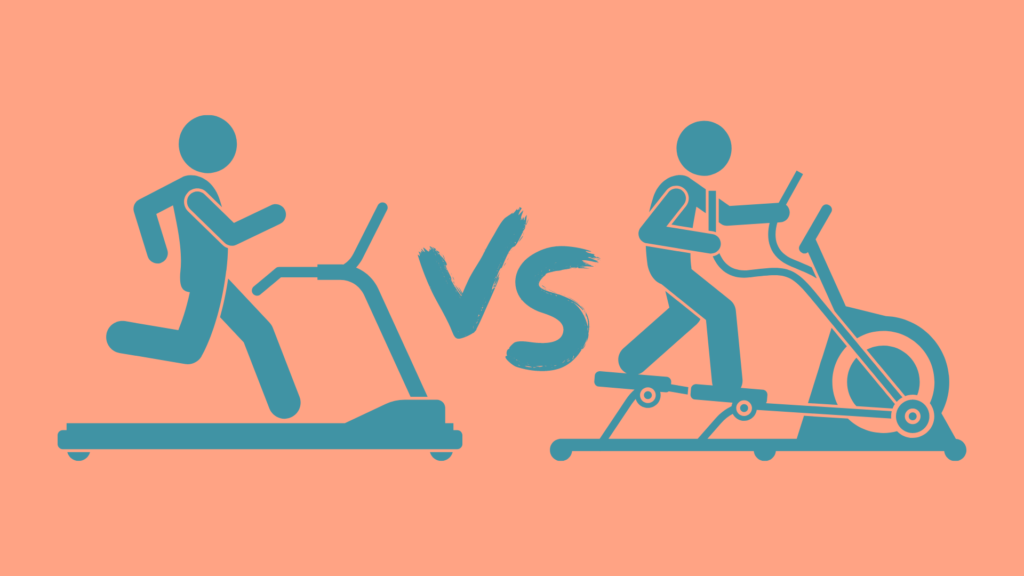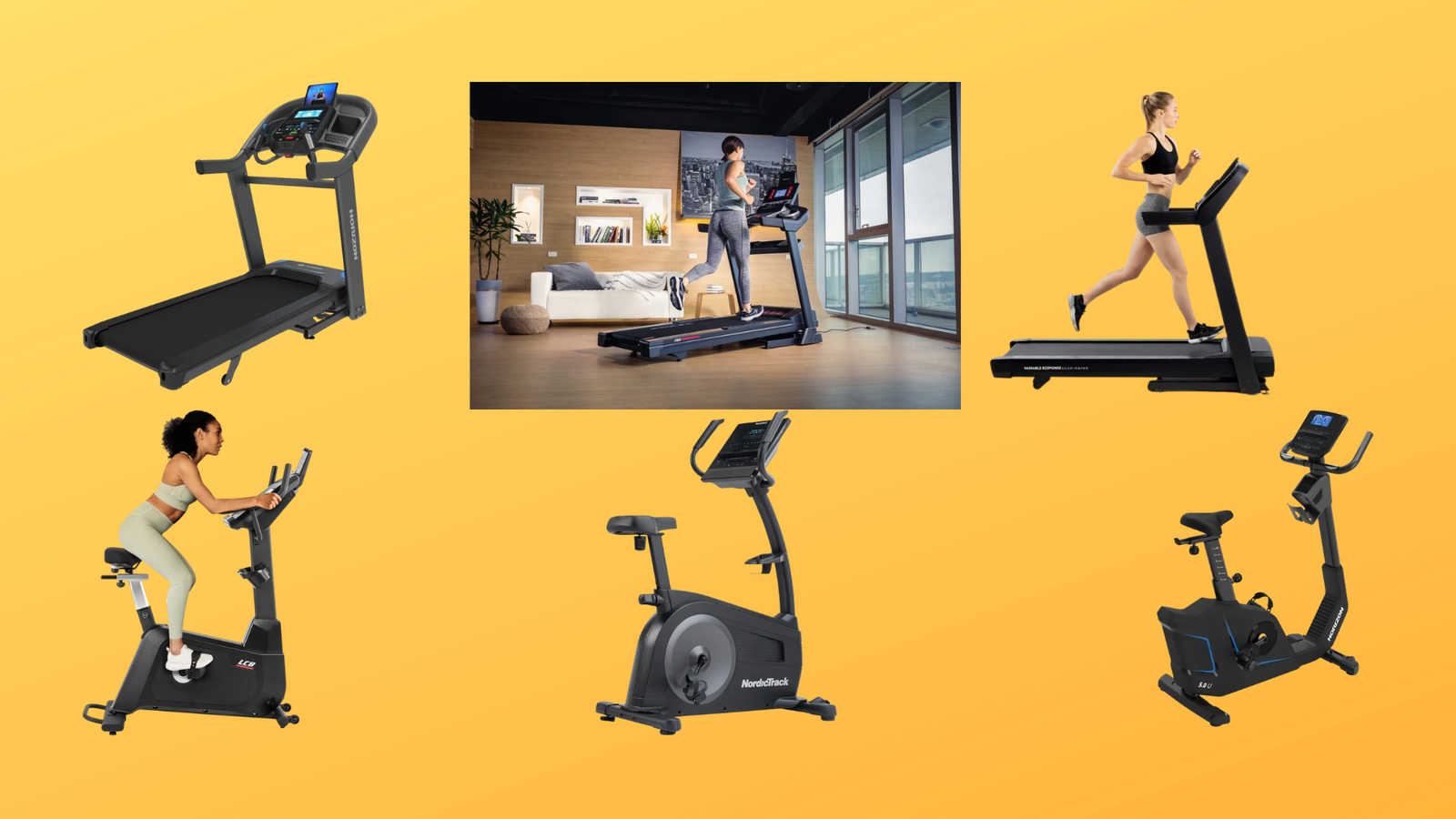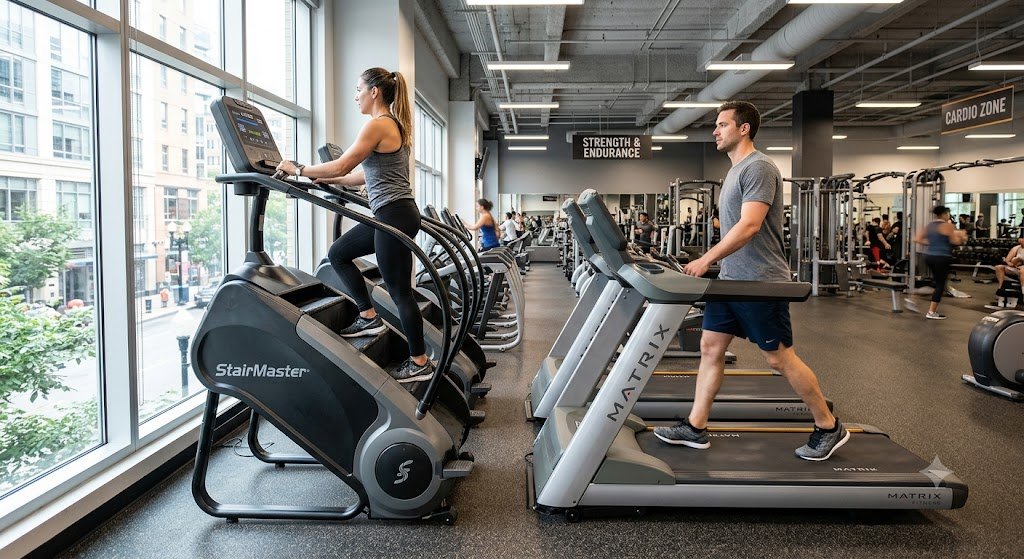
The StairMaster or treadmill debate comes down to one real trade-off: the StairMaster burns calories more efficiently per minute at moderate effort and is gentler on your joints, while the treadmill offers more variety and a lower learning curve. I’m AnilKK, an INFS-certified nutrition and fitness coach with 24 years of running experience, and I’ve coached clients through both machines for cardio and weight management goals.
Neither machine is objectively “better” in every case — the right pick depends on your joints, your goals, and which one you’ll actually use consistently. Here’s exactly how they compare.
Quick Answer: Choose the StairMaster if you want lower joint impact and a more efficient calorie burn at moderate intensity. Choose the treadmill if you want more workout variety, an easier learning curve, and the option to run outdoors-style at higher speeds. Both deliver comparable cardiovascular benefits over time.
Table of Contents
StairMaster vs Treadmill: Quick Comparison
| Factor | StairMaster | Treadmill |
|---|---|---|
| Calorie Burn (max effort) | ~15 cal/min | ~17 cal/min |
| Joint Impact | Lower — no heel-strike “thud” | Higher, especially running |
| Primary Muscles | Glutes, hamstrings, quads, calves | Quads, calves, some core/balance |
| Learning Curve | Moderate, especially without handrails | Low — just walk |
| Workout Variety | Limited to speed/resistance changes | Walk, jog, run, sprint, incline |
| Beginner Friendly | Yes, at low speed | Yes, easiest entry point |
StairMaster: Pros and Cons
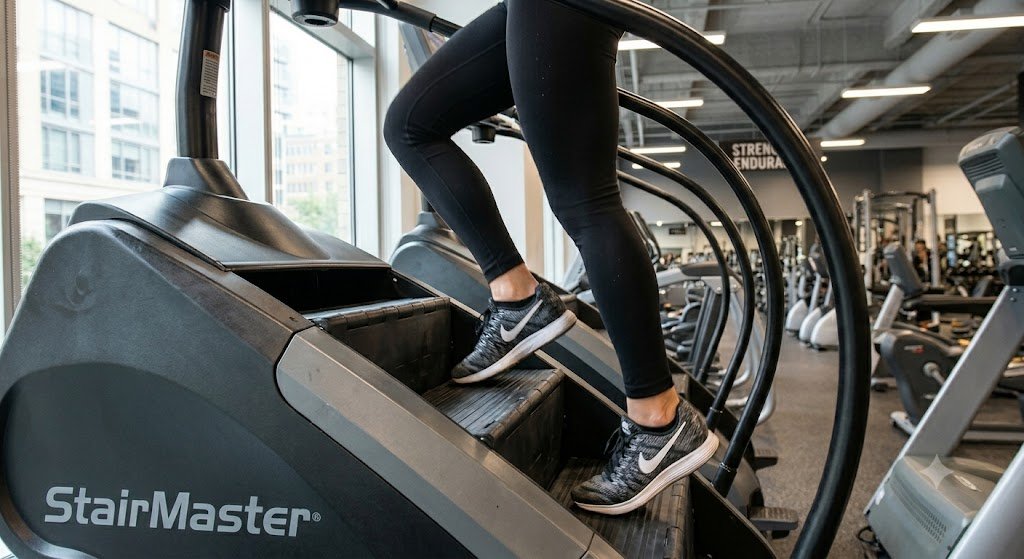
Pros of the StairMaster
- It keeps your heart rate elevated even at lower speeds, since you’re constantly working against gravity.
- It’s naturally lower-impact than running, since your feet never leave the steps with a hard landing.
- It builds real lower-body strength in the glutes, hamstrings, and quads alongside the cardio benefit.
- Stepping forces better foot mechanics automatically — landing on the front and center of your foot rather than your heel.
StairMaster Cons
- It has a steeper learning curve than a treadmill, especially if you skip the handrails.
- The repetitive climbing motion can still stress the knees over long sessions, even though it’s lower-impact than running.
- It offers far less workout variety than a treadmill — you’re largely limited to adjusting speed and resistance.
Treadmill: Pros and Cons
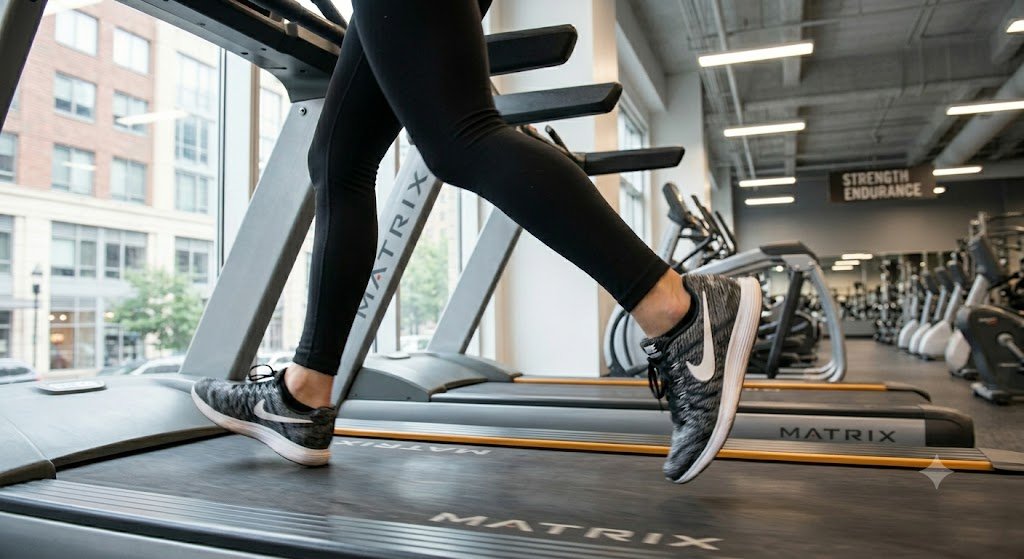
Treadmill Benefits
- It has the lowest learning curve of any cardio machine — anyone can start by simply walking.
- It offers genuine variety: walking, jogging, running, sprint intervals, and incline training all on one machine.
- Incline settings let you replicate some of the StairMaster’s lower-body demand when you want it.
- It’s a realistic substitute for outdoor running when weather or safety make that impractical.
Drawbacks of a Treadmill
- Running on a treadmill is genuinely higher-impact than stair climbing, which matters if you have joint pain or are recovering from injury.
- It’s easy to default to flat, low-incline walking, which delivers a less intense workout than the StairMaster at the same perceived effort.
- Extended high-speed running carries real overuse injury risk if your volume increases too quickly.
StairMaster or Treadmill: Which Burns More Calories?
At true maximum effort, research comparing cardio machines found the treadmill burns slightly more calories per minute (around 17) than stair climbing (around 15) for recreationally active adults. But that comparison only holds at all-out intensity — most people don’t train at max effort for extended periods on either machine.
At moderate, sustainable intensity, the StairMaster often pulls ahead in efficiency, since climbing against gravity keeps your heart rate elevated even at a slower pace than running would require for the same effect. According to the CDC’s physical activity guidelines, what matters most for long-term results is accumulating consistent moderate-to-vigorous activity — meaning the machine you’ll actually stick with matters more than a small calorie-per-minute difference between the two.
Is the StairMaster Lower Impact Than the Treadmill?
Yes, generally. Running on a treadmill sends a repeated shock through your feet, ankles, knees, and hips with every heel strike. The StairMaster avoids that hard landing entirely, since your foot transfers from one step to the next without striking down from height.
This makes the StairMaster a common recommendation for people managing joint pain or returning from a lower-body injury, while still getting a genuinely demanding cardio session. That said, it’s not zero-impact — the repetitive climbing motion can still stress the knees over very long or very frequent sessions, so building up gradually still matters on either machine.
If joint impact is your main concern and neither machine feels right, a recumbent bike is worth considering too — see my best recumbent bikes guide for genuinely zero-impact cardio options.
StairMaster, Stepmill, and Stair Stepper: What’s the Difference?
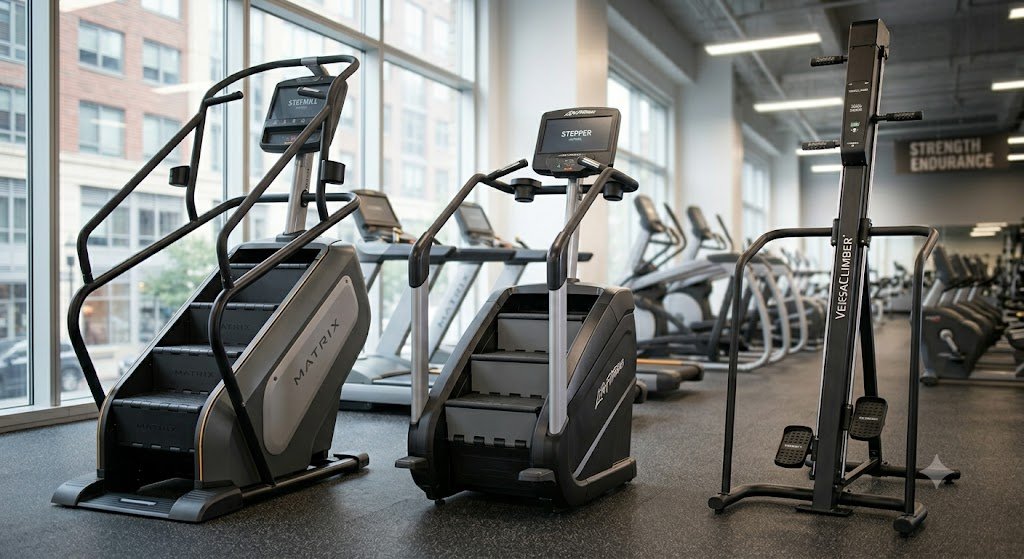
These terms get used loosely, but they describe genuinely different machines. A stepmill (what most people mean by “StairMaster”) uses a continuously rotating set of actual steps — you pick up each foot and place it on the next stair, just like climbing a real staircase. A stair stepper uses two independent pedals that move up and down without rotating, giving a similar muscle engagement with a gentler, more controlled motion.
A separate machine, the vertical climber (like a VersaClimber), is often confused with the StairMaster but works your arms and legs together in a climbing motion rather than just your legs — a genuinely different full-body workout, not just a different brand name for the same thing.
A Cross-Training Combination
You don’t have to pick just one. Alternating between the StairMaster and treadmill across your weekly routine gives your joints a break from repetitive impact while still building well-rounded cardiovascular fitness and lower-body strength.
A simple split — StairMaster on two days for lower-impact intensity, treadmill on two days for variety and running-specific conditioning — covers more training bases than relying on either machine exclusively. If you want a deeper breakdown of which muscles each machine targets, my muscles involved in treadmill workouts guide covers the treadmill side of that comparison in detail.
How to Decide Which Is Right for You
- Do you have knee, hip, or ankle pain? The StairMaster’s lower-impact motion is generally the safer starting point.
- Do you want workout variety? The treadmill’s speed and incline range offers far more session-to-session variation.
- Are you training for a running goal? The treadmill is the more directly relevant training tool.
- Do you want maximum efficiency in less time? The StairMaster’s constant resistance against gravity makes it a strong choice for shorter, intense sessions.
- Which one will you actually use consistently? The machine you enjoy enough to use regularly will always outperform the “theoretically better” option you avoid.
If you’re leaning toward the treadmill side of this decision, my best treadmill for home use guide covers top picks across budgets, and my best treadmill for walking guide is worth a look if low-impact walking is your main goal rather than running.
What the Research Says
Beyond calorie burn, both machines deliver comparable improvements in cardiovascular fitness over time. A study of active females found both treadmill and StairMaster training improved VO2 max — a key marker of aerobic fitness and long-term health — to a similar degree over a 12-week training period.
According to ACSM guidance on cardiorespiratory exercise, consistency and progressive intensity matter more for long-term cardiovascular health than which specific machine you choose — reinforcing that picking the machine you’ll stick with is the most evidence-based decision you can make here. If you’re also comparing other cardio equipment options beyond these two, my treadmills vs ellipticals guide covers a similar comparison for a lower-impact alternative.
Frequently Asked Questions
Is StairMaster better than treadmill for weight loss?
Both can support weight loss effectively. The StairMaster tends to be more calorie-efficient at moderate intensity, while the treadmill can match or exceed that burn at higher speeds or steeper inclines.
Does the StairMaster burn more calories than the treadmill?
At true maximum effort, the treadmill burns slightly more calories per minute. At moderate, sustainable intensity, the StairMaster is often more calorie-efficient due to constant resistance against gravity.
Is the StairMaster easier on your knees than running?
Generally yes, since it avoids the repeated heel-strike impact of running. It’s not zero-impact, though, and very long or frequent sessions can still stress the knees over time.
What’s the difference between a StairMaster, stepmill, and stair stepper?
A stepmill uses continuously rotating actual stairs, closely mimicking real stair climbing. A stair stepper uses independent pedals that move up and down without rotating, offering a gentler, more controlled version of the same motion.
Can beginners use a StairMaster?
Yes, starting at a low speed and using the handrails for balance makes it accessible to beginners, though it does have a slightly steeper learning curve than simply walking on a treadmill.
Can I get away with 10 minutes on the StairMaster?
Ten minutes at high intensity can still deliver a genuinely demanding workout given how efficiently the StairMaster elevates heart rate, though longer sessions are needed to meet weekly cardio activity recommendations.
Is a stepmill the same as a vertical climber?
No, these are different machines. A stepmill or StairMaster only works your legs, while a vertical climber like a VersaClimber engages your arms and legs together for a full-body workout.
Should I do the StairMaster or treadmill first in a workout?
Either order works, but doing the more demanding machine for you first, while your energy is highest, generally lets you train at higher intensity and get more benefit from that session.
Affiliate Disclosure: My Active Tribe is reader-supported. If you buy through links on this page, we may earn an affiliate commission at no extra cost to you. This never affects our recommendations.