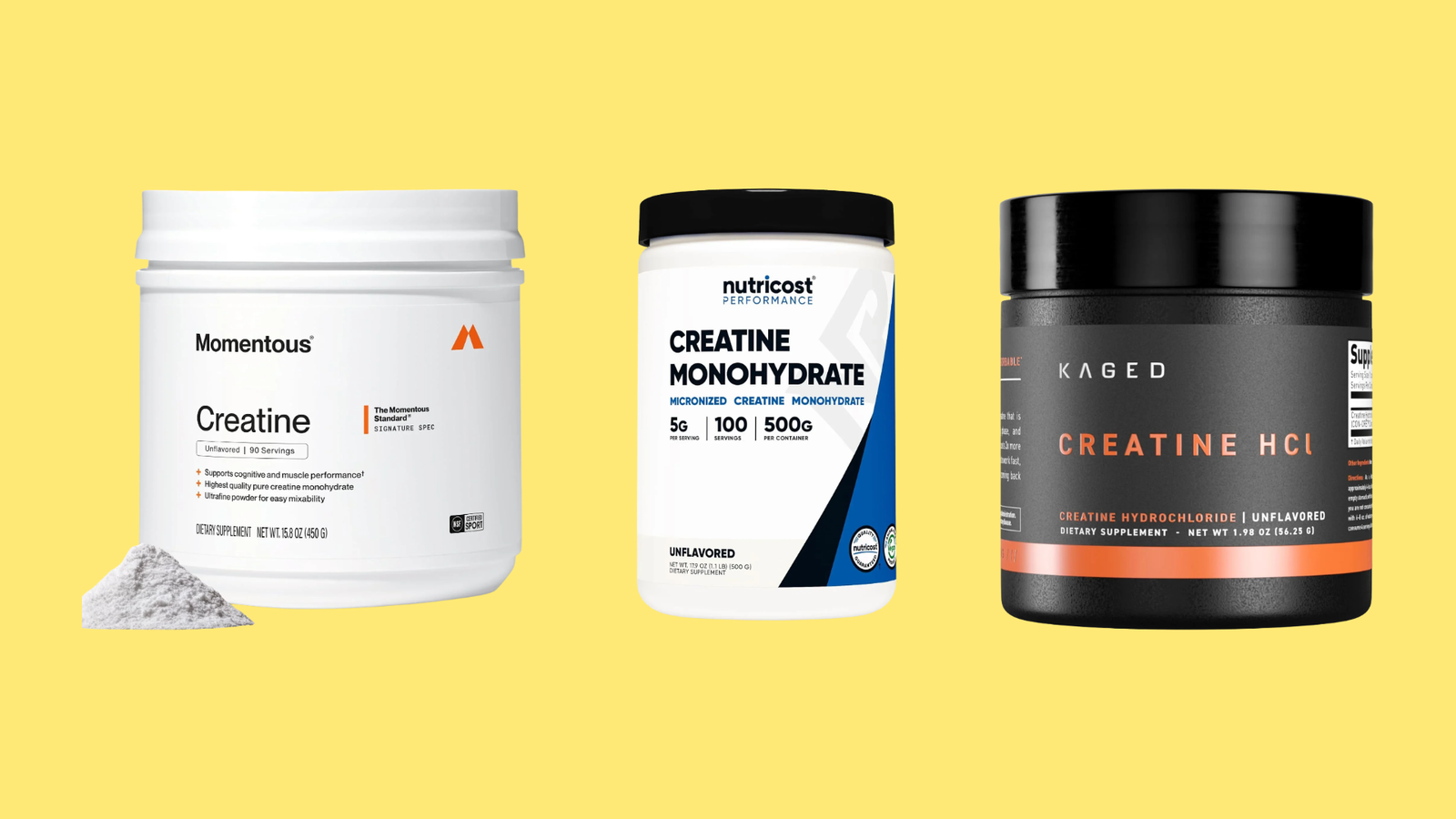
Creatine monohydrate vs HCl is one of the most common questions I get from clients who are starting creatine. Creatine monohydrate is the form behind nearly all creatine research, and picks like Momentous Creatine and Nutricost Creatine Monohydrate deliver it at a standard 5g dose. Creatine HCl (creatine hydrochloride), such as Kaged Creatine HCl, is sold as a more soluble, stomach-friendly option that works at a smaller dose. Below, I compare the science, dosing, bloating, cost and the newest head-to-head trial so you can pick the right type of creatine.
Quick Answer: For most people, creatine monohydrate is the better choice. It has decades of research, the most creatine per gram, and the lowest cost per serving. A 2025 randomized trial found creatine HCl worked about the same as monohydrate, not better. HCl is worth trying only if regular monohydrate upsets your stomach, or if you prefer a smaller scoop that dissolves fully in water.
Creatine Monohydrate vs HCl — Quick Comparison
| Feature | Creatine Monohydrate | Creatine HCl |
|---|---|---|
| What it is | Creatine bound to one water molecule | Creatine bound to hydrochloric acid (a salt) |
| Research behind it | Hundreds of studies since the early 1990s | A handful of studies |
| Creatine by weight | About 88% | About 78% |
| Typical daily dose | 3–5g | Labels suggest 1–3g (delivers less creatine) |
| Loading phase | Optional (about 20g/day for 5–7 days) | Brands say not needed (not tested in studies) |
| Solubility in water | Low — may leave grit | High — dissolves fully |
| Proven better results? | The benchmark | No — equal to monohydrate in head-to-head trials |
| Bloating / stomach upset | Rare at 3–5g; more likely when loading | Marketed as gentler; little research |
| Cost per gram of creatine | Lowest | Higher |
| Premium sourcing | Creapure and micronized options available | Patented forms (e.g., C-HCl) |
| Best for | Almost everyone | People with a sensitive stomach who dislike monohydrate |
Table of Contents
What Is Creatine Monohydrate?
Creatine monohydrate is creatine joined to one water molecule. It has been the standard creatine supplement since the early 1990s, and almost every study on creatine for strength, lean mass and recovery has used it. Inside the muscle, creatine is stored as phosphocreatine, which helps you rebuild ATP — your muscles’ quick energy — during short, hard efforts like lifting, sprinting and jumping.
You will see two upgrades on labels. Micronized creatine monohydrate is ground into finer particles, so it mixes better and leaves less grit. Creapure is a high-purity monohydrate made in Germany and used by premium brands. Both are still creatine monohydrate: micronized mixes more easily, and Creapure is made to a strict purity standard. To understand why creatine matters for strength and lean mass in the first place, read our guide on the importance of creatine for muscle mass.
What Is Creatine HCl (Creatine Hydrochloride)?
Creatine HCl is creatine bound to hydrochloric acid, which makes it a salt. That acid makes it dissolve much more easily in water. Brands use this to make three claims: you need a smaller dose, you don’t need a loading phase, and you get less bloating and stomach upset. Popular creatine HCl products include Kaged Creatine HCl, Con-Cret and GNC’s creatine HCl line.
The smaller-dose claim needs a closer look. Because the acid adds weight, creatine HCl contains about 78% creatine by weight, compared with about 88% for monohydrate. So gram for gram, HCl actually gives you less creatine, not more. A smaller scoop of HCl means a smaller amount of creatine reaching your muscles.
Is Creatine HCl Better Than Monohydrate? What the Research Says
The best answer comes from a head-to-head trial. In a 2025 triple-blind, placebo-controlled study published in the Journal of the International Society of Sports Nutrition (via NIH), 31 elite handball and softball players took 5g per day of creatine monohydrate, 5g of creatine HCl, or a placebo for 8 weeks.
- There were no significant differences between the monohydrate and HCl groups in strength, jump performance or body composition.
- Both creatine groups improved jump performance and fat-free mass compared with their starting point.
- Only the monohydrate group showed a significant rise in fat-free mass index.
- The researchers concluded that claims of creatine HCl being superior are “unfounded and misleading.”
In fairness, this was a small study, and two of its authors advise a scientific board sponsored by a creatine monohydrate manufacturer. But it matches the wider research picture: no published study shows that an equal amount of creatine HCl, or any other newer form, builds muscle creatine stores better than monohydrate. In my coaching practice, that is why I start almost every client on monohydrate.
Solubility vs Absorption: The “38x More Soluble” Claim
You will often read that creatine HCl is “38 times more soluble” or “38 times more bioavailable” than monohydrate. According to a 2022 review in Nutrients (via NIH), this traces back to a lab test that found creatine HCl was 37.9 times more soluble in water. But the two forms were tested at very different acidity levels, and dissolving better in a glass of water is not the same as being absorbed better in your body.
Research also shows that creatine monohydrate is already absorbed very well — nearly all of it is either taken up by your tissues or passed out in urine. Your stomach is highly acidic anyway, so monohydrate dissolves there without help. In short, HCl’s solubility is a real convenience in your shaker bottle, but it is not proof of better results.
Creatine HCl vs Monohydrate Dosage and Loading Phase
Creatine monohydrate: Take 3–5g per day. If you want faster results, you can load with about 20g per day (split into four 5g doses) for 5–7 days, then drop to 3–5g. Without loading, your muscles still fill up — it just takes about 3–4 weeks.
Creatine HCl: Labels usually suggest 1–3g per day with no loading. Here is the math most brands skip. Kaged’s product page suggests four servings of 750mg (3g of creatine HCl) per day if you get no creatine from food. That delivers roughly 2.3g of actual creatine — about half of what a standard 5g scoop of monohydrate gives you (about 4.4g). To match a 5g monohydrate dose, you would need about 5.6g of creatine HCl.
Whichever form you choose, take it every day, including rest days. Timing matters far less than consistency. If you are deciding between capsules and powder as well, our guide to creatine pills or powder covers how many capsules you need to hit a full dose.
Bloating, Water Retention and Stomach Comfort
Stomach comfort is the main reason people switch to creatine HCl. Most bloating with monohydrate happens during a loading phase, when people take 20g or more a day. At a steady 3–5g, most of my clients have no issues. Splitting the dose, taking it with a meal and mixing it in plenty of liquid also help. Our article on whether creatine makes you bloated explains the difference between water inside the muscle and true bloating.
Creatine HCl brands claim less bloating and less water retention, and some users do report a calmer stomach. However, there is little controlled research on this, and part of the effect is simply that HCl users take a smaller dose. Creatine is also one of the most studied supplements for safety in healthy adults, and monohydrate has by far the longest safety record — which is why it is usually called the safest creatine. If you have heard it causes hair loss, see our breakdown of whether creatine is good for skin and hair.
Cost Per Serving: Which Gives Better Value?
Creatine monohydrate is one of the cheapest sports supplements you can buy, even in premium Creapure form. Creatine HCl usually costs more per gram, and because it contains less creatine by weight, the cost per gram of actual creatine is higher still. A tub of HCl may list more servings, but each serving delivers less creatine. Compare products by grams of creatine per day, not by servings per tub.
Other Forms of Creatine: Are Any Better?
Creatine HCl isn’t the only alternative. You will also see creatine ethyl ester, buffered creatine (Kre-Alkalyn), creatine nitrate, creatine magnesium chelate and creatine anhydrous. None of these has been shown to raise muscle creatine more than the same amount of monohydrate, and some, like creatine ethyl ester, performed worse in studies. Creatine anhydrous is simply monohydrate with the water removed, so it is slightly more concentrated but works the same way.
1. Momentous Creatine — Best Creatine Monohydrate Overall
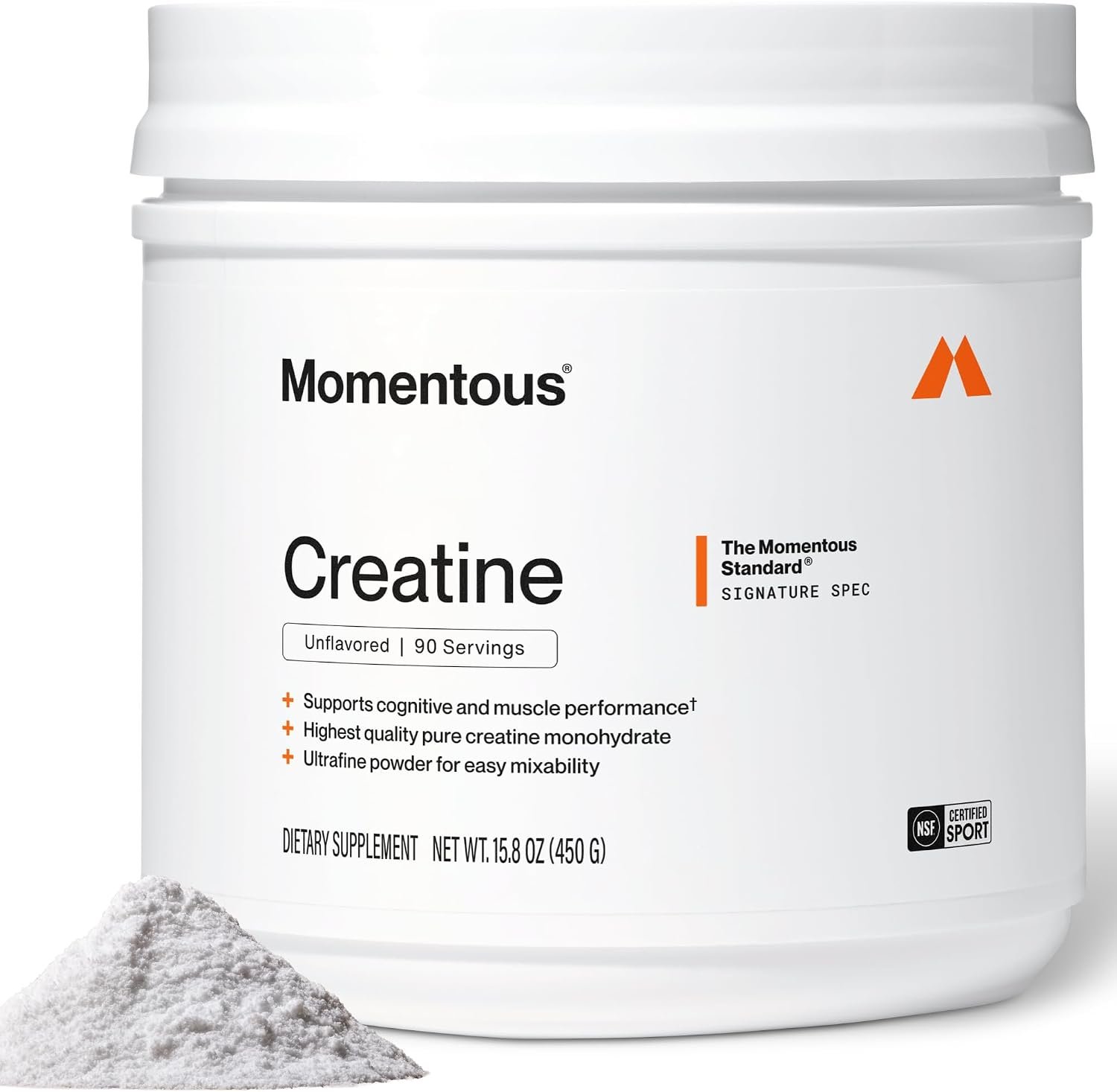
- Form: Creatine monohydrate (Creapure)
- Dose: 5g per scoop
- Servings: 90 per jar
- Ingredients: Creatine monohydrate only (unflavored)
- Testing: NSF Certified for Sport, every batch
- Flavors: Unflavored, Lemon (travel packs)
- Dietary: Vegan, gluten free, GMO free
Momentous uses Creapure, the German-made monohydrate used in many creatine research studies. Each scoop gives you a full 5g dose with nothing added, and every batch is NSF Certified for Sport, which screens for banned substances. If you want the most trusted form of the most researched creatine, this is it.
What Makes It Different
It combines Creapure sourcing with NSF Certified for Sport testing — the strictest pairing on this list, and the reason it suits drug-tested athletes.
Best for: Tested athletes, anyone who wants maximum purity, and first-time creatine users who want the proven standard.
Pros
- Creapure creatine monohydrate — high purity
- NSF Certified for Sport on every batch
- Full 5g research dose per scoop
- Single ingredient, no fillers
- Mixes easily into water or shakes
Cons
- Costs more than basic monohydrate brands
- Flavored version only in travel packs
2. Nutricost Creatine Monohydrate — Best Value Creatine
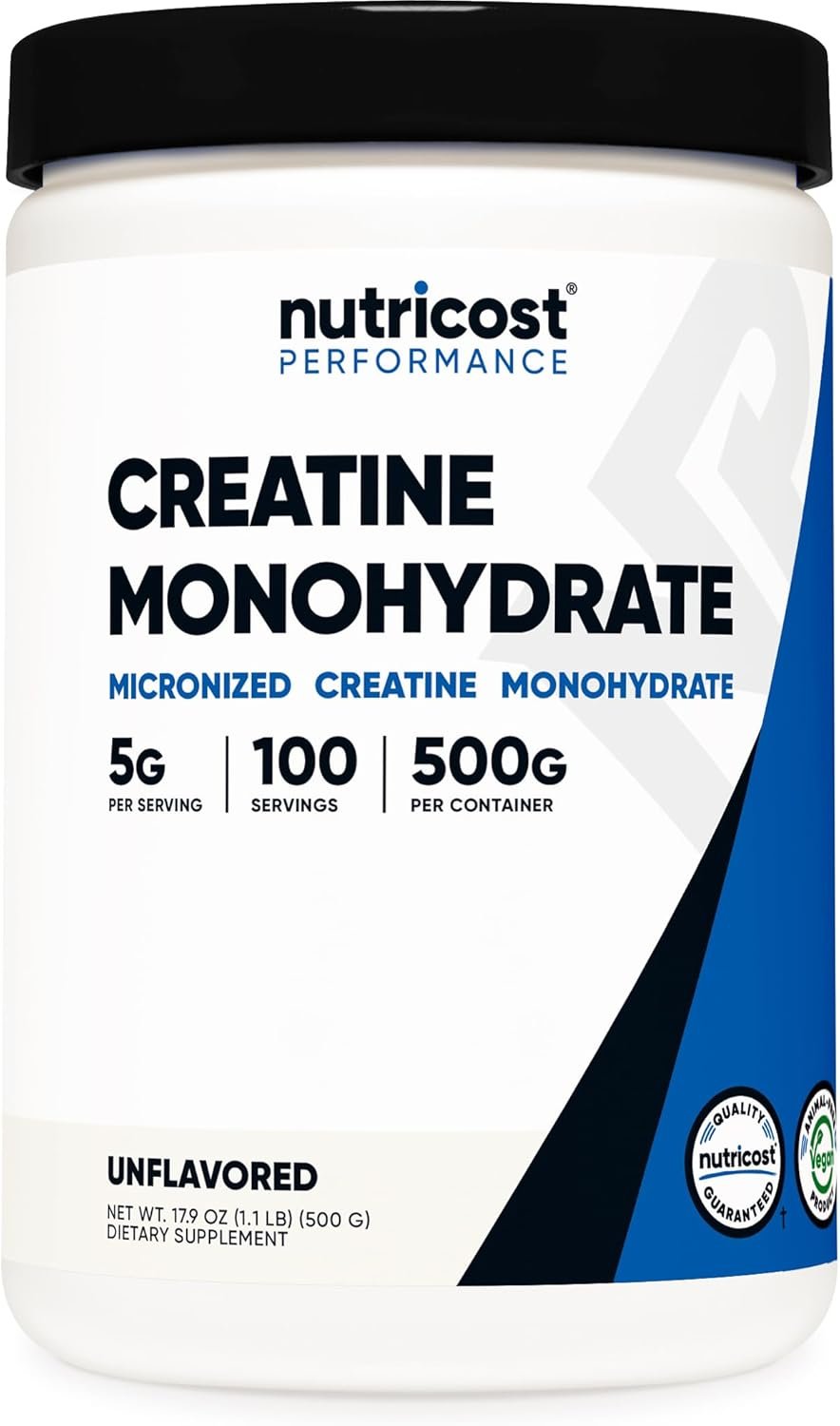
- Form: Micronized creatine monohydrate
- Dose: 5g per scoop
- Sizes: 300g, 500g and 1kg tubs
- Ingredients: Creatine monohydrate (unflavored)
- Testing: Third-party tested by an accredited lab; GMP-compliant facility
- Flavors: Unflavored plus many flavored options
Nutricost is one of the most searched creatine brands in the US for a simple reason: it gives you micronized creatine monohydrate at one of the lowest costs per serving. The 1kg tub lasts about 200 days at 5g a day, which makes it an easy choice if you plan to take creatine long term.
What Makes It Different
Value and choice. It comes in large bulk sizes and more flavors than most brands, while still using micronized monohydrate and third-party lab testing.
Best for: Budget-minded lifters, long-term daily users, and people who want a flavored creatine.
Pros
- Very low cost per gram of creatine
- Micronized for better mixing
- Third-party lab tested
- Bulk sizes up to about 200 servings
- Wide range of flavors
Cons
- Not NSF Certified for Sport — less ideal for drug-tested athletes
- Product page carries a California Prop 65 warning for lead
3. Kaged Creatine HCl — Best Creatine HCl
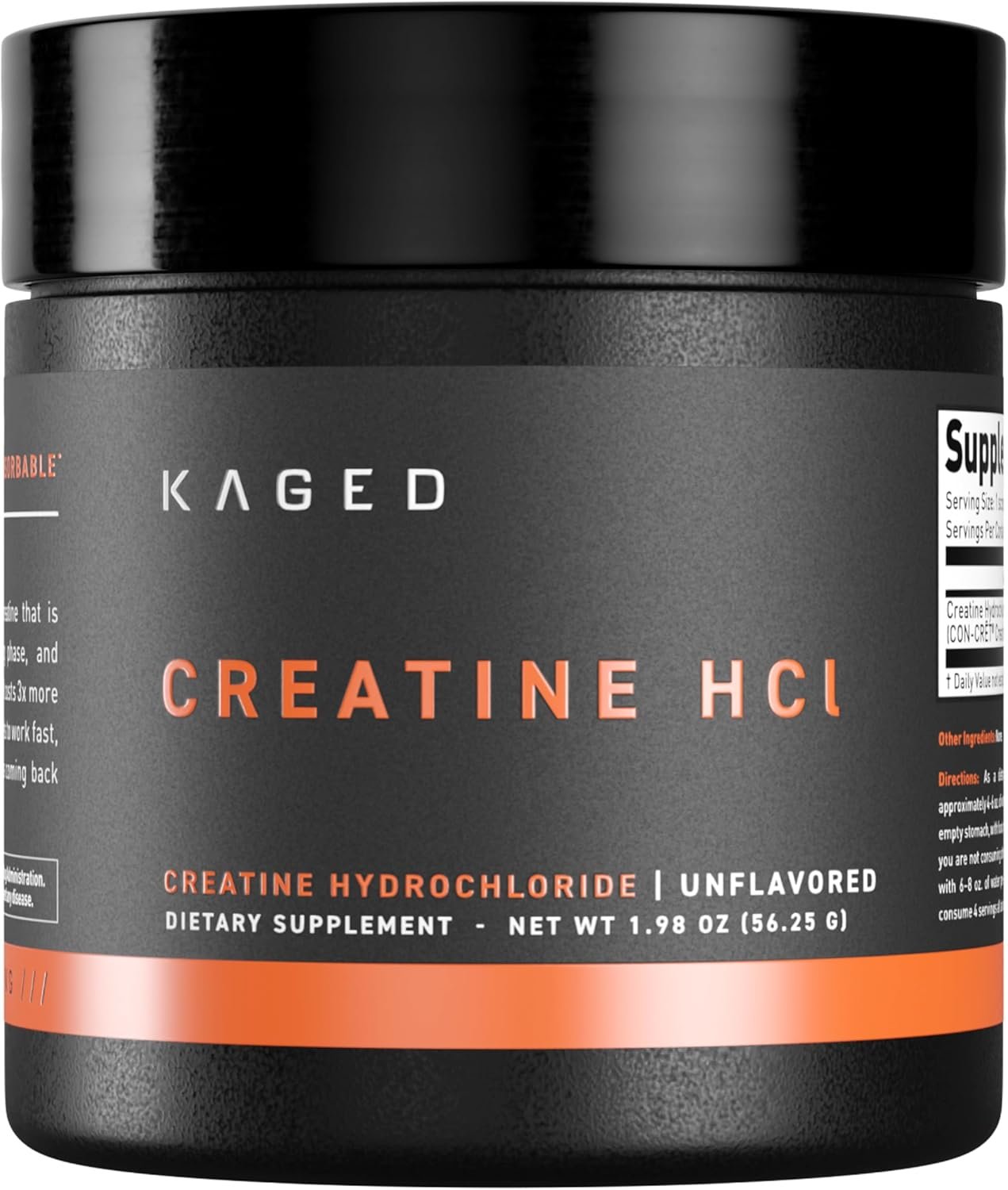
- Form: Creatine HCl (patented C-HCl)
- Dose: 750mg creatine HCl per serving
- Servings: 75 per container
- Forms: Powder and vegetable capsules
- Flavors: Unflavored, Lemon Lime, Fruit Punch
- Testing: Informed Sport tested, every batch
- Dietary: Vegan, non-GMO, gluten free
Kaged Creatine HCl is the best-known creatine hydrochloride on the market. It dissolves completely in a small amount of water with no sediment, needs no loading phase, and is marketed as easier on the stomach. Every batch is Informed Sport tested for banned substances and heavy metals. If monohydrate has caused you stomach trouble, this is the HCl I would try first.
What Makes It Different
It is the most convenient creatine here — tiny servings that fully dissolve, plus a capsule option. Just remember the dose math: to match the creatine in 5g of monohydrate, you would need about 5.6g of creatine HCl, which is more servings than the label’s daily suggestion.
Best for: People who get stomach upset or bloating from monohydrate, and anyone who wants a creatine that mixes clear.
Pros
- Dissolves completely — no grit
- Marketed as gentle on the stomach
- Informed Sport tested on every batch
- Powder or capsule options
- No loading phase on the label
Cons
- Not proven more effective than monohydrate
- Less creatine per gram, so a higher cost per gram of creatine
- Label’s daily suggestion delivers less creatine than a standard monohydrate dose
Creatine Monohydrate or HCl: Which Should You Take?
- For bodybuilding and muscle growth: Creatine monohydrate at 3–5g a day. It has the strongest evidence for strength and lean mass.
- For a sensitive stomach: First try 3g of micronized monohydrate with a meal. If you still have problems, switch to creatine HCl.
- For drug-tested athletes: Choose a product with NSF Certified for Sport or Informed Sport testing, whichever form you pick.
- For women: The same rules apply — monohydrate first. Our guide to creatine for women covers dosing and common worries like weight gain.
- For adults over 40: Monohydrate plus resistance training and enough daily protein. See how much protein you need after 40 to set your target.
So what is the best type of creatine? My verdict as a coach: start with creatine monohydrate. It is proven, affordable and works for nearly everyone. Keep creatine HCl as a backup for the few people whose stomach truly can’t handle monohydrate.
Who It’s NOT For
- People with kidney disease or reduced kidney function: Talk to your doctor before taking any form of creatine.
- Pregnant or breastfeeding women: There is not enough research yet — check with your doctor.
- Anyone taking medicines that affect the kidneys: Get medical advice first.
- Creatine HCl is not ideal for budget buyers or anyone who wants the strongest research behind their supplement.
- Creatine monohydrate loading is not ideal for people prone to stomach upset — skip loading and take 3–5g a day instead.
Frequently Asked Questions
Is creatine HCl better than monohydrate?
No. A 2025 randomized trial in elite athletes found no difference in strength or body composition between 5g of creatine HCl and 5g of creatine monohydrate. Monohydrate also has far more research behind it.
Does creatine HCl cause less bloating than monohydrate?
Some users report a calmer stomach with HCl, but there is little controlled research. Most monohydrate bloating happens during loading; a steady 3–5g a day rarely causes problems.
Do you need a loading phase with creatine HCl?
No loading is needed with either form. Loading monohydrate (about 20g a day for 5–7 days) only fills your muscles faster; 3–5g a day gets there in about 3–4 weeks.
How much creatine HCl should I take compared with monohydrate?
Creatine HCl is about 78% creatine and monohydrate about 88%. To match 5g of monohydrate, you need about 5.6g of creatine HCl.
Is creatine HCl really 38 times more soluble?
In one lab test it dissolved about 38 times better in water, but the two forms were measured at very different acidity levels, and dissolving better does not mean it is absorbed better. Monohydrate is already almost fully absorbed.
Which is cheaper, creatine HCl or monohydrate?
Creatine monohydrate is cheaper, especially per gram of actual creatine, because HCl contains less creatine by weight.
Can women take creatine HCl or monohydrate?
Yes. Both forms work for women. Monohydrate at 3–5g a day is the best-researched option.
Can you take creatine HCl on rest days?
Yes. Take creatine every day, including rest days, to keep your muscle creatine stores full.
Affiliate disclosure: myactivetribe.com may earn a commission if you buy through links on this page, at no extra cost to you. This does not affect our recommendations.