The best vegan protein powder for you depends entirely on which plant source you’re working with — pea, soy, hemp, brown rice, and multi-source blends each bring different strengths to the table. As an INFS-certified nutrition coach who has spent years helping clients hit their protein targets on plant-based diets, I’ve broken down the top pick from each major source below, plus two newer entrants worth knowing about. If you already know which source you want, jump straight to it in the table of contents; if not, the comparison table below will help you decide.
Quick Answer: For the highest protein-per-serving, Bulksupplements Soy Protein Isolate delivers 30g with nothing else in the formula. For the cleanest single-ingredient pick, Naked Pea offers 27g of NSF-Certified pea isolate. If smooth texture matters most to you, Swolverine Plant Protein has become a standout for avoiding the chalky aftertaste common to plant proteins.
Table of Contents
Vegan Protein Powder Comparison: 7 Top Picks by Source
| Product | Source | Protein Per Serving | Ingredient Count | Best For |
|---|---|---|---|---|
| Naked Pea | Pea isolate | 27g | 1 (unflavored) | Cleanest label, easiest digestion |
| Bulksupplements Soy Protein Isolate | Soy isolate | 30g | 1 (unflavored) | Highest protein per serving |
| Manitoba Harvest Hemp Yeah! Max Protein | Hemp seed | 20g | 2 | Complete amino profile from one source |
| NutriBiotic Organic Rice Protein | Sprouted brown rice | 13g (2 tbsp/15g serving) | 1–2 | Allergen-sensitive users |
| Vega Essential Protein | Plant blend | 25g | Multi-source | Established brand, wide availability |
| Swolverine Plant Protein | Pea + faba + pumpkin seed | 25g | Multi-source | Smoothest texture, least chalky |
| Transparent Labs Organic Vegan | Pea + rice | 24g | Multi-source | Third-party tested, organic certified |
Pea Protein: Naked Pea
Pea protein is the workhorse of the vegan protein world — highly digestible, hypoallergenic, and rich in the branched-chain amino acids that support muscle recovery. Its one real gap is methionine, which is why you’ll often see it paired with rice or hemp in blended formulas.
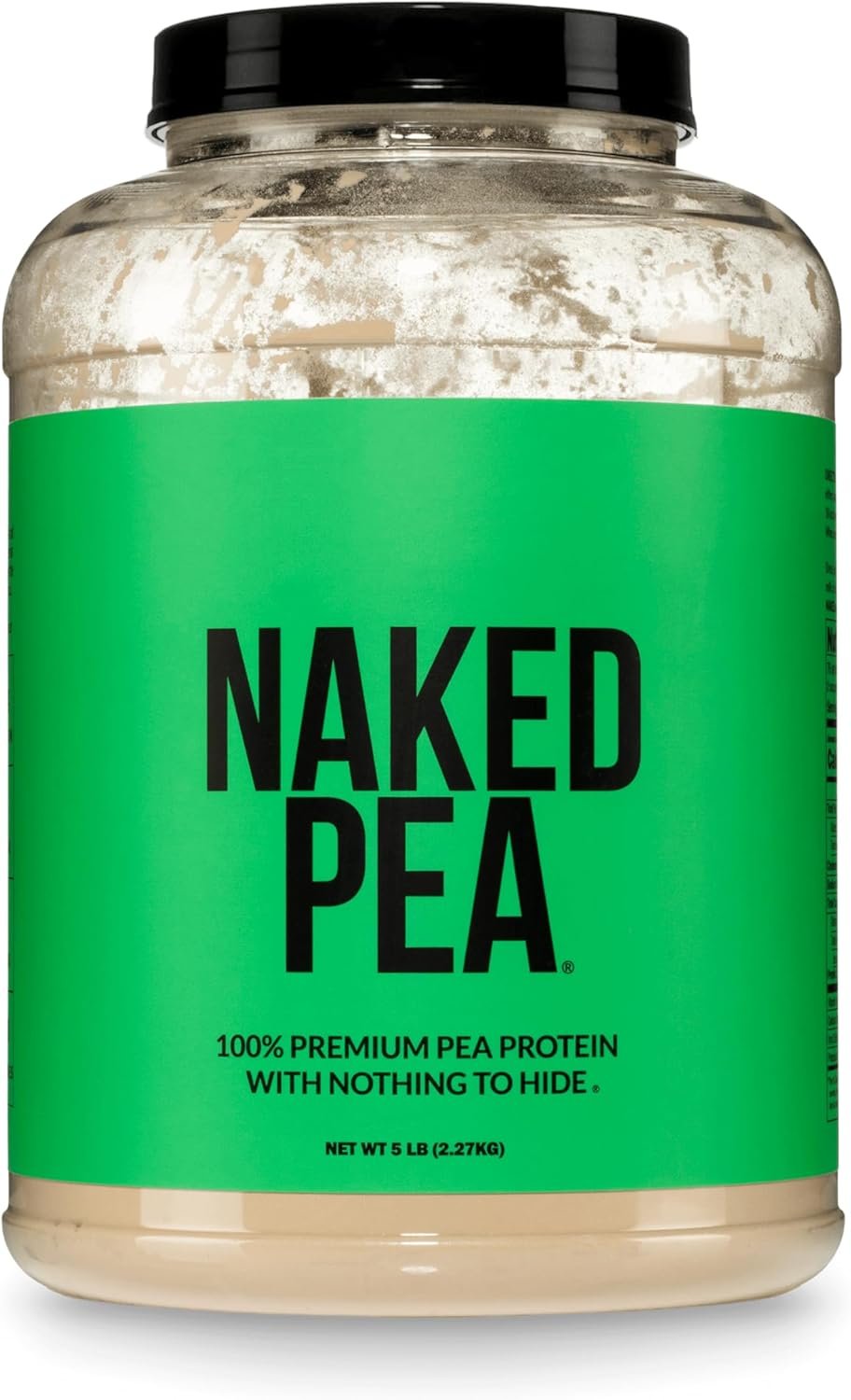
Naked Pea is my pick for anyone who wants pea protein in its purest form: 27g of protein per serving from a single ingredient — 100% yellow pea protein isolate, mechanically water-extracted without chemicals. It’s NSF Certified, meaning it’s independently verified for purity and banned-substance safety, which matters if you compete in any tested sport. The main trade-off is texture — like most pea isolates, it’s slightly grainier than whey, and it’s not a complete protein on its own due to low methionine.
For a deeper look at pea protein specifically, including more options across price points, see our full pea protein powder guide.
Soy Protein: Bulksupplements Soy Protein Isolate
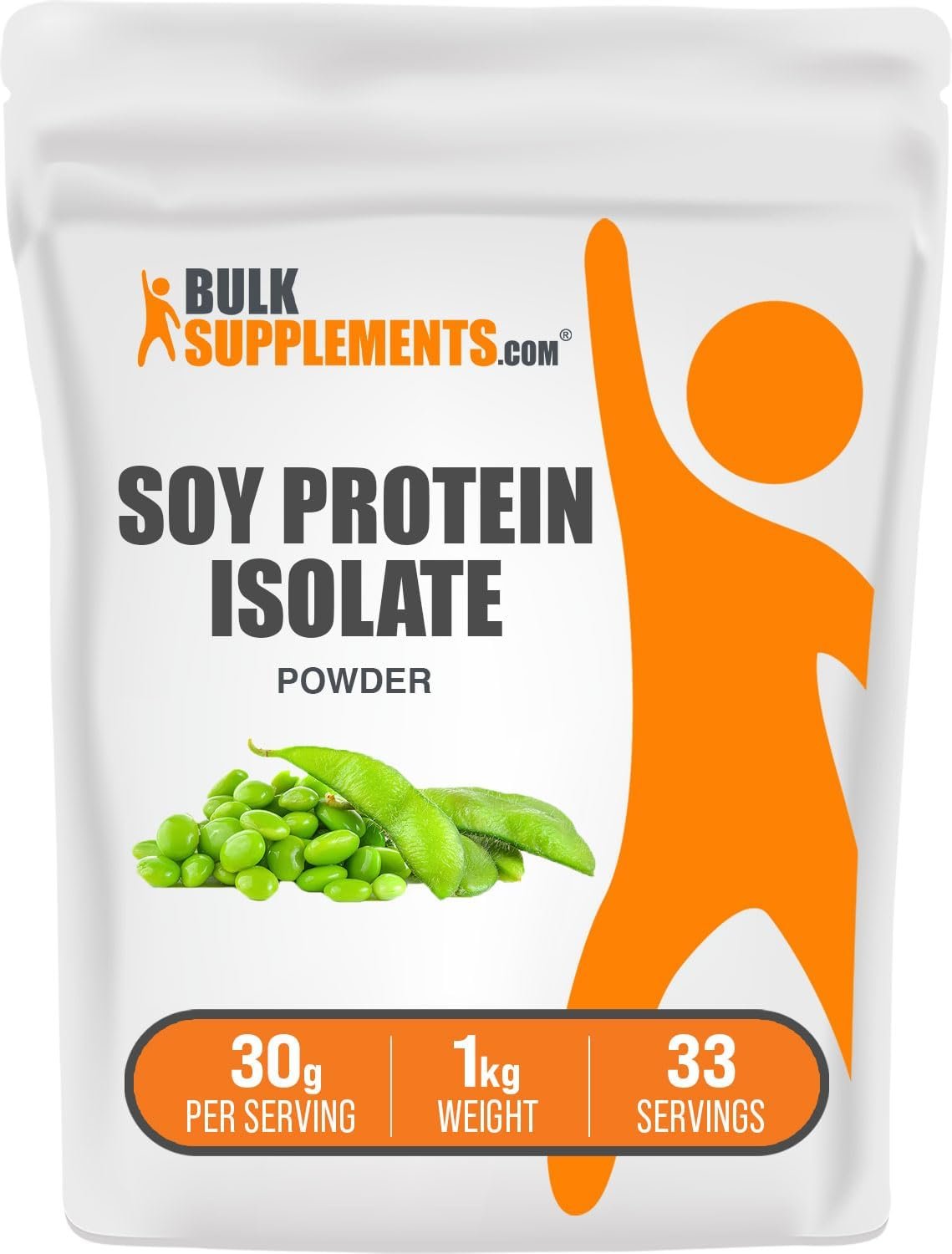
Soy is one of only two single plant sources that’s a genuinely complete protein — all nine essential amino acids, no pairing required. It’s also the source with the most research behind it for muscle protein synthesis, roughly on par with whey in head-to-head studies.
Bulksupplements Soy Protein Isolate delivers the highest protein-per-serving of any product in this comparison — 30g from a 90%-concentration isolate, unflavored, with no added sugar. It’s a no-frills option: third-party tested, cGMP-manufactured, but without the flavor variety or added nutrients you’ll find in blended formulas. If you have a soy sensitivity or prefer to avoid soy for other reasons, skip to one of the other sources below.
Our full soy protein powder guide covers more brands and flavored options.
Hemp Protein: Manitoba Harvest Hemp Yeah! Max Protein
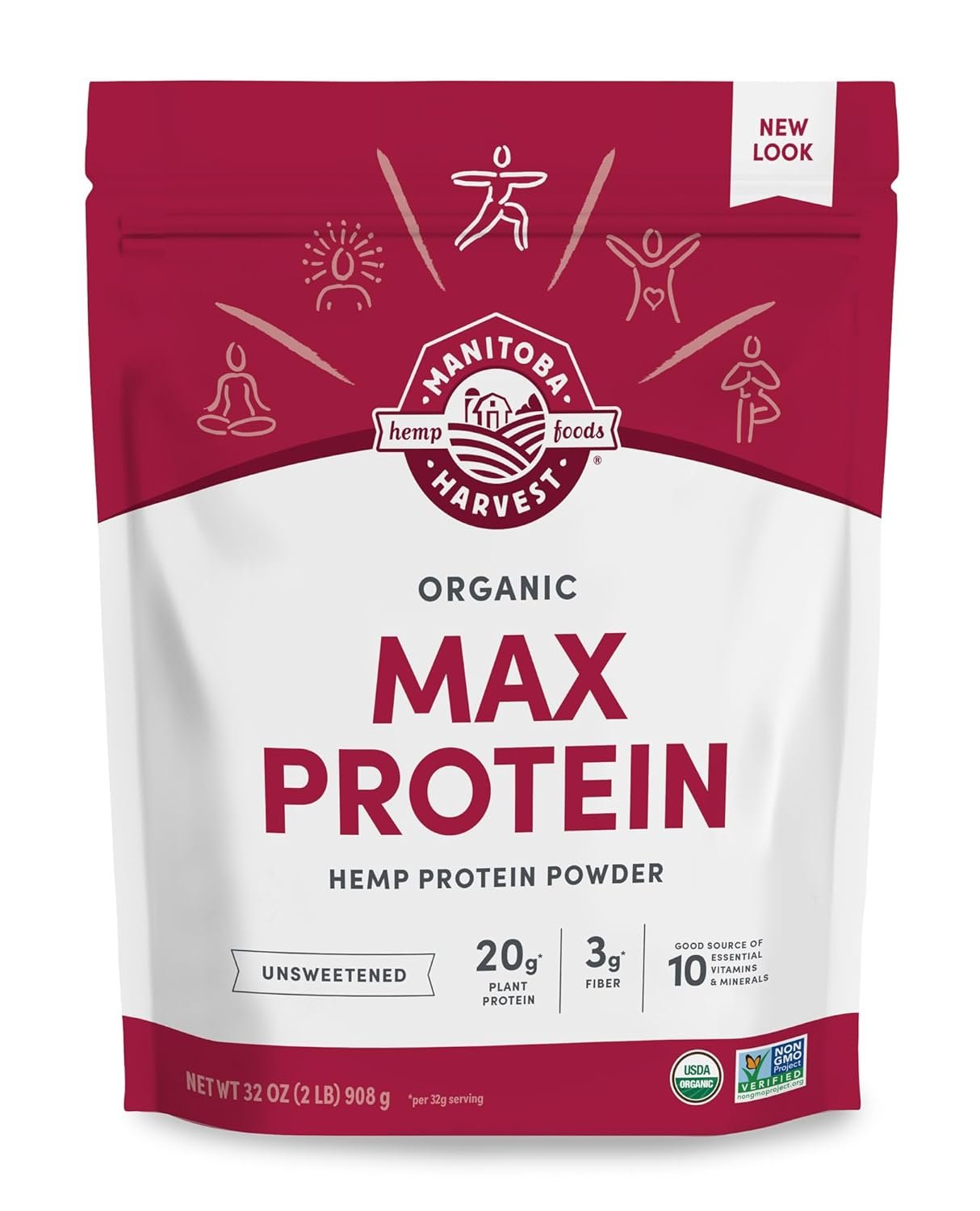
Hemp protein is naturally complete — all nine essential amino acids from one plant source — and comes with a nutritional bonus most other protein sources don’t offer: omega-3 fatty acids and fiber built into the seed itself.
Manitoba Harvest Hemp Yeah! Max Protein (Unsweetened) is about as clean as protein powder gets — just two ingredients, organic hemp seed powder and a touch of oregano extract used purely as a natural preservative. It delivers 20g of protein per serving, the lowest of the products featured here, which is the real trade-off for hemp: you’ll need a larger serving to match the protein density of pea or soy.
The flavor is mild and earthy rather than neutral, which some people love and others find takes getting used to.
See our full hemp protein powder guide for more hemp-based options, including higher-fiber variants.
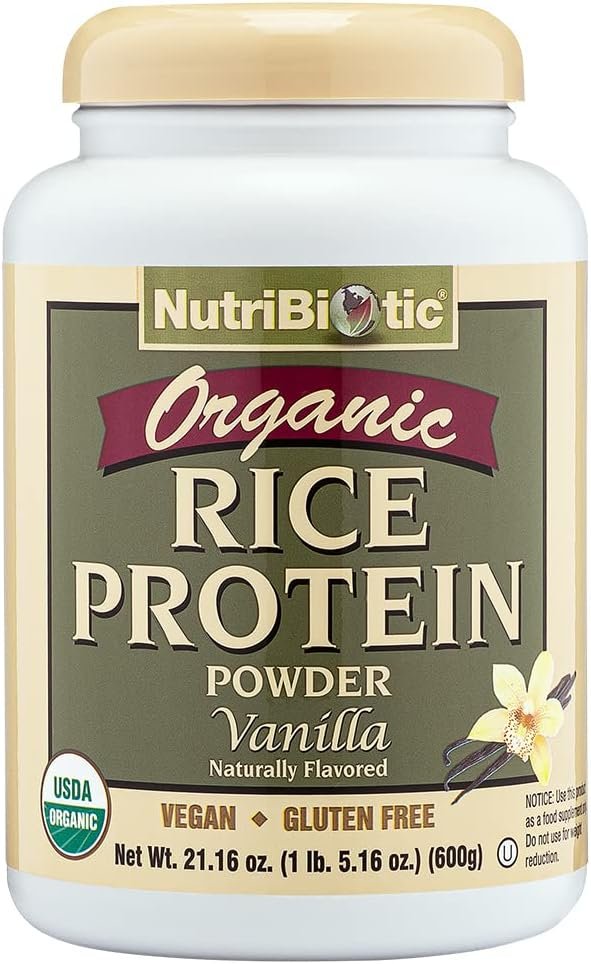
Brown Rice Protein: NutriBiotic Organic Rice Protein
Brown rice protein is the go-to for anyone managing multiple food allergies — it’s free of the common allergens that show up in soy, dairy, and even some pea protein processing facilities. Its downside is an incomplete amino profile, low in lysine specifically, so it benefits from pairing with pea or soy.
NutriBiotic Organic Rice Protein uses an enzyme process rather than heat or chemicals to separate protein from sprouted, whole-grain brown rice, which helps preserve the amino acid profile. At roughly 80% protein concentration, it’s one of the purer rice protein options on the market, and the organic-certified version adds a layer of sourcing transparency.
Its standard serving is just 2 tablespoons (15g), delivering around 13g of protein — roughly half the serving size of the other products here. You’ll likely want two servings to match the protein density of a typical pea or soy scoop. Expect a milder, slightly starchy flavor compared to pea or soy — it blends best into smoothies rather than being drunk on its own.
Our brown rice protein powder guide covers additional brands and flavor options.
Blended Formula: Vega Essential Protein
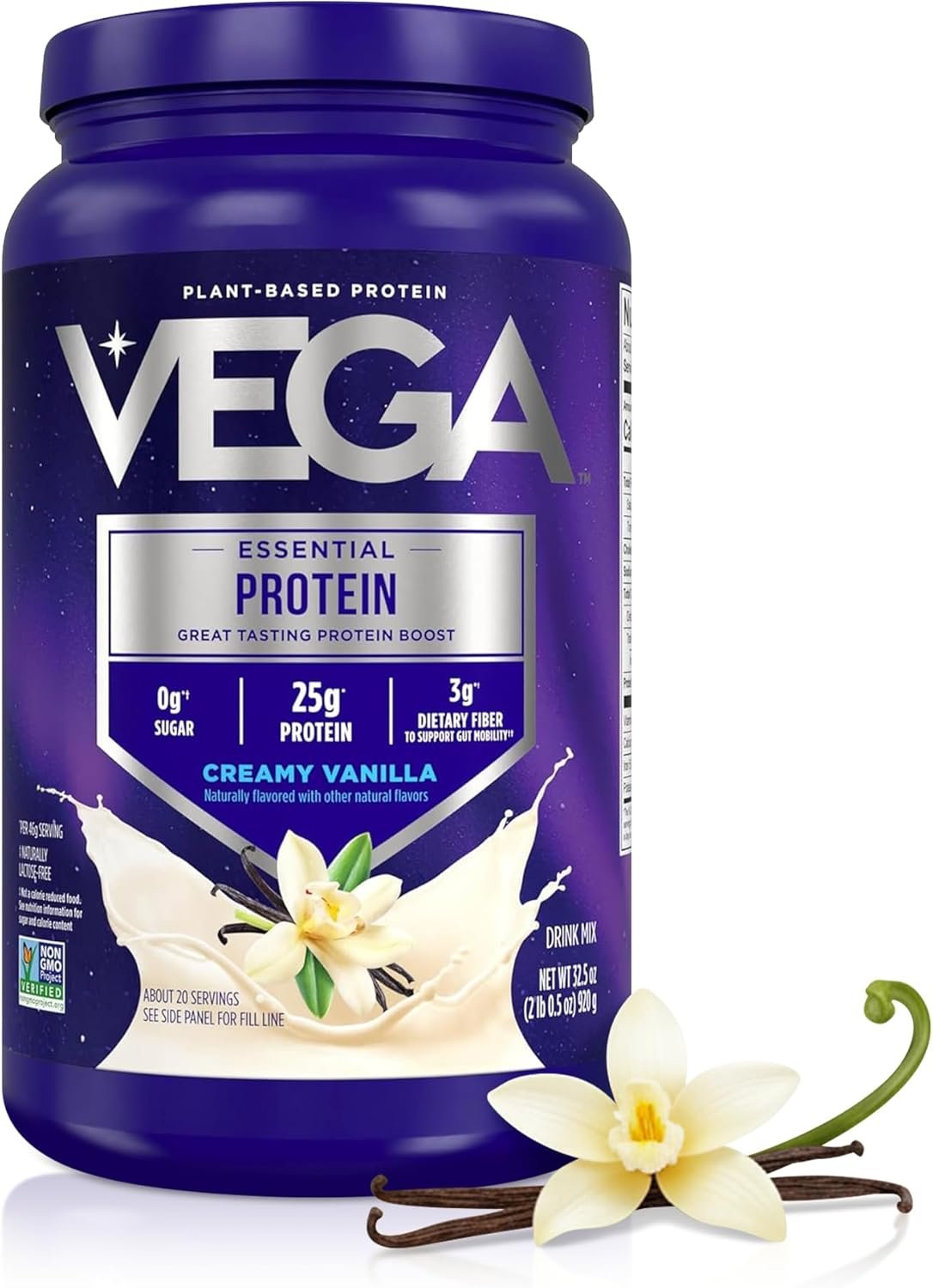
Blended formulas exist to solve the “incomplete protein” problem — combining two or more plant sources so their amino acid gaps cancel each other out. Vega is one of the longest-established names in this space, and its current flagship product reflects a simpler formula than its earlier multi-ingredient blends.
Vega Essential Protein now delivers 25g of protein per serving with no added sugar, built around a plant-based protein blend rather than pea alone. It’s widely available in stores as well as online, which matters if you prefer to buy in person rather than order. If you’re looking for Vega’s older “Essentials” formula with added greens and vegetables, note that the current flagship product has moved to this simpler protein-forward formula — worth checking the label if you’re specifically after the greens blend.
Worth Watching: Two Newer Entrants Gaining Ground
Two newer products have picked up genuine traction in 2026 for solving plant protein’s most common complaint — chalky texture — worth knowing about even though they’re not built around a single classic source.
Swolverine Plant Protein
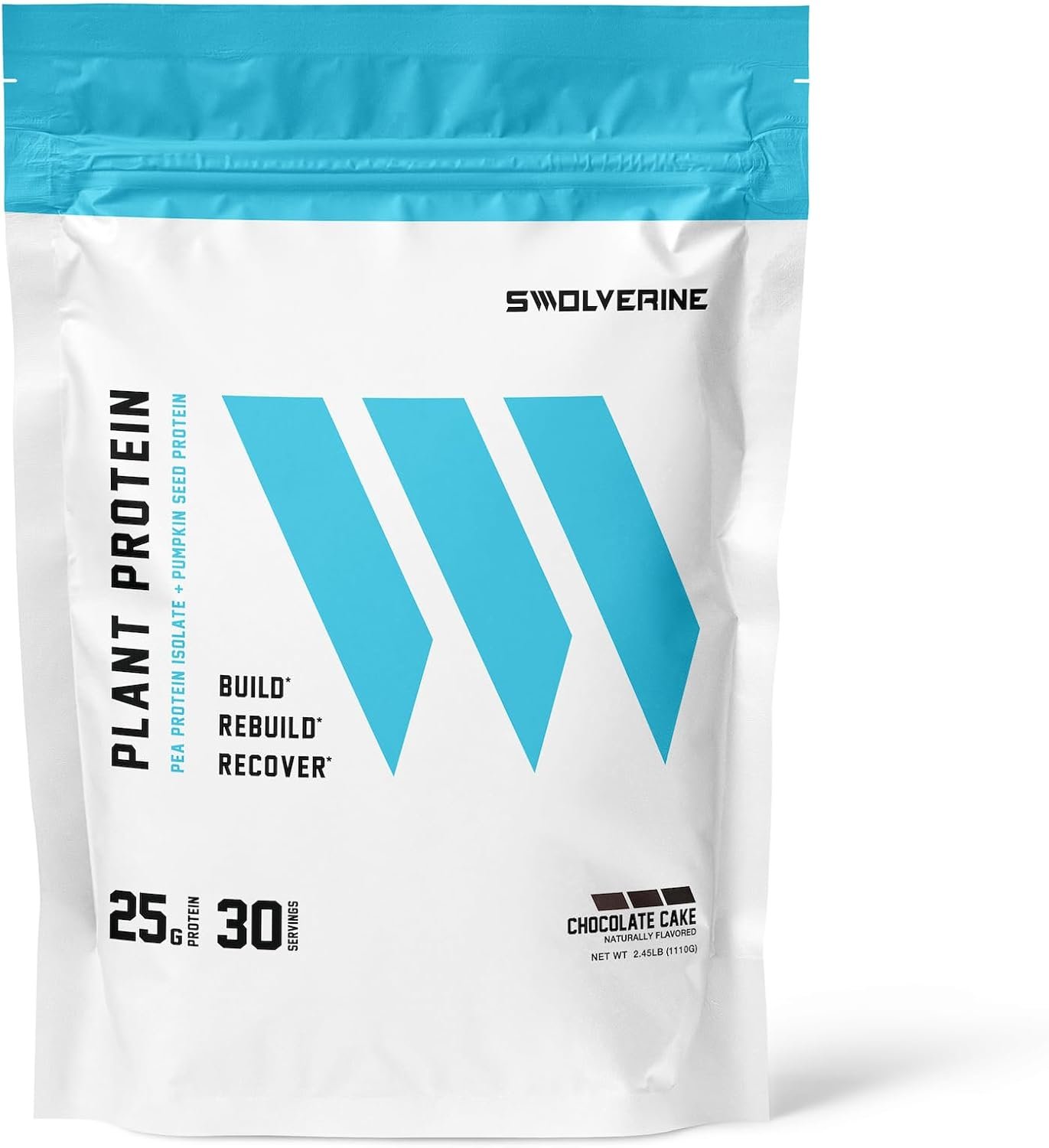
It blends pea protein isolate, faba bean, and organic pumpkin seed protein for 25g of protein at just 140 calories, with added functional fats from MCT oil and olive oil. It’s built specifically to mix smoothly and avoid the grainy aftertaste that’s the most common complaint about plant protein — a genuine point of difference if texture has put you off vegan protein powder in the past.
Transparent Labs Organic Vegan Protein
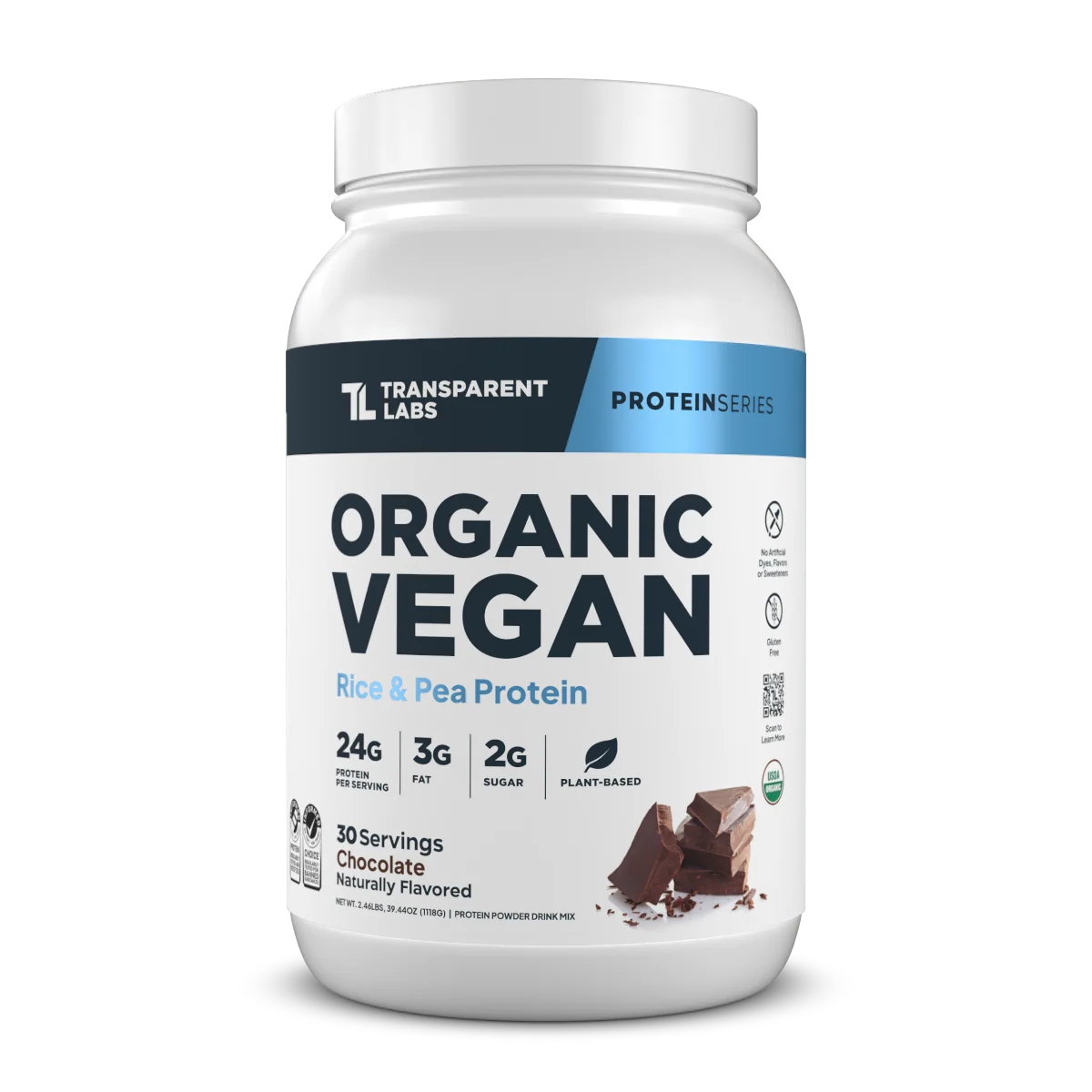
It combines organic pea protein isolate with rice protein for 24g of complete protein per serving. What sets it apart is transparency in the literal sense — the brand publishes third-party test results and exact ingredient quantities down the gram, which is unusual in a category where many labels just say “proprietary blend.”
How to Choose the Right Vegan Protein Source
1. Check whether the source is a complete protein on its own. Soy and hemp are naturally complete — all nine essential amino acids in one ingredient. Pea and brown rice are not complete alone and benefit from pairing with each other or another source.
2. Match protein-per-serving to your actual goals. If you’re trying to hit a specific daily protein target with minimal servings, Bulksupplements Soy Isolate’s 30g per scoop does more work per serving than hemp’s 20g. If you’re adding protein incrementally throughout the day, the lower-protein options are easier to fit into more meals without overshooting your calorie needs.
How you mix it matters too — our guide on mixing protein powder with water vs. milk covers how your liquid choice changes the calorie and macro totals.
3. Consider your allergen profile, not just “vegan.” Soy is a common allergen itself; brown rice and pea are generally the safest choices for people managing multiple food sensitivities. Always check the “may contain” line on any label, since many plant proteins are processed in facilities that also handle soy, dairy, or tree nuts.
4. Weigh single-ingredient purity against blended convenience. A single-source product like Naked Pea or Bulksupplements Soy Isolate gives you full control over what you’re consuming, but you may need to pair it with a second source for a complete amino profile. A blended product like Vega, Swolverine, or Transparent Labs solves that problem for you, generally at a higher price per serving.
5. Factor in how much dietary protein you actually need. ACSM’s general activity guidelines recommend consistent strength training alongside adequate protein intake to support muscle maintenance — protein powder is a convenient way to close gaps in your diet, not a substitute for getting enough total protein from whole foods across the day.
Can You Get a Complete Amino Acid Profile from Plants Alone?
Yes — this is one of the most persistent myths about plant-based eating. You don’t need to combine proteins in the same meal, contrary to older nutrition advice; your body maintains an amino acid pool over the course of the day, so eating pea protein at breakfast and rice-based foods at dinner still gives you a complete profile by day’s end.
That said, choosing an already-complete source like soy or hemp — or a blended formula like Vega, Swolverine, or Transparent Labs — removes the guesswork entirely if you’d rather not think about amino acid pairing at all.
According to Mayo Clinic Press, choosing a variety of protein-rich plant foods rather than relying on just one or two sources is the more reliable way to cover your full amino acid needs on a plant-based diet.
Frequently Asked Questions
What is the best vegan protein powder overall?
It depends on your priority. For the highest protein per serving, Bulksupplements Soy Protein Isolate delivers 30g. For the cleanest single-ingredient option, Naked Pea offers 27g with just one ingredient. For smoothest texture, Swolverine Plant Protein is a standout among blended formulas.
Is pea protein or soy protein better?
Soy is a complete protein on its own, while pea protein is low in methionine and works best paired with another source. If you want a single-ingredient complete protein, soy has the edge; if you prefer to avoid soy specifically, pea remains an excellent choice paired with rice or hemp.
Do I need to combine protein sources at every meal?
No. Your body maintains a pool of amino acids over the day, so eating different plant protein sources at different meals still provides a complete amino acid profile by the end of the day — you don’t need to combine them in the same sitting.
Is hemp protein a complete protein?
Yes. Hemp protein naturally contains all nine essential amino acids, making it one of only two single plant sources (along with soy) that qualify as complete on their own, without needing to be paired with another protein source.
Why does vegan protein powder taste chalky?
Plant proteins, especially pea and rice isolates, have a naturally grainier texture than whey because of how the protein is extracted. Newer blended formulas like Swolverine Plant Protein address this specifically by combining sources and adding functional fats to improve mixability.
Which vegan protein powder is best for allergies?
Brown rice protein is generally the safest choice for people managing multiple food allergies, since it avoids the common allergens found in soy and some pea processing facilities. Always check the label’s “may contain” statement regardless of source.
How much protein per serving should I look for?
Most quality vegan protein powders deliver between 20 and 30 grams per serving. Higher isn’t automatically better — match the serving size to how you plan to use it, whether that’s one large protein boost or smaller additions spread across multiple meals.
Is Vega Essential Protein the same as Vega Essentials?
No. Vega has updated its lineup — the current flagship product is Vega Essential Protein, a simpler 25g-protein formula. The older “Vega Essentials” formula included added greens and vegetables; check the product label if you’re specifically looking for that version.
Affiliate Disclosure: myactivetribe.com is reader-supported. When you buy through links on this page, we may earn a commission at no extra cost to you. This helps us continue testing and reviewing nutrition products.