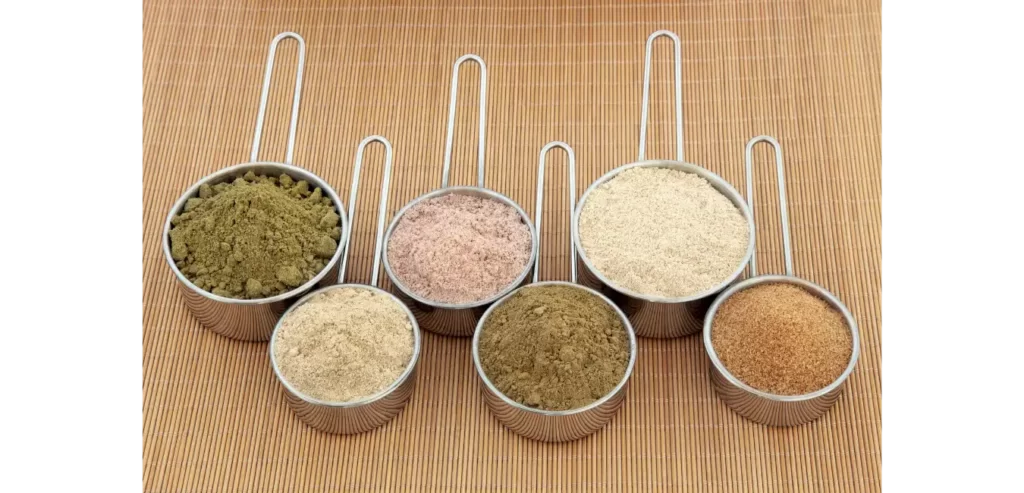
Protein for seniors matters more than most people realize — after 50, your body needs more of it, not less, just to hold onto the muscle you already have. AnilKK, an INFS-certified nutrition coach with 24 years of running experience and 1,000+ weight management clients, breaks down exactly how much protein you need, which foods deliver it, and which supplements are worth adding — with Isopure Zero Carb and Premier Protein leading our picks for easy digestion and blood sugar control.
Quick Answer: Most adults over 50 need roughly 1.0–1.2 grams of protein per kilogram of body weight daily — noticeably higher than the standard 0.8 g/kg adult RDA. Spread that across 3–4 meals (aim for 25–30g per meal) and pair it with strength training at least 2 days a week. Food alone can meet this target for most people, but if you need a supplement to close the gap, Isopure Zero Carb Whey Protein Isolate is our top pick for easy digestion, and Premier Protein is our top pick for blood sugar management.
Table of Contents
Why Protein Needs Change As You Age
Muscle loss with age isn’t a sudden event — it’s a slow drift that starts earlier than most people expect. Sarcopenia, the age-related decline in muscle mass and strength, can begin as early as your 40s and progress to a 50% or greater loss of muscle strength over a lifetime. Left unchecked, this drives the classic “shrinking with age” pattern: less strength, more falls, and a slower recovery from illness or injury.
Inactivity accelerates the problem. A sedentary lifestyle combined with declining protein intake creates a feedback loop — less muscle means a slower metabolism, which makes weight gain and fat accumulation easier, which then makes staying active harder. Reduced appetite, slower digestion, and simply eating less as we age all chip away at protein intake at exactly the moment the body needs more of it, not less.
The good news: this trend is reversible at almost any age, and diet is the lever you have the most control over day to day.
How Much Protein Do Seniors Actually Need?
The standard RDA of 0.8 grams of protein per kilogram of body weight was designed to prevent deficiency in a healthy young adult — it was never meant to be an optimal target for muscle maintenance in older age. Most nutrition research now points to 1.0–1.2 g/kg/day for healthy older adults, and up to 1.2–1.5 g/kg/day for those managing an illness, recovering from surgery, or actively strength training.
In practical terms: a 70 kg (154 lb) senior should aim for roughly 70–85 grams of protein per day, not the 56 grams the standard RDA would suggest. We cover the full breakdown by body weight, along with sample meal plans, in our complete guide to protein needs after 40.
Timing matters almost as much as the total. Muscle protein synthesis has a per-meal ceiling — eating 25–30 grams at each of 3–4 meals builds more muscle over time than cramming most of your protein into one large dinner, even if the daily total is identical.
Best Protein for Seniors: Top Food Sources & Easy Wins
Whole foods should do most of the work. Lean options like chicken, fish, eggs, Greek yogurt, cottage cheese, tofu, and legumes deliver high-quality protein without excess saturated fat. Beans, lentils, and nuts add fiber alongside protein, which helps with the digestive slowdown that often comes with age.
Breakfast is where most seniors fall short. A protein-heavy start — eggs, Greek yogurt with berries, or a bowl of high-protein cereal — sets the tone for the rest of the day and helps curb the mid-morning sugar cravings that tend to increase with age.
For anyone with a smaller appetite or trouble hitting their target through food alone, a smoothie with a scoop of whey or casein protein is one of the most efficient ways to close the gap — it’s easy to digest, easy to customize with fruit, and doesn’t require much chewing or a large meal volume. If you’re deciding between mixing it with water or milk, we’ve broken down which works better for your goals here. Be cautious with commercial nutrition drinks like Ensure or Boost — many contain only 8–12% protein by calorie, so check the label rather than assuming they’re a high-protein option.
7 Best Protein Powders for Seniors in 2026
If food alone isn’t closing the gap, these seven protein powders each solve a specific problem seniors run into most: sensitive digestion, blood sugar management, dairy intolerance, or budget. Every product below is currently in stock and verified against official brand specs.
| Product | Protein Source | Protein Per Serving | Standout Feature for Seniors |
|---|---|---|---|
| Isopure Zero Carb Whey Protein Isolate | Whey Isolate | 25g | Zero sugar/carbs, 20 vitamins & minerals, gentle on digestion |
| Premier Protein Whey Protein Powder | Whey Isolate + Concentrate Blend | 30g | Only 1g sugar — highest protein-to-sugar ratio on this list |
| Sports Research Whey Protein Isolate | Whey Isolate | 25g | Dual third-party certified (Informed Sport + NSF) |
| Ritual Essential Protein Daily Shake | Pea Protein (Plant-Based) | 20g | Dairy-free with added choline for cognitive support |
| Muscle Milk ZERO Protein Powder | Whey Blend | 15g | Only 100 calories per serving, zero sugar |
| Body Fortress Super Advanced Whey Protein | Whey Blend | 30g (per scoop) | Fortified with Vitamin C, D & Zinc for bone/immune support |
| Nutricost Whey Protein Concentrate | Whey Concentrate | 25g | Lowest cost per serving, unflavored blends into any food |
1. Isopure Zero Carb Whey Protein Isolate — Best for Sensitive Stomachs
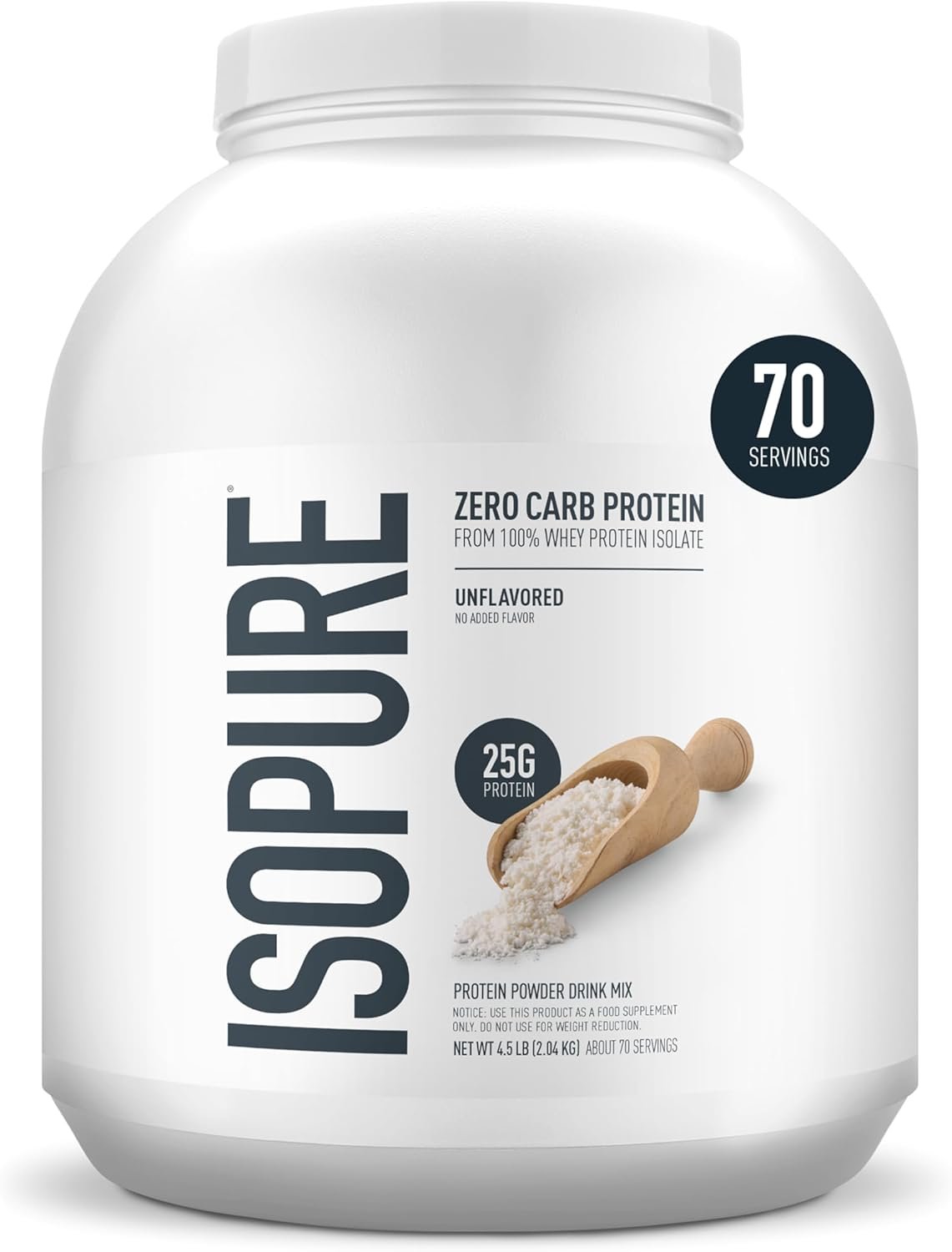
- 25g protein per serving (Creamy Vanilla flavor, 3 lb / 40 servings)
- 0g sugar, 0g carbs
- Lactose-free, gluten-free
- 20 vitamins and minerals, including Vitamin A, C, E & zinc for immune support
Isopure strips protein powder down to almost nothing but the protein itself — zero carbs, zero sugar, and a short ingredient list that’s easy on digestion.
What Makes It Different
Most whey isolates stop at “high protein, low carb.” Isopure adds a 20-vitamin blend on top, including immune-supporting Vitamin A, C, E, and zinc — nutrients that matter more with age but rarely show up in a plain protein powder.
The zero-carb, zero-sugar formula also means it won’t spike blood sugar, and the lactose-free processing makes it one of the gentler options for anyone whose stomach doesn’t tolerate dairy protein well.
Best for: Seniors who’ve experienced bloating or stomach discomfort with other whey products and need something gentle enough for daily use.
Pros:
- Zero carbs and zero sugar keeps blood sugar steady
- Lactose-free formula reduces bloating risk
- Blends smoothly with no clumping
- Added immune-support vitamins (A, C, E, zinc) do double duty beyond protein alone
Cons:
- Priced higher per serving than concentrate-based options
- Creamy Vanilla flavor uses artificial sweeteners — check the label if you’re avoiding these
2. Premier Protein Whey Protein Powder — Best for Blood Sugar Management
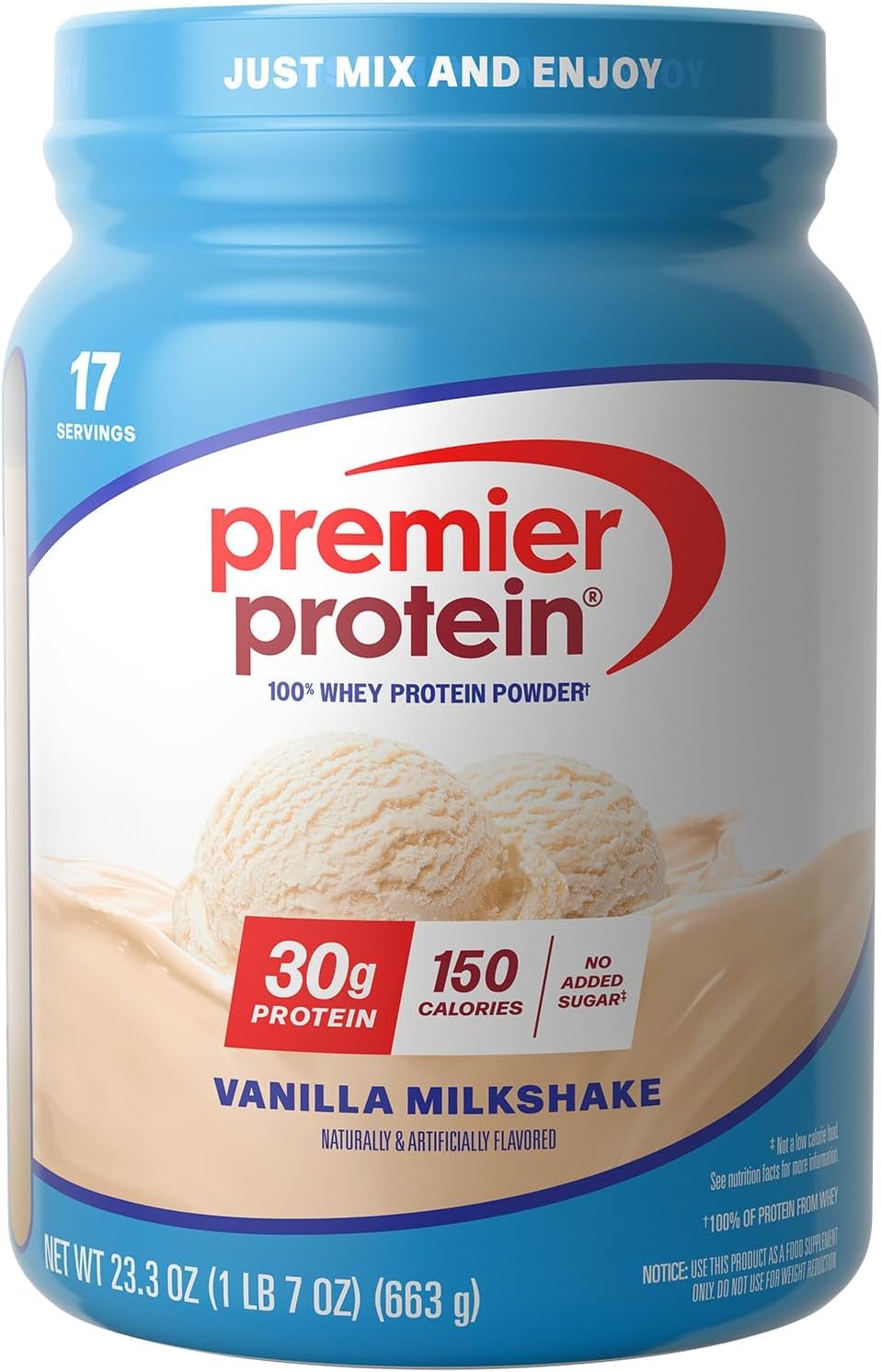
- 30g protein per serving (Chocolate flavor, 1.44 lb / 17 servings)
- 150 calories, 1g sugar
- No soy ingredients, gluten-free
- Whey protein isolate + concentrate blend
Premier Protein packs the highest protein dose on this list — 30 grams — into a serving with just 1 gram of sugar, a ratio that’s hard to find elsewhere.
What Makes It Different
Most 30g-protein powders come loaded with sugar to make up for a chalky taste. Premier Protein keeps sugar to 1 gram by using acesulfame potassium and sucralose instead, which matters directly for seniors managing diabetes or prediabetes.
It’s also one of the more recognizable brands in this list — many seniors already know it from the ready-to-drink shake aisle, which can make it a more comfortable first purchase than an unfamiliar sports-nutrition brand.
Best for: Seniors managing blood sugar who still want a full 30g protein dose without a sugar trade-off.
Pros:
- Only 1g sugar per serving
- 30g protein — the highest per-serving amount on this list
- No soy ingredients
- Widely available, familiar brand many seniors already trust
Cons:
- Contains artificial sweeteners (acesulfame potassium, sucralose)
- 150 calories per serving is higher than the isolate-only options on this list
3. Sports Research Whey Protein Isolate — Best Third-Party Tested Option
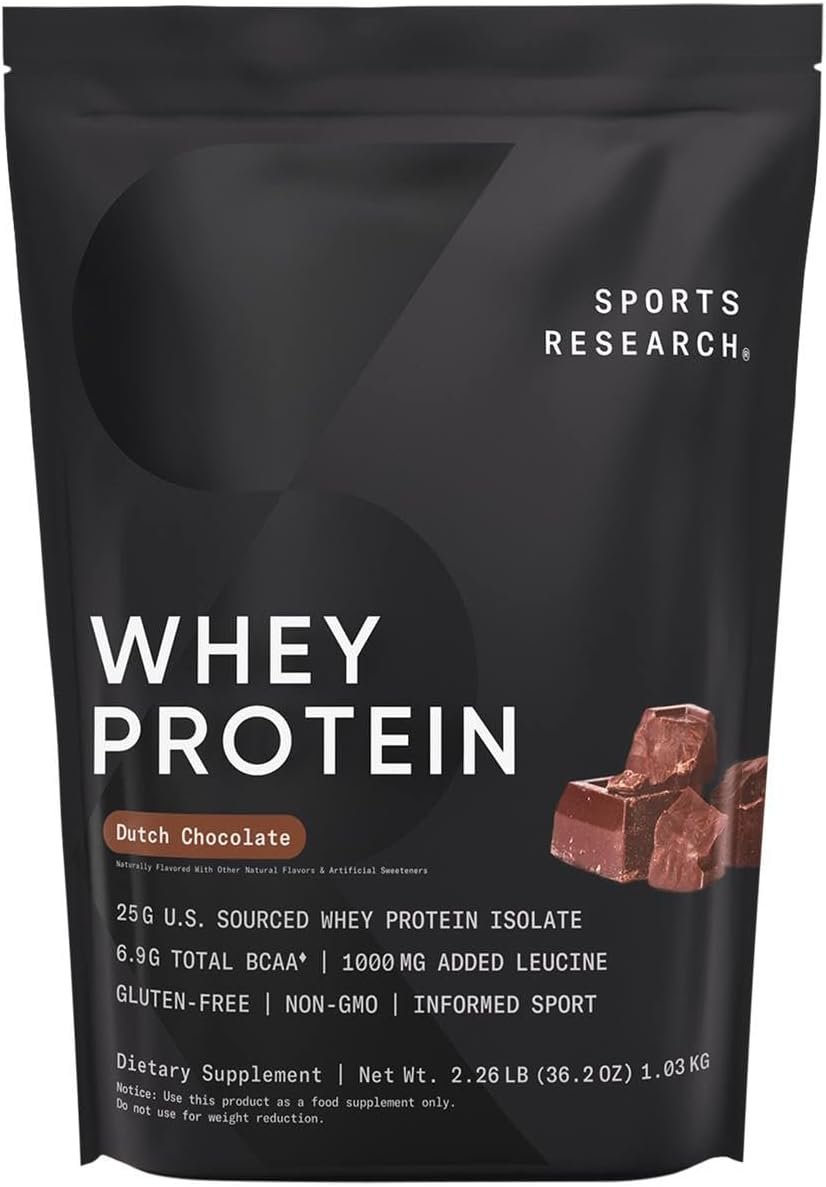
- 25g protein per serving (Dutch Chocolate flavor, 2.26 lb)
- Under 1g sugar
- Informed Sport and NSF certified
- Gluten-free, non-GMO
Sports Research carries two separate third-party certifications — Informed Sport and NSF — a level of scrutiny most protein powders don’t bother with.
What Makes It Different
Most protein brands carry one certification, if any. Sports Research carries two, meaning every batch is independently screened for contaminants and undisclosed substances — a meaningful extra layer of assurance for anyone managing multiple medications.
It’s also nearly sugar-free at under 1 gram per serving, and testers have reported no digestive discomfort, which lines up with what you’d expect from a well-filtered whey isolate.
Best for: Seniors on multiple medications who want extra assurance a supplement is free of contaminants and undisclosed ingredients.
Pros:
- NSF and Informed Sport certified — dual third-party testing
- Under 1g sugar per serving
- Testers report no digestive discomfort
- Non-GMO and gluten-free
Cons:
- Fewer flavor options than larger brands
- Higher price per serving than budget picks
4. Ritual Essential Protein Daily Shake — Best Plant-Based & Dairy-Free Option
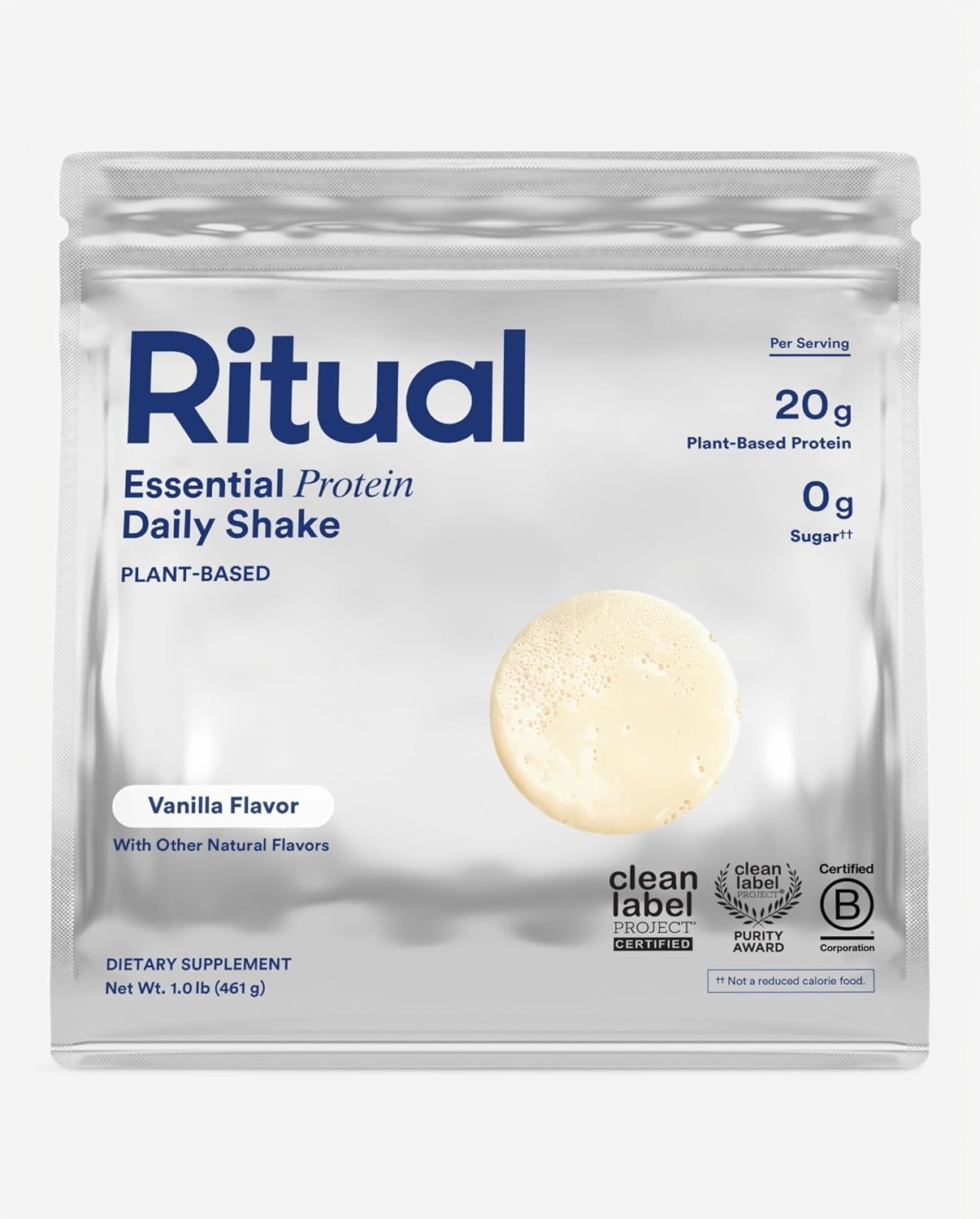
- 20g pea protein per serving (Vanilla flavor, 1 lb)
- 0g sugar
- 250mg added choline
- Third-party tested, Informed Sport certified, non-GMO, gluten-free
Ritual is a dairy-free pea protein built for anyone avoiding whey entirely, with an added nutrient — choline — that most plant proteins skip.
What Makes It Different
Choline supports brain and nervous system function, and most adults — seniors included — don’t get enough of it from diet alone. Ritual adds 250mg per serving on top of a complete plant-based amino acid profile, a combination that’s uncommon even among other pea protein brands.
For seniors who are lactose intolerant, vegan, or simply avoiding dairy for any reason, this fills the whey-free gap without sacrificing the amino acid completeness that makes whey the default recommendation in the first place.
Best for: Seniors who are lactose intolerant, vegan, or avoiding dairy protein for any reason.
Pros:
- Dairy-free and sugar-free
- Added choline supports cognitive function
- Third-party tested and Informed Sport certified
- Complete amino acid profile despite being plant-based
Cons:
- Lower protein per serving (20g) than the whey options on this list
- Smaller 1 lb container means more frequent repurchasing, at a higher price per serving
5. Muscle Milk ZERO Protein Powder — Best for Easy Mixing & Convenience
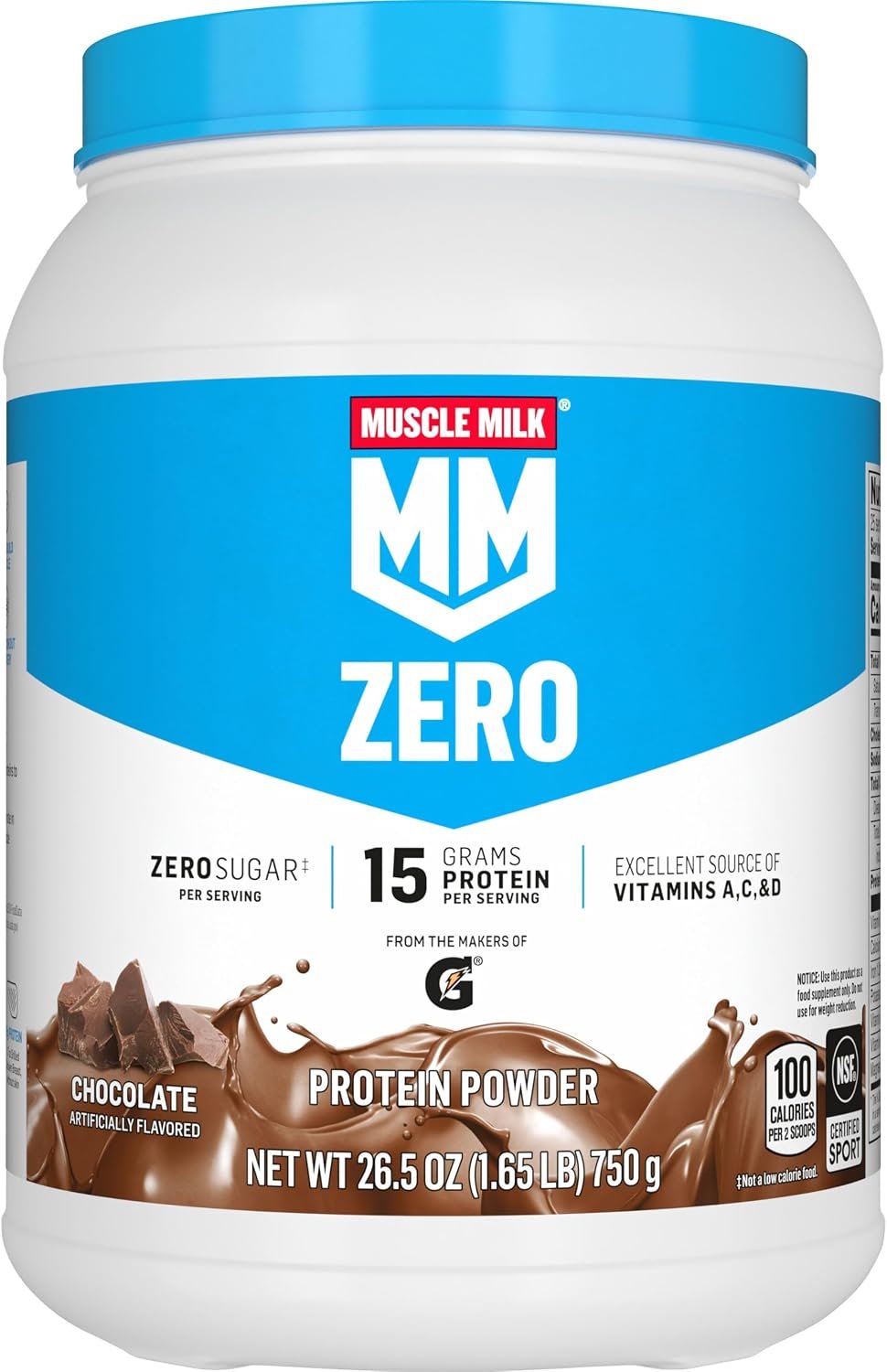
- 15g protein per serving (Chocolate flavor, 1.65 lb / 25 servings)
- 100 calories, zero sugar
- Vitamins A, C & D added
- Whey protein blend
Muscle Milk ZERO trades protein quantity for the lowest calorie count on this list, at just 100 calories per serving with zero sugar.
What Makes It Different
At 15g protein, this isn’t the highest-protein option here — but it’s the lightest, calorie-wise, which matters for seniors who want a protein boost without adding meaningfully to their daily calorie count. It also mixes easily with just a spoon, no blender required.
The added Vitamins A, C, and D round out a formula that’s less about building serious muscle mass and more about a light, convenient daily top-up.
Best for: Seniors watching total calorie intake who still want a protein boost without needing a blender or shaker bottle.
Pros:
- Only 100 calories per serving
- Zero sugar
- Added Vitamins A, C & D
- Mixes easily with just a spoon — no blender needed
Cons:
- Lowest protein amount on this list (15g vs. 20–30g for others)
- Contains artificial sweeteners as part of the zero-sugar formula
6. Body Fortress Super Advanced Whey Protein — Best for Immune & Bone Health Support
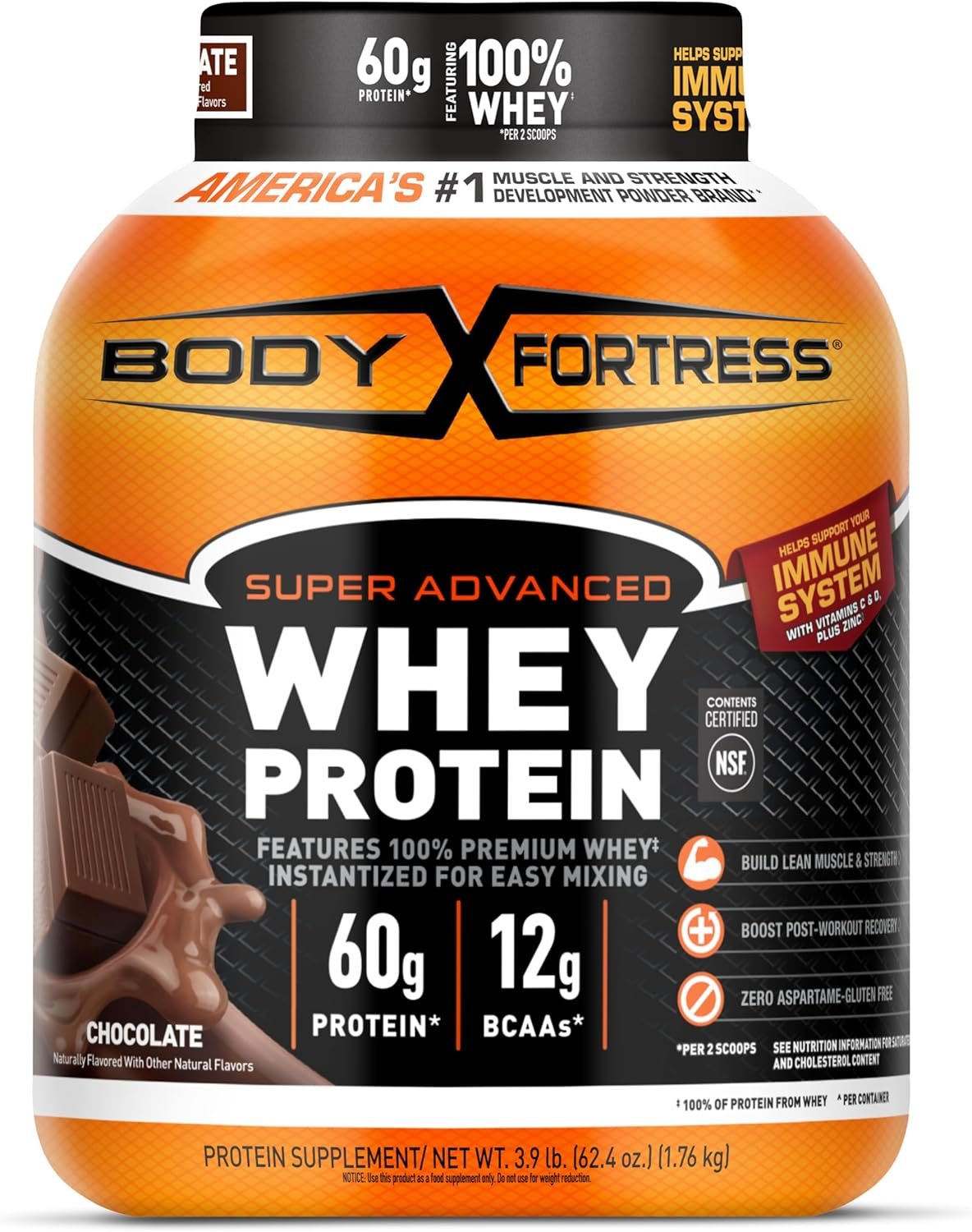
- 30g protein per scoop (Chocolate flavor, 3.9 lb)
- 6g BCAAs per scoop
- Fortified with Vitamin C, Vitamin D & Zinc
- NSF certified, gluten-free
Body Fortress builds its formula around an immune-support vitamin blend — Vitamin C, Vitamin D, and Zinc — at one of the strongest values per serving in this list.
What Makes It Different
Vitamin D plays a direct role in calcium absorption and bone density — exactly the nutrient gap many older adults have. Body Fortress bakes it into the formula alongside Vitamin C and Zinc for immune support, making this the most bone-health-focused option on this list.
The large 3.9 lb container also means fewer reorders, which adds up for anyone using protein powder daily as part of a consistent routine.
Best for: Seniors looking to pair protein intake with bone-supporting Vitamin D and immune-supporting nutrients, on a budget.
Pros:
- Vitamin D directly supports calcium absorption and bone health
- Added Zinc and Vitamin C for immune support
- Large 3.9 lb container offers strong value per serving
- NSF certified
Cons:
- Uses artificial flavors and sweeteners
- Scoop sizing can be confusing — label lists both 1-scoop and 2-scoop serving information
7. Nutricost Whey Protein Concentrate — Best Budget-Friendly Option
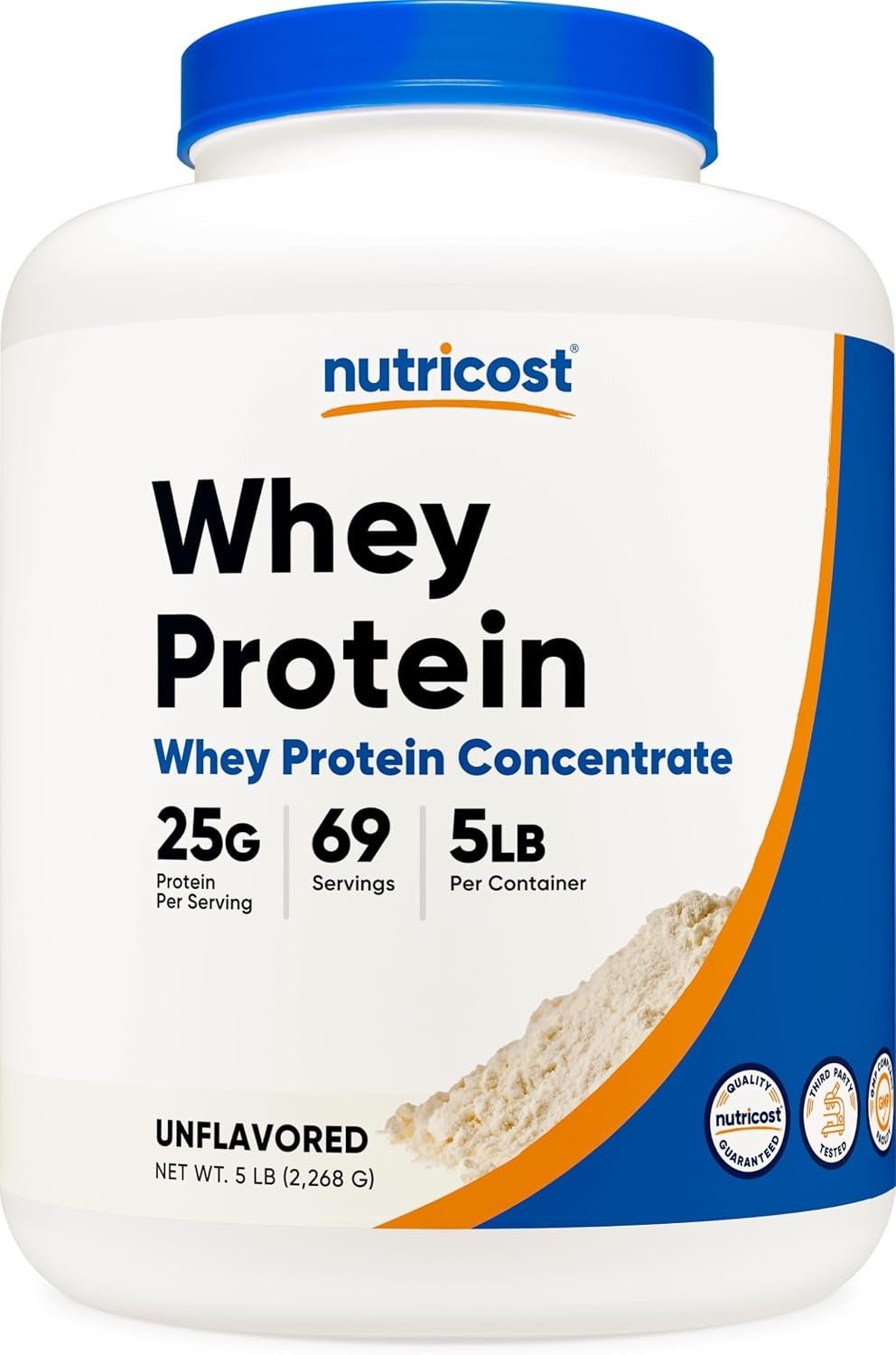
- 25g protein per serving (Unflavored, 5 lb / 69 servings)
- GMP-compliant facility, third-party tested
- Gluten-free, non-GMO
- Whey protein concentrate
Nutricost’s unflavored concentrate is the lowest cost-per-serving option here, with a 69-serving container that stretches further than any other product on this list.
What Makes It Different
Because it’s unflavored, this blends into savory foods — soups, mashed potatoes, oatmeal — without adding a sweet taste, which opens up protein-boosting options beyond the usual shake. That flexibility, combined with the lowest price per serving in this list, makes it a practical daily option for anyone on a fixed income.
It’s whey concentrate rather than isolate, so it carries slightly more lactose than the isolate options above — worth noting for anyone who’s especially lactose-sensitive.
Best for: Seniors on a fixed income who need to sustain daily protein intake without straining the budget, or who want to add protein to savory foods.
Pros:
- Lowest cost per serving on this list
- Unflavored version blends into savory and sweet foods alike
- Third-party tested
- Large 69-serving container reduces reorder frequency
Cons:
- Whey concentrate (not isolate) carries slightly more lactose — may not suit those who are especially lactose-sensitive
- Unflavored taste is an acquired one for some
Building Your Protein & Strength Plan: 5 Factors That Actually Matter
1. Your actual body weight, not a generic number. Protein targets scale with body weight, so a one-size-fits-all “eat more protein” recommendation is nearly useless. Calculate your target using your current weight, and adjust if you’re recovering from illness or surgery, when needs climb higher.
2. Protein without a stimulus won’t rebuild muscle. Diet alone slows muscle loss; it doesn’t reverse it. The CDC recommends muscle-strengthening activity on at least 2 days per week for adults 65 and older, working all major muscle groups. This is the missing piece in most senior nutrition advice that focuses on food alone.
3. Low-impact resistance options count. Strength training doesn’t have to mean a barbell. Resistance bands, bodyweight exercises, and machine-based training all build muscle effectively and carry a lower injury risk for beginners. A recumbent bike is also a smart way to add lower-body strength and cardio work without the joint stress of standing equipment.
4. Protein quality varies more than people assume. Complete proteins — those containing all essential amino acids, especially leucine — trigger muscle protein synthesis more effectively. Animal proteins (eggs, dairy, meat, fish, whey) are naturally complete; plant proteins like beans and lentils are still valuable but often need to be combined (rice + beans, for example) to match that profile.
5. Appetite decline is a real barrier, not a character flaw. Reduced appetite in older age can come from medication side effects, a diminished sense of taste or smell, dental issues, or grief and emotional changes. If food intake has dropped noticeably, smaller, more frequent, protein-dense meals usually work better than trying to force three large ones.
Common Mistakes That Undercut Muscle-Building Efforts After 50
Doing cardio only, and skipping resistance work entirely. Walking and cycling are excellent for heart health, but they don’t provide the mechanical stimulus muscle needs to grow or even maintain itself. If boosting a slowing metabolism is the goal, resistance training moves the needle more than additional cardio does, since muscle tissue burns more calories at rest than fat tissue.
Eating most of the day’s protein at dinner. A skimpy breakfast and lunch followed by a large protein-heavy dinner feels normal to many people, but it wastes the muscle-building potential of two out of three meals. Front-load protein earlier in the day when possible.
Assuming it’s “too late” to start strength training. Ernestine Shepherd began weightlifting at 56 and won her first competition at 71 — a well-documented example that muscle-building response to resistance training doesn’t disappear with age, it just requires consistency and appropriate progression.
Ignoring reduced food intake instead of addressing it. If appetite has dropped and you’re eating noticeably less than you used to, that’s worth discussing with a doctor rather than working around — it can point to something treatable, and unaddressed low intake compounds every other issue on this list.
Frequently Asked Questions
How much protein do seniors need per day?
Most healthy adults over 50 need roughly 1.0 to 1.2 grams of protein per kilogram of body weight daily, higher than the standard 0.8 g/kg RDA. For a 70 kg (154 lb) person, that’s about 70 to 85 grams a day, spread across meals rather than concentrated in one sitting.
What is the best diet for seniors over 50?
A diet built around lean protein, plenty of vegetables and fruit, whole grains, and healthy fats works best. Prioritize protein at every meal, limit processed and sugary foods, and stay consistent with resistance training so the extra protein has a job to do.
Can strength training reverse muscle loss in older adults?
Yes. Resistance training is one of the few interventions proven to rebuild muscle mass and strength at any age, including in people in their 70s and 80s. The CDC recommends muscle-strengthening activity at least 2 days a week for adults 65 and older, targeting all major muscle groups.
What are the best protein sources for seniors with a smaller appetite?
Easy-to-digest, calorie-dense options work best: Greek yogurt, cottage cheese, eggs, smoothies with whey or casein protein, and soft-cooked fish. These deliver a meaningful protein dose without requiring a large meal volume.
Is it safe for seniors to start strength training later in life?
For most healthy older adults, yes — starting with light resistance bands or bodyweight exercises and progressing gradually is both safe and effective. Anyone with existing health conditions or who hasn’t exercised in years should check with a doctor before starting a new program.
What foods should seniors limit after 50?
Processed and sugary foods like cookies, chips, and sweetened drinks are worth minimizing, since they displace nutrient-dense calories and can worsen blood pressure and heart health. Cutting back gradually is more sustainable than eliminating them all at once.
How can seniors boost a slowing metabolism?
Building and maintaining muscle mass through resistance training is the most effective lever, since muscle burns more calories at rest than fat tissue. Regular cardio, adequate protein intake, and good sleep quality all support metabolism as well.
Are protein shakes necessary for seniors, or can food alone meet the target?
Food alone can meet protein targets for most people and should be the first choice. Protein shakes are a convenient option when appetite is low, meals are inconsistent, or hitting the daily target through food alone becomes difficult.
What is the best protein powder for seniors with a sensitive stomach?
A whey protein isolate like Isopure Zero Carb tends to be gentler than whey concentrate, since it’s more filtered and lower in lactose. For anyone avoiding dairy entirely, a pea protein option like Ritual Essential Protein is a dairy-free alternative with a complete amino acid profile.
Affiliate Disclosure: myactivetribe.com is reader-supported. Some links on this page are affiliate links, meaning we may earn a commission at no extra cost to you if you make a purchase. This never affects our recommendations, which are based on AnilKK’s independent research and testing.