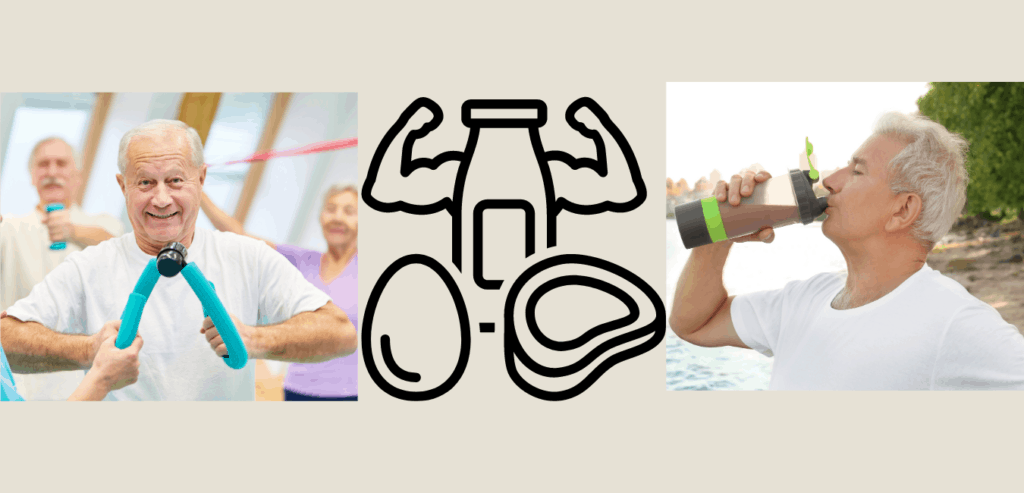
How much protein do you need after 40? The honest, research-backed answer is roughly 1.0 to 1.3 grams per kilogram of body weight per day — meaningfully more than the standard adult RDA of 0.8g/kg, and not because you’re “getting old,” but because your body becomes less efficient at using the protein you eat starting in your 30s. For a 170 lb person, that works out to roughly 77-100 grams daily. I’m AnilKK, an INFS-certified nutrition and fitness coach with 24 years of training experience, and protein timing and quantity is one of the most consistently under-addressed factors I see in clients over 40 who feel like their results have stalled despite training just as hard as they used to.
Quick Answer: Most people over 40 should target 1.0-1.3g of protein per kg of body weight daily (roughly 0.45-0.6g per pound), spread across meals with at least 25-30g per meal to actually trigger muscle protein synthesis. This isn’t primarily about “seniors” — the underlying mechanism, called anabolic resistance, starts affecting how your muscles respond to protein in your 30s and 40s, well before anyone would call you elderly.
Table of Contents
Why Your Protein Needs Actually Change After 40
This isn’t about protein becoming magically more important as a number on your birthday. It’s about a real, measurable biological process called anabolic resistance — your muscles become progressively less responsive to the same amount of protein and the same training stimulus that used to trigger growth easily in your 20s and 30s.
The NIH describes the underlying process plainly: starting at age 30, the body naturally begins losing muscle mass, at a rate of roughly 3-5% per decade, with the process accelerating further around age 60. You won’t necessarily notice it happening in your 40s — it’s gradual — but it’s already underway, which is exactly why proactive protein intake now matters more than waiting until it becomes obvious.
If your fitness routine at this life stage centers on cardio, our best treadmills for weight loss after 40 guide covers equipment built specifically around this age group, though pairing it with the protein targets below will get you meaningfully further than either alone.
This same age-related slowdown also affects how your metabolism changes with age, which is one more reason the protein habit is worth building now rather than later.
How Much Protein You Actually Need: The Real Numbers
The standard adult RDA of 0.8g/kg is a minimum designed to prevent deficiency — it was never intended as an optimal target for muscle maintenance, especially once anabolic resistance enters the picture. Research consistently supports a higher range specifically for adults managing this shift: 1.0 to 1.3g per kg of body weight daily for general muscle maintenance, trending toward the higher end if you train regularly or are actively trying to build muscle.
| Body Weight | Daily Protein (1.0g/kg) | Daily Protein (1.3g/kg) |
|---|---|---|
| 130 lbs (59 kg) | 59g | 77g |
| 150 lbs (68 kg) | 68g | 89g |
| 170 lbs (77 kg) | 77g | 100g |
| 190 lbs (86 kg) | 86g | 112g |
| 210 lbs (95 kg) | 95g | 124g |
If you have an existing kidney condition or other chronic illness, talk to your doctor before significantly increasing protein intake — these targets are for otherwise healthy adults.
Why Per-Meal Distribution Matters as Much as the Daily Total
Hitting your daily gram target in one large meal isn’t as effective as spreading it out. Research on muscle protein synthesis published in Frontiers in Nutrition identifies a practical threshold of roughly 25-30g of protein per meal for older adults to maximally trigger the process — below that threshold, your body doesn’t respond as strongly, even if your total for the day looks fine on paper.
In practice, this usually means fixing breakfast first. Most people’s protein intake is lowest in the morning and highest at dinner — exactly backwards from what triggers the strongest overall response. If you’re already stacking a complete protein source at breakfast, you’re ahead of most people in this age group without even realizing it.
A Note on Research and Women’s Protein Needs
Worth knowing honestly: some of the original research establishing the per-meal protein threshold used male-only samples. That said, this isn’t a case of women’s needs being ignored entirely — subsequent dedicated studies specifically in older and middle-aged women have confirmed similar patterns apply, including research on women aged 45-64 testing structured protein prescriptions and multiple studies specifically on women 65 and older. The practical numbers in this guide hold up across both sexes; it’s simply worth knowing the research history isn’t perfectly balanced, and newer studies have been actively closing that gap.
Closing the Gap: When Food Alone Isn’t Enough
Hitting 90-120g of protein daily through whole food alone is genuinely achievable, but it requires deliberate planning most people don’t do — especially at breakfast and lunch, the two meals where protein intake tends to fall short. If you’re consistently missing your target through food, a protein supplement is a reasonable, practical bridge rather than a sign you’re doing something wrong. Our guide on drinking protein without working out covers this exact scenario in more depth, including why it’s a legitimate strategy for anyone with a genuine protein gap, not just people actively training.
Dymatize ISO100
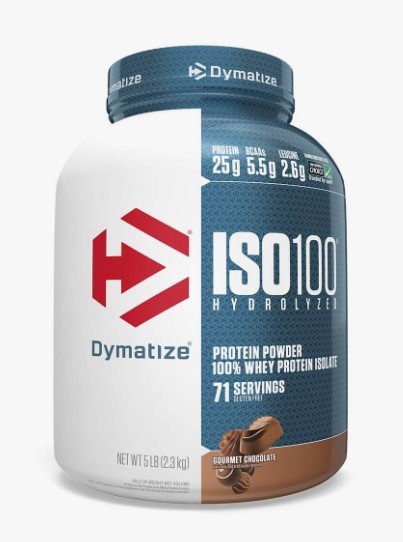
- 25g hydrolyzed whey protein isolate per serving, 5.5g BCAAs
- Gluten-free, fast-absorbing formula
- 76 servings per container
Hydrolyzed whey has already been broken down into smaller peptides, which generally makes it easier to digest than standard whey — a genuine advantage if you’ve noticed protein shakes sit heavy. Best for: Anyone who wants the fastest-absorbing, easiest-to-digest whey option available.
Transparent Labs Grass-Fed Whey Isolate
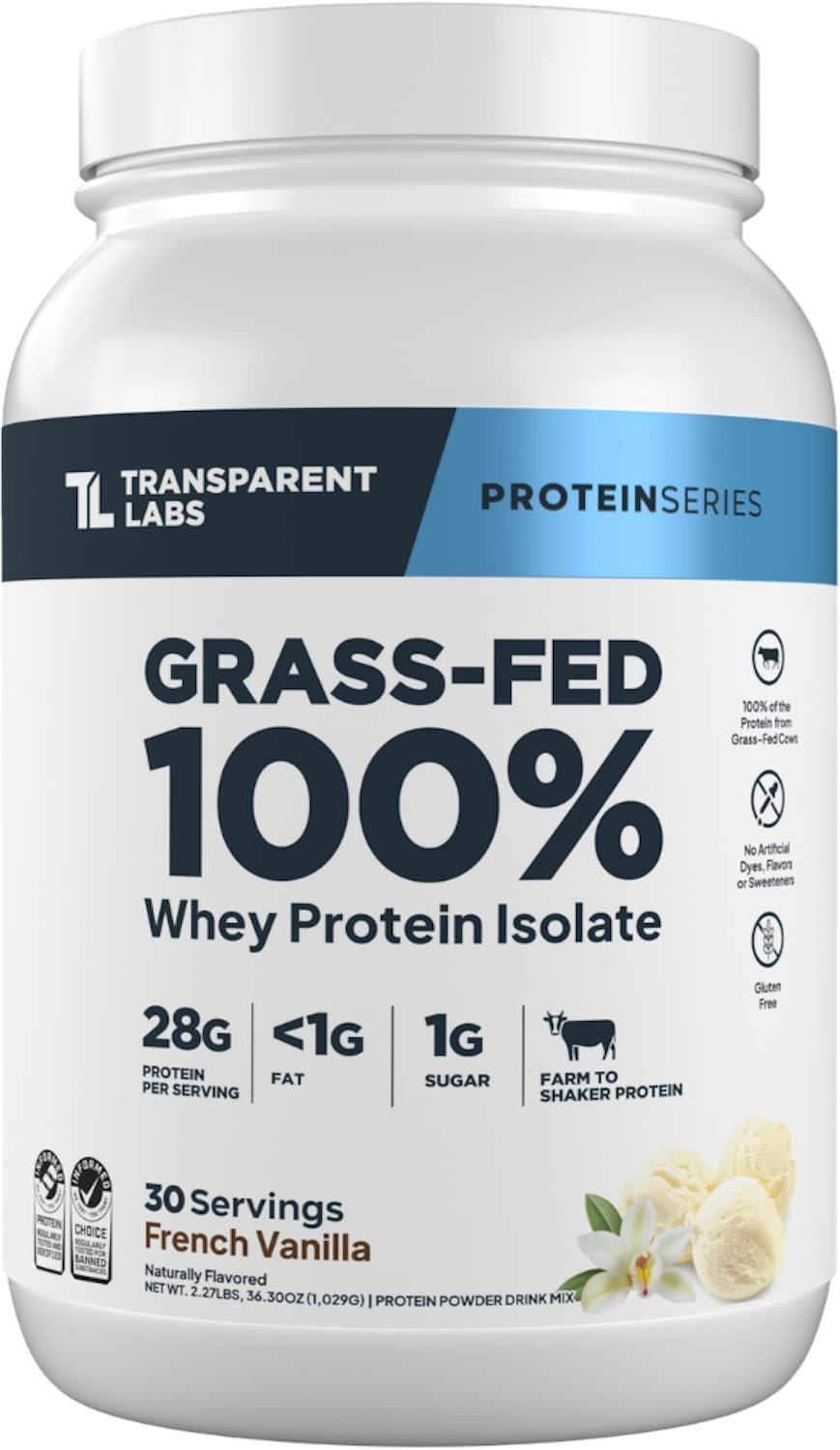
- 28g protein per serving, under 1g fat, 1g sugar
- NSF Certified for Sport, Informed Choice tested
- No artificial dyes, flavors, or sweeteners
The highest protein-per-serving of these three picks, with genuine third-party testing and a clean, minimal ingredient list. Best for: Anyone who wants the highest protein content per scoop with verified purity.
Orgain Organic Vegan Protein Powder
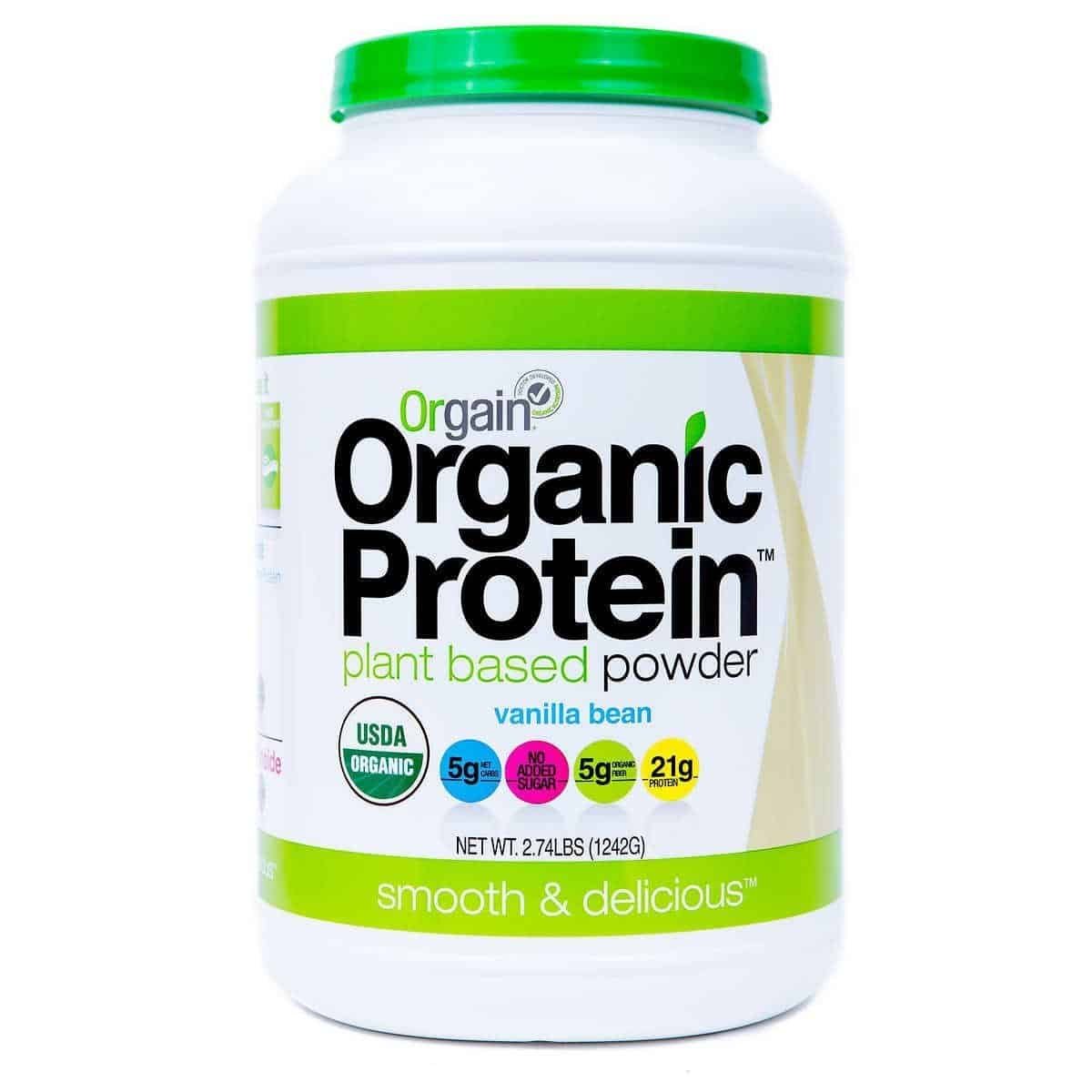
- 21g plant protein per serving, under 1g sugar, 4g prebiotic fiber
- USDA Organic, Non-GMO, no soy
- Completely dairy-free
The right choice if you’re avoiding dairy entirely, whether by preference or lactose sensitivity — a genuinely common issue that becomes more noticeable with age. If you’re weighing plant protein more broadly against low-cholesterol whey options, our low cholesterol protein powder guide covers additional choices for heart-conscious diets. Best for: Anyone avoiding dairy who still wants a full amino acid profile and added fiber.
Protein and Resistance Training: The Combination That Actually Matters
Protein intake alone, without a training stimulus, will slow muscle loss but won’t meaningfully build new muscle. The two work together — protein gives your body the raw material, resistance training gives it a reason to use that material for muscle rather than just basic maintenance. Our guide on protein and strength training covers how to pair the two effectively.
If your training routine centers on cardio rather than resistance work specifically, that’s still valuable for cardiovascular health and weight management, though pairing it with even minimal resistance training will get more out of the extra protein than cardio alone.
Frequently Asked Questions
How much protein do I need after 40 if I’m not exercising?
Even without regular exercise, adults over 40 benefit from more protein than the standard 0.8g/kg RDA, generally around 1.0g/kg, to help offset natural age-related muscle loss. Adding resistance training on top of that intake produces significantly better results than diet alone.
Is it too much protein if I eat more than the RDA?
For healthy adults without kidney disease or other relevant conditions, intakes in the 1.0-1.3g/kg range are well within safe limits and are actually associated with better muscle and functional outcomes than the standard RDA. Check with your doctor if you have an existing kidney or liver condition.
What is anabolic resistance?
Anabolic resistance is the reduced responsiveness of aging muscle to the same amount of protein and training stimulus that would trigger muscle growth more easily at a younger age. It’s a key reason protein recommendations increase with age even without any change in activity level.
Do I need to spread protein evenly across meals?
Research suggests aiming for at least 25-30g of protein per meal is more effective for triggering muscle protein synthesis than concentrating most of your intake in one large meal. Breakfast is typically the meal where people fall shortest of this threshold.
Do women need less protein than men after 40?
No. The gram-per-kilogram recommendations apply similarly to both sexes. Some foundational research used male-only samples, but subsequent dedicated studies in women have confirmed the same general thresholds and benefits apply.
Can I get enough protein from food alone after 40?
Yes, for most people, though it requires more deliberate planning than at a younger age, particularly at breakfast and lunch where protein intake commonly falls short. A protein supplement is a reasonable, practical option if you consistently can’t close that gap through food.
Does protein alone prevent muscle loss without exercise?
Protein intake alone helps slow age-related muscle loss but is significantly more effective when paired with resistance training. The training stimulus gives your body a reason to use the additional protein for muscle maintenance and growth rather than just baseline function.
At what age does muscle loss actually start?
Muscle loss typically begins around age 30, at a gradual rate of about 3-5% per decade, according to the NIH. It’s usually not noticeable at first, which is exactly why addressing protein intake proactively in your 30s and 40s matters more than waiting until the effects become obvious.
Affiliate Disclosure: myactivetribe.com is supported by its readers. When you purchase through links on our site, we may earn an affiliate commission at no additional cost to you.