By AnilKK | Certified Nutrition & Fitness Coach (INFS) | 24-Year Runner | Updated July 2026
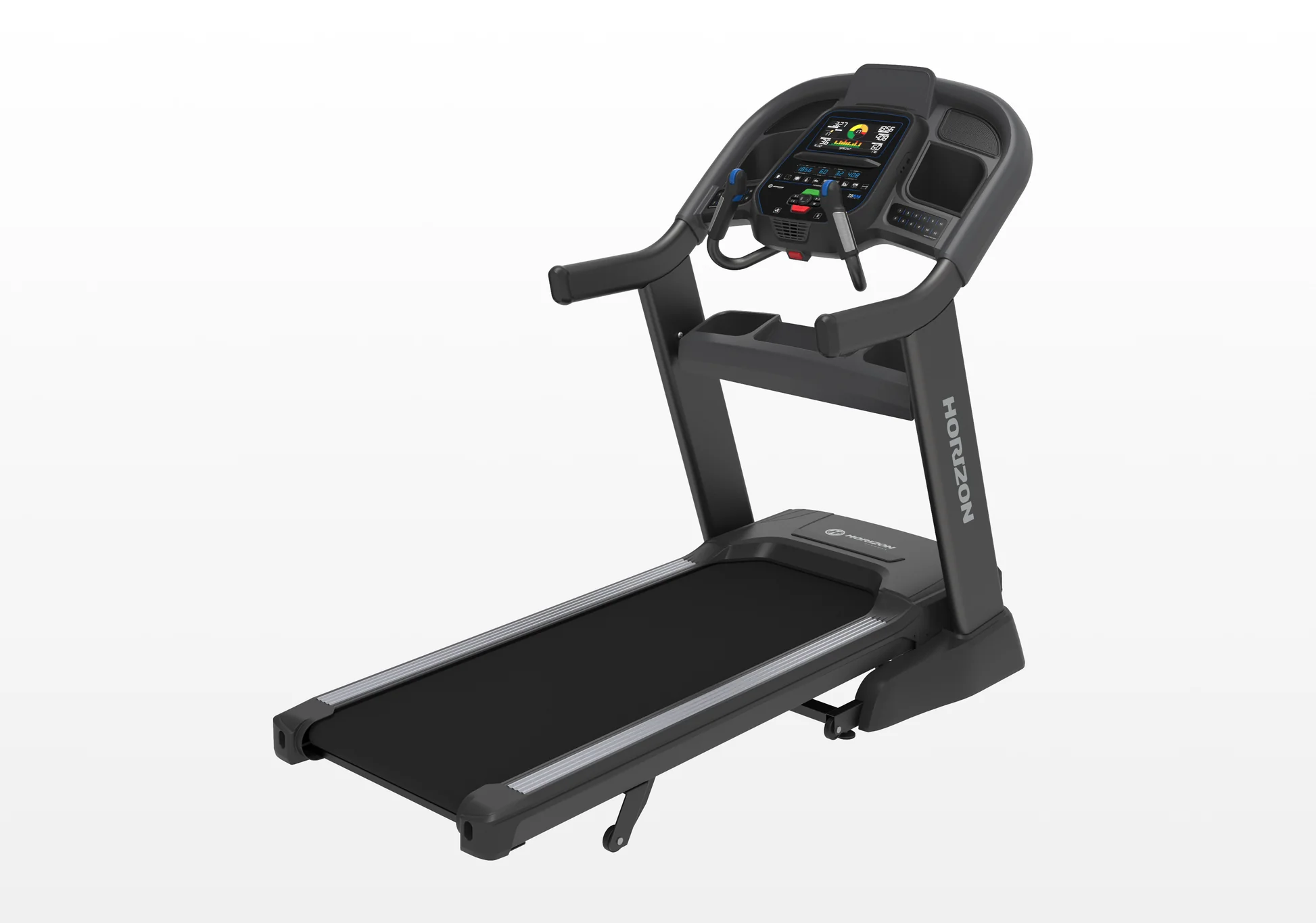
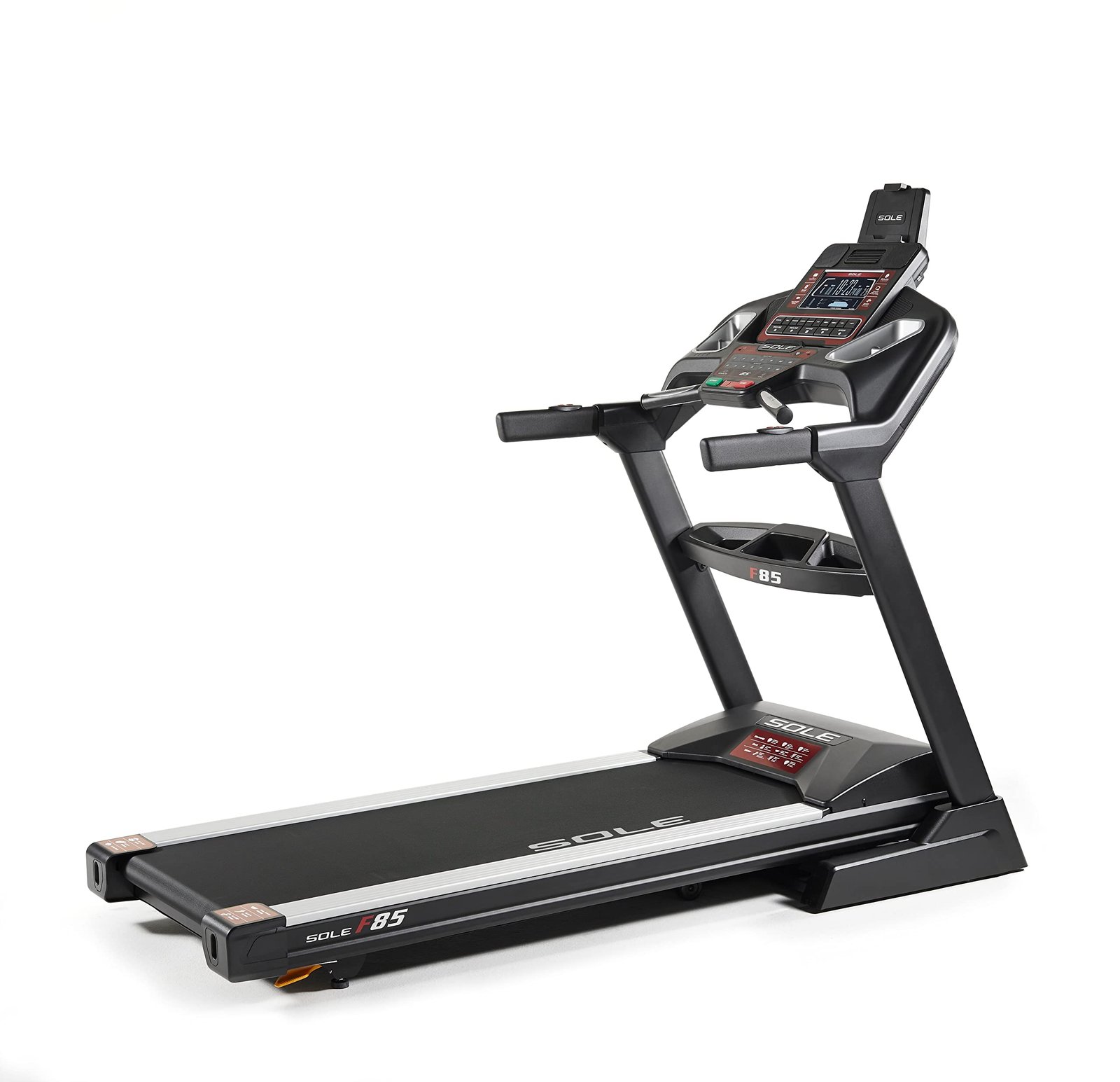
Sole F85 vs. Horizon 7.8 AT is one of the most common head-to-head comparisons I get asked about, and it’s a genuinely close call — both are 4.0 HP, 375 lb-capacity treadmills with a 22″ x 60″ deck at a similar price point. In 24 years of running and testing over 250 treadmills, I’ve found the real difference between these two comes down to one question: do you want a built-in touchscreen with decline capability, or faster speed and incline response for interval training?
Quick Answer: The Sole F85 wins on screen size (15.6″ touchscreen vs. Horizon’s 9.3″ display) and is the only one of the two with decline capability (-6% to 15%, vs. Horizon’s 0-15% incline only). The Horizon 7.8 AT wins on speed and incline response with its Rapid Sync motor, and its 5-year parts warranty beats the F85’s 3-year parts coverage. Choose the F85 for entertainment and decline training; choose the Horizon for HIIT responsiveness and stronger parts protection.
Table of Contents
Sole F85 vs. Horizon 7.8 AT — Full Spec Comparison
| Spec | Sole F85 | Horizon 7.8 AT |
|---|---|---|
| Motor | 4.0 CHP DC | 4.0 CHP Rapid Sync |
| Top Speed | 12 mph | 12 mph |
| Incline/Decline | 0-15% incline, -6% decline | 0-15% incline, no decline |
| Running Surface | 22″ x 60″ | 22″ x 60″ |
| Weight Capacity | 375 lb | 375 lb |
| Machine Weight | 319 lb | 330 lb |
| Display | 15.6″ touchscreen | 9.3″ color TFT |
| Connectivity | Bluetooth 5.0, Wi-Fi, no subscription required | Bluetooth FTMS, no subscription required |
| Warranty | Lifetime frame, 3 years parts, 1 year labor | Lifetime frame & motor, 5 years parts, 2 years labor |
Where the Sole F85 Wins
Screen size. The F85’s 15.6″ touchscreen dwarfs the Horizon’s 9.3″ display, and it streams Netflix, YouTube, and other apps natively with no subscription required. If entertainment during longer sessions matters to you, this isn’t close.
Decline capability. The F85 is one of the few folding treadmills with genuine decline training, dropping to -6% to simulate downhill running. This engages different muscles than flat running — see our breakdown of muscles involved in treadmill workouts for exactly which ones. The Horizon 7.8 AT has no decline at all — incline only. If you’re training for a race with downhill sections, this is a real, practical difference.
Connectivity options. The F85 adds Wi-Fi on top of Bluetooth, which the Horizon doesn’t have. This matters if you want to stream content without needing your phone connected via Bluetooth first.
Where the Horizon 7.8 AT Wins
Speed and incline responsiveness. Horizon’s Rapid Sync motor technology is specifically built for fast transitions between speed and incline settings, which matters directly during HIIT or Sprint 8-style interval training where you’re constantly changing intensity.
Parts and labor warranty. Horizon backs the 7.8 AT with 5 years on parts and 2 years on labor — meaningfully longer than the F85’s 3-year parts and 1-year labor coverage. Both offer lifetime frame protection, but Horizon’s secondary coverage is stronger.
Quick control access. Horizon’s QuickDial controls let you adjust speed and incline directly from the handlebars without reaching for the console — a genuinely practical touch during a hard interval when you don’t want to break stride to make an adjustment.
Who Should Choose Each Treadmill
Choose the Sole F85 if: You want the largest available screen for entertainment during workouts, you specifically want decline training for race preparation, or you value having Wi-Fi as a connectivity option alongside Bluetooth.
Choose the Horizon 7.8 AT if: You do a lot of interval or HIIT training where fast speed/incline response matters, you want stronger parts and labor warranty coverage, or you prefer handlebar-mounted quick controls over touchscreen navigation mid-workout.
If you’re weighing a step down in price and specs from either of these, our Sole F80 vs. Horizon 7.4 AT comparison covers the tier just below this one.
Whichever you pick, our treadmill workouts for weight loss guide has structured sessions to help you get the most from it.
What to Consider Before Buying Either
Weight capacity headroom. Both treadmills share the same 375 lb maximum. I recommend staying 20-30 lb under that figure for regular use, meaning both are best suited to users up to roughly 345-355 lb rather than exactly 375 lb. If you need higher capacity than either offers, our best treadmills for heavy people guide covers alternatives built specifically for that need.
Decline training value. If you don’t specifically train for races with downhill sections, the F85’s decline feature may not justify choosing it over the Horizon purely on that basis. Be honest with yourself about whether you’ll actually use it.
Training style. If your workouts are mostly steady-state running or walking, the screen and decline differences matter more than motor responsiveness. If you do frequent intervals, Horizon’s Rapid Sync motor is a genuine practical advantage. For a broader range of high-performance options beyond just these two, our heavy duty treadmill for serious runners guide is worth a look.
Long-term warranty risk. If you’re planning very high-mileage daily use, Horizon’s longer parts and labor coverage provides more protection against the years when issues are statistically most likely to appear.
Space and delivery. Both machines are similar in size and weight (319-330 lb), so plan for two-person assembly or professional delivery either way.
Why Decline Training Is a Genuine Differentiator, Not Just a Spec
Decline running loads the quadriceps eccentrically in a way flat or uphill running simply doesn’t replicate. Research published in the National Library of Medicine has examined how downhill running affects muscle loading patterns differently than level or uphill training, which is exactly why the F85’s -6% decline is genuinely useful for runners preparing for courses with elevation loss, not just a marketing checkbox.
According to the American College of Sports Medicine, varying training stimulus — including incline and decline work — supports more well-rounded strength and conditioning outcomes than flat running alone, which is worth weighing if your training goals go beyond simple cardiovascular fitness.
Related reading: NordicTrack 2450 Treadmill
Frequently Asked Questions
Is the Sole F85 or Horizon 7.8 AT better?
Neither is universally better — they suit different priorities. The Sole F85 wins on screen size and decline capability, while the Horizon 7.8 AT wins on speed/incline responsiveness and warranty coverage on parts and labor.
Do the Sole F85 and Horizon 7.8 AT have the same weight capacity?
Yes, both treadmills share an identical 375 lb weight capacity. For regular use, I recommend staying 20-30 lb under this maximum on either machine.
Which treadmill has decline capability, the F85 or the 7.8 AT?
Only the Sole F85 offers decline training, going down to -6% to simulate downhill running. The Horizon 7.8 AT offers incline only, from 0-15%, with no decline function.
Do either of these treadmills require a subscription?
No. Both the Sole F85 and Horizon 7.8 AT function fully without any required subscription, and both connect to third-party apps via Bluetooth without a paywall on core functionality.
Which treadmill is better for HIIT training?
The Horizon 7.8 AT is generally better suited to HIIT, thanks to its Rapid Sync motor technology designed specifically for fast speed and incline transitions, plus handlebar-mounted QuickDial controls for adjustments mid-interval.
Are the Sole F85 and Horizon 7.8 AT the same size?
They’re very close — both share the same 22″ x 60″ running surface. Machine weight differs slightly, with the F85 at 319 lb and the Horizon 7.8 AT at 330 lb.
Which treadmill has a bigger screen?
The Sole F85’s 15.6″ touchscreen is significantly larger than the Horizon 7.8 AT’s 9.3″ color display, and it also supports native app streaming without requiring a separate device.
myactivetribe.com is supported by its readers. When you purchase through links on our site, we may earn an affiliate commission at no additional cost to you. This does not influence our recommendations.