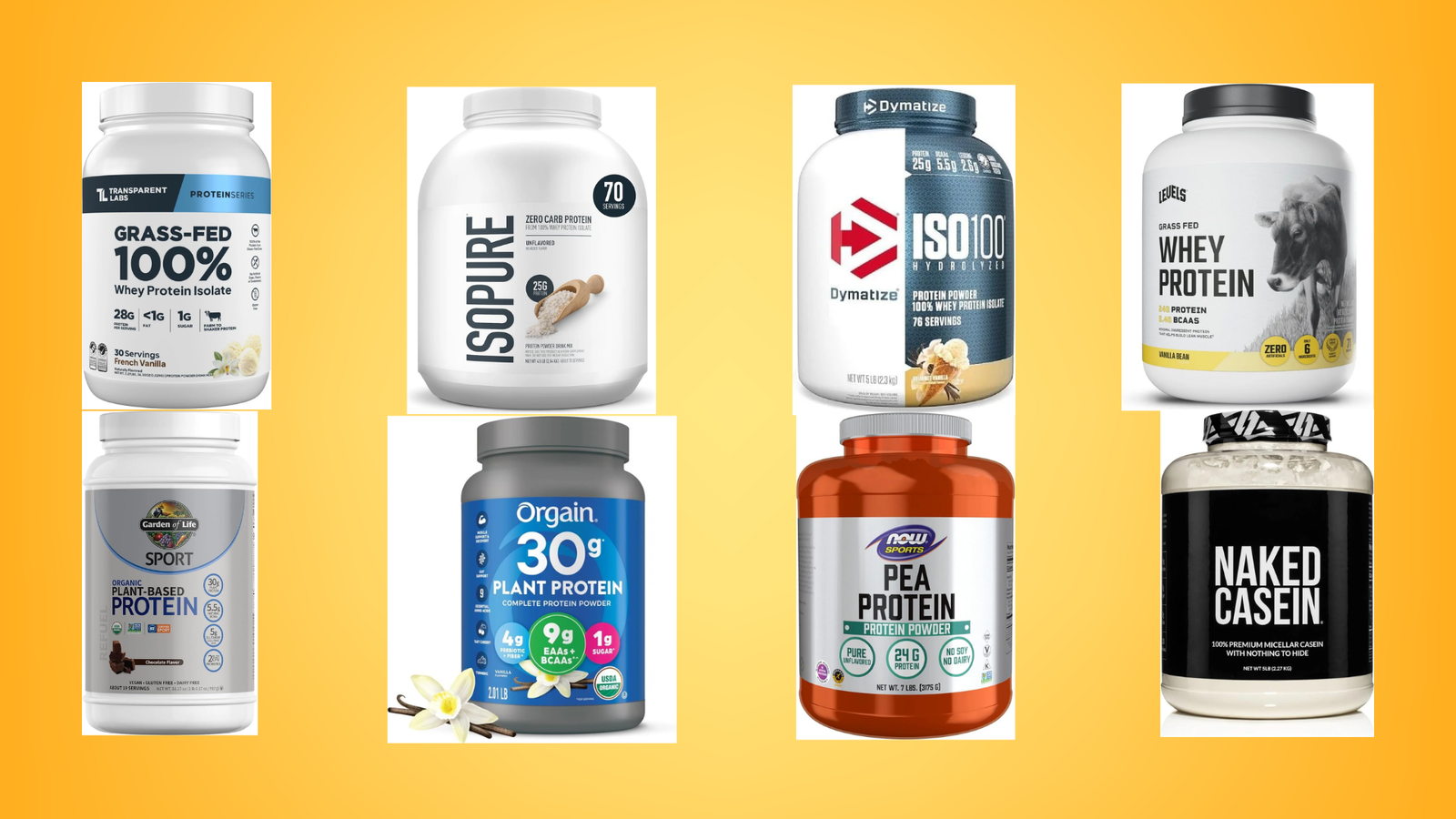
The best protein powder for diabetics in 2026 is Transparent Labs Grass-Fed Whey Isolate — 28g protein, 1g carbs, no artificial sweeteners, and Informed Choice certified. For genuinely zero carbs, Isopure Zero Carb and Naked Casein are the strongest options. For plant-based buyers or those avoiding dairy, Garden of Life Sport (NSF Certified, 30g protein) and Orgain Organic (prebiotic fiber, no added sugar) are both verified in stock on Amazon. All eight products on this list contain 4g of carbohydrates or fewer per serving and have been selected specifically for diabetic-friendly nutritional profiles — no hidden maltodextrin, no added sugars, no guesswork on the label.
I’m AnilKK — a certified nutrition and fitness coach (INFS) with 24 years of running experience and over 1,000 weight management clients. Managing blood sugar is one of the most common challenges I see in coaching, and protein supplementation is one of the most misunderstood tools available to people with diabetes. The right product, taken at the right time, can meaningfully support blood glucose control. The wrong product — one with hidden maltodextrin, artificial sweeteners that affect insulin sensitivity, or excess carbohydrates rounded down on the label — can work against your management goals without you realising it. This guide cuts through that confusion with verified specs, honest product assessments, and practical guidance grounded in my coaching experience.
Quick Answer: The best protein powders for diabetics in 2026 are Transparent Labs Grass-Fed Whey Isolate (best overall — 28g protein, 1g carbs, no artificial sweeteners), Isopure Zero Carb (best for strict blood sugar control — 0g carbs, vitamins included), and Garden of Life Sport (best plant-based — NSF Certified, 30g protein, probiotics). For diabetics on GLP-1 medications like Ozempic or Wegovy, Dymatize ISO 100‘s hydrolyzed formula is easiest to digest when appetite is suppressed. All products verified in stock on Amazon as of May 2026.
Table of Contents
Best Protein Powders for Diabetics 2026 — Quick Comparison
| Product | Type | Carbs Per Serving | Protein Per Serving | Sugar Per Serving | Third-Party Tested | Best For |
|---|---|---|---|---|---|---|
| Transparent Labs Grass-Fed Whey Isolate | Whey isolate | 1g | 28g | 0g | ✅ Informed Choice + Informed Protein | Best overall, no artificial sweeteners |
| Isopure Zero Carb | Whey isolate | 0g | 25g | 0g | ✅ Third-party tested | Strict blood sugar control, zero carbs |
| Dymatize ISO 100 | Hydrolyzed whey | 2g | 25g | 1g | ✅ Informed Choice | GLP-1 users, fastest absorption |
| Levels Grass-Fed Whey | Whey concentrate | 3g | 24g | 2g | ✅ Third-party tested | Budget-friendly, no artificials |
| Garden of Life Sport | Plant-based | 3g | 30g | 1g | ✅ NSF Certified for Sport | Best plant-based, dairy-free |
| Orgain Organic Protein | Plant-based | 4g net | 21g | 1g | ✅ USDA Organic, Non-GMO | Budget plant-based, prebiotic fiber |
| NOW Sports Pea Protein | Pea isolate | 2g | 24g | 0g | ✅ GMP certified facility | Dairy-free, kidney-friendly, budget |
| Naked Casein | Micellar casein | 3g | 26g | 0g | ✅ NSF Certified | Bedtime use, overnight blood sugar stability |
All specs sourced from official brand websites and verified against Amazon listings as of May 2026. All products confirmed in stock on Amazon at time of writing.
Does Whey Protein Raise Blood Sugar? What the Research Actually Shows
This is the question most diabetics ask first, and the answer is more nuanced than a simple yes or no. Whey protein isolate stimulates the secretion of incretin hormones — specifically GLP-1 and GIP — which play a direct role in insulin secretion and blood glucose regulation. Research published by the National Institutes of Health has shown that consuming whey protein before a carbohydrate-containing meal can meaningfully reduce the postprandial blood glucose spike compared to eating carbohydrates alone. In practical terms: a whey protein shake taken 15–20 minutes before a meal can help blunt the blood sugar rise that follows eating.
The caveat is in the product choice. Pure whey protein isolate — which contains 0–2g of carbohydrates per serving — has a negligible direct effect on blood glucose. The blood sugar spikes associated with protein powders come almost entirely from added ingredients: maltodextrin fillers, added sugars, dextrose, and flavouring systems that contain hidden carbohydrates. A protein powder labelled “low sugar” can still spike blood glucose if it contains maltodextrin, which research confirms is rapidly absorbed with a glycaemic index of roughly 85 to 105 — higher than table sugar. Every product on this list has been checked for maltodextrin and contains none of it.
One honest caution: if you have poorly controlled diabetes, kidney disease, or are on insulin therapy, the interaction between protein and blood glucose management is complex enough that a conversation with your healthcare provider before adding protein supplementation is genuinely important — not a legal disclaimer, but practical advice. Protein affects insulin secretion, and that interaction needs to be accounted for in your overall management plan.
1. Transparent Labs Grass-Fed Whey Isolate — Best Overall
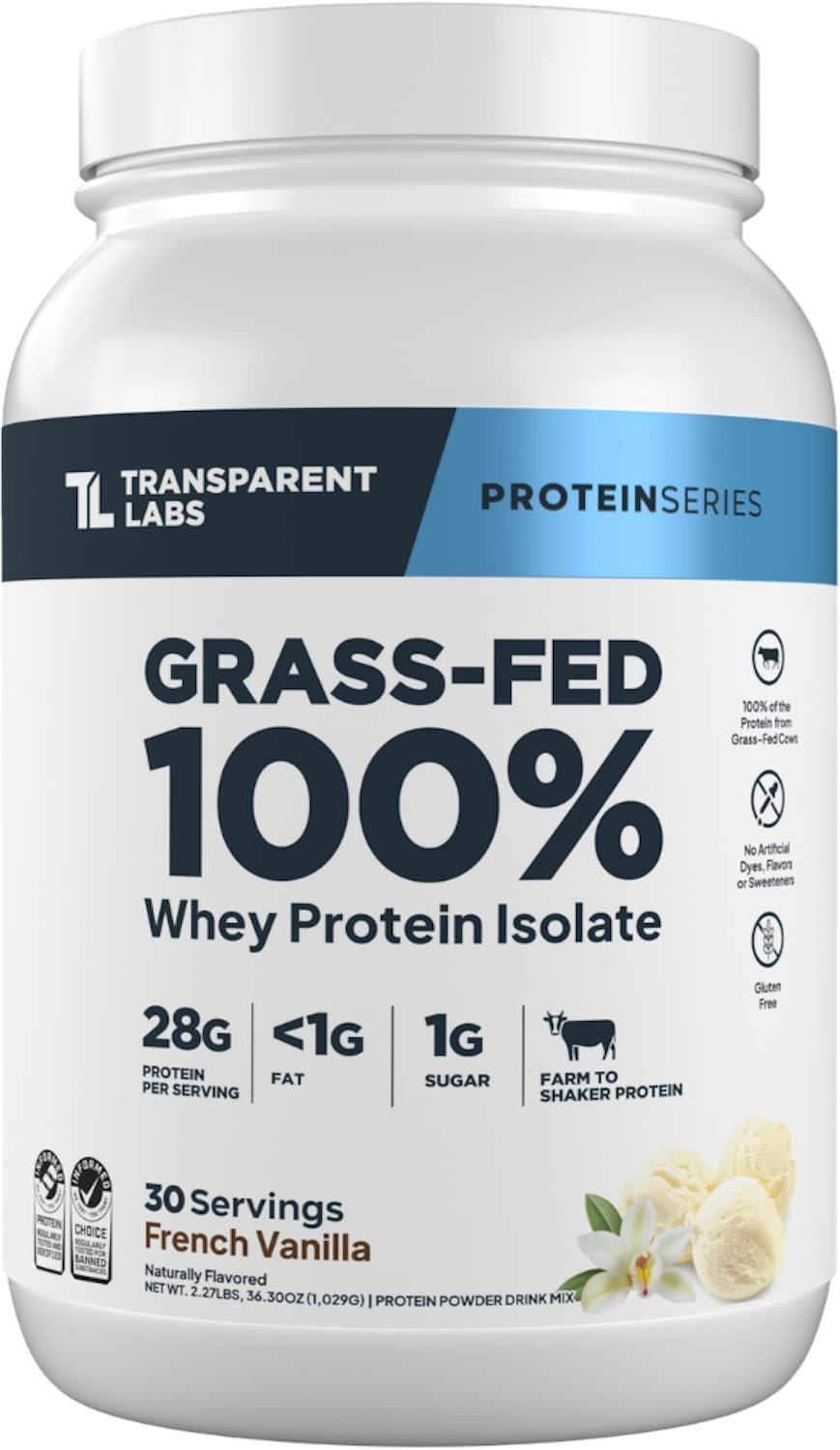
Transparent Labs Grass-Fed Whey Isolate is the strongest all-around choice for most diabetics. Each serving delivers 28g of protein — the highest on this list — with 1g of carbohydrates, 0g of added sugar, and no artificial sweeteners, flavours, or colours. It uses stevia as the only sweetener, carries both Informed Choice and Informed Protein dual certifications, and is sourced from cold-processed, grass-fed whey — meaning the native protein fractions are preserved rather than denatured by heat processing.
What Makes It Different
The dual certification is the key differentiator. Informed Choice tests for banned substances; Informed Protein specifically verifies that the protein content on the label matches what is actually in the tub — an important protection against amino spiking, where cheaper amino acids are added to inflate the protein reading on a standard nitrogen test. For a diabetic who is carefully tracking protein intake as part of a management plan, label accuracy matters more than it does for casual gym users.
The absence of artificial sweeteners is also clinically relevant. Some research suggests sucralose and acesulfame potassium may affect gut microbiome composition and insulin response in ways that are not fully understood. For diabetics who want to eliminate all variables affecting their blood glucose management, stevia-sweetened products are the cleaner choice.
Best for: Diabetics who want the highest protein per serving with verified label accuracy, no artificial sweeteners, and the cleanest possible whey isolate formulation.
- 28g protein per serving — highest on this list, with only 1g carbohydrates and 0g added sugar
- No artificial sweeteners, colours, or preservatives — stevia only, relevant for diabetics managing every variable affecting blood glucose
- Informed Choice + Informed Protein dual certification — independently verifies both purity and label accuracy
- Grass-fed cold-processed sourcing — preserves native protein fractions and provides a cleaner amino acid profile
Cons: Higher price per serving than most competitors. Primarily available through Amazon and the Transparent Labs website — limited physical store availability.
2. Isopure Zero Carb — Best for Strict Blood Sugar Control
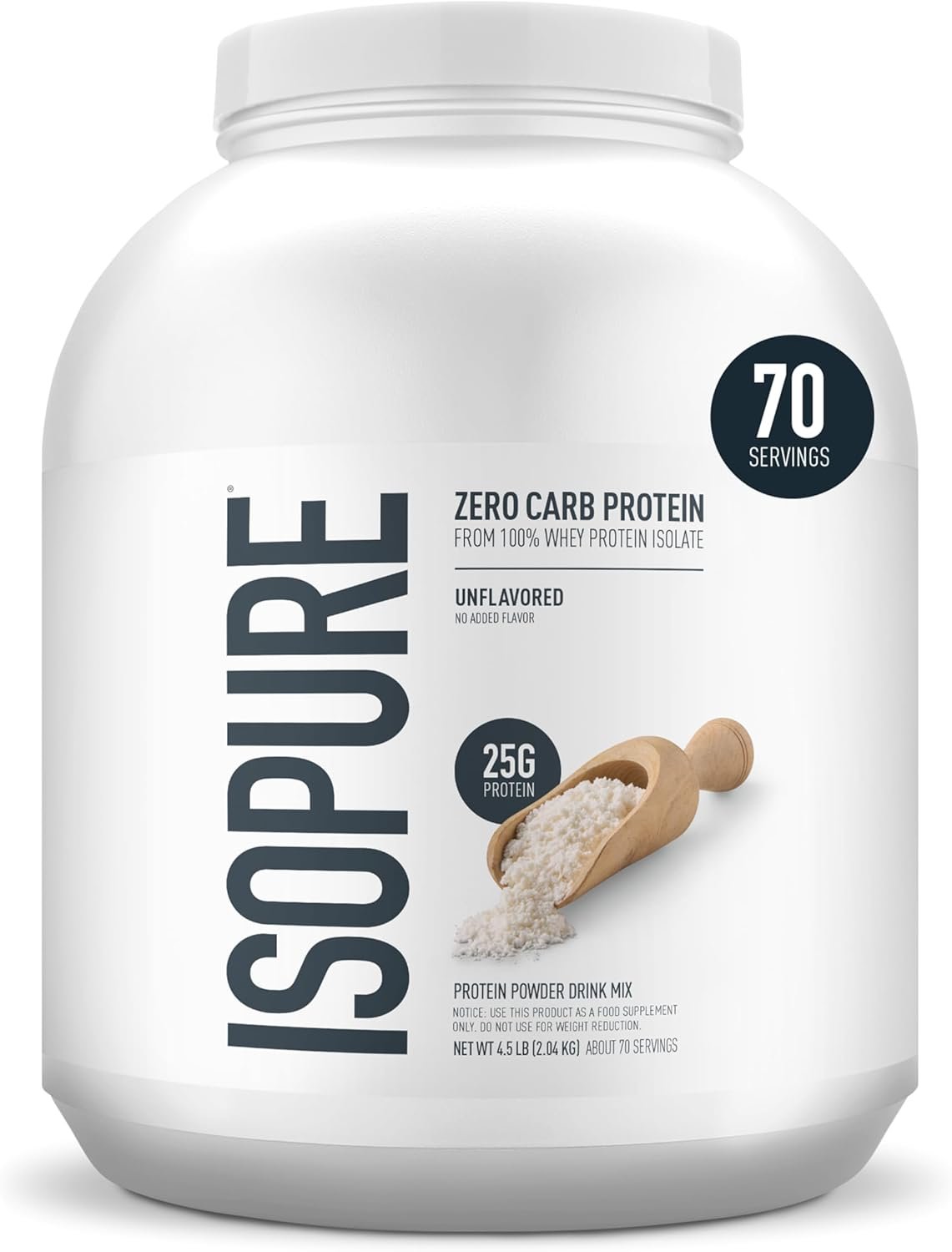
Isopure Zero Carb is exactly what the name states: 0g carbohydrates, 0g sugar, 25g protein per serving from 100% whey protein isolate processed through cross-flow microfiltration. It is fully lactose-free and gluten-free, and includes 22 vitamins and minerals per serving — making it the most nutritionally complete option on this list beyond pure protein delivery. For diabetics on medically supervised carb-restricted diets where every gram of carbohydrate is tracked, the confirmed zero carb reading removes all uncertainty.
What Makes It Different
The unflavoured version is genuinely useful for diabetics who want to add protein to meals without altering taste or adding any sweeteners whatsoever — including stevia, which some individuals prefer to avoid. Mixing unflavoured Isopure Zero Carb into soups, yoghurt, or savoury meals adds 25g protein with no taste impact and zero carbohydrate contribution. This flexibility matters for diabetics who are managing protein intake as part of a complex meal plan rather than simply adding protein shakes.
Best for: Diabetics with strict carbohydrate limits, those on medically supervised low-carb protocols, and anyone who wants to add protein to savoury meals without affecting taste or blood glucose.
- Confirmed 0g carbohydrates — not rounded down from a fractional amount, verified through cross-flow microfiltration processing
- 22 vitamins and minerals included — more nutritional completeness than any other product on this list
- Fully lactose-free — suitable for diabetics who also have lactose intolerance, a common comorbidity
- Unflavoured version mixes invisibly into food — adds protein to any meal without affecting blood glucose through added flavouring carbohydrates
Cons: Flavoured versions contain sucralose and acesulfame potassium. Taste is polarising — buying a 1lb size before committing to a larger container is strongly recommended.
3. Dymatize ISO 100 — Best for Diabetics on GLP-1 Medications
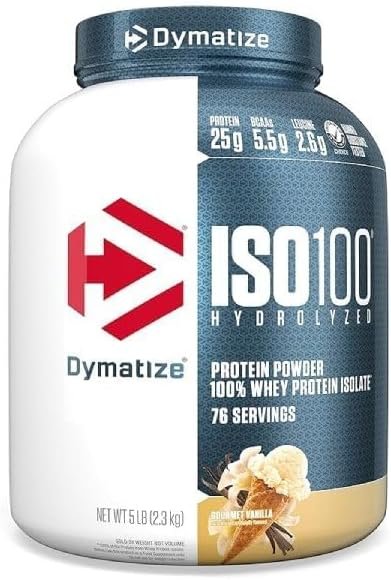
Dymatize ISO 100 uses hydrolyzed whey protein isolate — pre-digested into smaller peptide chains for faster absorption than standard isolates. This is particularly relevant for diabetics on GLP-1 medications (Ozempic, Wegovy, Mounjaro) where appetite suppression and nausea make it difficult to consume adequate protein through food alone. A smaller, faster-absorbing serving is easier to tolerate when your appetite is significantly reduced, and the 25g protein per 30g serving means you can get meaningful protein benefit from a half-serving if a full shake is too much.
What Makes It Different
The hydrolysis also means faster gastric transit — relevant for GLP-1 users whose medication already slows gastric emptying significantly. A standard protein isolate on top of slowed gastric emptying can cause significant digestive discomfort; the pre-hydrolyzed peptides in ISO 100 bypass much of that digestion requirement and absorb more directly. Each serving provides 2.7g leucine — the amino acid threshold required to trigger muscle protein synthesis — which is critical for GLP-1 users who are at risk of losing muscle mass alongside fat during rapid weight loss.
Best for: Diabetics on GLP-1 medications (Ozempic, Wegovy, Mounjaro) who need fast-absorbing, easy-to-digest protein in smaller servings to prevent muscle loss during weight loss.
- Hydrolyzed whey isolate — fastest absorption on this list, easiest on digestion for GLP-1 users with slowed gastric emptying
- 2.7g leucine per serving — the specific threshold required to trigger muscle protein synthesis, protecting against GLP-1-related muscle loss
- 2g carbohydrates per serving — well within any diabetic carb budget
- Informed Choice certified — independently tested for banned substances
Cons: Contains sucralose. Slightly higher price than standard isolates due to the hydrolysis process. Not suitable for those with severe lactose intolerance despite very low lactose content.
4. Levels Grass-Fed Whey — Best Budget Option Without Artificials
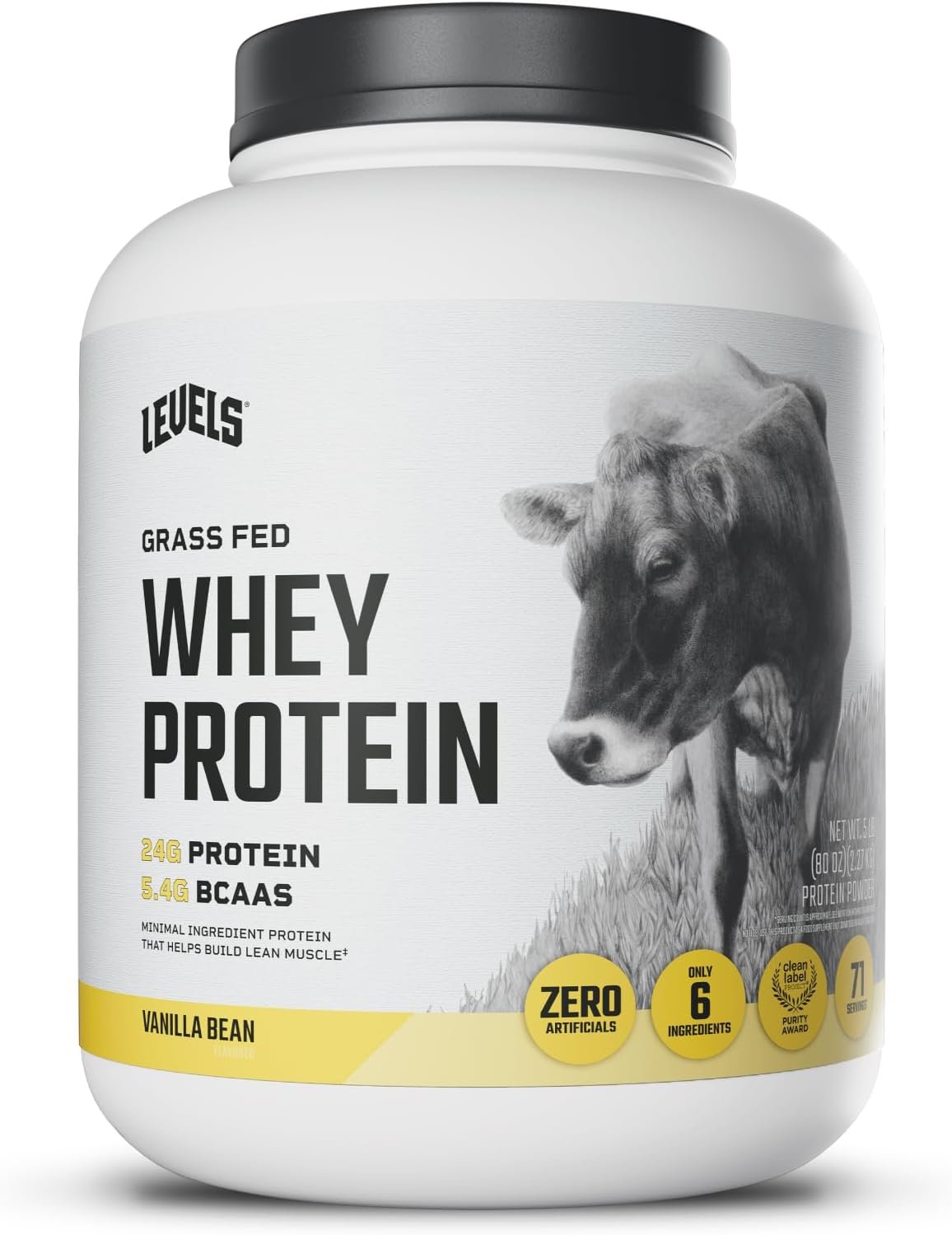
Levels Grass-Fed Whey delivers 24g protein, 3g carbohydrates, and 2g sugar per serving with no artificial hormones, GMOs, added sugars, soy, gluten, bleach, fillers, or artificial flavours or sweeteners. It uses a whey concentrate base rather than isolate, which means slightly more carbohydrates per serving than the isolate options above — but still well within a diabetic-friendly range. The price per serving is significantly lower than Transparent Labs or Dymatize, making it the most accessible clean-label option on this list.
What Makes It Different
Levels is the cleanest budget option available. Most affordable protein powders achieve their price point by using cheaper sweeteners, fillers, or lower-quality protein sources. Levels achieves a lower price through direct sourcing and straightforward packaging rather than compromising on ingredients. For a diabetic buyer who wants a daily-use protein powder without the premium price of Transparent Labs or the strict zero-carb requirement of Isopure, Levels hits the practical middle ground.
Best for: Budget-conscious diabetics who want a clean-label, no-artificial-ingredients whey protein for daily use without paying premium isolate prices.
- No artificial sweeteners, flavours, hormones, GMOs, or fillers — clean label at the most accessible price point on this list
- Grass-fed sourcing — no rBGH or rBST hormones, relevant for diabetics concerned about hormone interactions
- 3g carbohydrates per serving — fits comfortably within a standard diabetic carb budget
- Multiple sizes available on Amazon — cost-effective in the 5lb size for regular users
Cons: Whey concentrate rather than isolate — slightly higher carb and lactose content than isolate-based products. Not suitable for those with significant lactose intolerance.
5. Garden of Life Sport Organic Plant-Based Protein — Best Plant-Based Option
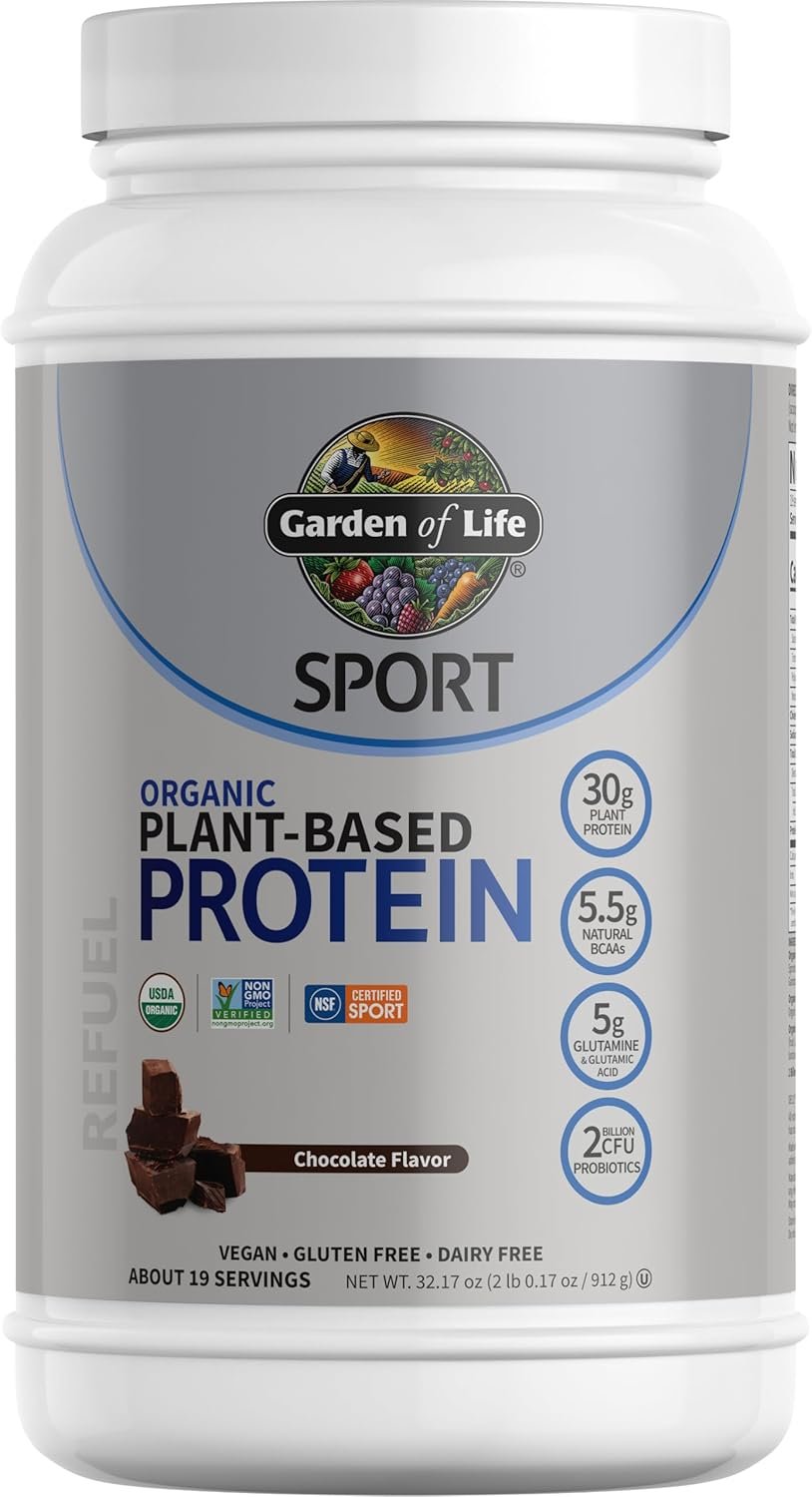
Garden of Life Sport is the strongest plant-based option for diabetics — 30g organic protein per serving from a blend of US-grown organic peas, garbanzo beans, navy beans, lentils, and cranberry seed protein. It carries quad certification: USDA Organic, NSF Certified for Sport, Non-GMO Project Verified, and Informed Choice. It also includes 2 billion CFU of clinically studied Bacillus subtilis DE111 probiotics per serving — relevant for diabetics because gut microbiome health is increasingly understood to play a role in blood glucose regulation and insulin sensitivity.
What Makes It Different
The multi-legume protein blend provides a complete amino acid profile without dairy — important for diabetics who have lactose intolerance, a dairy allergy, or who prefer to avoid animal products for other health reasons. At 3g carbohydrates per serving with 1g sugar, it fits diabetic macro requirements comfortably. The added probiotics are a genuine benefit rather than a marketing addition — the specific strain (DE111) has clinical evidence for digestive health support, and improved gut health is associated with better glycaemic control in multiple studies.
Best for: Diabetics who want a plant-based, dairy-free protein powder with the highest protein per serving in the plant-based category, quad-certified clean, and with probiotic support for gut health.
- 30g organic protein per serving — highest plant-based protein count on this list, matching or exceeding several whey options
- Quad certification — USDA Organic, NSF Certified for Sport, Non-GMO, and Informed Choice — the most tested product in this category
- 2 billion CFU DE111 probiotics — clinical evidence for digestive health support, relevant for blood glucose regulation
- Complete amino acid profile from multi-legume blend — no need to combine with other plant proteins to get full essential amino acid coverage
Cons: Higher price per serving than standard plant proteins. The multi-ingredient blend means it is not suitable for buyers with specific legume allergies.
6. Orgain Organic Protein — Best Budget Plant-Based Option
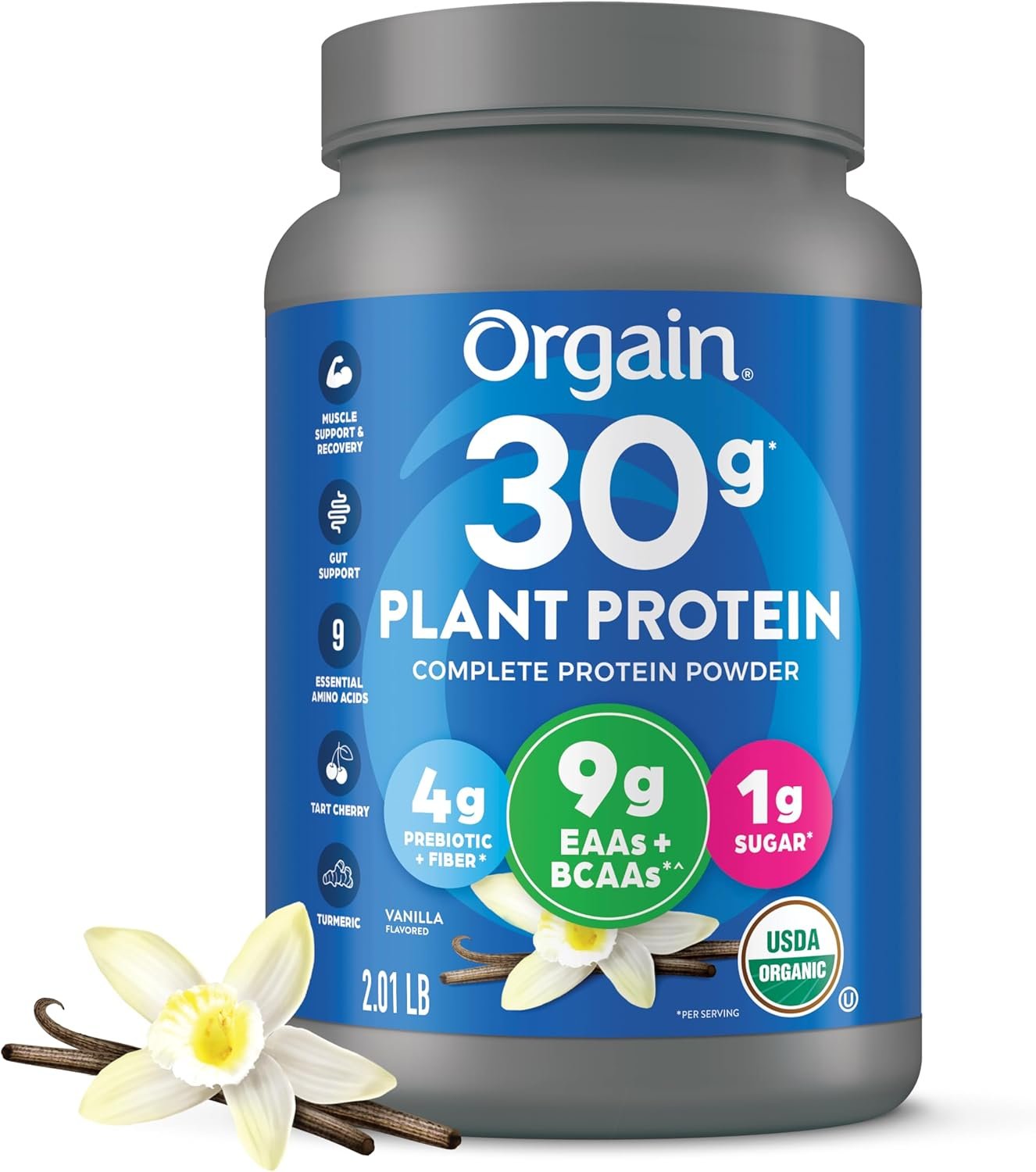
Orgain Organic Protein provides 21g plant protein, 6g prebiotic fiber, 4g net carbohydrates, and 1g sugar per serving from a blend of organic peas, brown rice, mung bean, and chia seeds. It is USDA Organic, Non-GMO, lactose-free, gluten-free, and contains no added sugar. The prebiotic fiber is a meaningful addition for diabetics — fiber slows gastric emptying, which directly reduces the rate of glucose absorption after eating and helps flatten the post-meal blood sugar curve.
What Makes It Different
At 4g net carbohydrates, Orgain is the highest-carb product on this list — but the carbohydrates come partly from the 6g prebiotic fiber, which does not behave like digestible carbohydrates in terms of blood glucose impact. The net carb figure (total carbs minus fiber) reflects the actual glycaemic contribution more accurately than the total carb number. For a diabetic who is counting net carbs rather than total carbs, this distinction matters. Orgain is also the most affordable plant-based option on this list, making it the practical daily-use choice for buyers who cannot stretch to Garden of Life Sport’s price point.
Best for: Budget-conscious diabetics who want an organic, plant-based daily protein with prebiotic fiber support and no added sugar at the most accessible price point in the plant-based category.
- 6g prebiotic fiber per serving — slows glucose absorption and supports gut microbiome health, both directly relevant to blood sugar management
- No added sugar, USDA Organic, Non-GMO — clean plant-based label at the lowest price point on this list
- Complete plant protein blend — peas, brown rice, mung bean, and chia seeds provide all essential amino acids
- Widely available on Amazon in multiple sizes — consistent stock and reliable reorder
Cons: 21g protein per serving is lower than most competitors. The 4g net carbs is the highest on this list — buyers on very strict carb limits should choose Isopure Zero Carb or Transparent Labs instead.
7. NOW Sports Pea Protein — Best for Diabetics with Kidney Concerns
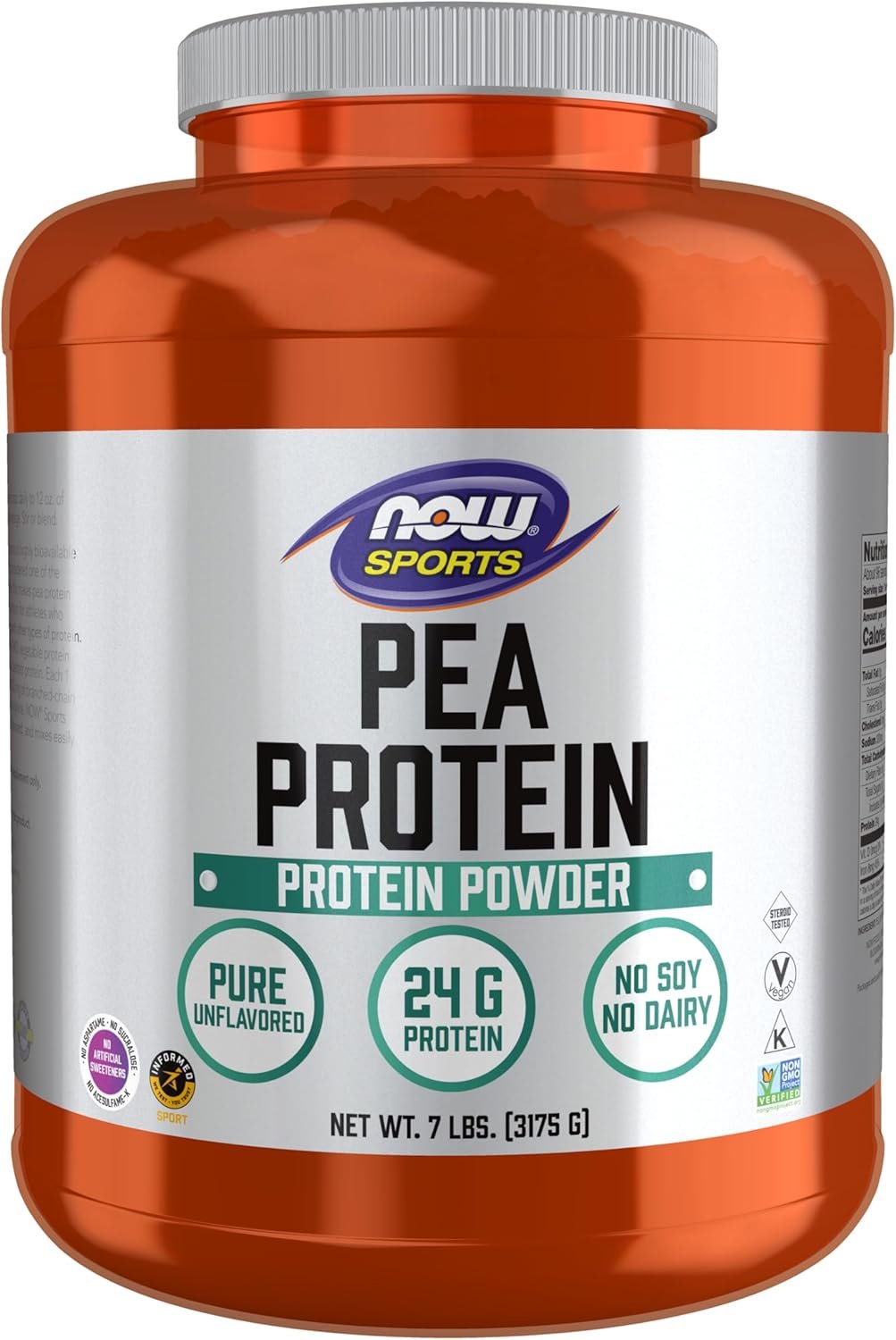
NOW Sports Pea Protein provides 24g protein and 2g carbohydrates per serving from yellow pea protein isolate — fully dairy-free, gluten-free, soy-free, and unflavoured. It is produced in a GMP certified facility and contains no artificial ingredients whatsoever. Pea protein is particularly relevant for diabetics with early-stage kidney concerns: it is lower in certain amino acids (specifically methionine and cysteine) that are associated with increased renal acid load in high-protein diets, making it a gentler option for kidneys under stress than high-dose whey.
What Makes It Different
The unflavoured format at this price point is the genuine differentiator. Most budget pea proteins use artificial sweeteners or flavours to mask pea protein’s earthy taste. NOW Sports Pea Protein contains one ingredient — yellow pea protein isolate — which means it mixes into any food or liquid without affecting taste and without contributing any sweeteners, natural or artificial, to your blood glucose management considerations. At the 7lb size it is also the best value per gram of protein on this list. Important caveat: if you have diagnosed kidney disease, please discuss your specific protein requirements and safe daily intake with your nephrologist before using any protein supplement.
Best for: Diabetics with early-stage kidney concerns who need a dairy-free, soy-free, unflavoured protein powder with minimal renal acid load at the lowest price per serving on this list.
- Single-ingredient pea protein isolate — no artificial sweeteners, flavours, or fillers, mixes invisibly into any food
- Lower renal acid load than whey — more appropriate than high-dose whey for diabetics with early kidney concerns
- 2g carbohydrates per serving — clean diabetic macro profile
- Best price per gram of protein on this list in the 7lb size — significant cost advantage for daily use
Cons: Pea protein has a lower leucine content than whey isolate — less effective at triggering muscle protein synthesis per gram. Unflavoured only — requires mixing into flavoured beverages or food for palatability.
8. Naked Casein — Best for Overnight Blood Sugar Stability
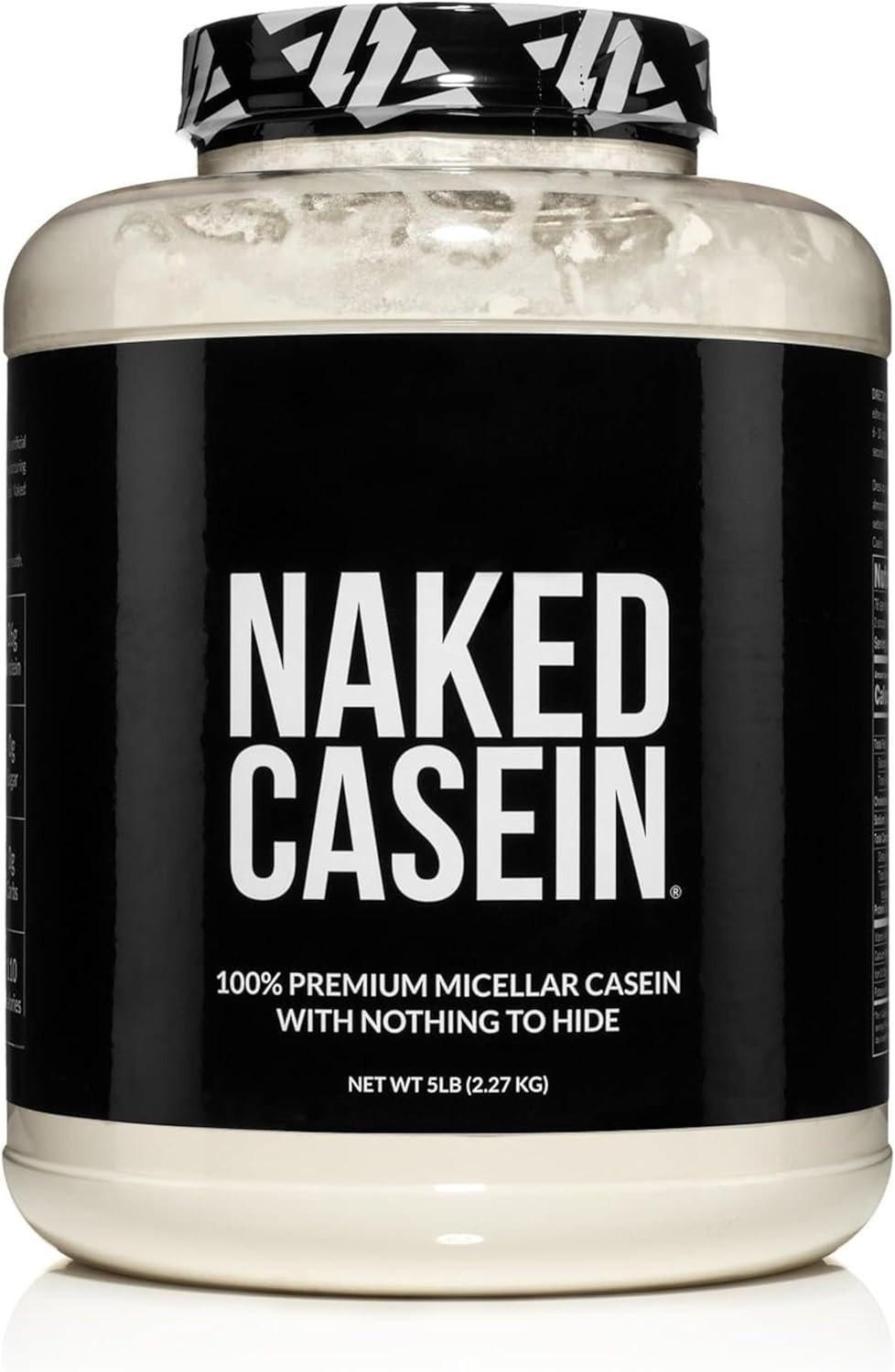
Naked Casein is the only casein protein on this list, and casein serves a genuinely different purpose for diabetics than whey. Micellar casein forms a gel in the stomach and releases amino acids slowly over 5–7 hours — compared to whey’s 1–2 hour absorption window. Taken before bed, casein provides a sustained amino acid release through the overnight fasting period. For Type 2 diabetics who experience elevated fasting blood glucose in the morning (the “dawn phenomenon”), slow overnight protein delivery supports muscle repair without the insulin spike of fast-digesting proteins and may help moderate the morning glucose rise.
What Makes It Different
Naked Casein contains two ingredients: micellar casein and sunflower lecithin. No sweeteners, no flavours, no fillers. It is NSF Certified, non-GMO, gluten-free, and soy-free. Each serving delivers 26g of protein and 3g of carbohydrates from grass-fed cows raised without rBGH or rBST hormones. The slow-digestion profile is the specific differentiator — no other product on this list provides the overnight sustained amino acid release that makes casein uniquely useful for the bedtime use case.
Best for: Diabetics who want a slow-digesting bedtime protein to support overnight muscle repair, reduce morning hunger, and potentially moderate the dawn phenomenon blood glucose rise.
- Micellar casein — 5–7 hour slow amino acid release, the only product on this list that provides sustained overnight protein delivery
- Two ingredients only — no sweeteners, no flavours, the cleanest casein label available on Amazon
- NSF Certified — rigorous third-party testing for banned substances and label accuracy
- 26g protein, 3g carbs per serving — strong protein-to-carb ratio for overnight use
Cons: Unflavoured only in the standard version — taste is neutral but not pleasant without mixing into a flavoured shake or food. Casein is dairy-derived and contains lactose — not suitable for lactose-intolerant buyers.
Whey Protein vs Plant Protein for Diabetics — Which Is Better?
Whey protein isolate has the stronger evidence base for blood glucose management specifically. The incretin hormone stimulation from whey — particularly the GLP-1 and GIP response — is better documented than equivalent responses from plant proteins. Whey also provides a more complete leucine-rich amino acid profile that supports muscle protein synthesis more efficiently per gram than most plant-based alternatives.
Plant-based proteins earn their place for diabetics who cannot tolerate dairy, have lactose intolerance (which is more common alongside Type 2 diabetes than in the general population), prefer to avoid animal products, or have kidney concerns that make lower renal acid load proteins preferable. Garden of Life Sport’s 30g protein from a multi-legume blend narrows the amino acid gap significantly, and the added probiotics offer a gut health benefit that whey isolates do not.
The practical answer: if you can tolerate dairy and have no kidney concerns, a whey isolate is the more targeted tool for blood glucose management. If you are dairy-free or have kidney considerations, a well-formulated plant blend like Garden of Life Sport or a pea isolate like NOW Sports delivers comparable protein support with a different but valid set of benefits. Our best low carb protein powders guide covers the whey isolate category in more depth if you want a broader comparison of whey options beyond this list.
Protein Powder for Diabetics on GLP-1 Medications — What You Need to Know
GLP-1 medications — Ozempic, Wegovy, Mounjaro, and the newly FDA-approved oral semaglutide — are now among the most widely prescribed medications for Type 2 diabetes management. They work in part by suppressing appetite and slowing gastric emptying, which creates a specific nutritional challenge: patients on these medications often struggle to consume adequate protein through food alone because they feel full much faster and for much longer than before.
The risk is muscle loss. Rapid weight loss on GLP-1 medications can include a significant lean muscle component if protein intake is inadequate. Research consistently shows that maintaining protein intake of 0.8–1.2g per kilogram of body weight daily during GLP-1 therapy helps preserve lean mass during weight loss. For a 180lb (82kg) person, that means 65–98g of protein daily — an amount that becomes very difficult to achieve through food alone when appetite is significantly suppressed.
Protein powder addresses this directly. A single serving of Dymatize ISO 100 or Transparent Labs delivers 25–28g protein in a form that takes less than a minute to prepare and is easier to tolerate than solid food when nausea is present. The key considerations for GLP-1 users specifically: choose a fast-absorbing hydrolyzed option (Dymatize ISO 100) if nausea is a factor, avoid products with sugar alcohols (erythritol, sorbitol, xylitol) which can worsen GLP-1-related digestive discomfort, and start with half a serving to test tolerance before moving to a full serving.
When Should Diabetics Take Protein Powder for Best Blood Sugar Results?
Timing matters more for diabetics than for general fitness users. The most evidence-supported approach is taking a whey protein shake 15–20 minutes before your largest carbohydrate-containing meal of the day. The incretin hormone response triggered by pre-meal whey consumption helps prime the insulin response before carbohydrates arrive, reducing the postprandial blood glucose spike. This is a practical tool that costs nothing beyond the protein powder you are already using.
Post-workout protein remains relevant for diabetics who exercise — resistance training improves insulin sensitivity, and adequate post-exercise protein supports the muscle repair that drives that improvement. A fast-absorbing whey isolate within 30–60 minutes of training is the appropriate choice here. Bedtime casein (Naked Casein) covers the overnight muscle repair window and provides sustained amino acid release through the fasting period. These three windows — pre-meal, post-workout, and bedtime — each serve a different purpose, and you do not need to use all three. Identify which applies to your specific situation and use accordingly.
For broader context on how protein supplementation fits into a weight management plan, our guide on using protein powder without working out covers the non-exercise use case in detail — relevant for diabetics whose primary goal is blood sugar management and satiety rather than athletic performance.
Related reading: Best Protein Powder Safe for Pregnancy
Frequently Asked Questions
Is protein powder safe for diabetics?
Yes — for most diabetics, a clean whey isolate or plant-based protein powder with no added sugars, no maltodextrin, and 0–4g of carbohydrates per serving is safe and potentially beneficial. Research shows whey protein stimulates incretin hormone secretion that supports insulin response and can reduce post-meal blood glucose spikes when taken before meals. The key is product selection — avoid powders with maltodextrin, dextrose, or added sugars, all of which can spike blood glucose despite appearing low-carb on labels. If you have kidney disease, poorly controlled diabetes, or are on insulin therapy, consult your healthcare provider before adding protein supplementation.
Does whey protein raise blood sugar in diabetics?
Pure whey protein isolate (0–2g carbs per serving, no maltodextrin) has a negligible direct effect on blood glucose. In fact, research shows whey protein taken before meals can reduce the postprandial blood glucose spike by stimulating incretin hormones that prime the insulin response before carbohydrates arrive. Blood sugar spikes associated with protein powders come from added ingredients — maltodextrin (glycaemic index of roughly 85 to 105), dextrose, or added sugars — not from the protein itself. Choosing a verified clean isolate with no added carbohydrate fillers removes this risk entirely.
What is the best protein powder for type 2 diabetes?
Transparent Labs Grass-Fed Whey Isolate is the strongest overall choice for Type 2 diabetics — 28g protein, 1g carbs, no artificial sweeteners, and dual Informed Choice and Informed Protein certification verifying label accuracy. For zero carbs, Isopure Zero Carb is the safest option. For plant-based buyers or those with dairy intolerance, Garden of Life Sport provides 30g protein with NSF Certification and probiotic support. All three are verified in stock on Amazon as of May 2026.
Can diabetics use protein powder while on Ozempic or Wegovy?
Yes — and for most GLP-1 users with diabetes, protein powder is actively recommended. GLP-1 medications suppress appetite significantly, making it difficult to consume adequate protein through food alone. Inadequate protein during rapid weight loss on GLP-1 therapy leads to muscle loss alongside fat loss. Protein powder — particularly a fast-absorbing hydrolyzed option like Dymatize ISO 100 — provides 25g protein in a small, easily tolerated volume that is much easier to manage than solid food when nausea is present. Avoid products with sugar alcohols (erythritol, xylitol) which can worsen GLP-1-related digestive discomfort.
Is protein powder safe for diabetics with kidney disease?
This depends on the stage of kidney disease and requires a conversation with your nephrologist or healthcare provider — not a generic supplement recommendation. In general, high-protein diets can accelerate kidney damage in people who already have established kidney disease. For diabetics with early-stage kidney concerns who have been cleared by their doctor for moderate protein supplementation, pea protein (such as NOW Sports Pea Protein) is the most kidney-friendly option on this list due to its lower renal acid load compared to whey. Do not self-manage this decision without medical guidance.
When should diabetics take protein powder for best blood sugar results?
The most evidence-supported timing is 15–20 minutes before your largest carbohydrate-containing meal of the day. Pre-meal whey protein stimulates incretin hormone secretion that primes the insulin response before carbohydrates arrive, reducing the post-meal blood glucose spike. Post-workout protein (within 30–60 minutes of resistance training) supports the muscle repair that drives improved insulin sensitivity from exercise. Bedtime casein protein (Naked Casein) provides slow overnight amino acid release that supports muscle repair through the fasting period. Use whichever timing window is most relevant to your specific situation — you do not need all three.
How do I spot hidden carbs in protein powders marketed to diabetics?
Read the full ingredient list, not just the nutrition panel. Maltodextrin has a glycaemic index of roughly 85 to 105 — higher than table sugar — but can appear in products labelled “sugar-free” or “low carb” because FDA rounding rules allow values below 1g per serving to be listed as zero. Other hidden carb sources include dextrose, modified corn starch, and maltose. If any of these appear in the ingredient list, the product will affect blood glucose regardless of what the nutrition panel shows. Every product recommended in this article has been checked for these ingredients and contains none of them.
All product specifications sourced from official brand websites and verified against Amazon listings as of May 2026. All products confirmed in stock on Amazon at time of writing. This article is for informational purposes only and does not constitute medical advice. Consult your healthcare provider or registered dietitian before making changes to your supplement regimen, particularly if you have diabetes, kidney disease, or are taking medication. This article contains affiliate links — if you purchase through them, we may earn a commission at no additional cost to you.