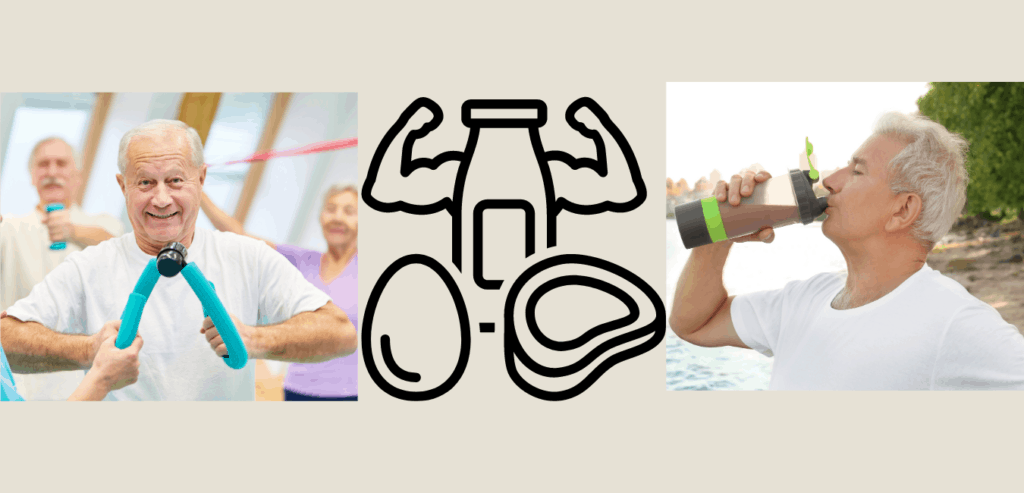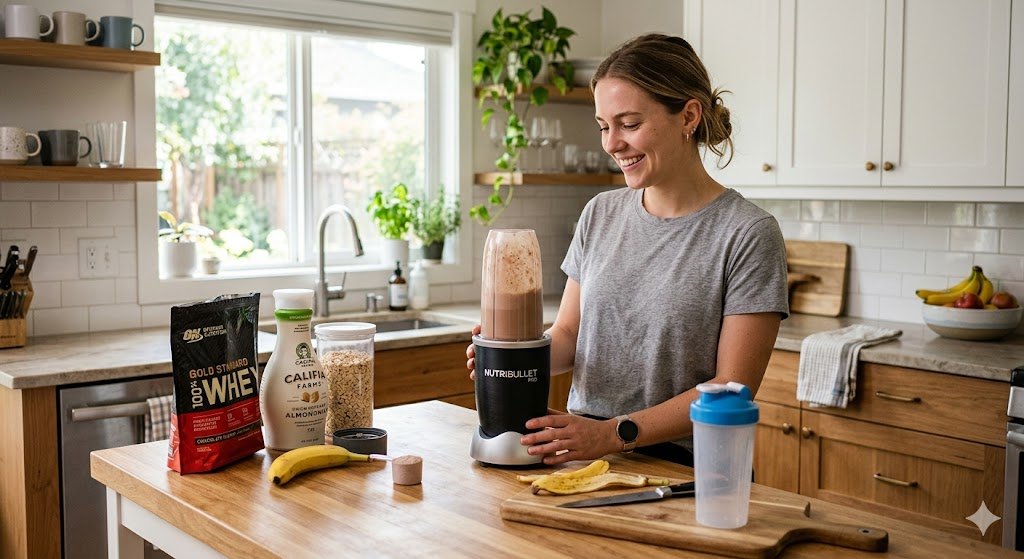
Yes, you can drink protein without working out — but whether you should, how much to take, and what to expect depends entirely on your situation. The short answer from 24 years of coaching: most people asking this question either genuinely need the protein and don’t realise it, or genuinely don’t need a supplement and would be better served by adjusting their diet. This guide tells you which camp you’re in, with a simple calculation to find out, and gives specific guidance for the use cases where protein powder without exercise is not just acceptable but genuinely beneficial — including seniors, people recovering from illness, busy professionals, and diabetics managing blood sugar.
I’m AnilKK — a certified nutrition and fitness coach (INFS) with 24 years of running experience and over 1,000 weight management clients. The fear-based narrative around protein powder without exercise — “it’ll turn to fat,” “it’ll damage your kidneys,” “it’s only for gym users” — is not supported by the evidence and does a disservice to a large group of people who could genuinely benefit from supplemental protein for reasons that have nothing to do with building muscle.
Quick Answer: Drinking protein powder without working out is safe and beneficial for most people who have a genuine protein gap in their diet — seniors, people recovering from illness or injury, busy professionals skipping meals, and anyone struggling to meet daily protein needs through food alone. It will not automatically cause fat gain; excess total calories cause fat gain, not protein specifically. The key step before buying anything is calculating whether you actually have a protein gap. If you are already hitting your daily protein target through food, a supplement adds unnecessary calories without meaningful benefit.
Table of Contents
Can You Drink Protein Shakes Without Working Out? The Direct Answer
Protein powder is food — it is a concentrated, convenient source of the same protein you find in chicken, eggs, Greek yogurt, and fish. Your body processes it identically whether you exercised that day or not. The idea that protein powder is only “activated” by exercise is a gym culture myth, not a biological fact. Your body uses protein continuously for muscle maintenance, immune function, hormone production, enzyme synthesis, tissue repair, and dozens of other processes that happen whether you are sedentary or training for a marathon.
What exercise does is increase your protein requirement — not create a requirement that didn’t previously exist. A sedentary adult still needs approximately 0.8g of protein per kilogram of body weight daily according to standard dietary guidelines. A regularly exercising adult needs 1.2–1.6g per kilogram. The difference is in quantity, not in whether protein is useful. If a sedentary person is not meeting their 0.8g/kg daily requirement through food — which is more common than most people realise — a protein supplement is a legitimate, appropriate tool to fill that gap.
Step One — Calculate Your Protein Gap Before Buying Anything

This is the most important step most people skip. Before deciding whether you need a protein supplement, spend two days tracking your actual protein intake from food. Use a free tracking app or simply estimate: a chicken breast contains roughly 30g protein, an egg contains 6g, 100g of Greek yogurt contains 10g, a tin of tuna contains 25g.
Then calculate your daily target: multiply your body weight in kilograms by 0.8 (sedentary) or 1.0–1.2 (lightly active). A 70kg sedentary person needs approximately 56g of protein daily. A 90kg person needs approximately 72g. Compare your actual intake to your target. The difference is your protein gap — the amount a supplement needs to fill. If your gap is 20–30g, one scoop of a standard protein powder (23–28g protein) fills it precisely. If your gap is zero or close to it, you do not need a supplement and spending money on one will not provide measurable benefit.
In my coaching experience, roughly half the people who ask whether they need a protein supplement are already meeting their target through food. The other half have a genuine gap — often because they skip breakfast, rely on carbohydrate-heavy meals, or follow a diet that is naturally lower in protein-dense foods. Knowing which half you are in before spending money on supplements is the most useful first step.
Will Protein Powder Make You Fat Without Exercise?
This concern is understandable but misattributed. Excess total calories cause fat gain — not protein specifically. Of the three macronutrients, protein is actually the most difficult for the body to convert to fat. Protein has a higher thermic effect than carbohydrates or fat, meaning the body burns more calories digesting it. It also has the highest satiety value per calorie, meaning it keeps you fuller for longer and typically reduces overall calorie consumption rather than increasing it.
The scenario where protein powder causes fat gain without exercise is straightforward: you add a 120-calorie protein shake to your daily routine without adjusting anything else, while already eating at or above your maintenance calories. In that case, the extra 120 calories — from any source — would contribute to a surplus over time. The protein itself is not the issue; the caloric addition is. The fix is simple: if you are adding a protein supplement, account for it in your daily calorie budget by slightly reducing another food source, or by using it to replace a higher-calorie snack rather than adding it on top of everything else.
Who Should Drink Protein Without Working Out — Specific Use Cases
Seniors and Older Adults — the Most Overlooked Use Case

This is the group where protein supplementation without exercise has the strongest evidence base, and the group most supplement marketing completely ignores. Sarcopenia — age-related muscle loss — begins in your 30s and accelerates significantly after 60. Research published by the National Institutes of Health has shown that older adults need significantly more protein than younger adults to achieve the same muscle protein synthesis response — often 1.0–1.2g per kilogram daily rather than the standard 0.8g recommendation. The body’s ability to utilise protein efficiently declines with age, meaning you need to consume more to get the same effect.
Older adults are also more likely to have reduced appetite, difficulty preparing protein-dense meals, dental issues that make chewing meat harder, and reduced absorption efficiency. A protein supplement in shake form addresses all of these barriers simultaneously — it requires no cooking, no chewing, and delivers a precise, easily absorbed protein dose. For a 75-year-old who is not regularly exercising, a daily protein shake is not a gym supplement — it is a practical nutritional tool for preserving muscle, maintaining mobility, and supporting immune function. If you are looking for more guidance on treadmill-based light exercise that can complement protein intake in older adults, our best treadmills for seniors guide covers low-impact options specifically suited to this group.
Injury and Post-Illness Recovery

Protein requirements actually increase during illness recovery, post-surgery healing, and injury rehabilitation — precisely the periods when exercise is impossible. The body uses protein at an accelerated rate to repair tissue, support immune response, and rebuild muscle that atrophies rapidly during bed rest. A person recovering from surgery, a serious illness, or a significant injury who is told to rest is not in a position to exercise, but their protein needs are higher than normal, not lower.
In these situations, protein supplementation without exercise is not just acceptable — it is clinically appropriate. The ACSM’s joint position statement on nutrition and athletic performance supports maintaining protein intake at or above normal training levels during recovery to minimise muscle loss during the enforced rest period. A protein shake is often easier to consume than a full meal when appetite is suppressed by illness or medication, making it a practical delivery mechanism for the protein the body genuinely needs.
Busy Professionals Using Protein as a Meal Gap Filler
Skipping meals is one of the most common causes of protein gaps in otherwise healthy adults. A professional who skips breakfast and grabs a carbohydrate-heavy lunch has often consumed under 20g of protein by 2pm — less than a third of their daily target. A protein shake in the morning takes 90 seconds to prepare and delivers 25–28g of protein, effectively bridging the meal gap without requiring food preparation time.
This is not the same as using protein powder as a permanent meal replacement — it is using a convenient protein source to prevent the protein deficit that accumulates on busy days. The result is better satiety through the morning, more consistent energy levels, and a more achievable daily protein target — none of which requires exercise to be valid and useful.
Diabetics Managing Blood Sugar
As covered in detail in our dedicated guide, protein consumed before meals can meaningfully blunt post-meal blood glucose spikes through incretin hormone stimulation — a benefit that applies regardless of whether you exercise. For diabetics who are sedentary due to mobility limitations, health conditions, or personal circumstance, a clean whey protein isolate before the largest carbohydrate meal of the day is a practical blood sugar management tool. Our protein powder for diabetics guide covers product selection and timing in detail for this specific use case.
Vegetarians and Vegans with Low Dietary Protein
Plant-based diets can absolutely meet daily protein requirements — but they require deliberate planning that many casual vegetarians and vegans do not apply consistently. A diet heavy in pasta, bread, rice, and vegetables with minimal legumes, tofu, or tempeh can easily fall 20–40g short of daily protein targets. A plant-based protein powder (pea, rice, hemp, or a multi-source blend) fills that gap efficiently without requiring a gym membership to justify its use.
How Much Protein Should You Take Without Working Out?
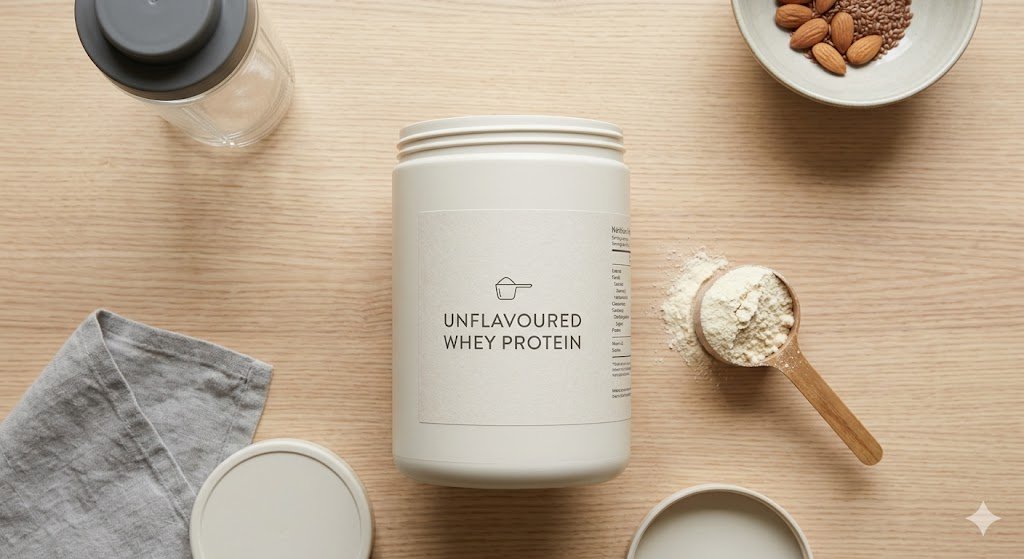
The answer is precisely the amount needed to close your protein gap — no more. Taking more protein than your body needs does not provide additional benefit beyond a certain threshold and simply adds unnecessary calories. Here is the practical framework:
Sedentary adults: Target 0.8g protein per kilogram of body weight daily from all sources combined. If your food intake covers 40g and your target is 56g, your supplement gap is 16g — roughly two-thirds of a standard protein scoop. One scoop per day is typically sufficient and may even be slightly above your gap.
Older adults (60+): Target 1.0–1.2g per kilogram daily regardless of exercise level. This higher requirement accounts for reduced protein synthesis efficiency with age. A 70kg 70-year-old should target 70–84g daily — a level that is genuinely difficult to achieve through food alone on a reduced appetite, making supplementation more clearly justified.
Recovery from illness or injury: Maintain normal training-level protein intake (1.2–1.6g/kg) during recovery even without exercise. This prevents the accelerated muscle loss that occurs during enforced rest. Reduce back to your maintenance level once normal activity resumes.
Weight loss goal without exercise: A higher protein intake during caloric restriction — approximately 1.2g/kg even without exercise — helps preserve lean muscle mass during weight loss. This is well-established in the research and applies to sedentary dieters as much as active ones — our protein powders for weight loss guide covers product picks suited to this exact goal. Replacing a higher-calorie snack with a protein shake is a practical calorie reduction strategy that simultaneously improves protein intake and satiety.
The table below summarises the four profiles at a glance — use it as a quick reference before calculating your own gap.
| Profile | Example Body Weight | Daily Protein Target | Typical Food Intake | Supplement Gap | Scoops Needed |
|---|---|---|---|---|---|
| Sedentary adult | 70kg (154 lbs) | 56g (0.8g/kg) | 35–40g | 16–21g | ½ – ¾ scoop daily |
| Sedentary adult | 90kg (198 lbs) | 72g (0.8g/kg) | 45–50g | 22–27g | 1 scoop daily |
| Older adult (60+) | 70kg (154 lbs) | 70–84g (1.0–1.2g/kg) | 30–40g | 30–54g | 1–2 scoops daily |
| Older adult (60+) | 80kg (176 lbs) | 80–96g (1.0–1.2g/kg) | 35–45g | 35–61g | 1.5–2 scoops daily |
| Injury / illness recovery | 70kg (154 lbs) | 84–112g (1.2–1.6g/kg) | 40–50g | 34–72g | 1.5–2.5 scoops daily |
| Weight loss (no exercise) | 80kg (176 lbs) | 96g (1.2g/kg) | 50–60g | 36–46g | 1.5 scoops daily |
Supplement gap figures assume a standard protein scoop of 23–28g protein. Typical food intake estimates are based on a diet without deliberate protein tracking — actual intake varies. Always calculate your own gap from your specific food diary rather than relying on estimates.
Best Time to Drink Protein Without Working Out
Without a post-workout window to anchor your timing, protein distribution through the day becomes the primary consideration. Research consistently shows that spreading protein intake across meals — rather than consuming most of it in a single large meal — is more effective for muscle protein synthesis and satiety. Aim for 20–30g of protein per eating occasion, 3–4 times through the day.
Morning: The most practical time for most non-exercisers. Breakfast is the meal most commonly skipped or carbohydrate-dominated. A morning protein shake fills the protein gap from the overnight fast, supports satiety through the morning, and sets a positive trajectory for hitting your daily target.
Before meals for blood sugar management: If you are using protein to blunt post-meal glucose spikes, 15–20 minutes before your largest carbohydrate meal is the evidence-supported window. This applies specifically to the pre-meal timing strategy discussed in our diabetics guide.
Before bed for older adults: Casein protein before sleep provides slow overnight amino acid release that supports muscle repair during the fasting period. For seniors specifically, this bedtime protein strategy has evidence for reducing overnight muscle protein breakdown — a meaningful benefit for sarcopenia prevention regardless of daytime exercise level.
As a meal replacement for busy professionals: A protein shake replacing a skipped meal or a low-protein snack is most effective when used at the meal time it replaces — morning or mid-afternoon being the most common gap times. Use it as a bridge, not a permanent dietary solution.
Protein Powder vs Whole Food Protein — Which Is Better Without Exercise?
Whole food protein sources are almost always preferable when they are practical and accessible. Eggs, chicken, Greek yogurt, cottage cheese, lentils, and fish provide protein alongside fibre, vitamins, minerals, and other nutrients that protein powders do not contain. If you can reliably meet your daily protein target through food, there is no meaningful benefit to supplementation beyond convenience.
Protein powder earns its place when whole food protein is impractical — reduced appetite, time constraints, dietary restrictions, cost, or specific medical needs. It is a tool for solving a problem, not a superior alternative to real food. The ideal approach for most non-exercisers is to use whole food sources as the foundation and protein powder as the gap-filler when food falls short — not as a replacement for eating well.
For a full comparison of the best protein powders available on Amazon with verified stock and clean ingredient lists, our best low carb protein powders guide covers the options most suitable for weight-conscious non-exercisers in detail.
Protein Powder on Rest Days vs Being Completely Sedentary — an Important Distinction
These two situations are completely different and most articles treat them as the same question. They are not.
If you train regularly and are asking about rest days: yes, take your normal protein on rest days. Muscle repair and protein synthesis peak 24–48 hours after training — rest days are when your body does most of its actual muscle building. Cutting protein on rest days is counterproductive. Your daily protein target does not change based on whether you trained that day.
If you are genuinely sedentary and do not exercise at all: your protein requirement is lower than a training athlete’s, but it is not zero and it is not negligible. The 0.8g/kg minimum still applies and is frequently not met through typical Western dietary patterns. The question is not whether protein matters without exercise — it clearly does — but whether your food intake is already meeting your requirement or whether there is a gap worth supplementing.
Frequently Asked Questions
Can you drink protein shakes without working out?
Yes — protein is a macronutrient your body needs continuously for muscle maintenance, immune function, hormone production, and tissue repair, regardless of whether you exercise. The question is not whether you can take protein without exercise, but whether you have a genuine protein gap in your diet that requires supplementation. Calculate your daily protein target (0.8g per kilogram of body weight for sedentary adults), track your food intake for two days, and compare the two. If you have a gap, a protein supplement is a legitimate tool to fill it. If your food already meets your target, a supplement adds unnecessary calories without meaningful benefit.
Will protein powder make you fat if you don’t exercise?
Excess total calories cause fat gain — not protein specifically. A standard protein shake contains 100–130 calories. If that shake replaces a higher-calorie snack or fills a genuine dietary gap without pushing you into a caloric surplus, it will not cause fat gain. If you add a protein shake on top of an already adequate diet without adjusting anything else, the extra 100–130 calories will contribute to a surplus over time — as would any additional food source. Protein is actually the hardest macronutrient for the body to convert to fat, has the highest satiety value, and increases metabolic rate through its thermic effect. The risk of fat gain from protein powder specifically is significantly lower than from equivalent calories of carbohydrates or fat.
How much protein should I take if I don’t work out?
Sedentary adults should target 0.8g of protein per kilogram of body weight daily from all sources combined. For a 70kg person that is 56g daily; for a 90kg person it is 72g. Before supplementing, track your food intake for two days to identify your actual protein gap. Take only enough supplement to close that gap — typically half a scoop to one scoop (12–28g protein) for most sedentary adults. Older adults need more — 1.0–1.2g per kilogram daily — due to reduced protein synthesis efficiency with age. People recovering from illness or injury should maintain 1.2–1.6g per kilogram even without exercise to prevent accelerated muscle loss.
Is it okay to drink protein shakes on rest days?
Yes — absolutely. If you train regularly, muscle repair and protein synthesis peak 24–48 hours after training, meaning rest days are when your body is most actively using protein to rebuild. Cutting protein on rest days is counterproductive. Your daily protein target remains constant whether you train or not. The only adjustment worth considering on rest days is total calorie intake if you are in a strict cut — slightly reducing carbohydrates on lower-activity days while keeping protein constant is a common and effective strategy.
What is the best time to drink protein if you don’t work out?
Morning is the most practical time for most non-exercisers — it bridges the overnight fasting period, fills the protein gap left by a typically low-protein breakfast, and supports satiety through the morning. For seniors specifically, a bedtime casein protein shake provides slow overnight amino acid release that helps prevent the muscle protein breakdown that occurs during the fasting period. For diabetics, 15–20 minutes before the largest carbohydrate meal of the day is the evidence-supported window for blood glucose management benefits. Choose the timing that addresses your specific gap rather than defaulting to post-workout convention.
Can seniors take protein powder without exercising?
Yes — and for many seniors, protein supplementation without exercise is actively recommended. Sarcopenia (age-related muscle loss) accelerates after 60, and older adults need more protein per kilogram of body weight than younger adults to achieve the same muscle maintenance response. Reduced appetite, difficulty preparing protein-dense meals, and lower absorption efficiency mean many seniors are significantly below their protein requirements. A daily protein shake is a practical, evidence-supported tool for preserving muscle mass, supporting immune function, and maintaining mobility — regardless of exercise level. Consult your healthcare provider about specific dosing if you have kidney concerns or are on medication.
Can protein powder replace a meal if you’re not working out?
A protein shake alone is not a nutritionally complete meal replacement — it provides protein and very little else, lacking the fibre, vitamins, minerals, healthy fats, and complex carbohydrates that whole food meals contain. Using a plain protein shake to replace a meal occasionally — as a practical gap filler on a busy day — is acceptable and preferable to skipping the meal entirely. Using it as a permanent meal replacement is not recommended without ensuring your overall nutritional needs are met from other sources. If you want a more nutritionally complete liquid meal, adding fruit, vegetables, nut butter, and oats to the shake creates a more balanced option.
This article is for informational purposes only and does not constitute medical or dietary advice. Individual protein requirements vary based on age, health status, body composition, and activity level. Consult a registered dietitian or healthcare provider for personalised guidance, particularly if you have a medical condition, are recovering from illness or surgery, or are managing a condition such as kidney disease or diabetes. This article contains affiliate links — if you purchase through them, we may earn a commission at no additional cost to you.