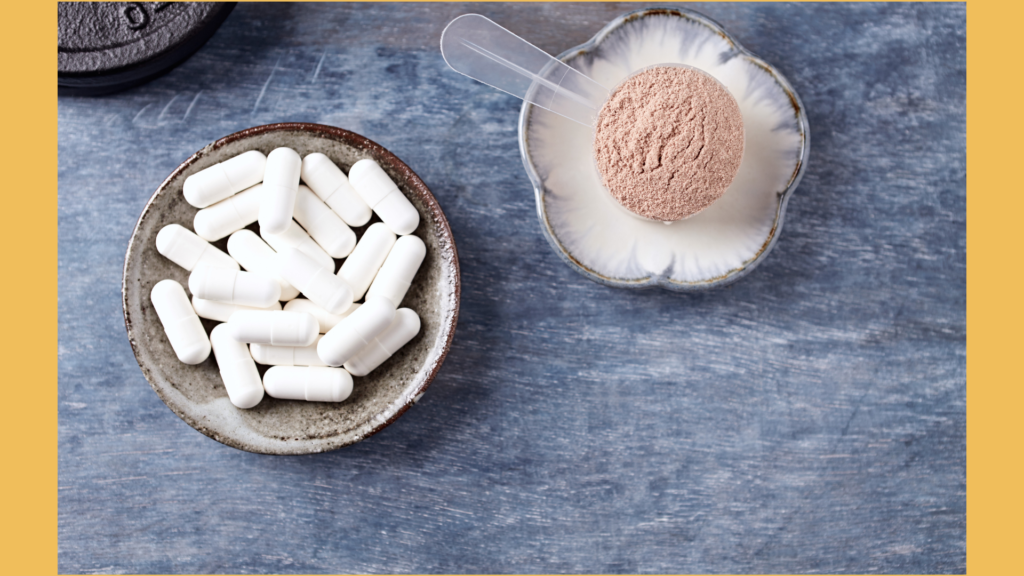
Creatine pills or powder — the honest answer is that both deliver the exact same active ingredient with no meaningful difference in real-world muscle strength or performance gains. The only genuine difference is speed of absorption: powder dissolves in liquid and starts absorbing immediately, while a capsule has to dissolve in your stomach first, which takes slightly longer. That timing gap doesn’t change your results, since creatine works through consistent daily use over weeks, not how fast any single dose kicks in.
I’m AnilKK, an INFS-certified nutrition and fitness coach with 24 years of training experience, and creatine format is genuinely one of the most overthought decisions in sports nutrition — the choice mostly comes down to cost, convenience, and how many pills you’re willing to swallow.
Quick Answer: Pills and powder both work equally well — pick based on lifestyle, not effectiveness. If you want the lowest cost and most flexible dosing, go with a powder like Nutricost Creatine Monohydrate. If you want to skip mixing and swallow it with water instead, Optimum Nutrition Micronized Creatine Capsules is a widely trusted pick. Expect to pay noticeably more per gram for capsules — pills typically run 50-70% more per serving than the same amount of powder.
Table of Contents
Creatine Pills or Powder: What Actually Differs
Both forms deliver the same compound: creatine monohydrate, the most researched form of creatine available and one of the longest-studied supplements in sports nutrition. Once dissolved and absorbed, your body can’t tell the difference between creatine that started as a powder or a capsule.
A comprehensive safety and efficacy review from the International Society of Sports Nutrition confirms creatine monohydrate is both safe and effective regardless of delivery method, with benefits driven by consistent daily use rather than any specific form.
The one real distinction is that a capsule has to dissolve in your stomach before the creatine inside becomes available, while powder mixed into liquid is ready to absorb right away. This is a genuine, measurable timing difference — but it’s a difference of minutes, not days, and it has no meaningful impact on how much creatine ends up saturating your muscles over a week or a month of consistent use.
Quick Comparison: Pills vs. Powder
| Factor | Pills / Capsules | Powder |
|---|---|---|
| Cost per gram | Higher — typically 50-70% more per serving | Lower — the most economical format |
| Dosing flexibility | Fixed per capsule, harder to fine-tune | Fully adjustable with a scoop or scale |
| Convenience | No mixing, easy to travel with | Requires water or a shake to mix into |
| Taste/texture | None — swallowed with water | Can be gritty or chalky if unflavored |
| Standard 5g dose | Typically 4-8 capsules | One scoop |
| Absorption speed | Slightly slower — capsule must dissolve first | Immediate once dissolved in liquid |
Best Creatine Capsules and Pills
All capsule and powder products below are manufactured at GMP-certified facilities, meaning they follow Good Manufacturing Practices enforced by the FDA.
Optimum Nutrition Micronized Creatine Monohydrate Capsules
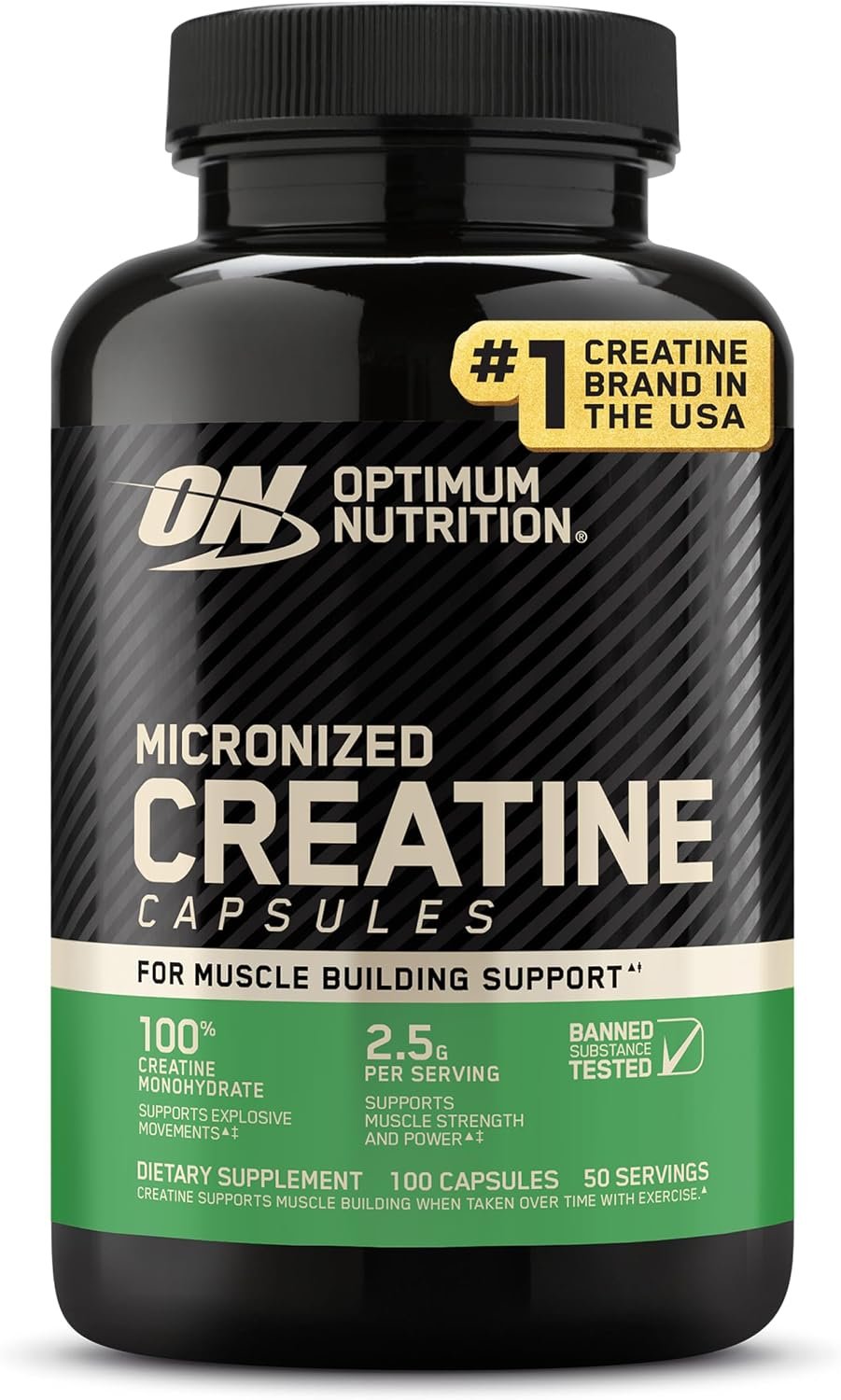
- 2.5g creatine monohydrate per serving (2 capsules)
- Banned substance tested
- From one of the most established, widely trusted brands in sports nutrition
A reliable, no-frills capsule option from a brand most gym-goers already recognize. The relatively low 2.5g serving means you’ll want 2 servings (4 capsules) to hit a full 5g daily dose. Best for: Anyone who wants a trusted mainstream brand in capsule form.
Crazy Muscle Three-Atine Creatine Pills
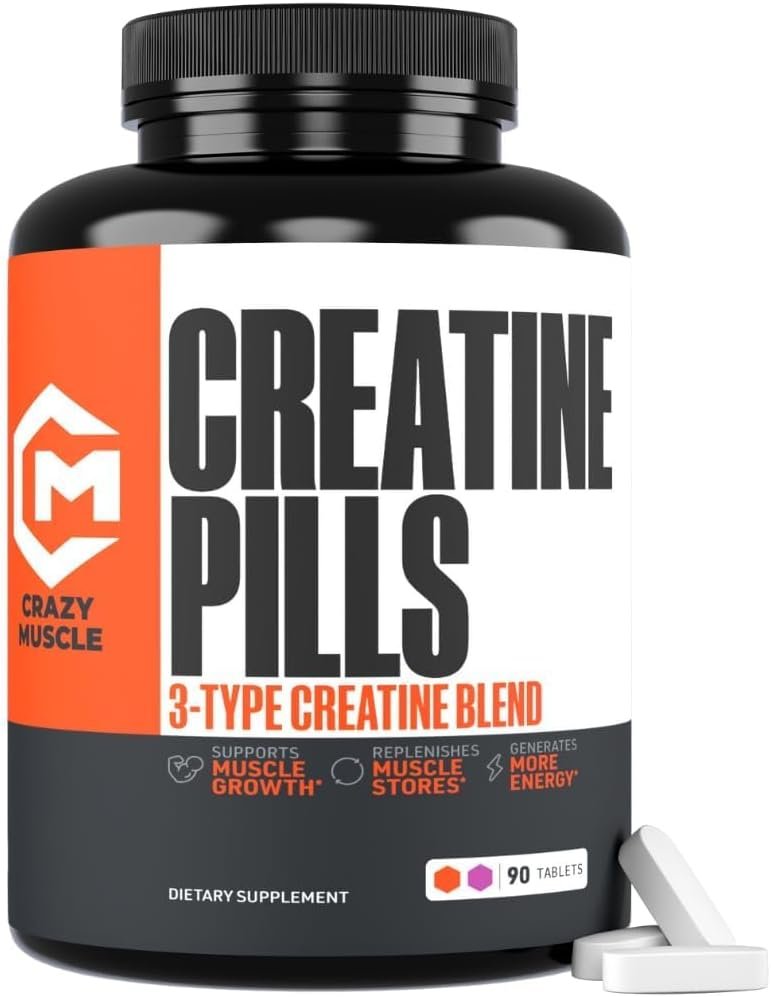
- 4.8g creatine monohydrate, plus 150mg creatine pyruvate and 51mg creatine alphaketoglutarate per serving (3 tablets)
- Vegetarian, gluten-free, keto-friendly
- Solid tablet form, not gelatin-encased
This one blends in two additional creatine forms alongside monohydrate, though the research base behind pyruvate and alphaketoglutarate is far thinner than monohydrate’s — the 4.8g of monohydrate is what’s actually doing the heavy lifting here. Best for: Tablet users who don’t mind a multi-form blend, understanding monohydrate is still the proven component.
GNC Pro Performance Creatine Monohydrate Capsules
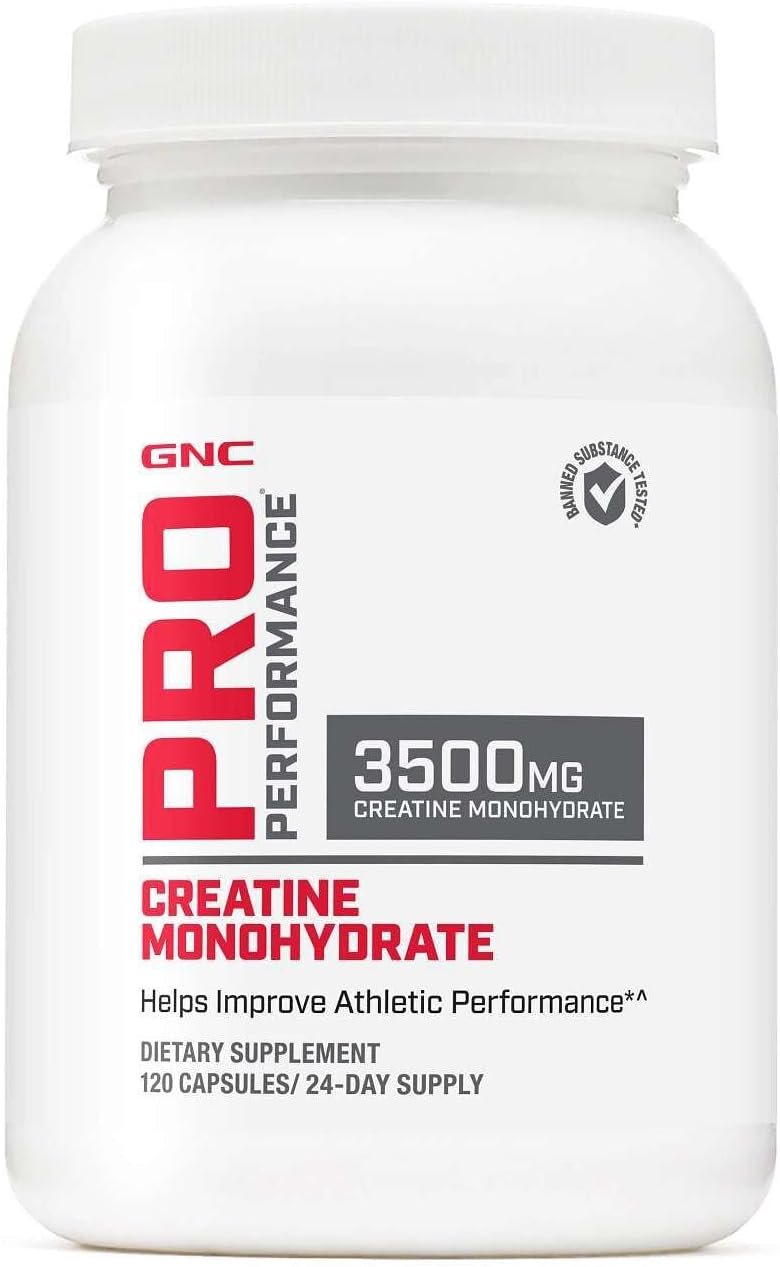
- 3.5g creatine monohydrate per serving (5 capsules)
- Third-party tested, banned substance tested, gluten-free
A straightforward capsule option backed by third-party testing, from a brand with a long-standing retail presence. Best for: Buyers who specifically want banned-substance-tested capsules.
NOW Sports Nutrition Creatine Monohydrate Capsules
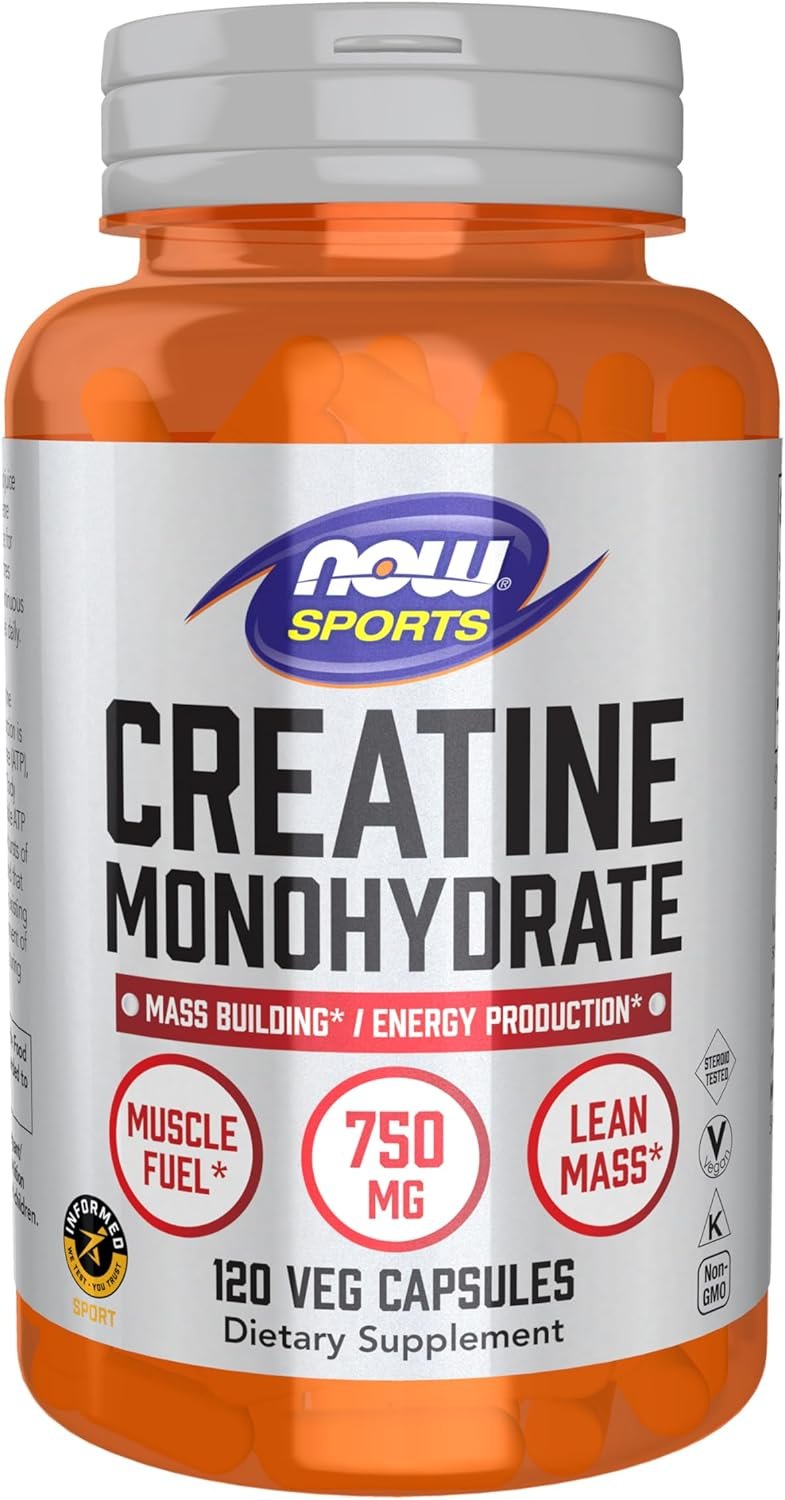
- 4.5g creatine monohydrate per serving (6 capsules)
- Processed in a GMP-certified facility
- Vegetarian-friendly capsules
The 6-capsule serving is on the higher end for capsule count, but the price per gram is generally more competitive than smaller-dose capsule products. Best for: Budget-conscious capsule buyers who don’t mind a larger daily pill count.
Best Creatine Powder
If you want a broader look at trusted powder brands beyond these three picks, our full creatine powder comparison guide covers additional options and certification tiers in more depth.
Nutricost Creatine Monohydrate
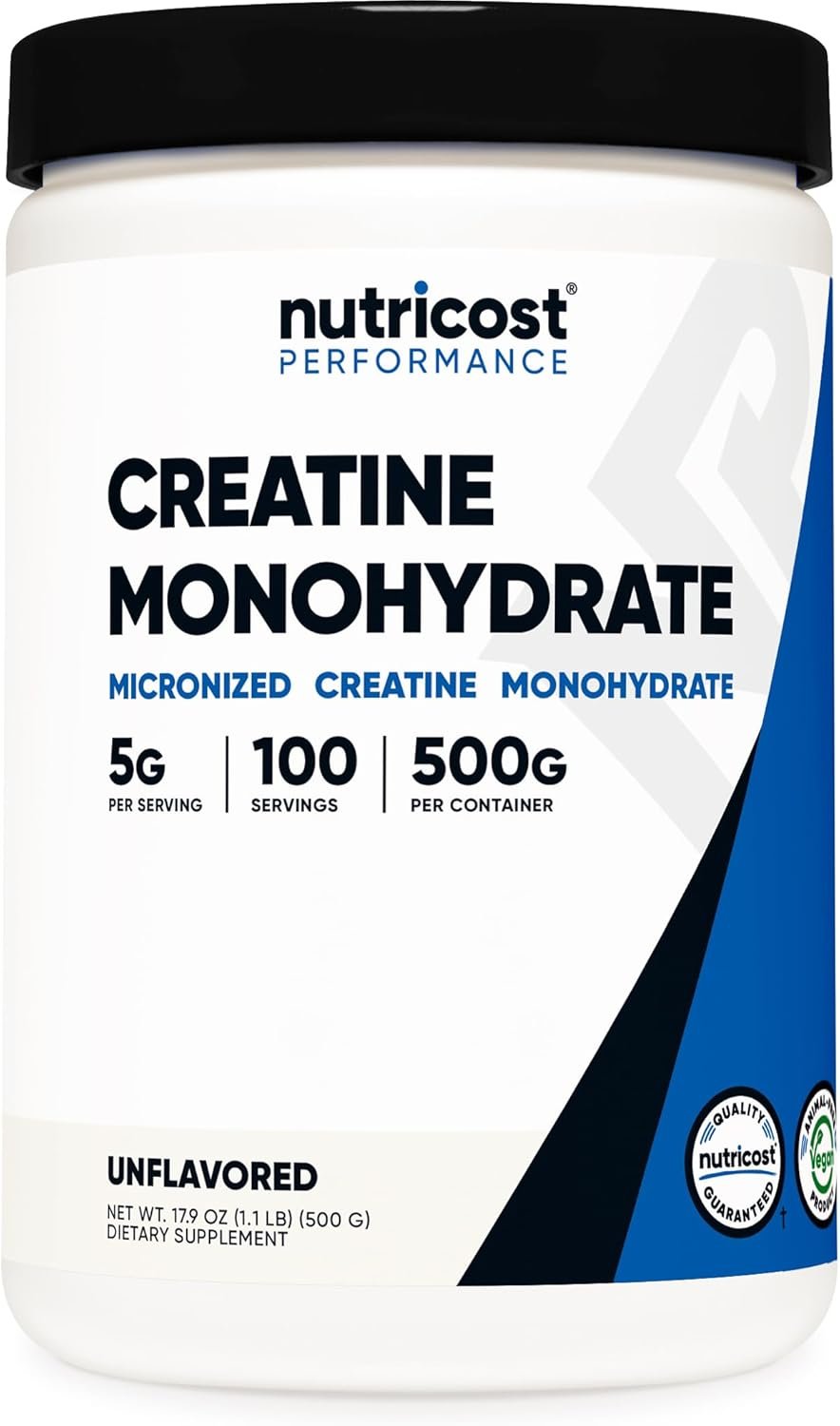
- 5g creatine monohydrate per serving, 100 servings per container
- Third-party tested, manufactured in a GMP-compliant, NSF-certified facility
- Non-GMO, gluten-free
The best overall value pick in this comparison — full 5g dose, verified purity, and the lowest realistic cost per serving of any product here. If you’re deciding between forms specifically for daily convenience, our creatine powder FAQ guide covers mixing tips and common questions in more depth. Best for: Anyone prioritizing value and willing to mix a scoop into water or a shake.
Optimum Nutrition Micronized Creatine Monohydrate Powder
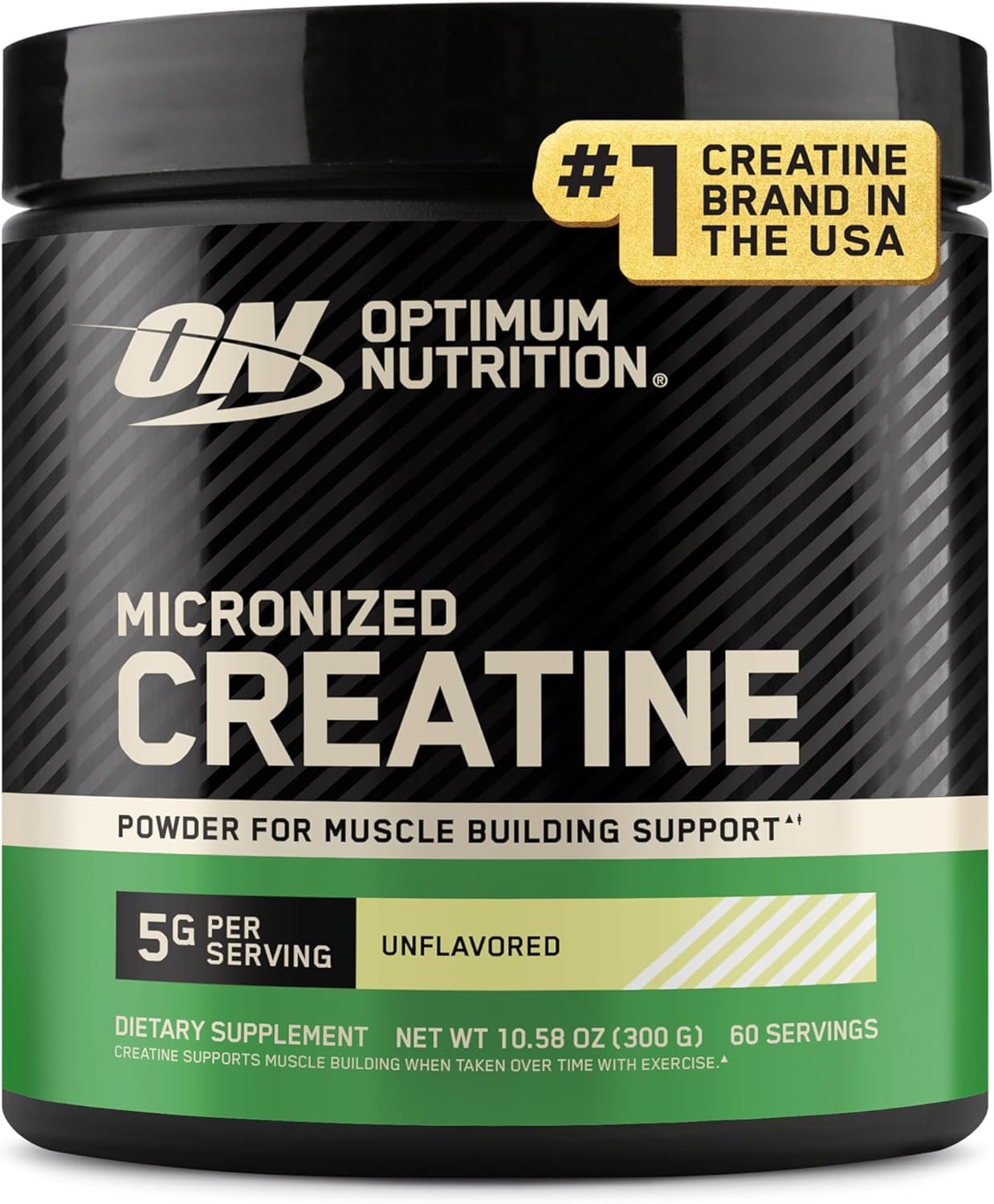
- 5g creatine monohydrate per serving, 60 servings
- Banned substance tested, Amazon’s Choice
- Ranked the #1 overall creatine supplement in U.S. News & World Report’s 2026 pharmacist survey
The same trusted brand as the capsule pick above, in powder form, with independent recognition backing its quality. Best for: Buyers who want a well-known brand and don’t mind mixing.
Momentous Creatine Monohydrate
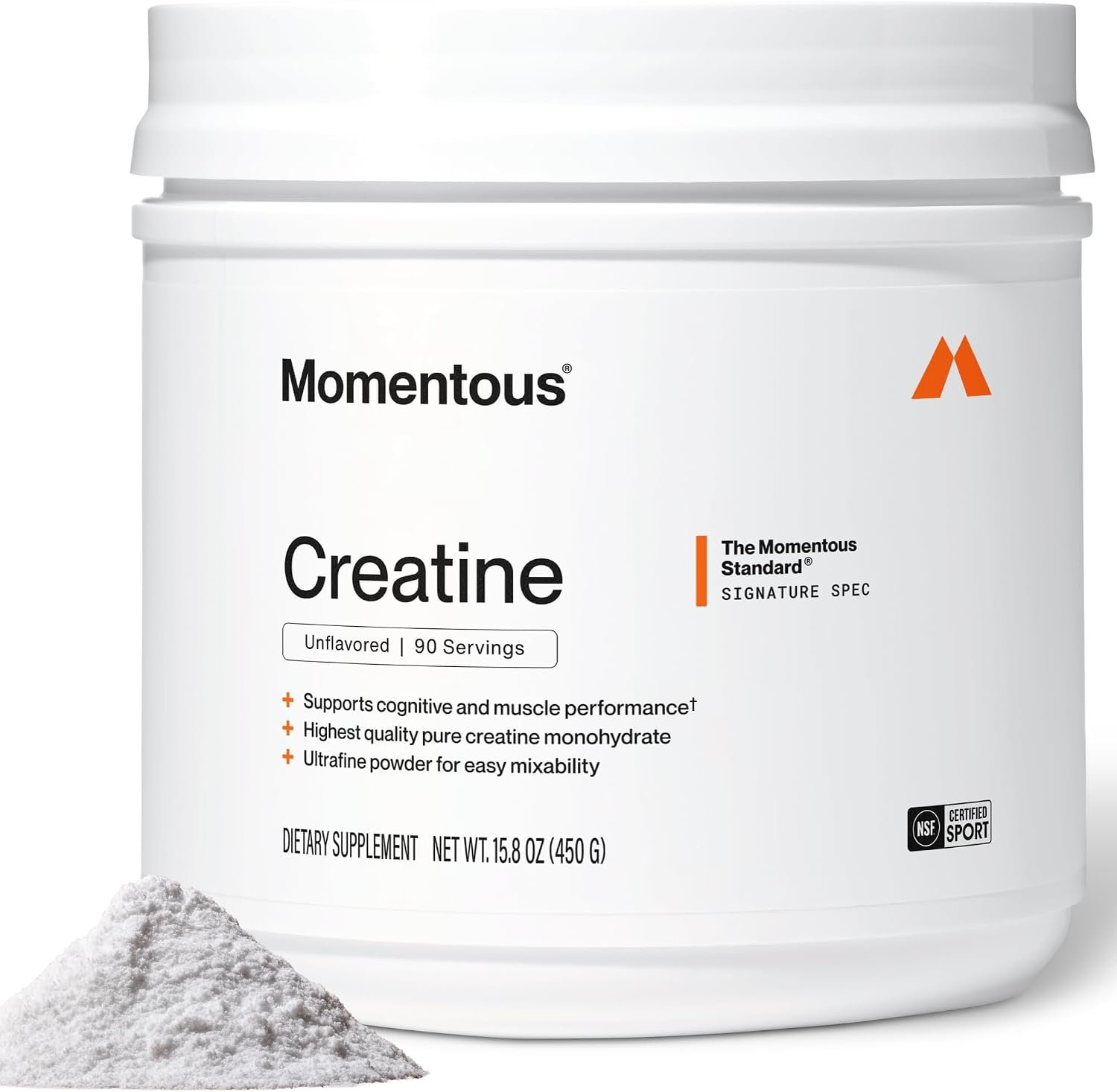
- 5g creatine monohydrate per serving, 90 servings
- NSF Certified for Sport, plus additional independent testing for PFAS, heavy metals, and microplastics
- Used by 100% of NFL teams
The most rigorously tested product in this entire comparison, capsule or powder. It costs more per serving, but that premium buys verification most competitors simply don’t do. Best for: Anyone who wants the highest level of independently verified purity, regardless of price.
How to Choose Between Pills and Powder
1. Cost. Powder is almost always cheaper per gram. If you’re taking creatine long-term — which matters, since consistent daily use is what actually drives the muscle mass benefits — that cost difference adds up meaningfully over months and years.
2. Convenience and travel. Capsules win here — no scoop, no shaker bottle, no mixing. If you travel often or take creatine at work without easy access to water and a shaker, pills remove that friction entirely.
3. Dosing flexibility. Powder lets you measure any amount precisely, which matters if you’re doing a loading phase (around 20g daily for 5-7 days) or want to fine-tune your dose. Hitting 20g in capsule form can mean swallowing 16-20 pills a day — genuinely impractical for most people.
4. Taste and texture sensitivity. If you dislike the slightly gritty texture some unflavored powders leave in a drink, capsules eliminate that entirely since there’s no taste or mouthfeel at all.
5. Whether you’re already mixing other supplements. If you’re already mixing a protein shake daily, adding a scoop of creatine powder to the same shake costs you zero extra effort. If you don’t mix anything else, capsules might genuinely be the lower-friction daily habit.
A Note on Creatine HCl
You’ll sometimes see creatine HCl (hydrochloride) marketed as an alternative to monohydrate, including in some capsule products. HCl dissolves more easily and is used in smaller doses, but it has a much smaller research base than monohydrate — the form every product in this comparison is built around. Mayo Clinic notes that creatine monohydrate specifically is the form with the strongest evidence behind it, including for long-term safety at recommended doses. If you’re specifically weighing HCl against monohydrate, that’s a distinct enough question to deserve its own dedicated comparison rather than a quick aside here.
Frequently Asked Questions
Is creatine powder better than pills?
Not in terms of results — both deliver the same amount of creatine monohydrate to your muscles with consistent use. Powder is cheaper and absorbs slightly faster since there’s no capsule to dissolve first, but that timing difference doesn’t translate into better strength or muscle gains.
Do creatine pills work as well as powder?
Yes. As long as the total creatine monohydrate dose matches, pills and powder produce equivalent results. The only meaningful practical difference is convenience, cost, and the number of pills required to hit a full 5g serving.
How many creatine capsules equal a 5g powder scoop?
This varies by brand, typically requiring 4 to 8 capsules to reach a full 5g dose. Always check the label rather than assuming, since capsule size and creatine content per capsule differ significantly between products.
Why is creatine in pill form more expensive?
Capsules require additional manufacturing steps and materials — the gelatin or cellulose shell, encapsulation machinery, and binding agents all add cost that a simple powder doesn’t carry. That’s reflected directly in the higher price per gram.
Can I switch between creatine pills and powder?
Yes, as long as you’re maintaining the same total daily dose of creatine monohydrate. Switching formats doesn’t reset your muscle creatine saturation or require restarting a loading phase.
Do creatine pills cause less bloating than powder?
Some people report less digestive discomfort with capsules, though this isn’t well studied specifically. Most bloating concerns with either format trace back to taking too large a dose at once rather than the format itself.
Is creatine HCl better than creatine monohydrate pills?
Creatine HCl dissolves more easily and is used in smaller doses, but monohydrate has a far larger, more established research base. For most people, monohydrate in either pill or powder form remains the better-supported choice.
Should beginners start with pills or powder?
Either works fine for beginners. Powder is often the more economical starting point for testing whether creatine agrees with you, while pills suit anyone who wants to avoid mixing anything or is unsure about committing to a full tub.
Affiliate Disclosure: myactivetribe.com is supported by its readers. When you purchase through links on our site, we may earn an affiliate commission at no additional cost to you.