Incline walking vs running comes down to this: running burns calories faster, while incline walking burns a bigger share of fat and puts less early-stride load on your knees. If you train at home, the 3G Cardio Elite Runner X, NordicTrack T Series 5 and ProForm Carbon TLX handle both styles well, and I’ll show you which one fits your goal.
I’ve coached more than 1,000 weight management clients and I’ve been running for 24 years. The honest answer isn’t “one wins.” It depends on your joints, your schedule and what you’ll actually stick with.
Quick Answer: Choose running if you’re short on time and your knees are healthy. In a 2025 lab study it burned about 13 calories a minute versus about 10 for the 12-3-30 incline walk. Choose incline walking if you carry extra weight, have cranky knees or are new to exercise. It used more fat for fuel (about 41% vs 33%) and slow uphill walking cut peak early-stance knee force by 23–35% compared with brisk flat walking. Both work for fat loss when total calories match.
Incline Walking vs Running at a Glance
Here’s the side-by-side before we get into the research.
| Factor | Incline Walking | Running (Flat or Low Incline) |
|---|---|---|
| Calories per minute | Lower (about 10 kcal/min in the 12-3-30 study) | Higher (about 13 kcal/min self-paced) |
| Share of fuel from fat | Higher (about 41%) | Lower (about 33%) |
| Time to burn the same calories | About 30 minutes | About 24 minutes |
| Impact on joints | Low: one foot always on the belt | Higher: a flight phase on every stride |
| Main muscles | Glutes, hamstrings, calves | Quads, calves, hip flexors, core |
| Learning curve | Very low | Moderate; needs a gradual build-up |
| Best for | Beginners, heavier users, sore knees, recovery days | Busy schedules, race goals, heart and lung fitness |
Table of Contents
What the Research Says About Calories and Fat Burn
The best head-to-head data we have comes from a 2025 study in the International Journal of Exercise Science. Fourteen active adults did two sessions. One was the viral 12-3-30 workout: 12% incline, 3 mph, 30 minutes. The other was a self-paced run that stopped once it matched the walk’s calorie burn.
The results were clear. Running burned about 13.1 calories per minute and hit the target in roughly 24 minutes. The incline walk burned about 10.2 calories per minute and needed the full 30. Total burn was nearly identical, around 308 calories each.
Fat use is where incline walking won. About 41% of its fuel came from fat, against 33% for running.
Now the part most articles skip. A higher fat percentage during the session doesn’t mean more fat lost on your waist. Your body balances fuel use across the whole day, so the total calories you burn and eat matter far more. The researchers themselves called the 12-3-30 less time-efficient, and the study was small and short-term. So read “burns more fat” as “uses more fat while you’re on the belt,” nothing more.
If you want ready-made sessions for either style, my treadmill workouts for weight loss include both walking and running plans.
Joint Impact: Which Is Easier on Your Knees?
Walking keeps one foot on the ground at all times. Running doesn’t. Every running stride has a short flight phase, and you land with more force than when you walk.
Incline walking adds another advantage. A 2014 study in the Journal of Orthopaedic Research compared slow uphill walking (about 1.7 mph at a 6° grade) with brisk flat walking (about 3.4 mph). Peak knee compression early in each step dropped 35% in normal-weight adults and 23% in adults with obesity. The authors suggested slow uphill walking may suit heavier people who are at risk of knee pain.
That’s a big deal for many of my clients. You still get a hard workout. Your knees just take less of a hit on each landing.
One caution. Steep incline loads your calves and Achilles tendons more, so if those are your weak spots, build the grade slowly. My guide to the best treadmills for bad knees covers deck cushioning in more detail.
Muscles Worked: Uphill Walk vs Flat Run
Raise the deck and your hips have to work harder to push you up the hill. That shifts more effort to your glutes and hamstrings, and your calves fire hard on every push-off.
Running on a flat belt leans more on your quads and calves. Your core and hip flexors also work to keep your stride stable at speed.
- Incline walking: glutes, hamstrings, calves
- Running: quads, calves, hip flexors, core, plus a stronger heart and lung demand
For a full muscle-by-muscle breakdown, see what muscles the treadmill works.
Which One Fits Your Goal?
Fat loss with limited time: Run, or mix short running intervals into your walks. You’ll burn the same calories in about 20% less time.
Fat loss with extra body weight or knee pain: Walk uphill. It’s easier to repeat five or six days a week without soreness piling up, and that consistency matters more than any single session.
Heart and lung fitness or a race: Run. Incline walking builds a solid base, but it won’t prepare your legs for the pounding of a 5K or a half marathon.
Stronger glutes and legs: Incline walking, especially at 10% and above.
Hiking prep: Incline walking, no contest. It’s the closest thing to a trail you’ll find indoors.
I break down the uphill evidence in more depth in treadmill incline benefits.
I made this exact switch myself. I moved from running to incline walking on the 3G Cardio Elite Runner and really liked the change.
How to Start: Coaching Tips for Both Styles
Use these tips in your first month.
- Let go of the handrails. Holding on lets your arms carry part of your body weight, so the workout gets easier than the display suggests. Light fingertip contact for balance is fine.
- Don’t jump straight to 12-3-30. Start at 5–6% incline for 15–20 minutes. Add 1–2% a week until 12% feels steady.
- Warm up your calves. Two minutes of flat walking and a few calf raises before a steep session can save you a sore Achilles.
- New to running? Use walk-run intervals. Try 1 minute of easy jogging and 2 minutes of walking, repeated 8 times. Shift the ratio as it gets easy.
- Keep three runs a week as your ceiling at first. Fill the other days with incline walks. Your tendons adapt slower than your lungs.
Here’s a simple week that blends both: two runs, three incline walks and two rest or easy days. It gives your legs a break from impact while keeping your weekly calorie burn high.
Best Treadmills for Incline Walking and Running: Comparison Table
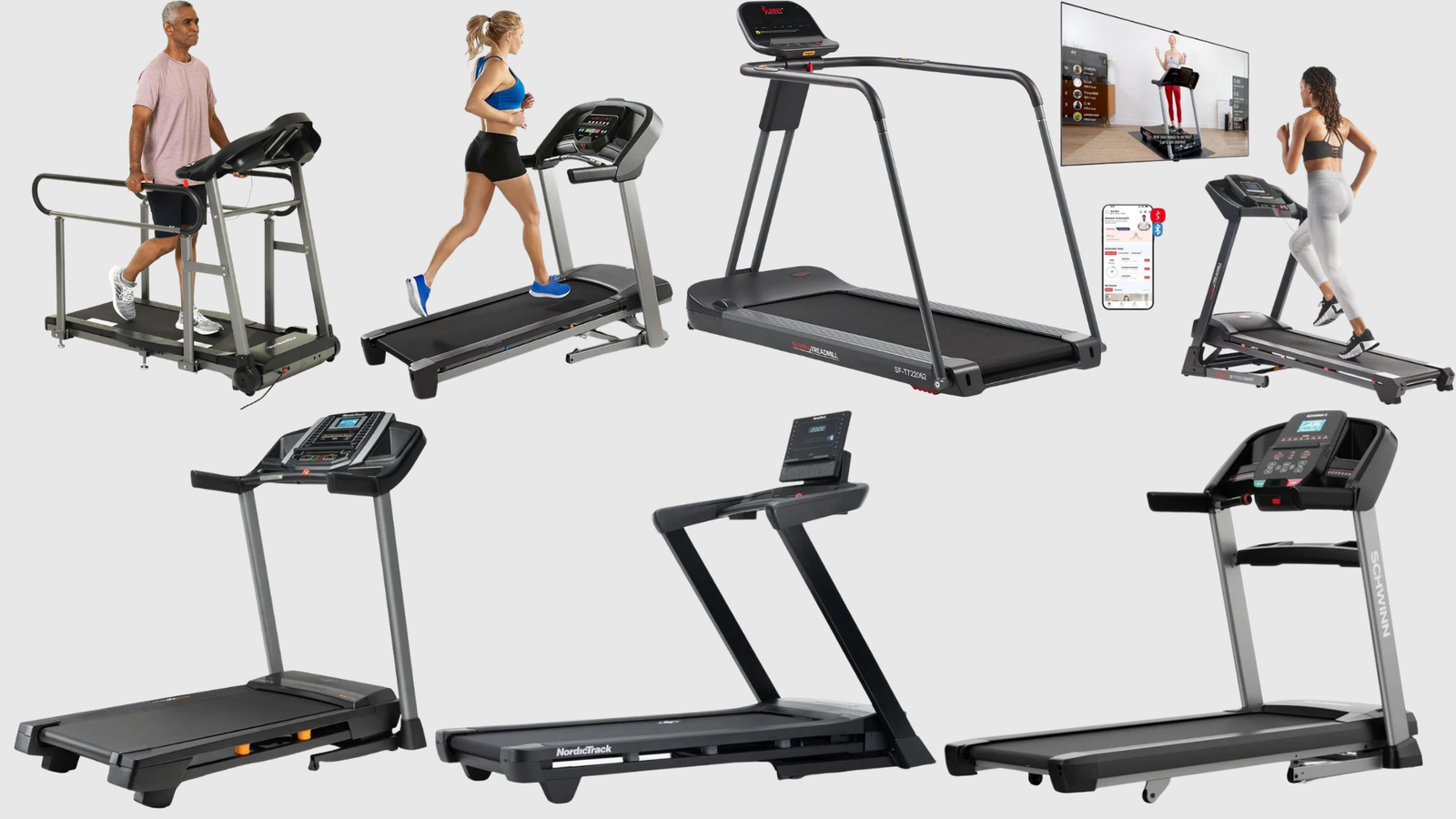
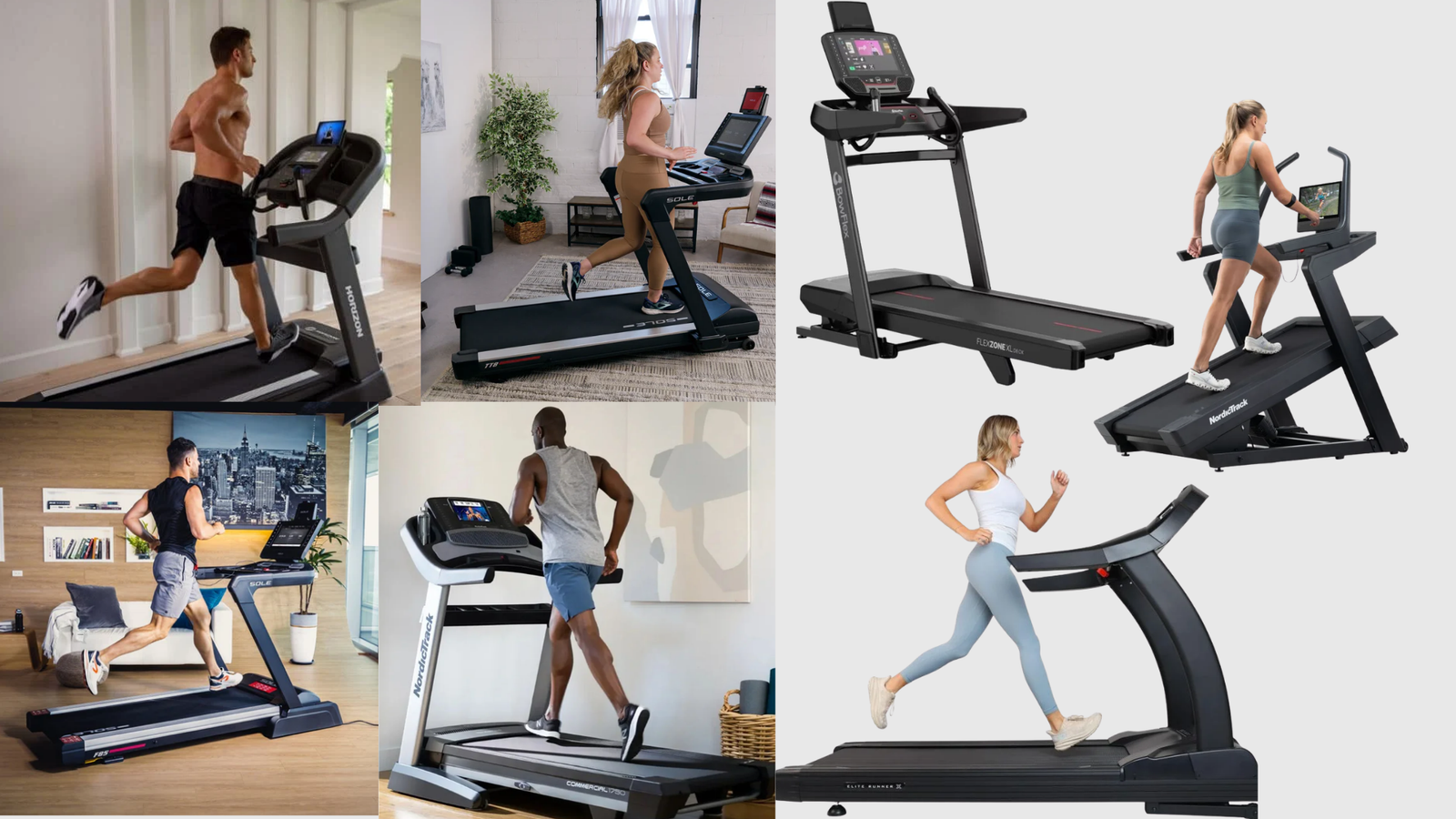
Your treadmill decides which workouts you can do. A 10% incline cap limits steep walks, and a short belt limits running. These seven cover every budget and body type.
| Treadmill | Type | Max Incline | Top Speed | Running Area | Max User Weight | Warranty | Most Exclusive Feature | Best For |
|---|---|---|---|---|---|---|---|---|
| 3G Cardio Elite Runner X | Commercial-grade, non-folding | 15% | 12 mph | 22″ x 62″ | 400 lb | Lifetime frame, 10-yr parts, 2-yr in-home labor | 4.0 HP motor on an oversized deck | Serious walkers and runners |
| NordicTrack T Series 5 | Smart, non-folding | 10% | 10 mph | 18″ x 55″ | 300 lb | 10-yr frame, 1-yr parts, 1-yr labor | iFIT auto-adjusts incline during classes | Guided incline workouts |
| ProForm Carbon TLX | Smart, folding | 12% | 12 mph | Not listed by brand | 300 lb | 10-yr frame, 1-yr parts, 1-yr labor | 12 mph and 12% in a folding frame | Runners with limited space |
| Horizon T101 | Folding | 10% | 10 mph | 20″ x 55″ | 300 lb | Lifetime frame and motor, 1-yr parts, 1-yr labor | Lifetime motor warranty | Simple, durable all-rounder |
| Sunny Health & Fitness Auto Incline Treadmill | Folding, arrives assembled | 15% | 10 mph | 20″ x 53″ | 300 lb | Not published | No assembly needed | Steep walking on a mid budget |
| WELLFIT Foldable Auto Incline Treadmill | Walking pad with handrail | 10% | 8.6 mph | 44″ x 17″ | 400 lb | Not published | 5-height adjustable handrail | Heavier walkers, seniors |
| THERUN Incline Treadmill | Compact folding | 12% | 9 mph | 43.3″ x 16.5″ | 300 lb | Not published | 12% auto incline in a small footprint | Small rooms, walking-first users |
1. 3G Cardio Elite Runner X: Best Overall for Incline Walking and Running
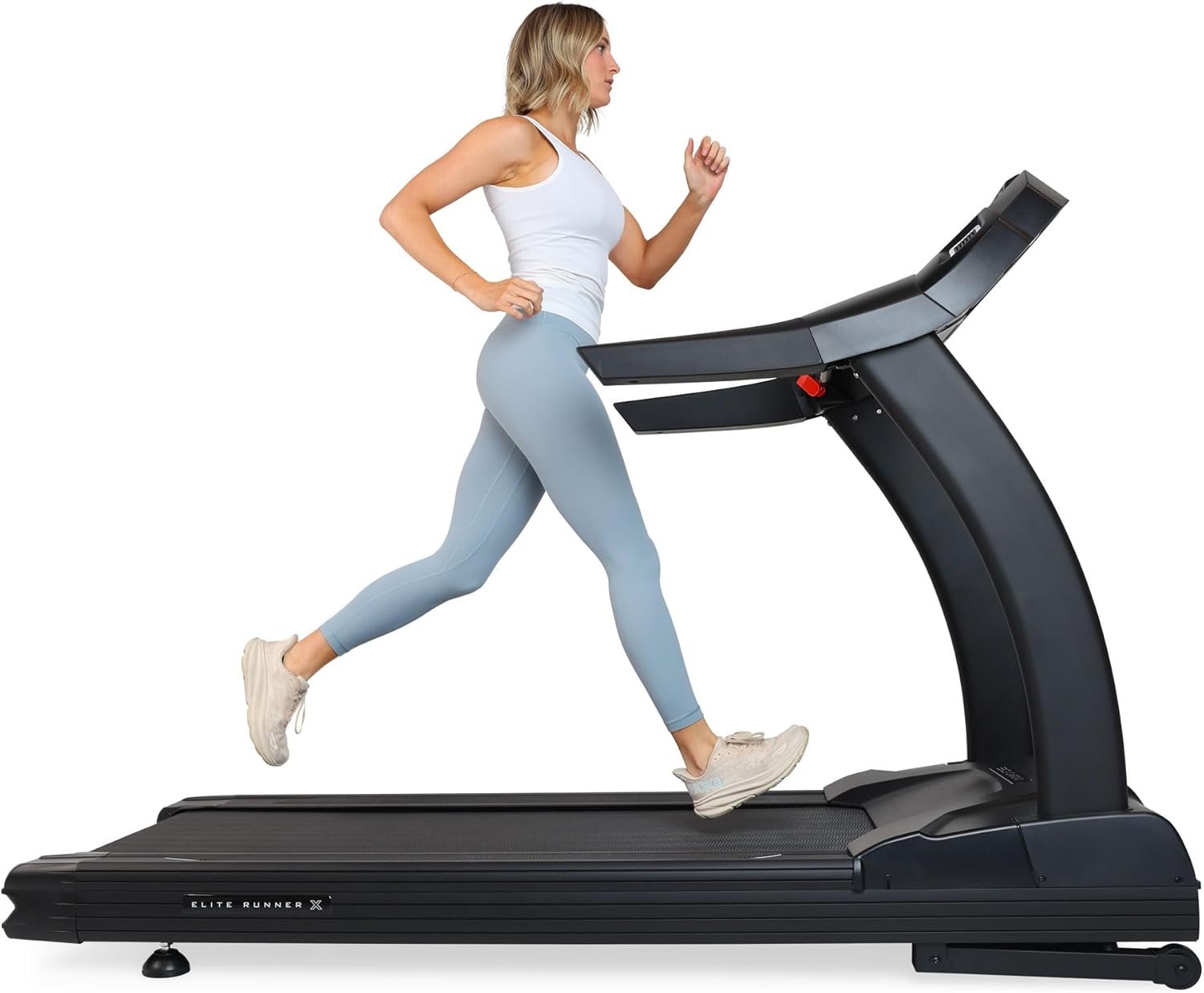
- Incline: up to 15%
- Speed: 0.5–12 mph
- Motor: 4.0 HP
- Running area: 22″ x 62″
- Max user weight: 400 lb
- Machine weight: 386 lb
- Warranty: lifetime frame, 10-year parts, 2-year in-home labor
If you plan to do both styles for years, this is the one I’d buy. I used the 3G Cardio Elite Runner myself when I switched from running to incline walking. The 22″ x 62″ deck gives a long running stride plenty of room, and the 15% incline covers steep hiking-style walks with room to spare.
3G Cardio’s Ortho Flex suspension sits under the deck to soften each landing. At 400 lb max user weight, heavier walkers can use it without worrying about the frame. The motor takes it from 0 to 12 mph in about 18 seconds, which helps for sprint intervals.
What Makes It Different
It’s built like a gym machine, not a home treadmill with a few upgrades.
Best for: anyone who walks steep hills and runs fast, including users up to 400 lb.
Pros
- Longest, widest deck in this list
- 15% incline handles any walking workout
- 400 lb user rating
- Lifetime frame and 10-year parts coverage
- Quick speed changes for intervals
Cons
- At 386 lb and 84″ long, it doesn’t fold and needs a dedicated room
- Premium price tier
- No built-in touchscreen classes
2. NordicTrack T Series 5: Best for Guided Incline Workouts
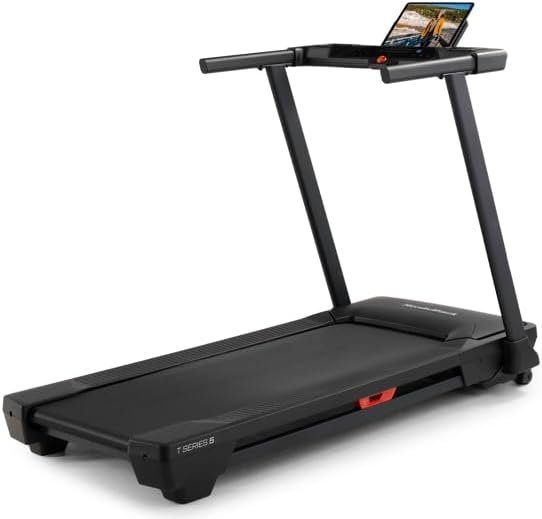
- Incline: 0–10%
- Speed: 0–10 mph
- Motor: 2.6 CHP
- Running area: 18″ x 55″
- Max user weight: 300 lb
- Display: 5″ LCD with device shelf
- Warranty: 10-year frame, 1-year parts, 1-year labor
Some people need a coach in the room. With an iFIT membership (sold separately, billed monthly), trainers change your incline and speed for you as the workout plays on your phone or tablet. You just keep walking.
That hands-off control is why I like it for incline walking. If you’d normally sit at 3%, a class can keep you at 8–10% far longer, because you’re not the one pressing the button.
What Makes It Different
SmartAdjust scales each iFIT workout up or down to your level, and ActivePulse can tune speed to your heart rate if you pair a Bluetooth chest strap. It turns a basic incline walk into a structured program without you touching the buttons.
Best for: walkers who want trainer-led incline sessions.
Pros
- Auto incline and speed changes during iFIT classes
- KeyFlex cushioning softens each step
- 10-year frame warranty
- Huge workout library to fight boredom
Cons
- It doesn’t fold, which surprises many buyers
- 18″ belt width feels narrow for runners
- 10% incline cap rules out a true 12-3-30
- Best features need a paid membership
3. ProForm Carbon TLX: Best Folding Option for Runners
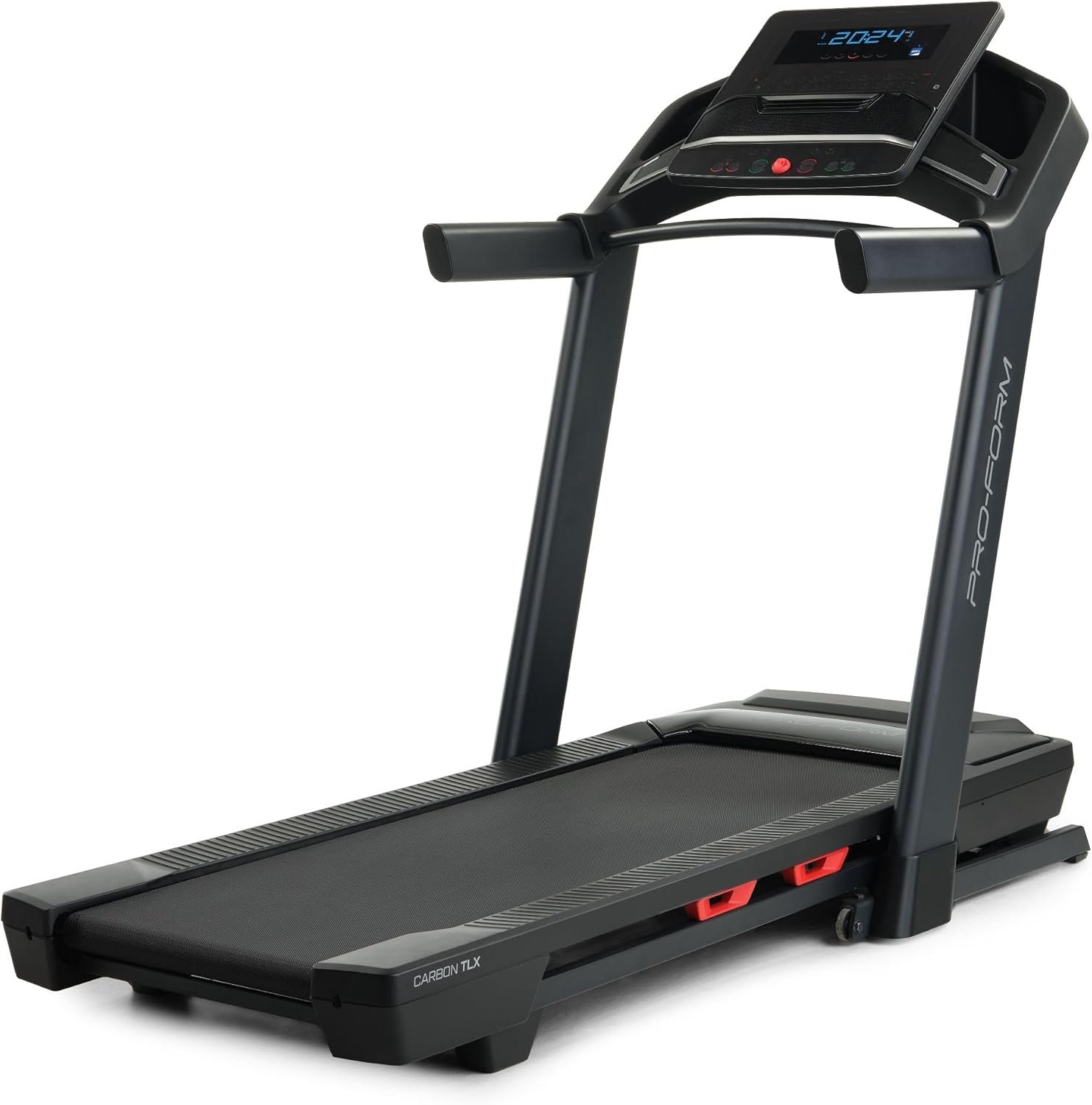
- Incline: 0–12%
- Speed: 0–12 mph
- Display: 7″ LCD with device shelf
- Cushioning: ProShox
- Max user weight: 300 lb
- Warranty: 10-year frame, 1-year parts, 1-year labor
Need a treadmill that disappears after your workout? The Carbon TLX folds up with a hydraulic assist, yet it still reaches 12 mph and a 12% grade. That’s enough for both the full 12-3-30 and real tempo runs.
It also works with iFIT, so you get the same auto-adjusting classes as the NordicTrack.
What Makes It Different
You rarely get 12 mph, 12% incline and a folding frame together at this level. Most folding models give up speed or incline to save space; this one keeps both.
Best for: runners in apartments or shared rooms.
Pros
- 12 mph top speed covers fast intervals
- 12% incline handles a full 12-3-30
- Hydraulic folding
- iFIT auto-adjust works here too
- 10-year frame warranty
- Bigger 7″ display than the T Series 5
Cons
- ProForm doesn’t list the belt size on its product page, so check it before you buy if you’re tall
- Heavy at delivery; plan for two people
4. Horizon T101: Best Simple, Durable All-Rounder

- Incline: 0–10%
- Speed: 0.5–10 mph
- Running area: 20″ x 55″
- Cushioning: 3-Zone Variable Response
- Max user weight: 300 lb
- Folded size: 46″ x 34″ x 61″
- Warranty: lifetime frame and motor, 1-year parts, 1-year labor
No screens to update and no subscription. The T101 uses two dials for speed and incline, so changing from a walk to a jog takes a second of thumb work.
The cushioning is firmer near the back of the deck and softer where you land. It connects by Bluetooth to apps like Zwift and Peloton if you want them, but it doesn’t push you into anything.
What Makes It Different
A lifetime motor warranty. Most rivals here cover the motor for a year.
Best for: walk-run users who want a no-fuss machine that lasts.
Pros
- Lifetime frame and motor coverage
- Quick dial controls for intervals
- Wider 20″ belt than the T Series 5
- Works with your own apps, no lock-in
Cons
- 10% incline maximum
- Few Amazon reviews so far on this listing
- Not compatible with GFCI outlets, per Horizon
5. Sunny Health & Fitness Auto Incline Treadmill: Best for Steep Walking on a Mid Budget
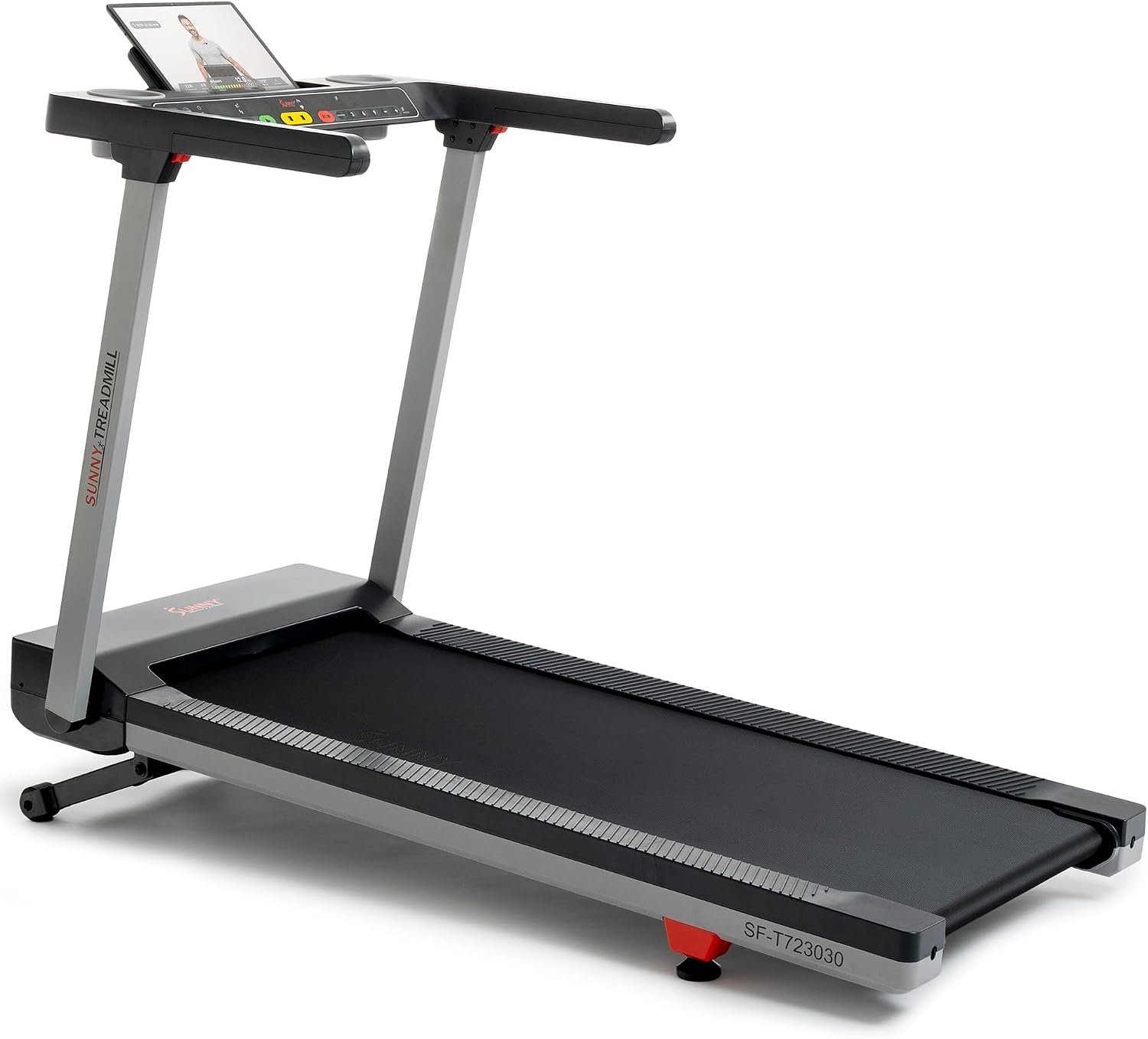
- Incline: 15 auto levels, up to 15%
- Speed: 0.6–10 mph
- Motor: 2.5 peak HP brushless
- Running area: 20″ x 53″
- Max user weight: 300 lb
- Programs: 24 built-in
Assembly scares a lot of people off treadmills. This one arrives fully built. You lift the handlebar, lock it, and you’re walking.
The bigger story for incline fans is the 15% grade. That’s the same ceiling as the 3G Cardio, at a much friendlier price tier, and it’s enough for steeper versions of the 12-3-30 once you outgrow it.
What Makes It Different
Zero assembly plus a 15% incline. The brushless motor also tends to run quieter and cooler than brushed motors, which matters during long, slow uphill sessions.
Best for: walkers who want steep grades without a commercial-size machine.
Pros
- Arrives fully assembled
- 15% max incline
- Quiet brushless motor
- Folds with one click
- Free SunnyFit app with pulse sensors on the handles
Cons
- 53″ belt is short for runners with a long stride
- Sunny’s spec table lists the lowest incline step at 1.8%, while its description says 0%
- Sunny doesn’t state the warranty term on the product page
6. WELLFIT Foldable Auto Incline Treadmill: Best for Heavier Walkers and Seniors
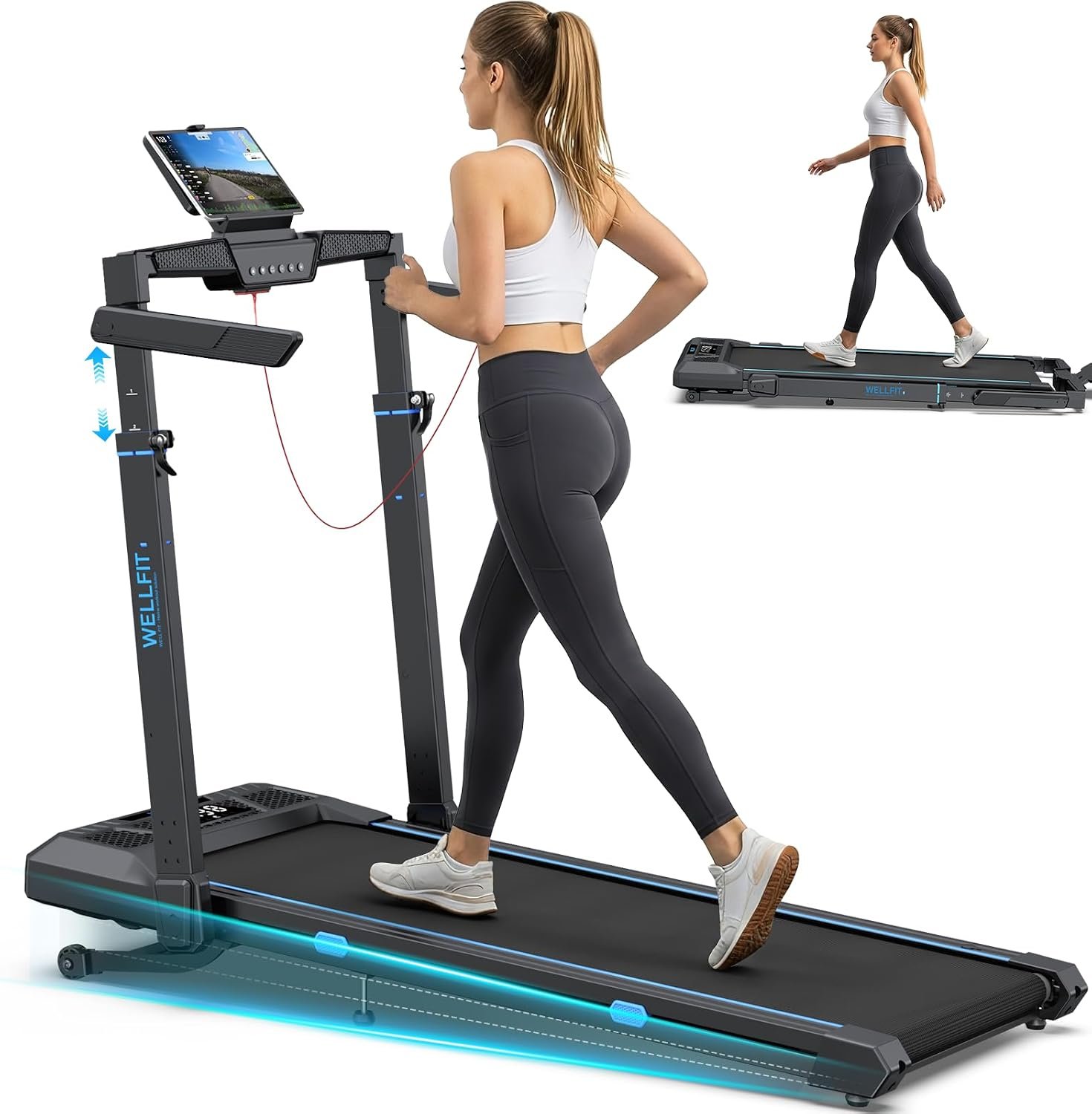
- Incline: 0–10% auto
- Speed: 0.6–8.6 mph
- Motor: 3.5 HP
- Running area: 44″ x 17″
- Max user weight: 400 lb
- Handrail: 5 heights, 30.5″ to 41″
- Folded height: 5.7″
I’ll be blunt: this isn’t a running machine. Its 44″ belt and 8.6 mph top speed are built for walking. And for incline walking, it does a lot right.
The handrail adjusts to five heights, so a 5’0″ grandmother and a 6’3″ son can both stand tall instead of hunching. Add the 400 lb rating and it fits a group that most compact treadmills leave out. If that’s you, my list of best treadmills for heavy people has more options.
What Makes It Different
The height-adjustable handrail. It sounds small, but posture on an incline matters, and a rail at the wrong height pulls you forward.
Best for: heavier walkers, seniors and families with very different heights.
Pros
- 400 lb user rating
- Five handrail heights
- Folds to 5.7″ and slides under a bed or sofa
- Quiet, rated under 45 dB
Cons
- Not for running: short belt, 8.6 mph cap
- 17″ belt width leaves little side room
- No published warranty term
- No official spec page; specs come from the Amazon listing
7. THERUN Incline Treadmill: Best Compact Pick for Small Rooms

- Incline: 0–12% auto, 12 levels
- Speed: 0.5–9 mph
- Motor: 3.0 HP
- Running area: 43.3″ x 16.5″
- Max user weight: 300 lb
- Cushioning: 4 shock absorbers plus 2 cushion layers
Short on floor space but set on doing 12-3-30 at home? This is the smallest machine here that reaches 12%.
It folds away after each session and handles brisk walks and light jogging. I wouldn’t run hard on it. A 43″ belt is too short for a full running stride, and you’ll feel it at 6 mph and up.
What Makes It Different
Full 12-3-30 capability in a footprint not much bigger than a walking pad.
Best for: apartment walkers who mostly want steep, slow sessions.
Pros
- 12% auto incline
- Compact and foldable
- 3.0 HP motor for its size
- Lots of Amazon reviews for a small brand
Cons
- Belt too short for real running
- Narrowest belt in this list at 16.5″
- No published warranty term
Buying Guide: What Matters for Incline Walking and Running
Max Incline
Get at least 12% if 12-3-30 is your plan. A 10% machine still works for most incline walks, but you’ll top out within a few months. 15% gives you headroom.
Belt Length and Width
For running, aim for 55″ or longer and about 20″ wide; taller runners should look at 60″. Walkers can get by with 44–50″. Belt length is the hardest spec to fix later, so don’t compromise on it if you run.
Top Speed
10 mph is a 6-minute mile, which is plenty for most people. If you do sprint intervals, look for 12 mph. Walking-only users don’t need more than 4–5 mph.
Motor and User Weight
Long uphill walks make the motor work hard. Pick a treadmill rated at least 50 lb above your body weight so it isn’t running near its limit. Watch the HP labels too: some brands quote continuous horsepower (CHP), others quote peak, and peak numbers look bigger than they are.
Folding vs Fixed Frame
Fixed frames feel steadier at speed. Folding frames save floor space. If you’re torn between a compact treadmill and a walking pad, read my walking pad vs treadmill comparison first.
Who Incline Walking or Running Is NOT For
Skip steep incline walking if you have an Achilles or calf injury right now, or plantar fasciitis that flares on hills. Stay at 0–3% until it settles.
Skip running for now if you’re returning from a knee or hip injury, you’re very new to exercise, or you’re carrying a lot of extra weight and haven’t built a walking base yet. Give yourself 6–8 weeks of regular walking first. My take on whether treadmill running is bad for you covers the common worries.
Talk to your doctor before either if you have heart disease, high blood pressure that isn’t controlled, or dizziness during exercise. Steep incline raises your heart rate quickly, even at a slow pace.
Frequently Asked Questions
Is incline walking better than running for weight loss?
Not by itself. Both work when your total calories match. Running just gets you there faster, so the better choice is the one you’ll do consistently.
Does incline walking burn more fat than running?
During the workout, yes. In a 2025 study about 41% of the fuel used during incline walking came from fat, compared with 33% for running. Your daily calorie balance still decides how much body fat you actually lose.
How many calories does the 12-3-30 workout burn?
About 300 calories for the active young adults in the 2025 study, or roughly 10 calories a minute. Heavier people burn more.
Is incline walking easier on the knees than running?
Yes. Walking has no flight phase, and in one study slow uphill walking lowered peak knee force early in each step by 23–35% compared with brisk flat walking.
What incline should a beginner start with?
Around 5–6% for 15–20 minutes. Add 1–2% a week until a steeper grade feels steady.
Can incline walking replace running?
For general health and fat loss, it can. For race training or top-end cardio fitness, it can’t fully replace running.
Should I hold the handrails during incline walking?
Only lightly, for balance. Gripping hard takes weight off your legs and makes the workout easier than the display suggests.
What treadmill incline do I need for 12-3-30?
At least 12%. A treadmill that reaches 15% gives you room to progress.
Affiliate disclosure: Some links on this page are affiliate links. If you buy through them, My Active Tribe may earn a small commission at no extra cost to you. It never changes which products I recommend.