Lactose-free protein shakes let you hit your daily protein target without the bloating, cramping, or gas that dairy-based shakes can trigger. After 24 years of running and coaching more than 1,000 clients through weight management as an INFS-certified nutrition coach, I’ve tested dozens of these shakes myself — and the short answer is: OWYN and Fairlife Core Power Elite are the strongest ready-to-drink picks, Transparent Labs and Isopure are the cleanest whey isolate powders, and Nutiva Hemp is the simplest single-ingredient option if you want zero additives.
Quick Answer: If you want a ready-to-drink shake, Fairlife Core Power Elite (42g protein, real milk, genuinely lactose-free) and OWYN (20g plant protein plus a greens blend) cover both the dairy and vegan sides. If you prefer powders, Transparent Labs Grass-Fed Whey Isolate (28g, virtually zero lactose) and Nutiva Organic Hemp Seed Protein (15g, single ingredient) are the cleanest options on this list.
Table of Contents
Quick Comparison: 9 Best Lactose-Free Protein Shakes (2026)
| Product | Protein Source | Protein Per Serving | Format | Sugar Content | Allergen Notes |
|---|---|---|---|---|---|
| OWYN 100% Vegan Protein Shake | Pea, pumpkin seed, flaxseed | 20g | Ready to drink | 4g added sugar | Free of top 9 allergens |
| Vega Ready-to-Drink Protein Shake | Hydrolyzed pea protein, soy protein isolate | 21g | Ready to drink | Low sugar | Contains soy; explicitly labeled lactose-free |
| Isopure Zero Carb | Whey protein isolate | 25g | Powder | 0g sugar | Contains milk (low lactose) |
| Transparent Labs Grass-Fed Whey Isolate | Grass-fed whey isolate | 28g | Powder | Naturally flavored, minimal sugar | Contains milk (virtually zero lactose) |
| Fairlife Core Power Elite | Ultra-filtered milk | 42g | Ready to drink | Low sugar | Contains milk allergen |
| ON Gold Standard 100% Plant-Based | Pea, brown rice, fava bean | 24g | Powder | 0g sugar | Vegan, gluten-free |
| Soylent Complete Coffee | Soy protein isolate | 20g | Ready to drink | 1g sugar | Contains soy; has caffeine (150mg) |
| Nutiva Organic Hemp Seed Protein | Hemp seed | 15g | Powder | No added sweeteners | Made without soy, dairy, or lactose |
| Bucked Up Protein Soda | Grass-fed whey isolate | 25g | Ready to drink (carbonated) | 0g sugar | Contains milk (under 1g lactose) |
Are Lactose-Free Protein Shakes Right for You?
Lactose intolerance happens when your body doesn’t produce enough lactase, the enzyme that breaks down the natural sugar in milk. According to the Mayo Clinic, symptoms like bloating, gas, and diarrhea typically show up 30 minutes to two hours after consuming dairy, and the severity varies a lot from person to person. That’s why some lactose-intolerant people can handle a whey isolate (which has had most of the lactose filtered out) just fine, while others need to switch to a fully plant-based shake.
In my coaching work, I’ve seen clients assume “lactose-free” and “dairy-free” mean the same thing — they don’t. A shake can be dairy-based and still be labeled lactose-free, like Fairlife’s ultra-filtered milk products. Knowing which type fits your tolerance level matters more than just grabbing whatever says “lactose-free” on the label.
1. OWYN 100% Vegan Protein Shake — Best Overall Ready-to-Drink
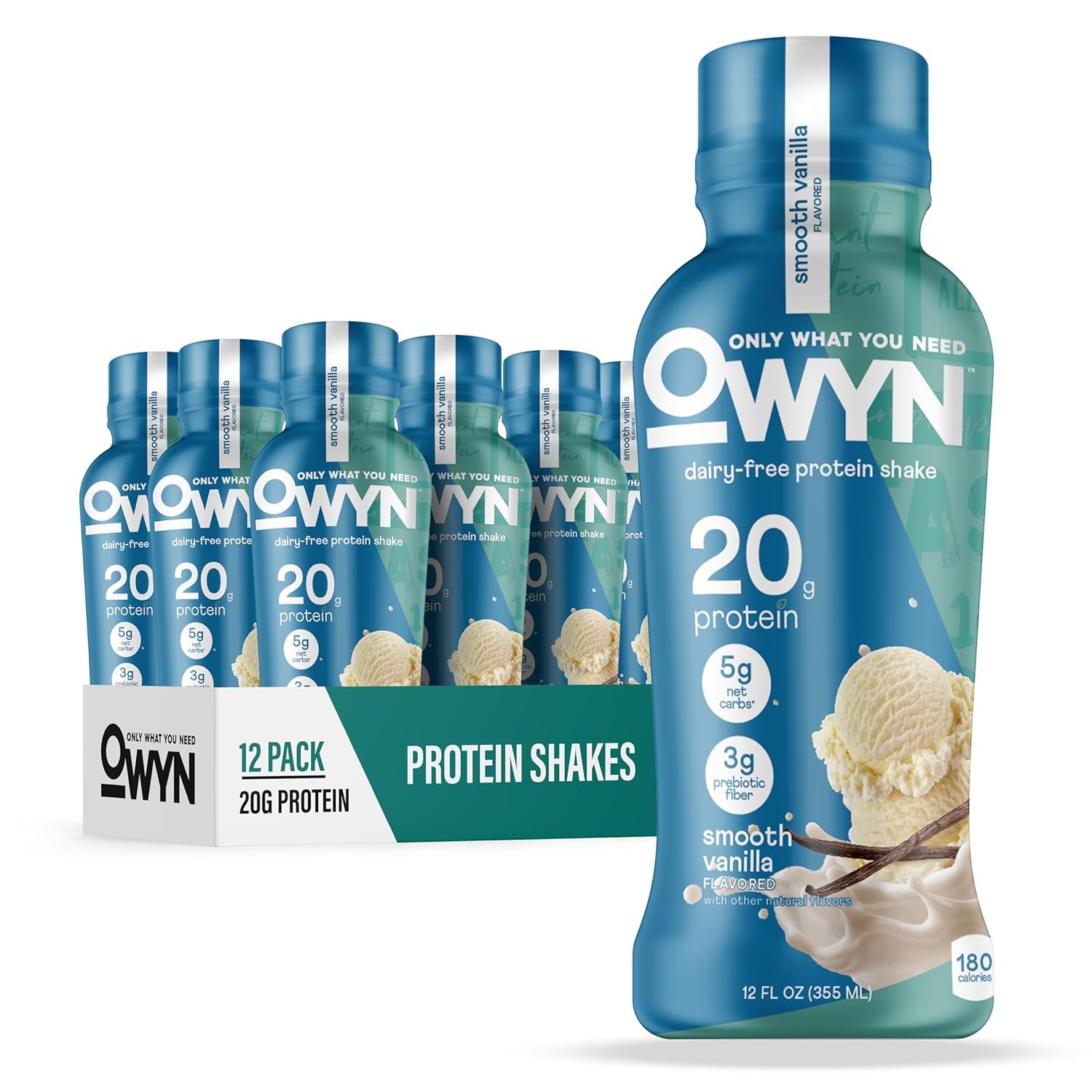
- 20g plant-based protein per 12 fl oz bottle (pea, organic pumpkin seed, organic flaxseed oil)
- 180 calories, ready to drink, no mixing required
- Free of the top 9 allergens: dairy, soy, gluten, egg, peanut, tree nut, wheat, fish, shellfish
- Sweetened with monk fruit extract and organic cane sugar (4g added sugar)
- Includes a superfoods greens blend (kale, spinach, broccoli) and 535mg omega-3
OWYN earns the top spot here because it solves two problems at once: it’s completely dairy-free, and it’s one of the few ready-to-drink shakes that also packs in a real greens blend instead of just protein and flavoring.
What Makes It Different
Most vegan RTD shakes stop at protein and vitamins. OWYN adds an actual greens blend (kale, spinach, broccoli) into a 20g protein shake, so you’re getting a small nutritional bonus most competitors skip entirely.
I recommend OWYN most often to clients who tell me they’re tired of gritty, chalky plant protein powders. Because it’s already mixed and tested for the top 9 allergens, it’s also one of the safer picks if you’re managing multiple food sensitivities at once, not just lactose.
The 4g of added sugar (from organic cane sugar and monk fruit) is modest but worth knowing if you’re tracking sugar closely. It’s shelf-stable until opened, which makes it easy to keep a few bottles in a gym bag or desk drawer.
Best for: Vegans and dairy-avoiders who want a nutrient-dense, ready-to-drink shake that covers more than just protein.
Pros
- Completely free of the top 9 allergens, not just dairy.
- Includes a real greens blend on top of the protein content.
- No refrigeration needed until the bottle is opened.
- Smooth texture without the grittiness common in plant protein.
Cons
- Contains 4g of added sugar, which some strict low-sugar dieters may want to avoid.
- At 20g protein per bottle, it’s lower than the whey isolate options on this list.
2. Vega Ready-to-Drink Protein Shake — Best Explicitly Labeled Lactose-Free RTD
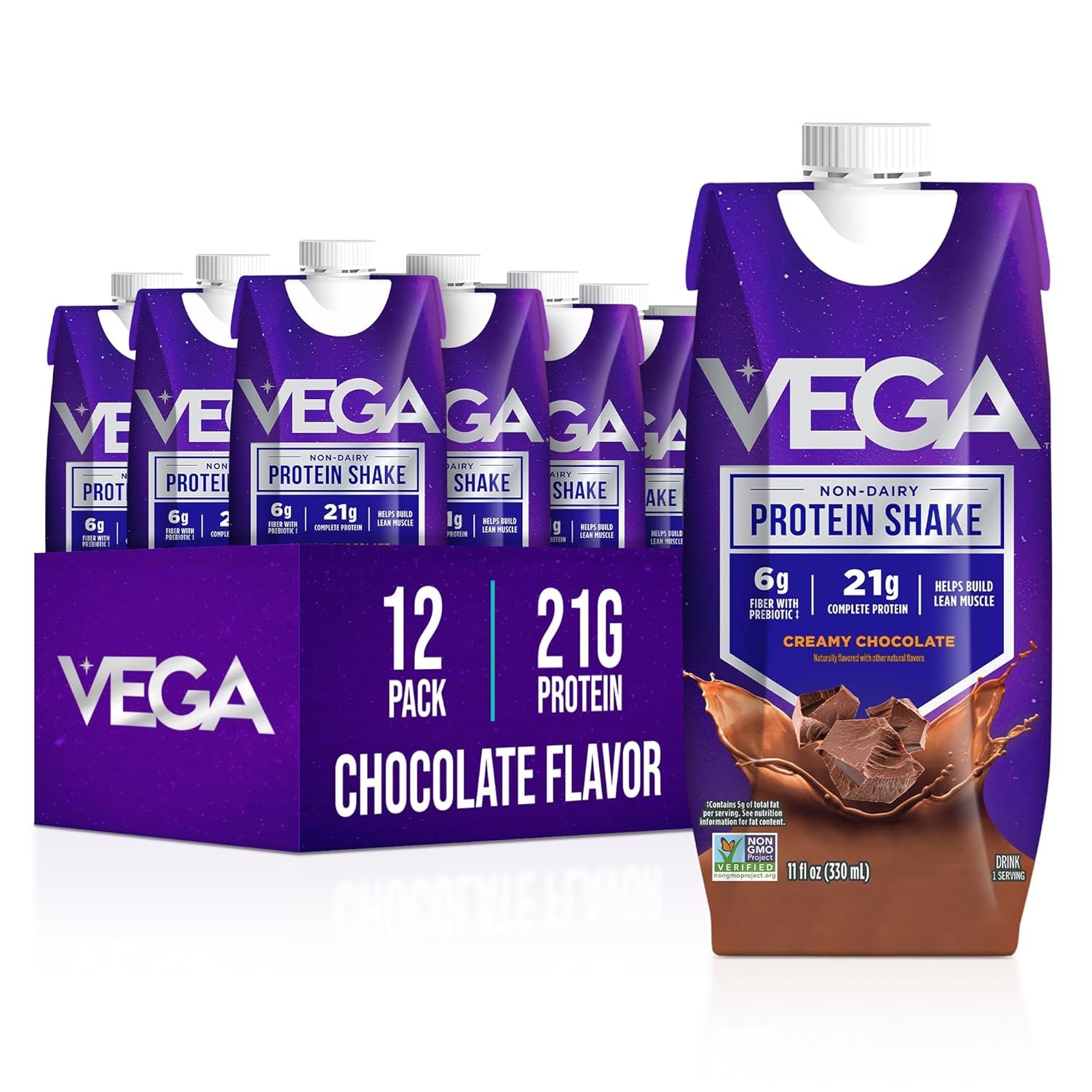
- 21g plant protein per 330ml bottle from a hydrolyzed pea protein and soy protein isolate blend
- Gluten-free, non-dairy, and explicitly labeled lactose-free on the packaging
- 6g fiber per bottle
- Sweetened with cane sugar and stevia leaf extract
- Shelf-stable, grab-and-go format
Vega’s Ready-to-Drink Protein Shake is the only product on this list that puts “Lactose Free” directly on the front of the packaging, which makes it an easy, no-guesswork pick if that label matters to you at the shelf.
What Makes It Different
Most vegan RTD shakes lead with “plant-based” or “vegan” on the label and leave lactose status to the ingredient list. Vega calls it out explicitly, which removes any doubt for readers who’ve been burned by vague labeling before.
At 21g protein per bottle, it also edges out most of the other RTD vegan shakes on this list by a gram or two, while still keeping the format simple: grab it, shake it, drink it.
Best for: Readers who want the lactose-free claim stated explicitly on the label, not just implied by “vegan” or “plant-based.”
Pros
- Explicitly labeled lactose-free, removing any ambiguity at the shelf.
- 21g protein per bottle, slightly higher than most vegan RTD competitors.
- 6g fiber per serving, more than most ready-to-drink shakes on this list.
- Simple grab-and-go format with no mixing required.
Cons
- Contains soy protein isolate, a separate allergen concern for soy-sensitive readers.
- Vega sells multiple shake formats under similar names, so confirm the bottle says “Ready to Drink Protein Shake” and not the powder tub before buying.
3. Isopure Zero Carb — Best for Strict Low-Carb Diets
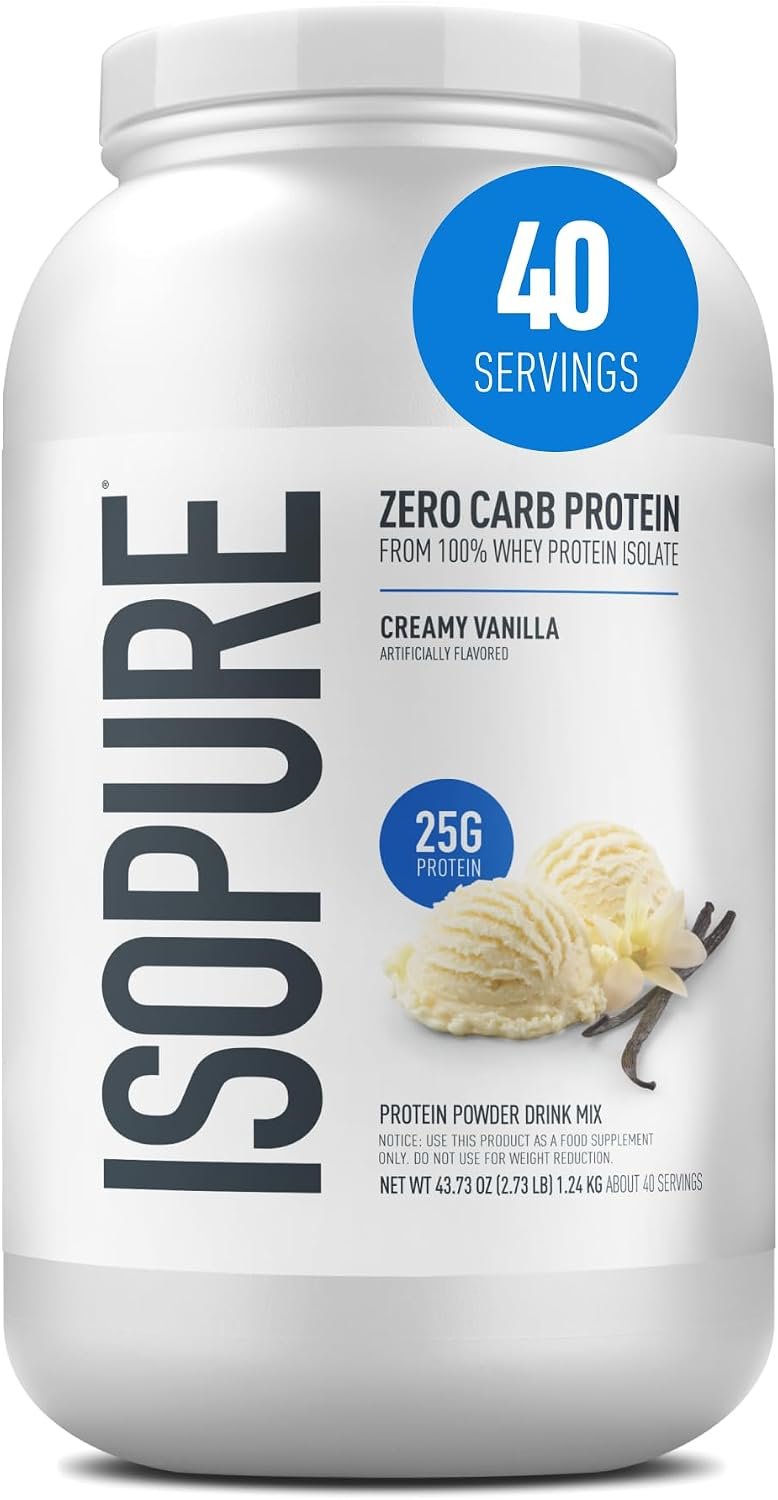
- 25g of 100% whey protein isolate per scoop
- 0g sugar, 0g carbs
- Available in 8 flavors, including unflavored
- 20 vitamins and minerals per serving
- Ultra-filtered to remove excess fat, carbs, and lactose
Isopure is built specifically for people who want a high protein count without any of the carb or sugar baggage that comes with most whey blends.
What Makes It Different
Very few protein powders hit zero grams of both sugar and carbs while still delivering a full 25g of protein. Isopure’s ultra-filtration process is what makes that possible, and it’s also what strips out most of the lactose that would otherwise cause issues for sensitive stomachs.
If you want to understand how whey isolate compares to other isolate and concentrate options on the market, our best whey protein isolates guide breaks down the filtration differences in more detail.
Isopure isn’t technically lactose-free — it’s whey-based, and whey comes from milk — but the isolate filtration process removes the vast majority of lactose, which is why it’s tolerated well by most (not all) lactose-sensitive people.
Best for: Strict low-carb or keto dieters who still want a full 25g of protein per scoop.
Pros
- Zero grams of both sugar and carbs at 25g protein per scoop.
- Eight flavor options, including a true unflavored version.
- Ultra-filtration removes most of the lactose that causes digestive issues.
- Fortified with 20 vitamins and minerals per serving.
Cons
- Not suitable for anyone with a true milk protein allergy, since it’s still dairy-derived.
- Some users with severe lactose intolerance may still notice mild symptoms.
4. Transparent Labs Grass-Fed Whey Isolate — Best Clean-Label Powder
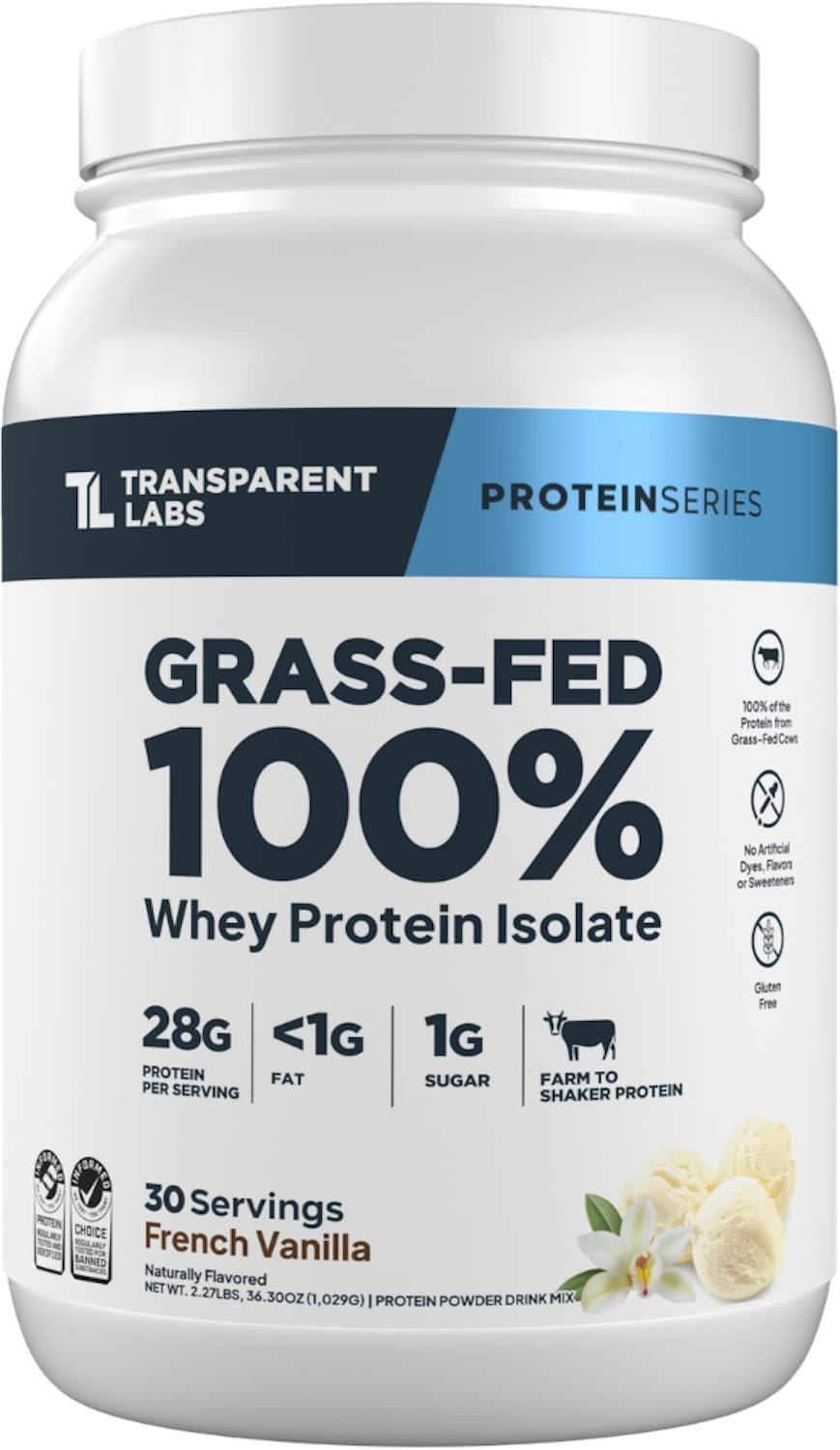
- 28g protein per 32g scoop (over 90% protein purity)
- Sourced from 100% grass-fed, grass-finished American cattle
- Virtually zero lactose, fat, or artificial ingredients
- No artificial sweeteners, food dyes, gluten, or preservatives
- Third-party tested for heavy metals and microbial safety
Transparent Labs is the highest-protein powder on this list at 28g per scoop, and it backs that up with one of the cleanest label lists in the whey isolate category.
What Makes It Different
The grass-fed sourcing is genuinely uncommon in this price tier, and the protein purity (over 90% by weight) is higher than most concentrate-isolate blends. Third-party testing for heavy metals is also something most competitors don’t publish clearly.
Because it’s a true isolate rather than a blend with concentrate mixed in, the lactose content stays extremely low — which is the main reason it’s tolerated by most lactose-sensitive users who still want a dairy-based protein.
Best for: Lactose-sensitive (not lactose-allergic) readers who still want a real dairy-sourced whey protein.
Pros
- Highest protein-per-scoop of any powder on this list at 28g.
- Grass-fed sourcing with no artificial sweeteners or dyes.
- Third-party tested for heavy metals and microbial safety.
- Wide flavor selection, including unflavored.
Cons
- Still dairy-derived, so it’s not an option for anyone with a milk allergy.
- Costs more per serving than concentrate-based whey blends.
5. Fairlife Core Power Elite — Best for a Real Milkshake Texture
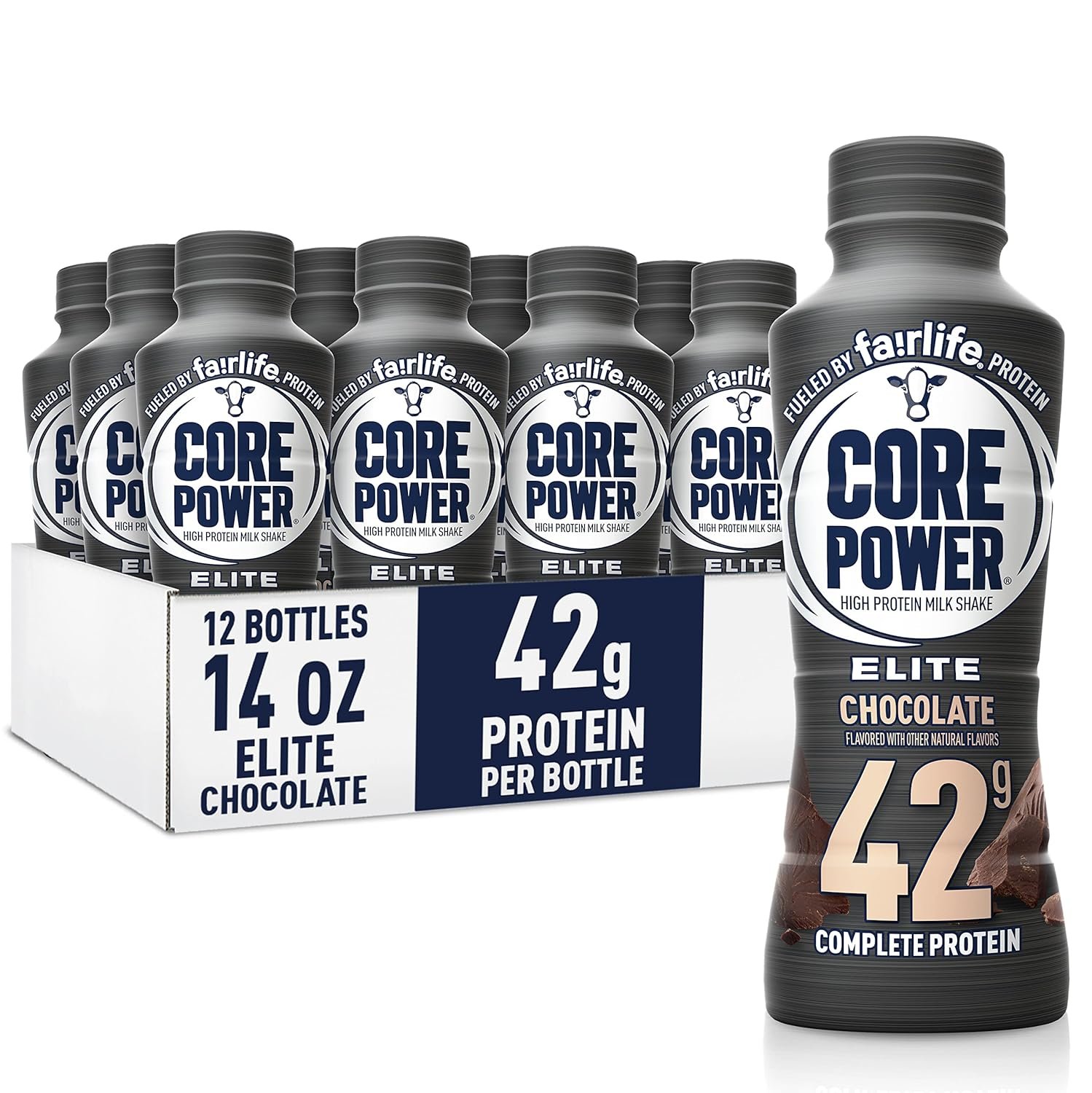
- 42g complete protein per 14 fl oz bottle
- 230 calories, made from ultra-filtered milk with a lactase enzyme added
- All 9 essential amino acids, plus calcium, vitamin D, and electrolytes
- Shelf-stable until opened
- Contains milk allergen (not suitable for a true dairy allergy)
Fairlife Core Power Elite delivers more protein per serving than anything else on this list, and it does it using real milk rather than switching to a plant-based formula.
What Makes It Different
This is the only genuinely dairy-based option in this roundup. Fairlife’s ultra-filtration process removes most of the lactose from real milk, and an added lactase enzyme breaks down what’s left, so you keep the taste and thick texture of an actual milkshake instead of switching to a plant protein substitute.
For readers who’ve been using this as a meal replacement rather than a post-workout snack, it’s worth comparing against our full meal replacement shakes guide, since Core Power Elite’s 230-calorie count puts it closer to that category than a typical light protein shake.
Best for: Former dairy-shake drinkers who miss the taste and texture of a real milkshake.
Pros
- Highest protein count on this list at 42g per bottle.
- Genuine milk-based taste and texture, not a plant substitute.
- Lactase enzyme actively breaks down remaining lactose, not just filtration alone.
- Shelf-stable and widely available at grocery stores, not just online.
Cons
- Lactose-free is not the same as milk-allergen-free — avoid entirely if you have a true dairy allergy.
- At 230 calories, it’s more of a meal-replacement-style shake than a light snack.
6. Optimum Nutrition Gold Standard 100% Plant-Based — Best for Tested Athletes
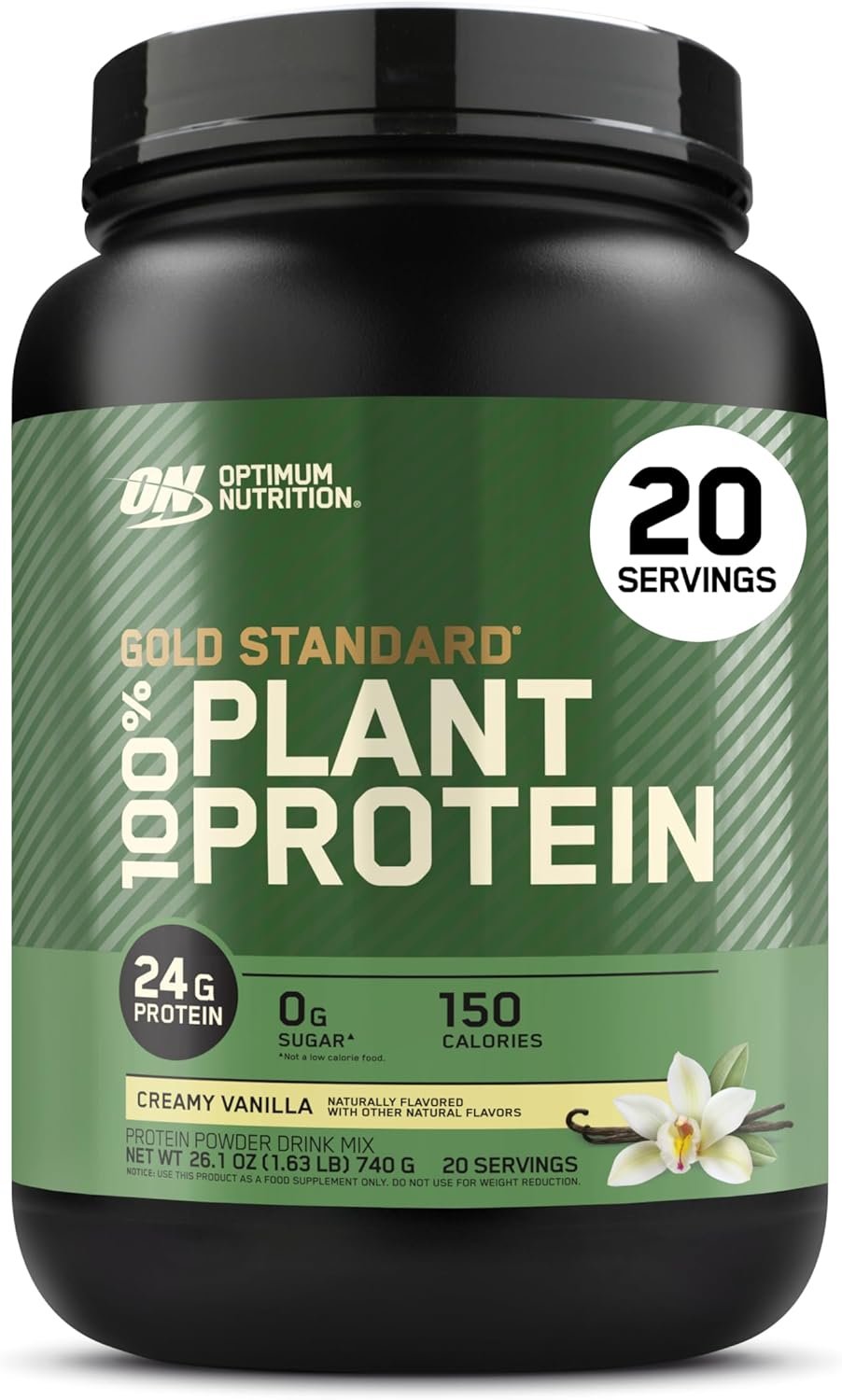
- 24g plant protein per serving from a pea, brown rice, and fava bean blend
- USDA Organic, Non-GMO, and vegan
- 0g sugar, gluten-free
- Banned-substance tested
- No artificial flavors, colors, or sweeteners
ON Gold Standard Plant is the one protein on this list you’ll actually see used by competitive athletes, largely because of its banned-substance testing.
What Makes It Different
Most plant proteins in this price range skip third-party banned-substance testing entirely. ON’s testing program (the same one behind its whey products) is a rare crossover for athletes who need dairy-free protein but also compete under drug-testing rules.
The three-source blend (pea, brown rice, fava bean) also gives it a more complete amino acid profile than single-source plant powders.
Best for: Competitive athletes who need banned-substance-tested plant protein.
Pros
- Banned-substance tested, unusual for a plant protein at this price point.
- 24g protein from a three-source blend for a more complete amino acid profile.
- Zero grams of sugar and no artificial sweeteners.
- USDA Organic and Non-GMO certified.
Cons
- Some users report a chalkier texture than dairy-based whey powders.
- Fava bean protein isn’t suitable for anyone with a fava bean or legume allergy.
7. Soylent Complete Coffee — Best for Replacing Coffee and Protein in One Drink
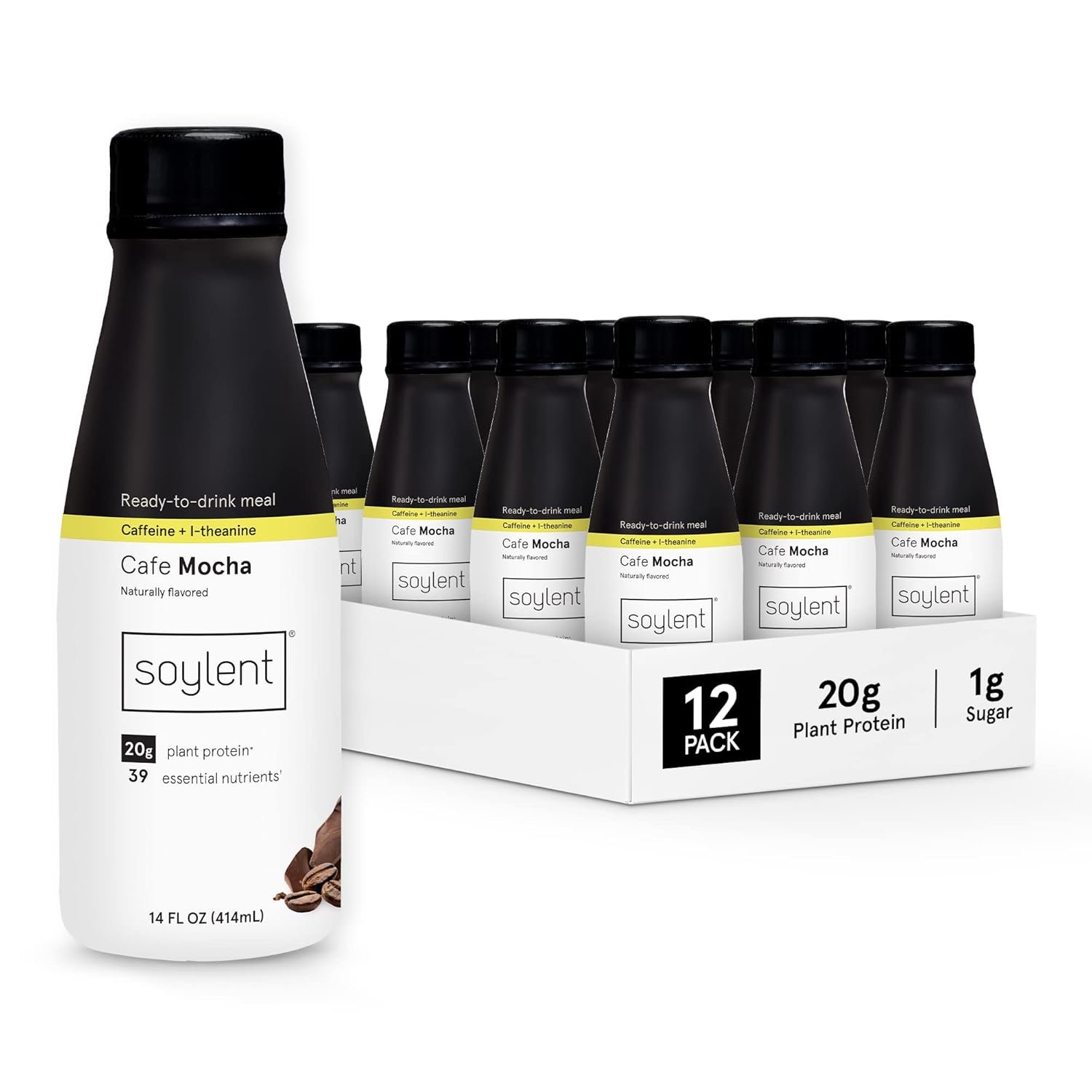
- 20g plant-based protein (soy protein isolate) per 14 fl oz bottle
- 400 calories, 1g sugar
- 150mg caffeine plus L-theanine, sourced from real coffee
- 28 vitamins and minerals, 3g BCAAs, 600mg omega-3
- Gluten-free, dairy-free; available in Mocha, Latte, and Chai flavors
Soylent Complete Coffee is the only shake on this list built around real coffee flavor and caffeine instead of pure protein volume, which makes it a genuinely different tool than the rest of this lineup.
What Makes It Different
Nothing else here combines actual coffee flavor, 150mg of caffeine, and L-theanine with 20g of protein in one bottle. If your morning routine is coffee plus a protein shake, Complete Coffee is designed to replace both at once rather than functioning as a pure post-workout shake.
At 400 calories, it’s also more of a full meal replacement than a light snack shake, which is worth knowing before you build it into a between-meals routine.
Best for: Readers who want to replace their morning coffee and protein shake with a single drink.
Pros
- Combines real coffee flavor and caffeine with protein, cutting out a separate coffee.
- 400 calories and 20g protein make it substantial enough to work as a full meal replacement.
- Genuinely dairy-free, since the protein source is soy, not whey.
- Convenient ready-to-drink format with no mixing required.
Cons
- Contains soy, which is a separate allergen concern for some lactose-intolerant readers.
- The 150mg of caffeine and 400-calorie count make it a poor fit for an evening or light snack shake.
8. Nutiva Organic Hemp Seed Protein Powder — Best Single-Ingredient Option
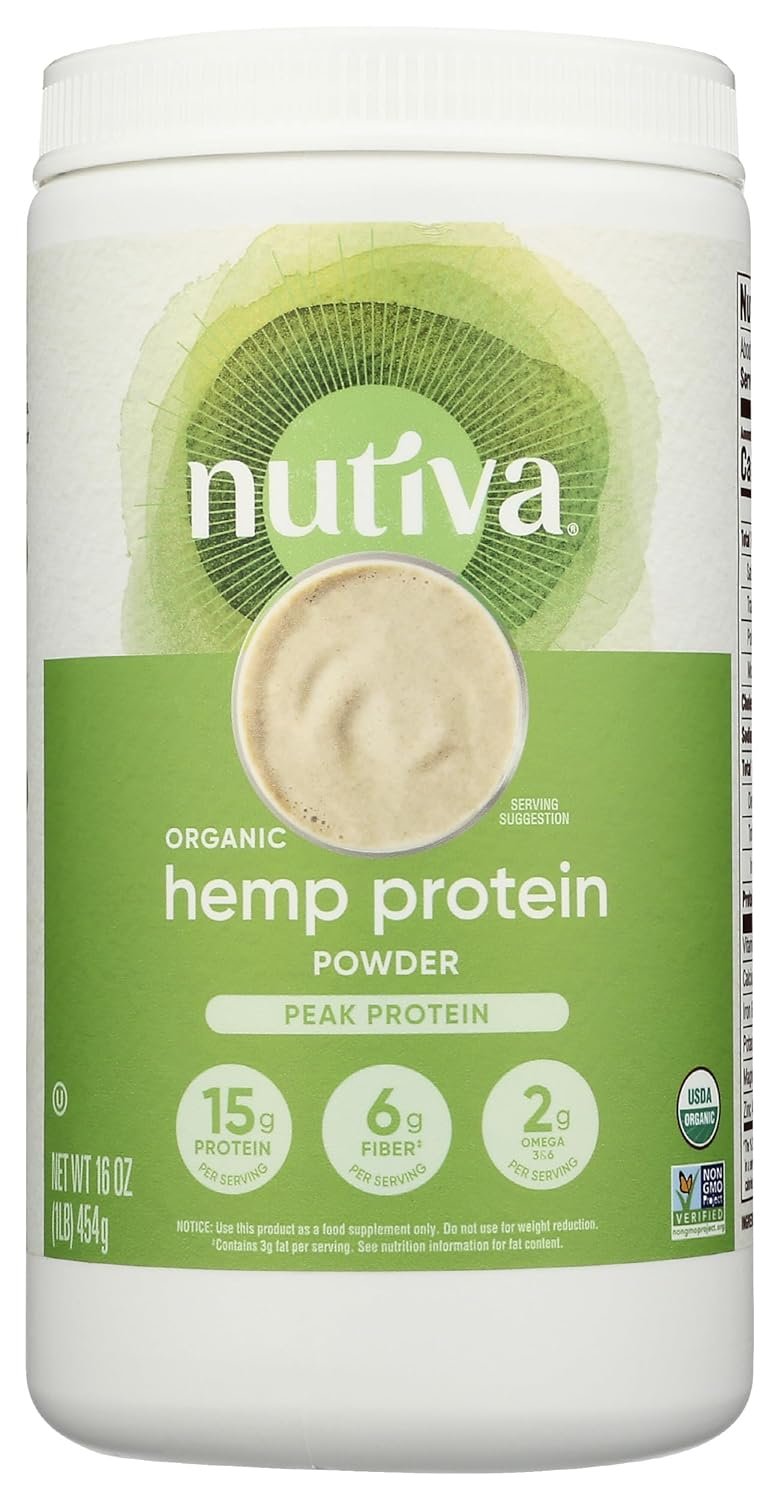
- 15g raw protein per 30g (4 tbsp) serving
- 6g fiber, 2g omega-3 and omega-6 fatty acids
- Made without soy, dairy, lactose, or added sweeteners
- USDA Organic, Non-GMO Project Verified, Certified Vegan
- Cold-processed without hexane or other chemicals
Nutiva Hemp is the simplest product on this list — genuinely one ingredient, hemp seed, with nothing added to react to.
What Makes It Different
Every other product here has some kind of blend, flavoring, or added sweetener. Nutiva’s ingredient list is just organic hemp seed protein — nothing else. If you’re trying to isolate whether a symptom is coming from lactose or from something else in your shake, starting with a single-ingredient product like this removes a lot of guesswork.
For a closer look at hemp protein as a category, including how it compares to pea and rice-based plant proteins, see our full hemp protein powder guide.
Best for: Readers who want the shortest possible ingredient list with zero additives.
Pros
- Single-ingredient formula with nothing added.
- Contains all 9 essential amino acids despite being plant-based.
- Good fiber content (6g) alongside the protein.
- Cold-processed without hexane or other harsh chemicals.
Cons
- At 15g protein per serving, it’s the lowest-protein powder on this list.
- Naturally earthy, grassy flavor that some readers find harder to mask than pea or whey protein.
9. Bucked Up Protein Soda — Best for Texture-Sensitive Drinkers
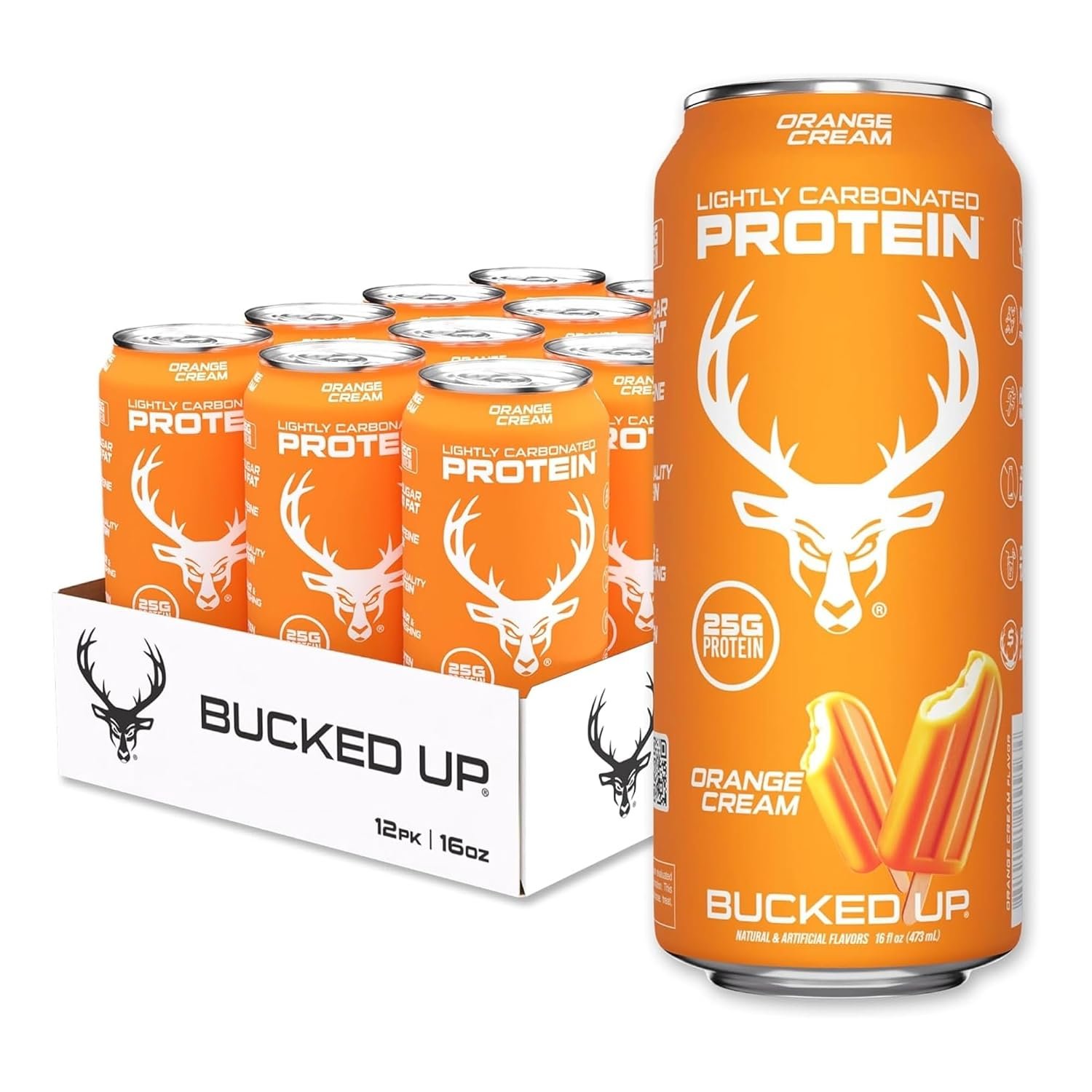
- 25g grass-fed whey protein isolate per can
- 100 calories, 0g sugar, 0g carbs
- Caffeine-free, lightly carbonated
- Under 1g lactose per serving
- Gluten-free, available in multiple flavors
Bucked Up Protein Soda swaps the thick, milky shake format for a clear, lightly carbonated drink — a completely different way to get 25g of whey isolate.
What Makes It Different
This is the only carbonated option in this roundup. If the reason you avoid protein shakes isn’t just the lactose but the thick, heavy mouthfeel, this solves a texture problem that switching protein sources alone won’t fix.
Because it uses whey protein isolate rather than concentrate, the lactose content stays under 1g per can — low enough that most lactose-sensitive drinkers tolerate it well, though individual tolerance still varies.
Best for: Readers who dislike the thick, milky texture of typical shakes, not just the lactose itself.
Pros
- Genuinely different format — light and carbonated instead of thick and milky.
- Zero sugar and zero carbs at 25g protein per can.
- Caffeine-free, so it works any time of day.
- Under 1g lactose per serving thanks to whey isolate filtration.
Cons
- Still contains milk, so it’s not an option for a true dairy allergy.
- The carbonated format is a genuine taste preference — not everyone likes fizzy protein drinks.
How to Choose a Lactose-Free Protein Shake
1. Whey isolate vs. whey concentrate vs. plant protein. This matters because lactose content differs dramatically between the three. Whey concentrate keeps most of the lactose from milk, whey isolate filters out the vast majority of it, and plant proteins have none at all. If you have a mild sensitivity, isolate is often enough; if you’re severely intolerant, plant protein is the safer default.
2. Ready-to-drink vs. powder. This matters because it affects both convenience and control. RTD shakes are grab-and-go but cost more per serving and limit how you can adjust texture or thickness. Powders cost less per serving and let you control exactly how much liquid you mix in, which matters if you’re also watching calorie intake. If you want to compare mixing water against milk for texture and calorie differences, our protein powder in water or milk guide covers that in more detail.
3. Sugar content and sweetener type. This matters because some lactose-intolerant readers are also sensitive to sugar alcohols (like erythritol) used in “sugar-free” shakes, which can cause similar digestive symptoms to lactose itself. Check whether a shake uses monk fruit, stevia, or sugar alcohols before assuming a low-sugar label means easy digestion.
4. Added functional ingredients. This matters because not every shake is built for the same purpose. A nootropic blend like Soylent’s is useful if you’re replacing coffee; a greens blend like OWYN’s is useful if you’re trying to close a produce gap. Match the extras to your actual goal instead of picking based on protein count alone.
5. Allergens beyond dairy. This matters because many lactose-free swaps introduce a different allergen. Soy protein isolate, pea protein, and hemp protein all carry their own allergy profiles. If you’re avoiding lactose because of a broader digestive sensitivity, don’t assume “dairy-free” automatically means “safe” — read the full ingredient list every time.
Who Lactose-Free Protein Shakes Are NOT For
This is the mistake I see most often in my coaching practice: confusing a milk allergy with lactose intolerance. Lactose intolerance is a digestive issue — your body can’t break down a sugar. A milk allergy is an immune response to milk proteins (casein and whey), and it can be far more serious, including severe reactions in some people.
Whey protein isolate, no matter how heavily filtered, still contains milk protein. That means Isopure, Transparent Labs, Fairlife, and Bucked Up are all off the table if you have a true dairy allergy, even though they’re marketed as low-lactose or lactose-free. In that case, stick to the fully plant-based options on this list: OWYN, Vega, ON Gold Standard Plant-Based, Soylent, or Nutiva. If you’re building muscle specifically and want options built around that goal rather than dairy avoidance, our protein shakes for muscle gain guide covers additional picks worth comparing.
FAQs: Lactose-Free Protein Shakes
What makes a protein shake “lactose-free”?
A shake is lactose-free if it either contains no dairy at all (like pea, soy, or hemp protein) or if the dairy it does contain has had the lactose filtered out or broken down, as with whey protein isolate or ultra-filtered milk products like Fairlife. Both approaches can carry a “lactose-free” label, but they’re not the same thing.
Is whey protein isolate actually lactose-free?
Whey protein isolate is not always labeled 100% lactose-free, but the filtration process removes the vast majority of it, typically leaving under 1g per serving. Most people with mild to moderate lactose intolerance tolerate whey isolate well, though those with severe intolerance may still notice symptoms.
Can I drink lactose-free protein shakes if I have a milk allergy, not just an intolerance?
No. Lactose-free products that still contain whey or milk (like whey isolate powders or Fairlife’s ultra-filtered milk shakes) are not safe for a true milk allergy, since the allergy is triggered by milk proteins, not the lactose sugar. Stick to fully plant-based options like pea, soy, or hemp protein instead.
Are plant-based protein powders always lactose-free?
Yes, plant-based protein powders made from pea, soy, hemp, rice, or fava bean protein contain no lactose, since lactose only occurs in dairy. That said, plant proteins can still carry other allergens, such as soy, so it’s worth reading the full ingredient list rather than assuming “plant-based” automatically means allergen-free.
Do lactose-free protein shakes taste different from regular ones?
Plant-based shakes tend to have a slightly earthier or grittier texture than dairy-based whey, though this has improved significantly with modern formulas like OWYN and Vega. Lactose-free dairy options, like Fairlife’s ultra-filtered milk shakes, taste very close to a regular milkshake since they’re made from real milk.
How much protein do I actually need per day?
According to the National Institutes of Health, most adults need roughly 0.36 grams of protein per pound of body weight daily, though active individuals building muscle often benefit from closer to 0.7 to 1 gram per pound. A single shake from this list, ranging from 15g to 42g, can cover a meaningful portion of that target in one serving.
Can lactose-free protein shakes help with weight loss?
Protein shakes can support weight loss goals by helping you feel fuller and preserving lean muscle during a calorie deficit, but the shake itself isn’t a weight loss tool on its own. Choosing a lower-calorie, lower-sugar option like Vega or Isopure makes more sense for weight management goals than a higher-calorie option like Fairlife Core Power Elite.
What’s the difference between whey isolate and whey concentrate for lactose sensitivity?
Whey concentrate retains most of the lactose naturally found in milk, which makes it a poor choice for anyone with lactose sensitivity. Whey isolate goes through additional filtration that removes the majority of that lactose, which is why every whey-based product on this list, including Isopure and Transparent Labs, uses isolate rather than concentrate.
Affiliate Disclosure: myactivetribe.com is reader-supported. When you buy through links on this page, we may earn an affiliate commission at no extra cost to you. This helps support the site and allows us to continue testing and reviewing products honestly.