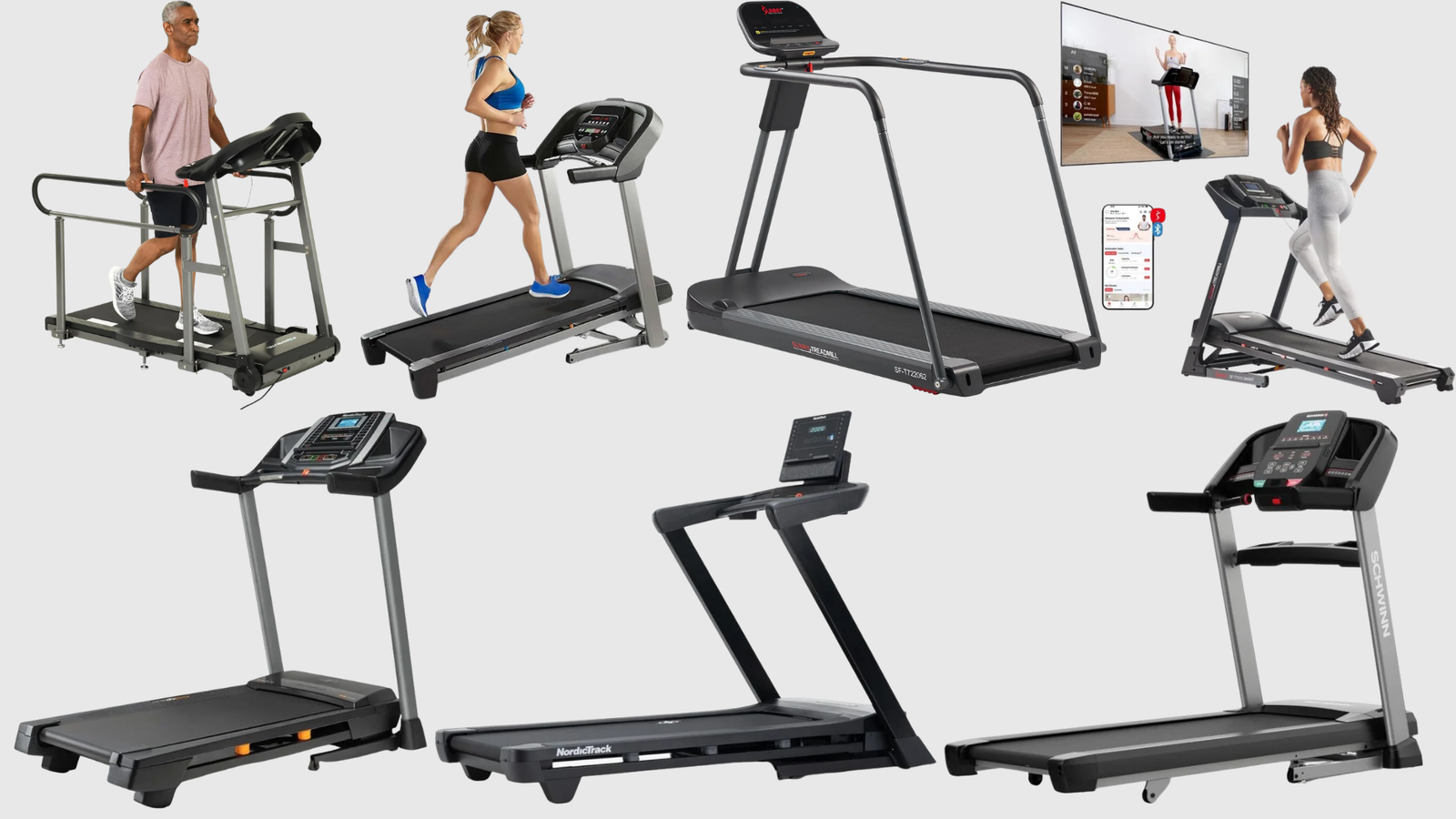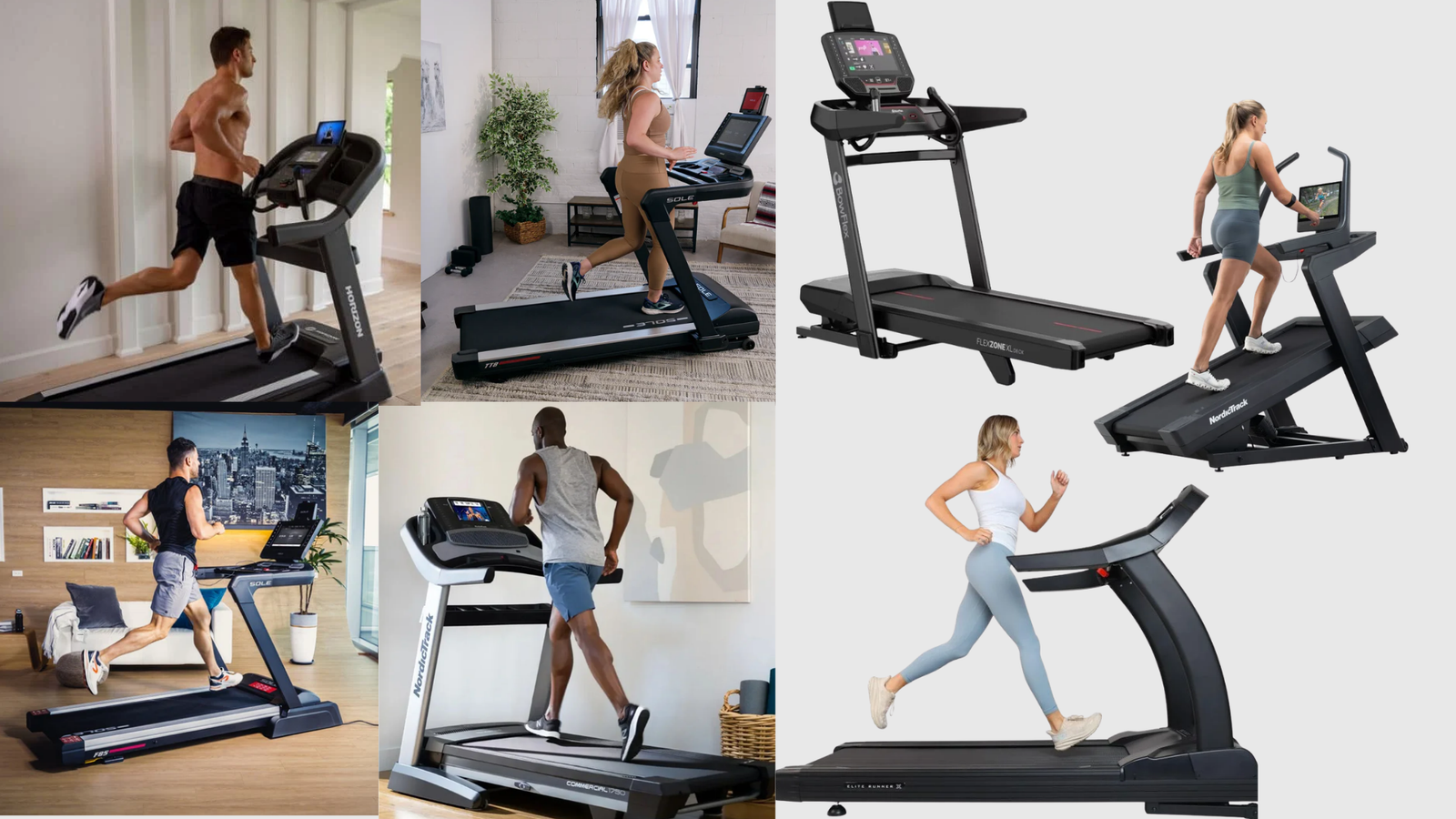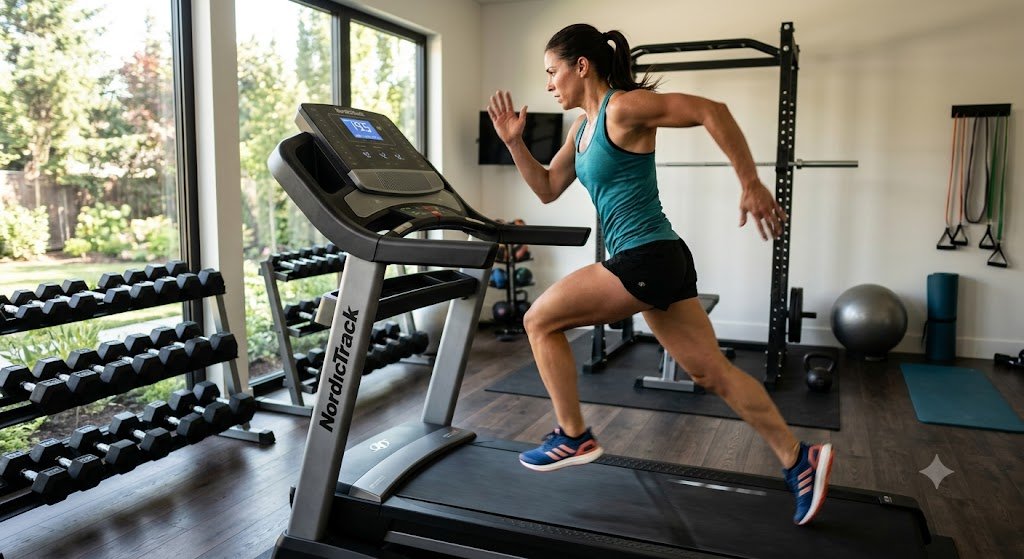
High speed treadmills range from a modest 8 mph on budget models to 15+ mph on serious home machines, with commercial and specialty units going even further. I’m AnilKK, an INFS-certified nutrition and fitness coach with 24 years of running experience, and I’ve personally tested 250+ treadmills across every speed range. Here’s exactly how fast different treadmill tiers actually go, what those numbers mean in real running terms, and how to choose the right top speed for your training.
Most people asking “how fast can a treadmill go” are really asking one of two things: what’s realistic for home use, or what’s the actual ceiling for serious or elite training. Both answers are below.
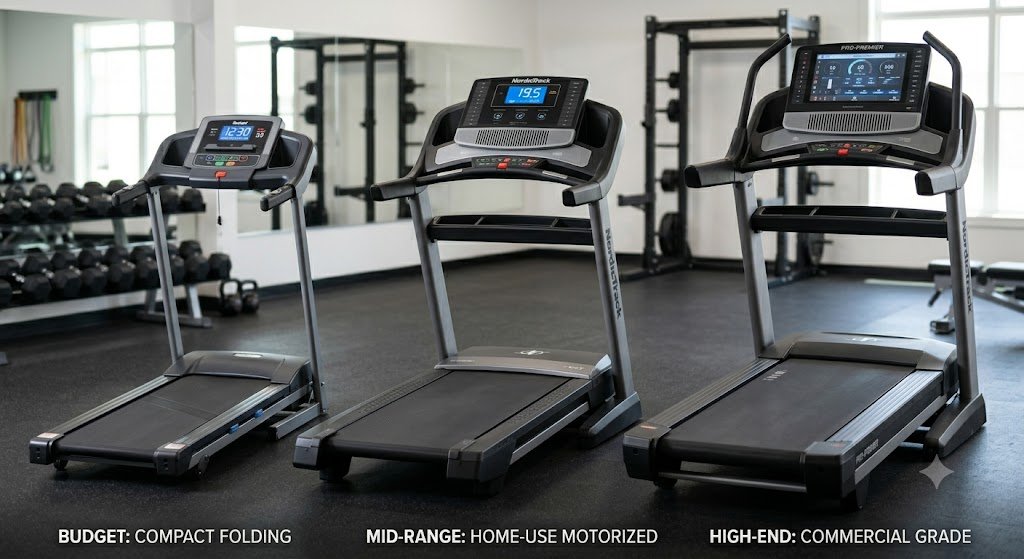
Quick Answer: Budget treadmills typically max out at 8–10 mph, mid-range home treadmills reach 10–12 mph, and high-end home treadmills can hit 12–15 mph. Commercial gym treadmills commonly go up to 15–16 mph, with specialty elite-training units reaching 20–25 mph or more. For context, Usain Bolt’s recorded top speed is roughly 27.78 mph.
Table of Contents
Treadmill Speed by Tier: Quick Comparison
| Treadmill Tier | Typical Top Speed | Typical Motor | Best Suited For |
|---|---|---|---|
| Budget | 8–10 mph | 1.5–2.0 CHP | Walking, light jogging |
| Mid-Range | 10–12 mph | 2.5–3.5 CHP | Regular running, interval training |
| High-End Home | 12–15 mph | 3.5+ CHP | Serious runners, sprint training |
| Commercial / Gym | 15–16 mph | 4.0+ CHP | Frequent multi-user, high-mileage use |
| Elite / Specialty Training | 20–25+ mph | Specialized | Professional athlete testing and training |
What Does a Treadmill’s “Speed Setting” Actually Mean?
A common point of confusion: when a treadmill console shows a speed setting of “7.0,” that number directly equals 7 miles per hour, not an arbitrary intensity scale. So a setting of 10.0 means you’re running a genuine 10 mph pace, and 12.0 means 12 mph — there’s no conversion needed.
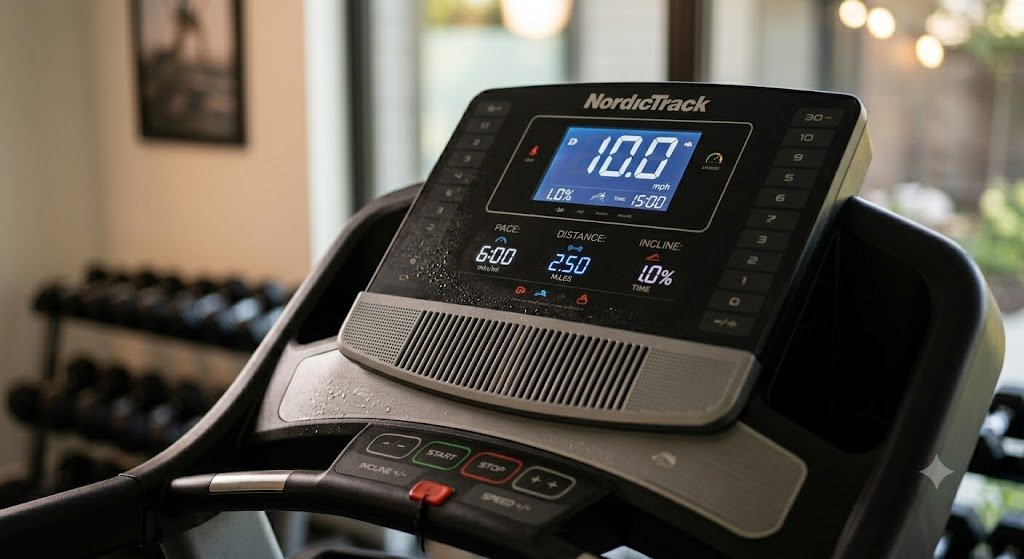
This matters when comparing treadmills, since “max speed 12” on a spec sheet means exactly what it says: the fastest pace that machine’s belt can physically reach.
How Fast Is That, Really? Speed-to-Pace Conversion
Raw mph numbers can be hard to picture, so here’s what common treadmill speeds translate to in running pace:
| Treadmill Speed | Equivalent Pace | Typical Effort Level |
|---|---|---|
| 5.5 mph | 10:54 per mile | Easy jog |
| 8 mph | 7:30 per mile | Moderate run |
| 10 mph | 6:00 per mile | Fast run |
| 12 mph | 5:00 per mile | Sprint-level effort |
| 15 mph | 4:00 per mile | Elite sprint pace |
For context, 15 mph is only about 17 seconds slower per mile than the current outdoor mile world record — a pace almost no one can sustain for more than very short bursts.
Just How Fast Can High Speed Treadmills Go?
At the extreme end, specialty treadmills built for elite athlete testing and training can reach 20–25 mph, and some highly specialized research or curved manual units have recorded speeds even beyond that.

For perspective, sprinter Usain Bolt’s recorded top speed during his 100m world record was approximately 27.78 mph — meaning even the fastest human ever recorded would need one of these extreme specialty machines just to keep up, let alone a standard home or gym treadmill.
Home vs. Commercial Treadmill Speed: What’s the Real Difference?
Home treadmills typically top out around 12 mph because their motors, belts, and frames are sized for occasional, single-household use rather than constant daily wear. Commercial treadmills, built for gyms and used by dozens of different people daily, generally use stronger motors and more durable components that support 15–16 mph reliably over years of heavy use.
If you’re shopping for a home unit that pushes toward the top of that home-use range, my Sole TT8 review covers a commercial-grade home option built with the same durability principles, including a 12 mph top speed and genuine decline capability most home treadmills skip entirely.
Do You Actually Need a High-Speed Treadmill?
- Are you training for sprint intervals or speed work? A 12+ mph top speed gives genuine headroom for short, intense sprint sessions.
- Do you mainly walk or jog? An 8–10 mph budget or mid-range treadmill comfortably covers this without paying for speed you won’t use.
- Are multiple people in your household using it regularly? Higher-speed, commercial-style machines are typically built with more durable components that hold up better to frequent multi-user wear.
- Do you have the space and budget for a heavier-duty machine? Higher top speeds generally come with larger, heavier, more expensive frames built to handle that performance safely.
- How experienced a runner are you? Running consistently above 10–12 mph requires real conditioning — a higher top speed only helps if you can actually use it safely.
If you’re a serious runner specifically deciding between high-speed home options, my heavy-duty treadmill for serious runners guide covers models built around exactly this kind of performance demand.
If you’re still comparing treadmills broadly before deciding how much speed capability you actually need, my best treadmill for home use guide is a good starting point.
Increasing Treadmill Speed Safely
A treadmill’s top speed only matters if you can build up to using it safely. A widely followed guideline among runners is to increase running speed or volume by no more than about 10% per week, giving your joints, tendons, and cardiovascular system time to adapt.
According to ACSM guidance on safe exercise progression, gradual increases in training intensity significantly reduce overuse injury risk compared to large, sudden jumps in speed or distance. If you want to understand which muscles bear the most load as treadmill speed increases, my muscles involved in treadmill workouts guide breaks this down in detail.
According to the CDC’s physical activity guidelines, vigorous-intensity activity like fast treadmill running counts toward weekly exercise targets at roughly double the rate of moderate activity — meaning shorter, faster sessions can be just as effective as longer, slower ones for meeting general fitness goals. For pacing strategies that scale with treadmill speed, my treadmill workouts for weight loss guide covers practical interval structures across different speed levels.
Frequently Asked Questions
How fast can a treadmill go?
It depends on the tier. Budget treadmills typically max out at 8-10 mph, home high-end models reach 12-15 mph, commercial gym treadmills hit 15-16 mph, and specialty elite-training units can reach 20-25 mph or more.
What is considered a fast treadmill speed?
For most recreational runners, 10-12 mph is considered fast, roughly equivalent to a 5-6 minute mile pace. Speeds above 12 mph are typically only sustainable in short sprint bursts.
What is the fastest treadmill speed ever recorded?
Specialty treadmills built for elite athlete testing have reached speeds of 20-25 mph or more. For context, Usain Bolt’s recorded top running speed was approximately 27.78 mph.
What does a treadmill’s speed setting actually mean?
The number directly equals miles per hour. A speed setting of 10.0 means you are running at exactly 10 mph, with no conversion or scaling involved.
Do home treadmills go as fast as commercial ones?
Generally no. Most home treadmills top out around 12 mph, while commercial gym treadmills commonly reach 15-16 mph thanks to stronger motors built for constant multi-user use.
Is 15 mph fast on a treadmill?
Yes, very. 15 mph is roughly a 4-minute mile pace, which is close to elite sprint speed and unsustainable for more than short bursts for almost all runners.
How quickly should I increase my treadmill speed?
A common guideline is to increase speed or training volume by no more than about 10% per week, which gives your joints and cardiovascular system time to adapt safely.
Do I need a high-speed treadmill if I only walk?
No, a budget or mid-range treadmill with an 8-10 mph top speed comfortably covers walking and light jogging without paying for speed capability you won’t use.
Affiliate Disclosure: My Active Tribe is reader-supported. If you buy through links on this page, we may earn an affiliate commission at no extra cost to you. This never affects our recommendations.