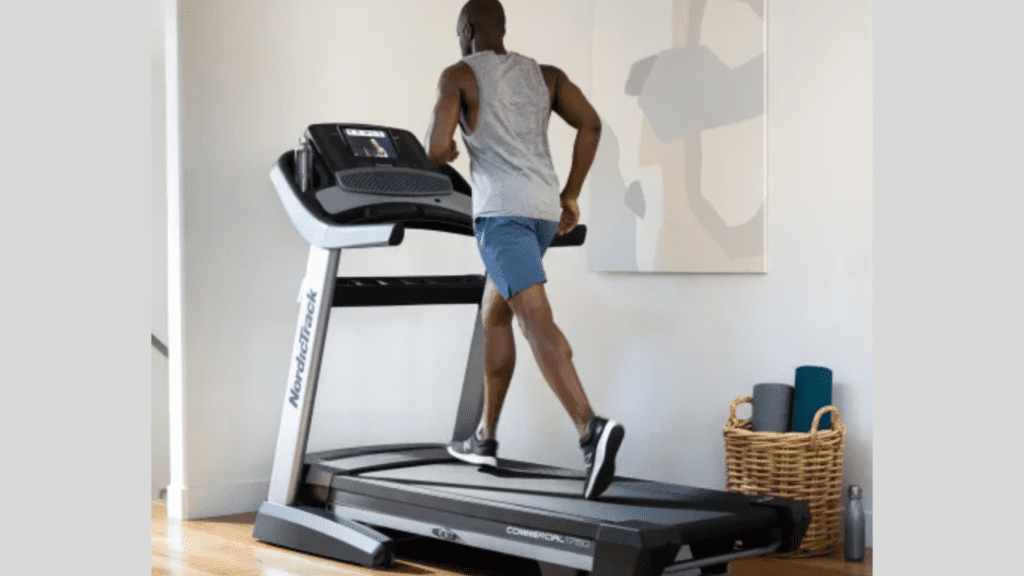
The NordicTrack Commercial 1750 treadmill sits in the middle of NordicTrack’s Commercial Series, and after two decades of testing treadmills, I can tell you it earns that spot with a strong motor and lifetime motor warranty. If you want a 60″ deck and real hill training without the flagship 2450’s price, the 1750 is worth it — though the Bowflex T16 and Sole F85 are worth knowing about too. I’m AnilKK, INFS-certified in nutrition and fitness coaching with 24 years of running experience and 250+ treadmills personally tested, and here’s my honest breakdown.
Quick Answer: The NordicTrack Commercial 1750 is a strong pick for regular runners who want a powerful motor and true decline training in one machine. Its 4.25 CHP motor, 22″ x 60″ deck, and lifetime motor warranty make it one of the more complete packages in its price bracket, though the Bowflex T16 and Sole F85 both offer a higher max incline if that matters more to you than decline capability.
Table of Contents
NordicTrack Commercial 1750 Treadmill: Quick Specs
| Running Deck | Motor | Max User Weight | Standout Feature | Warranty |
|---|---|---|---|---|
| 22″ x 60″ | 4.25 CHP | 400 lbs | 16″ touchscreen with true decline training | 10-yr frame, lifetime motor |
1. NordicTrack Commercial 1750 Treadmill — The Commercial Series Sweet Spot
Warranty: 10 years on the frame, lifetime on the motor, 2 years on parts, 1 year on labor.
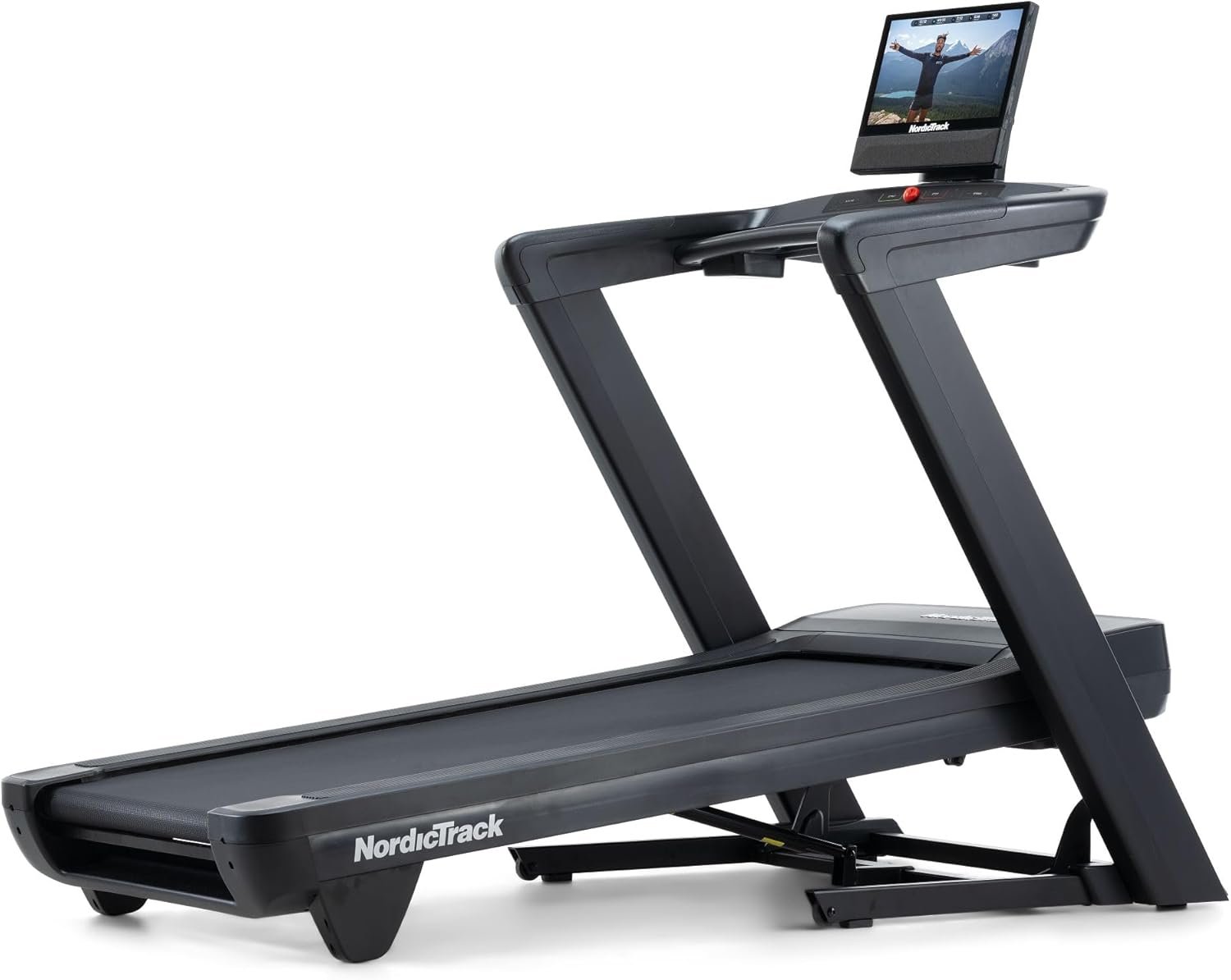
- 22″ x 60″ cushioned running deck with RunFlex cushioning
- 4.25 CHP motor, speed range 0.5–12 mph
- Incline range 12% to -3% decline
- 16″ pivoting, tilting touchscreen with iFIT, Netflix, and Spotify streaming
- Bluetooth connectivity, AutoBreeze fan, transport wheels
- 400 lb max user weight
- Assembled: 77.3″ x 37″ x 59.5″ | Machine weight: 309 lbs
The single most important thing to know about the 1750 is that it doesn’t just add power over the entry-level 1250 — it adds a lifetime motor warranty, which is the real reason to spend more here. The 4.25 CHP motor also has genuine headroom for daily running rather than just handling it, which matters if more than one person in your household plans to use this regularly.
What Makes It Different
True decline training is rare below the commercial-gym tier, and it’s a genuinely useful tool, not just a novelty. The CDC notes that varied-intensity activity supports better cardiovascular outcomes than flat, unchanging routines. The CDC’s guidelines emphasize variety and consistency together, and the 1750’s incline-to-decline range gives you both without leaving the machine.
That range also engages a broader set of muscles during treadmill workouts than flat-only training, since downhill segments recruit your quads differently than uphill or flat sections do.
Where the 1750 sits in the market is worth being clear-eyed about: it typically costs more than the Bowflex T16 and less than the Sole F85, landing squarely in the middle of this trio on price as well as on most specs. You’re not getting a bargain or a splurge here — you’re getting the balanced option.
Best for: Regular runners and walkers who want a genuinely powerful motor, real decline training, and a lifetime motor warranty without stepping up to the flagship 2450.
Pros and Cons
- The lifetime motor warranty is a real differentiator against both the cheaper 1250 and most competitors at this price.
- The 4.25 CHP motor has genuine daily-running headroom rather than just meeting the minimum.
- True decline training down to -3% is rare at this price and adds real training variety.
- The 16″ touchscreen with Netflix and Spotify streaming makes long sessions easier to stick with.
- iFIT’s paid membership is where most of the machine’s interactive value lives, similar to the 1250.
- The console controls are centered rather than built into the handrails, so adjusting pace mid-sprint takes a small forward reach.
How the 1750 Compares: Bowflex T16 vs. Sole F85
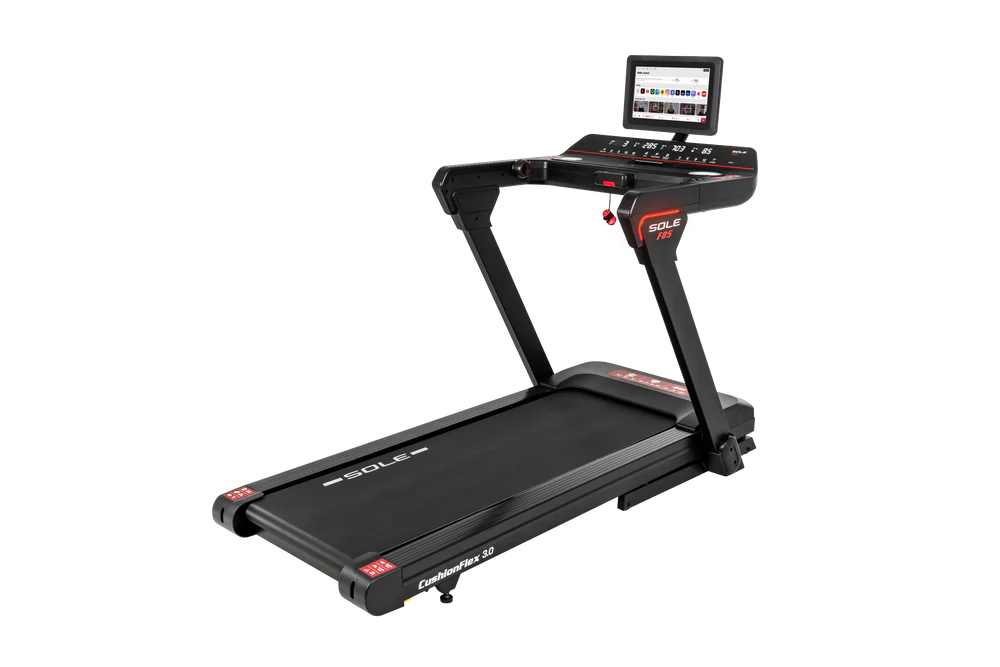
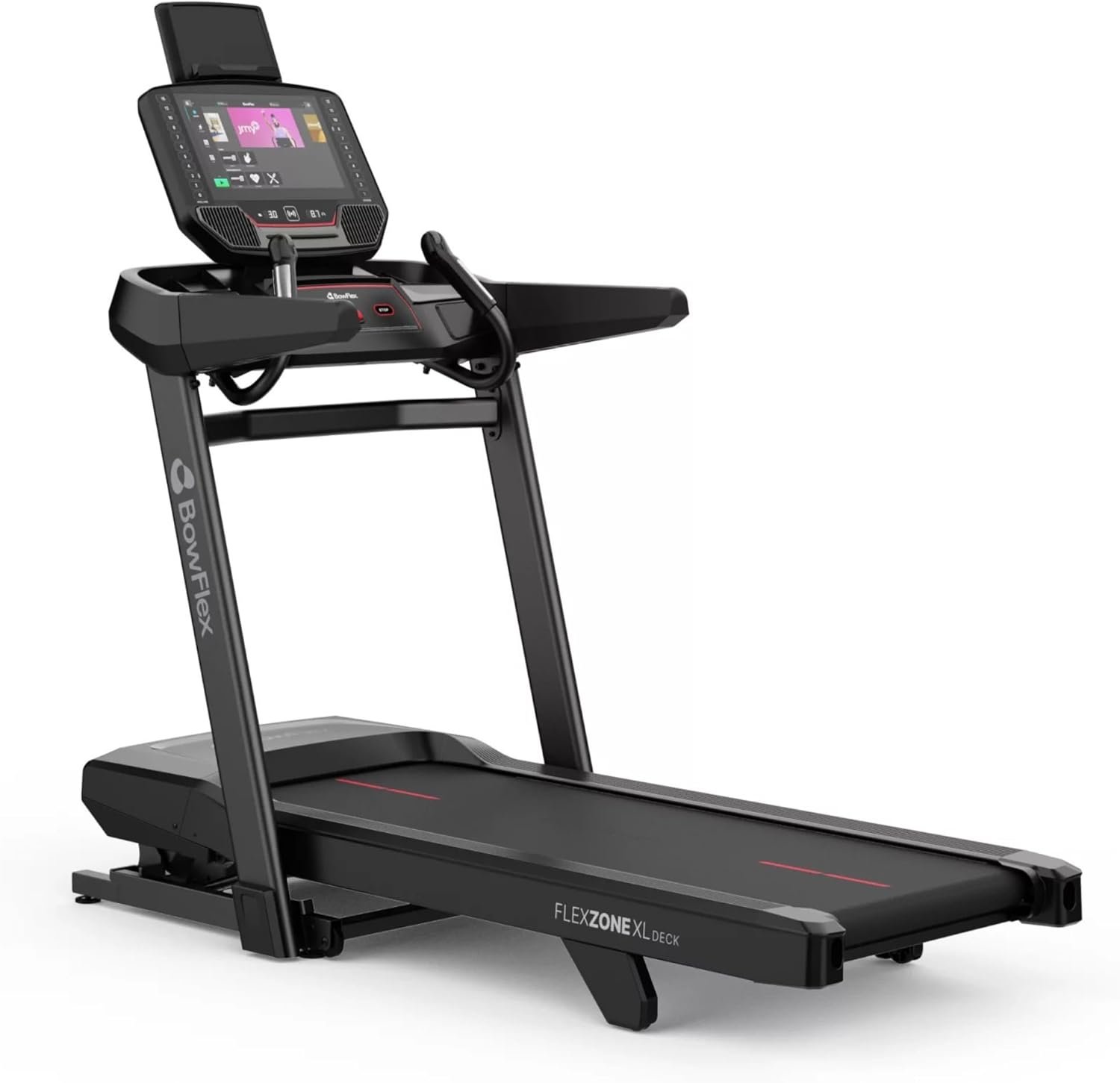
The 1750 sits between two genuinely different alternatives, and after testing it alongside a lower-priced competitor and a step-up rival, here’s how the three actually differ in practice.
| Model | Deck Size | Motor | Max Incline / Decline | Weight Capacity | Motor Warranty |
|---|---|---|---|---|---|
| Bowflex T16 | 22″ x 60″ | 3.5 HP | 15% / none | 375 lbs | Lifetime |
| NordicTrack Commercial 1750 | 22″ x 60″ | 4.25 CHP | 12% / -3% | 400 lbs | Lifetime |
| Sole F85 | 22″ x 60″ | 4.0 HP | 15% / -6% | 375 lbs | Lifetime |
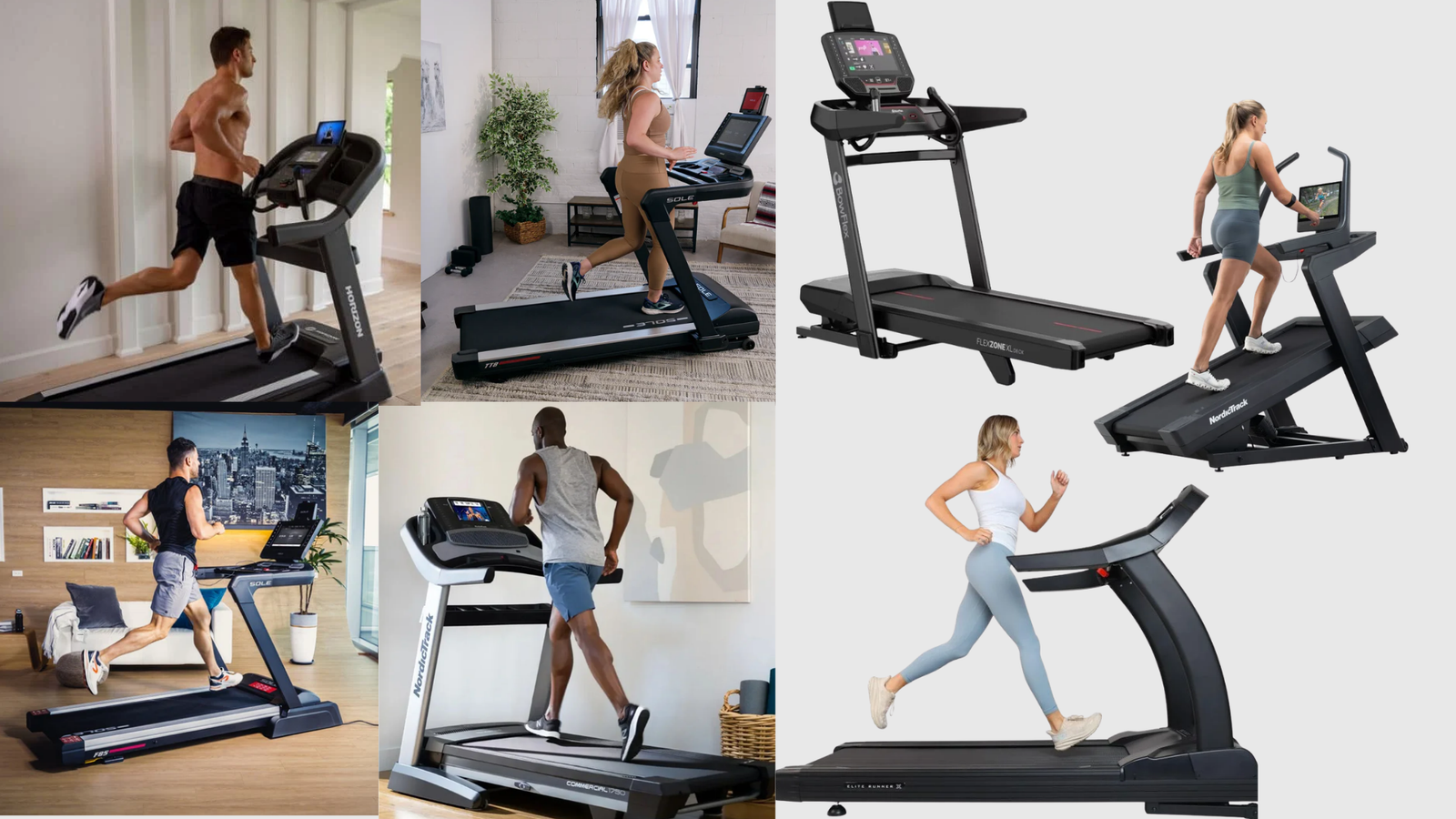
The Bowflex T16 is the budget-friendlier option to consider if decline training isn’t a priority for you — it matches the 1750’s deck size and lifetime motor warranty at a typically lower price, with a higher 15% max incline, but skips decline capability entirely.
The Sole F85 pushes further on both incline and decline range, plus a larger 15.6″ screen with built-in streaming apps, and doesn’t lean on a subscription ecosystem the way the NordicTrack and Bowflex models do. It typically costs more, and that gap buys genuine extra incline range and independence from iFIT if that matters to you.
If storage space is a bigger factor in your decision than incline range or warranty length, it’s worth comparing all three against dedicated folding treadmill options before deciding, since fold size and footprint vary more than the spec sheets suggest.
How to Choose Between These Treadmills
- Decline training priorities. Only the 1750 and Sole F85 offer true decline; the Bowflex T16 skips it entirely in exchange for a higher max incline.
- App ecosystem preferences. The 1750 and T16 both lean on subscription platforms for their full feature set, while the Sole F85 works more independently.
- Weight capacity headroom. The 1750’s 400 lb capacity gives 25 lbs more room than the T16 or F85’s 375 lbs — worth checking against our general guidance on picking a treadmill for home use if you’re close to any of these limits.
- Budget ceiling. If price is the primary constraint, comparing options in the under-$2,000 treadmill category broadly will help you see where the T16 and 1750 typically land relative to the pricier F85.
- Warranty priorities. All three offer a lifetime motor warranty, which is the single biggest factor separating this trio from the entry-level 1250 and similar budget machines.
Who the NordicTrack Commercial 1750 Is Not For
Be honest with yourself about your training priorities before buying. If maximum incline range matters more to you than decline capability, both the Bowflex T16 and Sole F85 go higher, and you may be better served by one of those or a machine from our picks for serious runners built specifically around incline training.
The ACSM’s guidance notes that incline work raises workout intensity effectively without adding speed, and that principle applies equally to decline training for building eccentric strength — but if you never plan to use the decline feature, you may be paying for capability you won’t use.
Frequently Asked Questions
Is the NordicTrack Commercial 1750 treadmill good for running?
Yes, its 4.25 CHP motor and 22″ x 60″ deck handle regular running well, with genuine headroom for daily use and multiple household users.
What is the weight capacity of the NordicTrack Commercial 1750 treadmill?
The 1750 supports a maximum user weight of 400 lbs, 25 lbs more than the Bowflex T16 or Sole F85.
Does the NordicTrack Commercial 1750 have a decline feature?
Yes, it offers a -3% decline in addition to a 12% incline, which is unusual at this price point. The Bowflex T16 does not offer decline training, and the Sole F85 offers a deeper -6% decline range.
How does the NordicTrack Commercial 1750 compare to the NordicTrack 1250?
Both share the same 400 lb capacity and 22″ deck width, but the 1750 has a stronger 4.25 CHP motor, a larger 16″ screen, and critically, a lifetime motor warranty versus the 1250’s 2-year motor coverage.
Is the Sole F85 better than the NordicTrack Commercial 1750?
The Sole F85 offers a higher 15% incline, a -6% decline, and doesn’t require a subscription for its core features, but typically costs more and has a slightly lower 375 lb weight capacity than the 1750’s 400 lbs.
Does the NordicTrack Commercial 1750 fold up for storage?
Yes. It uses NordicTrack’s SpaceSaver design with EasyLift Assist, which lowers the deck gently rather than dropping it, and includes transport wheels for repositioning.
Do I need an iFIT subscription to use the NordicTrack Commercial 1750?
No, the treadmill works in a manual mode without a subscription, but automatic incline/decline adjustments, personalized workouts, and scenic routes all require an active iFIT membership.
What warranty does the NordicTrack Commercial 1750 treadmill come with?
NordicTrack backs the 1750 with 10 years on the frame, a lifetime warranty on the motor, 2 years on parts, and 1 year on labor — notably stronger motor coverage than the entry-level 1250.
Affiliate Disclosure: myactivetribe.com is reader-supported. Some links on this page are affiliate links, and we may earn a commission at no extra cost to you if you make a purchase through them. This helps support the testing and research behind our reviews.