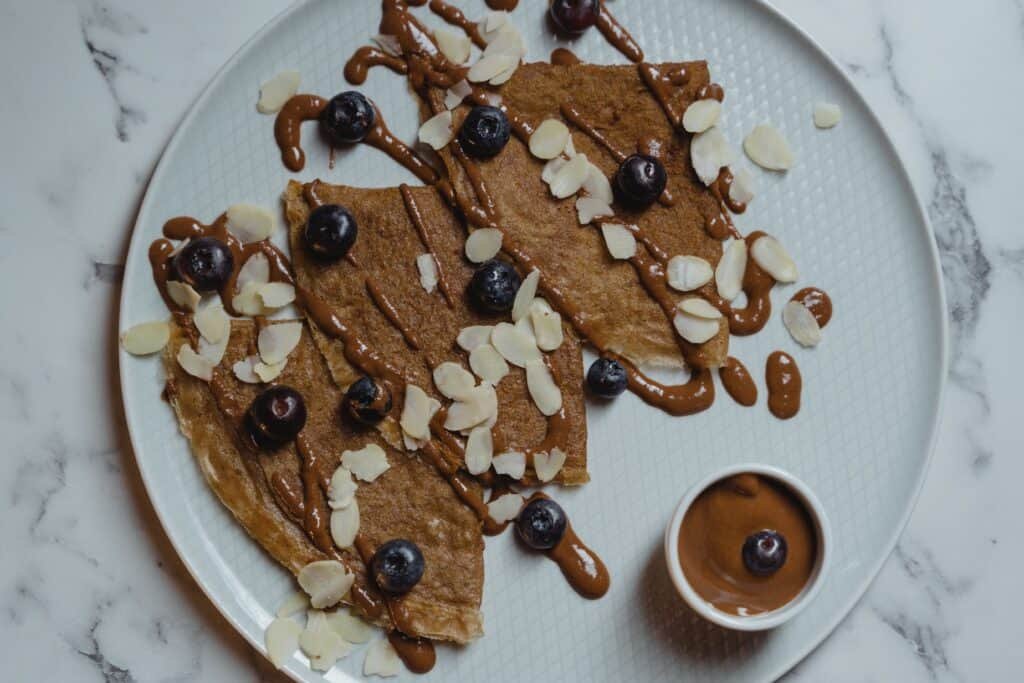
The best protein powders for women do more than add grams of protein to your day — they fit your lifestyle, digest comfortably, and give you nutrients that matter for women’s specific health needs. As an INFS-certified nutrition coach who has helped over 1,000 weight management clients build sustainable daily habits, I know that the protein powder you’ll actually use consistently beats the one with the most impressive label. This guide focuses on daily nutrition — not extreme athletes, not post-surgical patients — just women who want to hit their protein goals conveniently, every day.
Quick Answer: The Ritual Essential Protein Daily Shake is the best protein powder for most women — clean ingredients, added choline and vitamin D3, Informed Sport certified, and no artificial sweeteners. For the highest protein per serving among plant-based options, Garden of Life Sport Organic delivers 30g and is NSF-certified. Women watching calories who want zero carbs should look at Momentous Whey Isolate — 20g protein, 100 calories, NSF certified for sport.
Table of Contents
Best Protein Powders for Women: Quick Comparison
| Protein Powder | Protein per Serving | Calories | Protein Source | Sweetener | Key Certification |
|---|---|---|---|---|---|
| Ritual Essential Protein | 20g | 110 | Organic pea | Monk fruit + Reb-M | Informed Sport |
| Momentous Whey Isolate | 20g | 100 | Grass-fed whey isolate | None / Stevia | NSF Certified for Sport |
| Garden of Life Sport | 30g | 160 | Pea/bean/lentil blend | Stevia | NSF + USDA Organic |
| Isopure Zero Carb | 25g | 100 | 100% whey isolate | Sucralose | Gluten-free, vitamins added |
| Premier Protein Powder | 30g | 150 | Whey isolate + concentrate | Acesulfame K + Sucralose | Gluten-free, soy-free |
| PEScience Select | 24g | 150 | Milk protein isolate | Sucralose | Third-party tested |
| Tera’s Whey Organic | 20g | 120 | Grass-fed whey concentrate | Stevia | USDA Organic, gluten-free |
1. Ritual Essential Protein Daily Shake — Best Overall
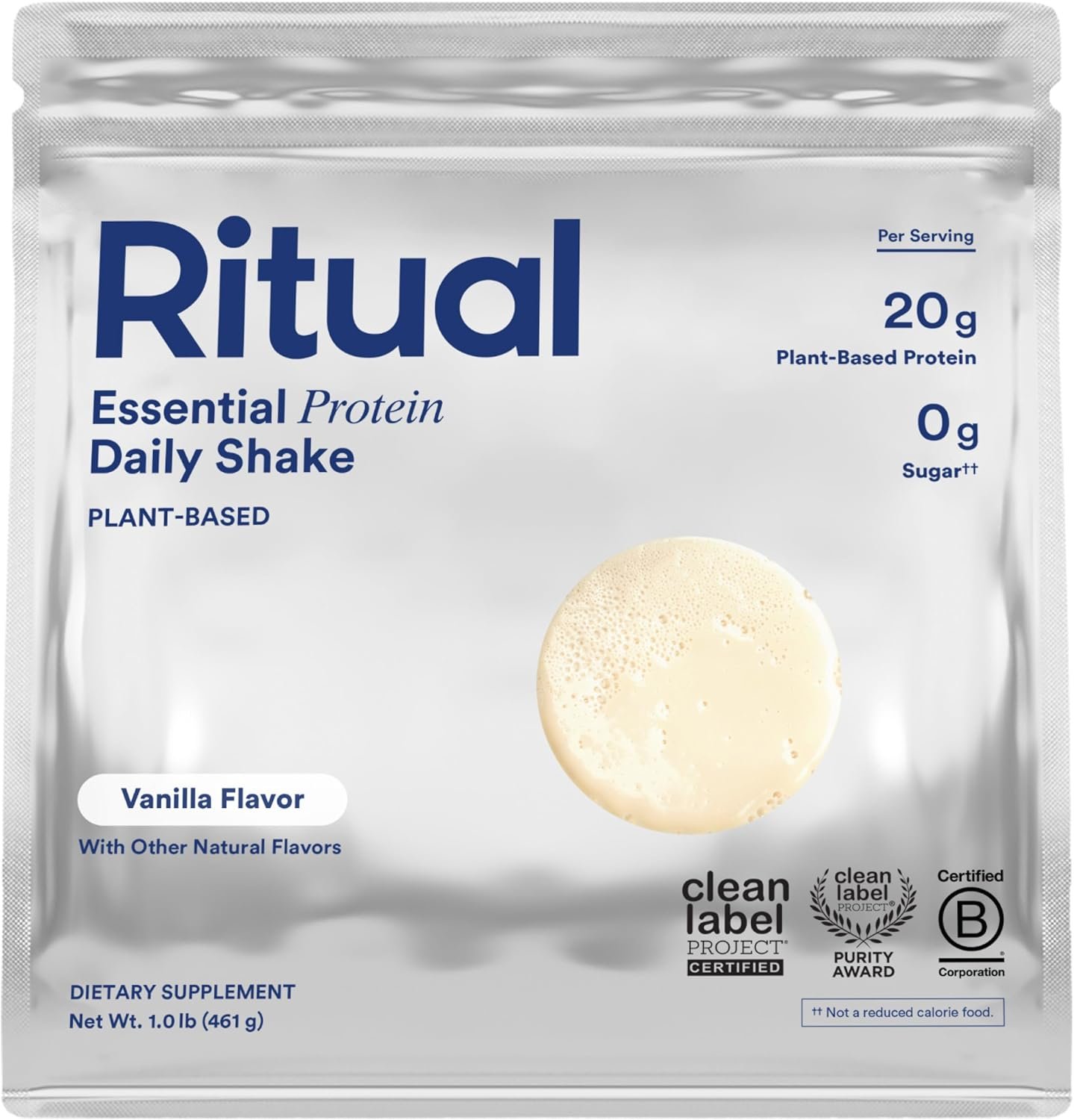
- Protein per serving: 20g — organic pea protein
- Calories: 110
- Sugar: 0g
- Added nutrients: Choline 250mg, Vitamin D3
- Sweetener: Monk fruit + Rebaudioside-M — no artificial sweeteners
- Certifications: Informed Sport, Clean Label Project Purity Award
- Dairy-free: Yes — plant-based, vegan-friendly
- Protein source: Regenerative organic peas from North American farms
The Ritual Essential Protein Daily Shake earns the top spot because it was built with women’s nutritional gaps specifically in mind — not just the protein content. The addition of 250mg choline per serving addresses one of the most commonly under-consumed nutrients among women, particularly during pregnancy, nursing, and perimenopause. Choline supports brain function, liver health, and metabolism. Most protein powders include none of it. The included Vitamin D3 addresses another gap — studies consistently show that a significant proportion of women are deficient in vitamin D, particularly in northern climates or with limited sun exposure.
What Makes It Different
Ritual publishes the supplier name and country of origin for every ingredient in the formula — not just a general claim of quality but verifiable traceability down to the specific farm. The pea protein comes exclusively from North American regenerative farms, which carry significantly lower heavy metal contamination risk than peas sourced from certain international suppliers. The Clean Label Project independently tests every lot for over 200 environmental contaminants including heavy metals — and the results are published on Ritual’s website. The Informed Sport certification adds a further layer: every batch is tested for banned substances to the standard required by elite sport. For a daily protein powder, this level of verification is genuinely unusual.
The sweetener combination of Rebaudioside-M and monk fruit delivers clean sweetness without the bitter aftertaste that many stevia products produce. No artificial colours, no artificial flavours, no sugar alcohols, no gums that contribute to bloating. The 110-calorie, 20g protein profile fits naturally into most daily nutrition plans without requiring significant dietary adjustment. The formula is dairy-free and soy-free — suitable for women with lactose intolerance or dairy sensitivity who still want a high-quality, complete amino acid profile supplemented with L-methionine. For those building a complete nutrition routine, this pairs well with any of our recommended high-protein breakfast options.
Best for: Women who want the cleanest daily protein powder with verified ingredients, added choline and vitamin D3, no artificial sweeteners, and transparent heavy metal testing.
- Pro: Added choline and vitamin D3 — addresses two common nutritional gaps in women’s diets specifically
- Pro: Informed Sport + Clean Label Project certified — independently verified for purity and heavy metals
- Pro: Full ingredient traceability — supplier and origin published for every ingredient
- Pro: No artificial sweeteners, no gums, no sugar alcohols — minimal bloating risk
- Con: 20g protein per serving — lower than the 25–30g options below
- Con: Plant-based only — women who prefer whey should look at Momentous or Tera’s Whey
2. Momentous Whey Protein Isolate — Best Clean Label Whey
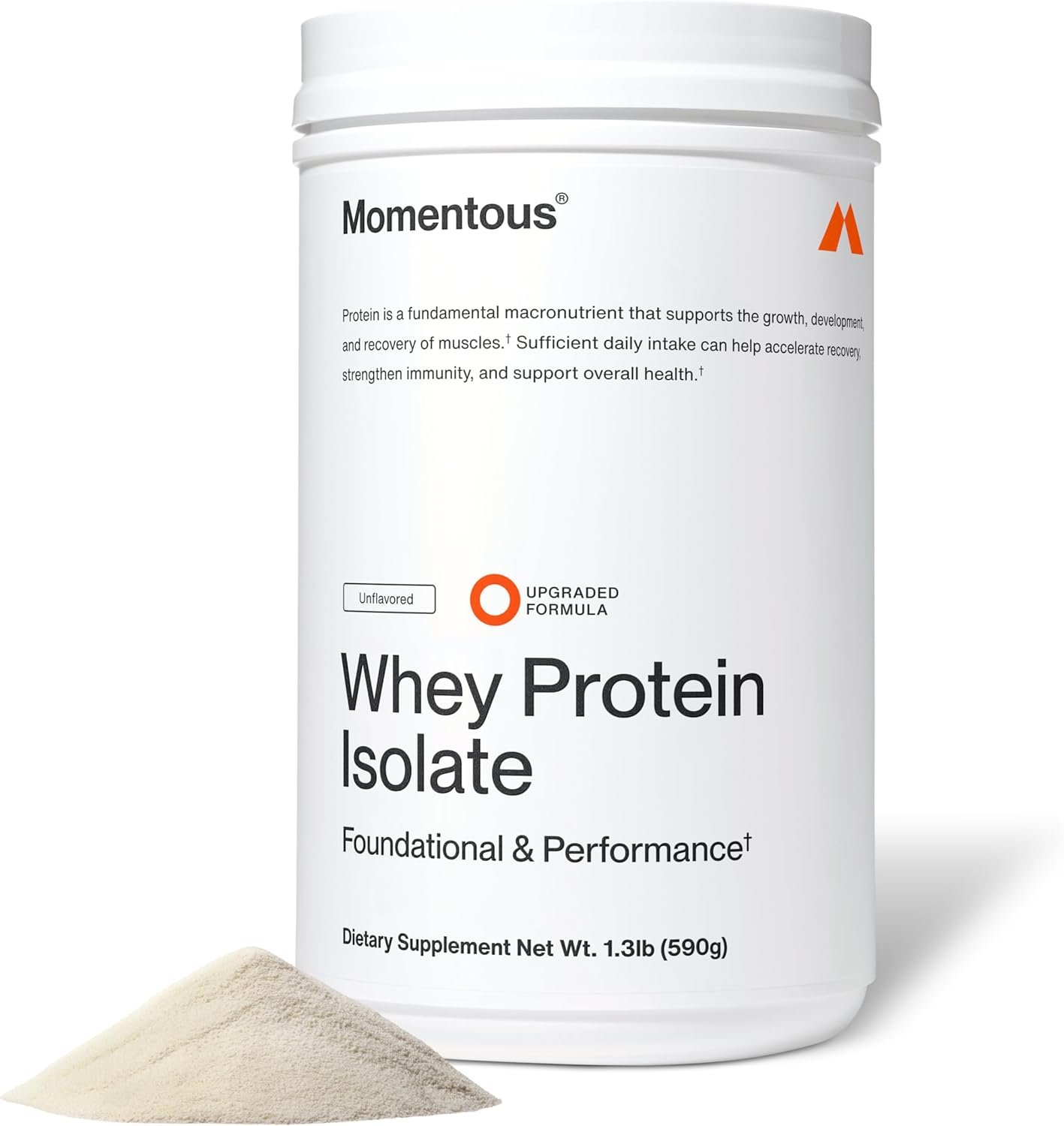
- Protein per serving: 20g — grass-fed European whey isolate
- Calories: 100
- Sugar: 0g
- Carbs: 1g
- Added enzymes: ProHydrolase — improves digestion and absorption
- Sweetener: None (unflavored) or stevia (flavored varieties)
- Certifications: NSF Certified for Sport — every batch tested
- Dairy source: European dairy farms, cold-processed
Momentous Whey Isolate is the best option for women who want whey protein without gums, fillers, artificial sweeteners, or stabilisers of any kind. The formula is deliberately minimal — grass-fed whey isolate, ProHydrolase digestive enzymes, and natural flavouring. Nothing else. Cold-processed whey preserves the naturally occurring growth factors and immunoglobulins that heat processing destroys — a detail that matters for women who supplement protein specifically to support immune function and active recovery. The NSF Certified for Sport certification means every batch is independently tested, not just periodically — any batch that fails certification does not ship.
What Makes It Different
The ProHydrolase enzyme blend is the standout addition. Many women report digestive discomfort — bloating, gas, cramping — after consuming standard whey protein. ProHydrolase specifically breaks down whey proteins into smaller peptides before they reach the intestine, significantly reducing the likelihood of digestive issues. For women who have previously avoided whey due to stomach sensitivity, this is genuinely worth trialling. The European dairy source is also meaningful — European dairy standards prohibit the use of rBST and rBGH growth hormones, and the pasture management practices produce milk with a higher omega-3 fatty acid content than grain-finished alternatives.
At 100 calories and 1g carbohydrate per serving, Momentous fits easily into almost any dietary framework including low-carb and intermittent fasting protocols. The unflavored version mixes into coffee, smoothies, oatmeal, or savoury dishes without altering flavour — making it the most versatile option on this list for women who want protein without a sweet shake. The flavored varieties use only stevia and natural flavours — no artificial sweeteners. Momentous publishes Certificates of Analysis for every batch on their website via Light Labs — a level of transparency that most supplement brands do not offer.
Best for: Women who want the cleanest possible whey protein — no gums, no artificial sweeteners, no fillers — with digestive enzyme support for comfortable daily use.
- Pro: NSF Certified for Sport — every batch independently tested, not just periodically
- Pro: ProHydrolase enzymes — reduces digestive discomfort for women sensitive to standard whey
- Pro: No gums, no fillers, no artificial sweeteners — the most minimal ingredient list on this list
- Pro: Certificate of Analysis published per batch — full transparency on purity
- Con: 20g protein per serving — lower than Garden of Life Sport (30g) or Premier Protein (30g)
- Con: Contains dairy — not suitable for women with lactose intolerance or dairy allergy
3. Garden of Life Sport Organic Protein — Best Plant-Based
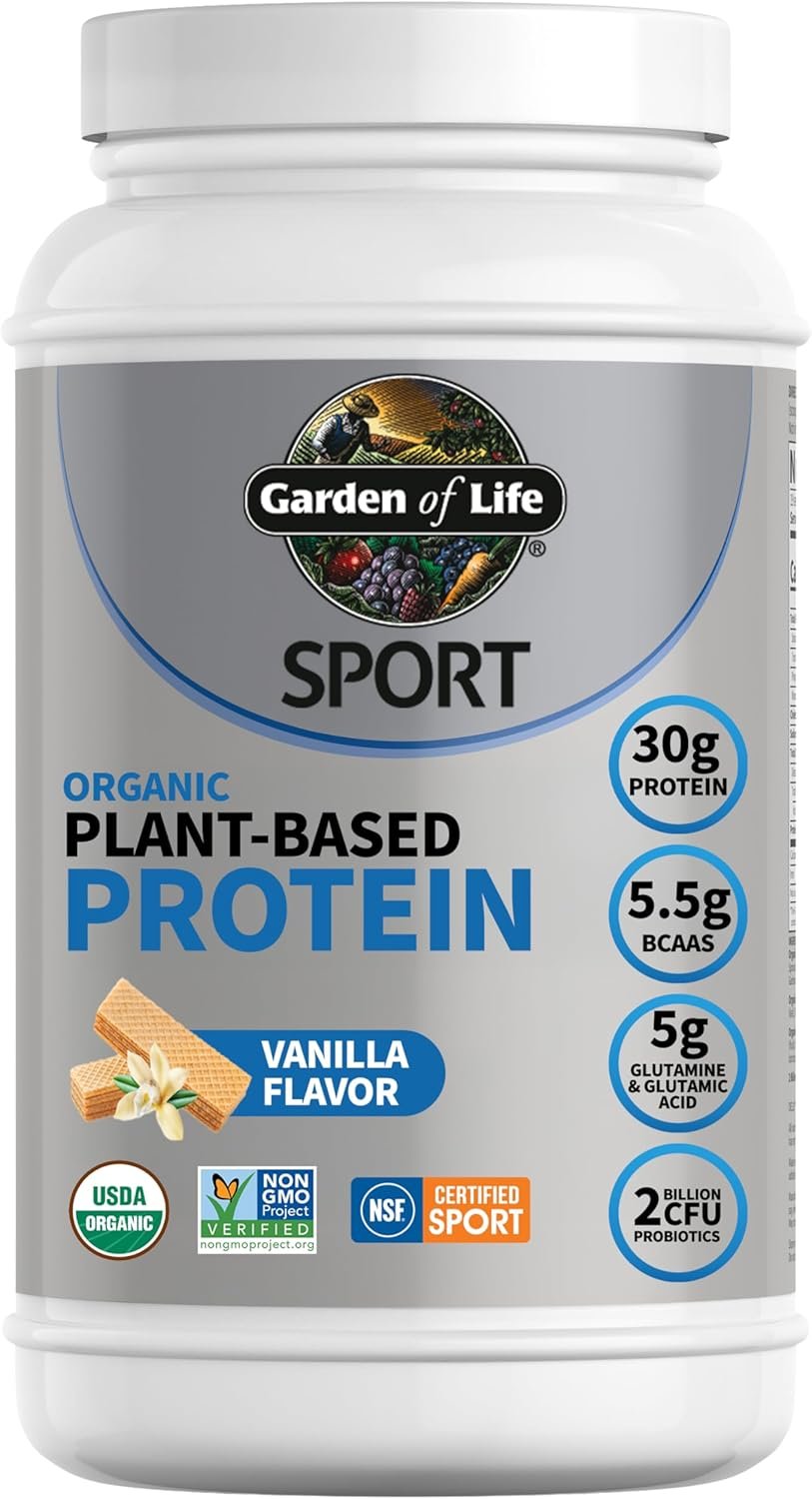
- Protein per serving: 30g — organic pea, garbanzo bean, navy bean, lentil, cranberry seed
- Calories: 160
- Sugar: less than 1g
- BCAAs: 5.5g naturally occurring
- Glutamine: 5g
- Probiotics: 2 billion CFU Bacillus subtilis DE111
- Sweetener: Stevia — no artificial sweeteners
- Certifications: NSF Certified for Sport, USDA Organic, Non-GMO Project Verified, Informed Choice, Certified Vegan, gluten-free
Garden of Life Sport Organic is the most certified plant protein on this list — NSF Certified for Sport, USDA Organic, Non-GMO Project Verified, Informed Choice, and Certified Vegan simultaneously. Most protein powders hold one or two certifications. This holds five, each verified independently. For women who prioritise clean sourcing, organic ingredients, and freedom from banned substances, no plant protein on the market matches this credential stack. The 30g protein from five complementary plant sources provides a genuinely complete amino acid profile without the need for leucine supplementation or food combining.
What Makes It Different
The Organic Muscle Recovery Blend — organic tart cherry, apple, turmeric, blueberry, and goji berry — provides antioxidant support specifically for post-exercise recovery. Tart cherry in particular is supported by research for reducing exercise-induced muscle soreness. The 2 billion CFU probiotic (Bacillus subtilis DE111) is a clinically studied strain specifically selected for immune support during training — relevant for women who find their immune function dips during periods of high exercise load. These additions make Garden of Life Sport genuinely more than a protein supplement — it functions as a post-exercise recovery tool with immune support built in.
At 160 calories for 30g protein, the protein-to-calorie ratio is strong. The US-grown organic peas form the base, providing a creamier texture than international pea protein sources. No synthetic BCAAs are added — all 5.5g come directly from the organic ingredients, which matters for women who prefer whole-food sourcing over synthetic amino acid additions. This is a strong choice for women following plant-based diets who need a high-protein option that supports both daily nutrition and active recovery. For understanding how plant protein fits into a complete daily diet, our guide to mixing protein powder covers the practical options.
Best for: Women following plant-based or vegan diets who want the highest certified organic protein per serving, with probiotic and recovery blend support included.
- Pro: Five independent certifications — NSF, USDA Organic, Non-GMO, Informed Choice, Certified Vegan
- Pro: 30g protein from five complementary plant sources — complete amino acid profile
- Pro: Built-in probiotic and organic recovery blend — more than just protein
- Pro: No synthetic BCAAs — all amino acids sourced from organic ingredients
- Con: 160 calories per serving — higher than lower-calorie options on this list
- Con: Stevia sweetened — some women find stevia has a bitter aftertaste at higher concentrations
4. Isopure Zero Carb — Best Lactose-Free Option
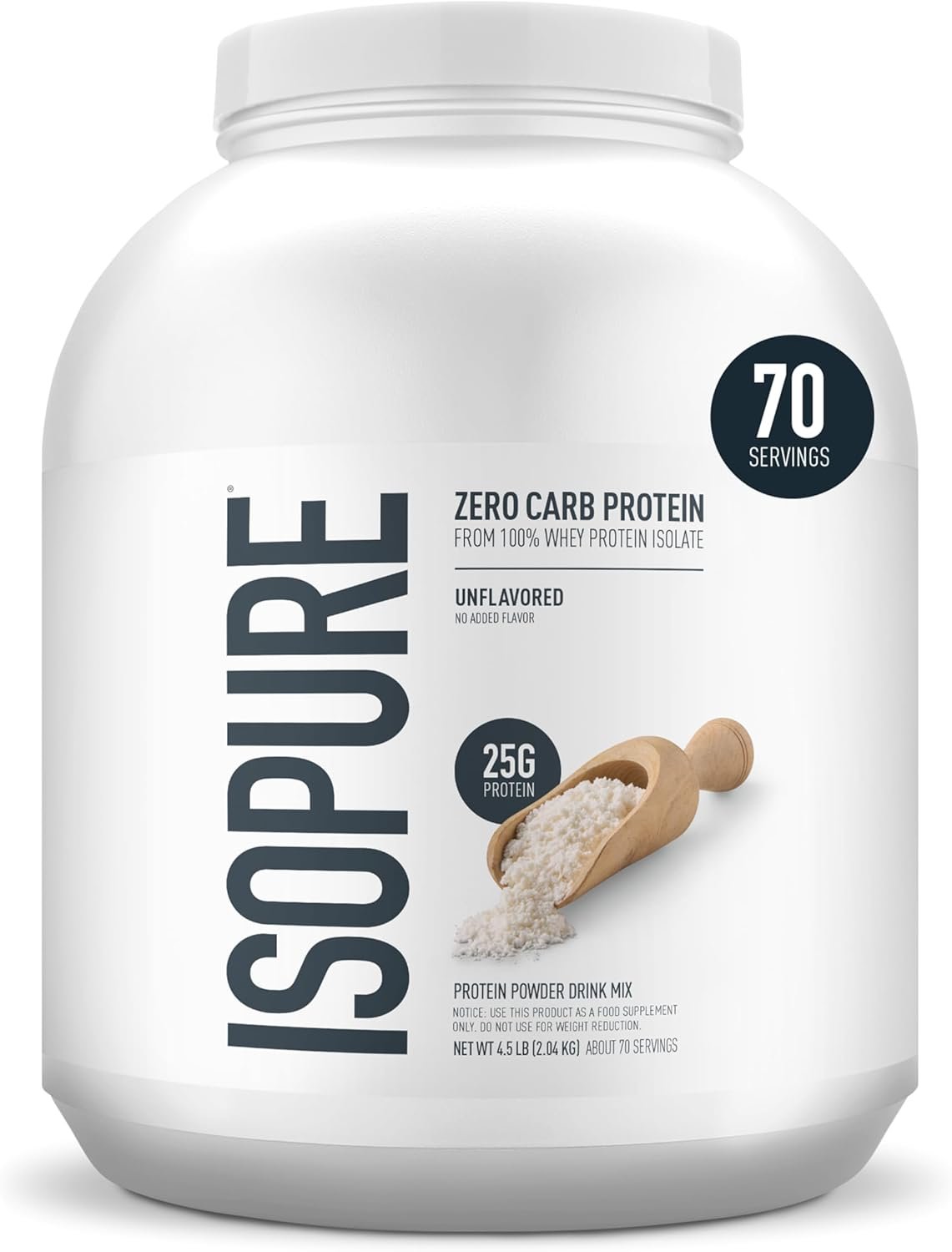
- Protein per serving: 25g — 100% whey protein isolate
- Calories: 100
- Carbs: 0g
- Sugar: 0g
- BCAAs: 5.5g naturally occurring
- Vitamins added: A, C, E, zinc, plus glutamine
- Sweetener: Sucralose — artificial sweetener ⚠️
- Lactose: Removed through ultra-filtration — lactose-free
The Isopure Zero Carb is the best choice for women who are lactose intolerant but still want to use whey protein. The ultra-filtration process removes lactose, fat, and excess carbohydrates, leaving 100% pure whey protein isolate — the most lactose-free form of whey available. At zero carbohydrates and 100 calories for 25g of protein, it provides the highest protein-to-calorie ratio of any whey option on this list. The added vitamins A, C, E, and zinc support immune function — meaningful for women who supplement protein as part of a general wellness routine rather than a sports performance programme.
What Makes It Different
The unflavored version of Isopure Zero Carb has only two ingredients — whey protein isolate and soy lecithin. This makes it the most recipe-versatile option on this list. It dissolves in coffee without altering flavour, mixes into soups and sauces without curdling, and blends into baked goods without the sweetness that flavored proteins add. For women who prefer to add protein to their existing meals rather than drink a dedicated shake, this flexibility is genuinely useful. The glutamine addition supports gut lining integrity — relevant for women with sensitive digestion who find other protein powders cause discomfort.
One important flag to state clearly: the flavored versions of Isopure Zero Carb use sucralose as a sweetener. Sucralose is an artificial sweetener — women who specifically avoid artificial sweeteners should choose the unflavored version or select Ritual, Momentous, or Tera’s Whey instead. The unflavored version contains no sweetener at all. For women who are comfortable with sucralose and prioritise zero carbohydrates, the flavored varieties offer a wide range of options including Strawberries and Cream, Cookies and Cream, and Creamy Vanilla.
Best for: Lactose-intolerant women who want 100% pure whey isolate at zero carbs, or women who want an unflavored protein that mixes into food and drinks without adding sweetness.
- Pro: Lactose removed through ultra-filtration — suitable for women with lactose intolerance
- Pro: Zero carbohydrates, 100 calories — best protein-to-calorie ratio of any whey on this list
- Pro: Added vitamins A, C, E, zinc — immune support beyond basic protein
- Pro: Unflavored version is virtually tasteless — mixes into food without altering flavour
- Con: Flavored versions use sucralose — women avoiding artificial sweeteners should choose unflavored
- Con: Contains soy lecithin — not suitable for women with soy allergy
5. Premier Protein Powder — Best Budget Daily Protein
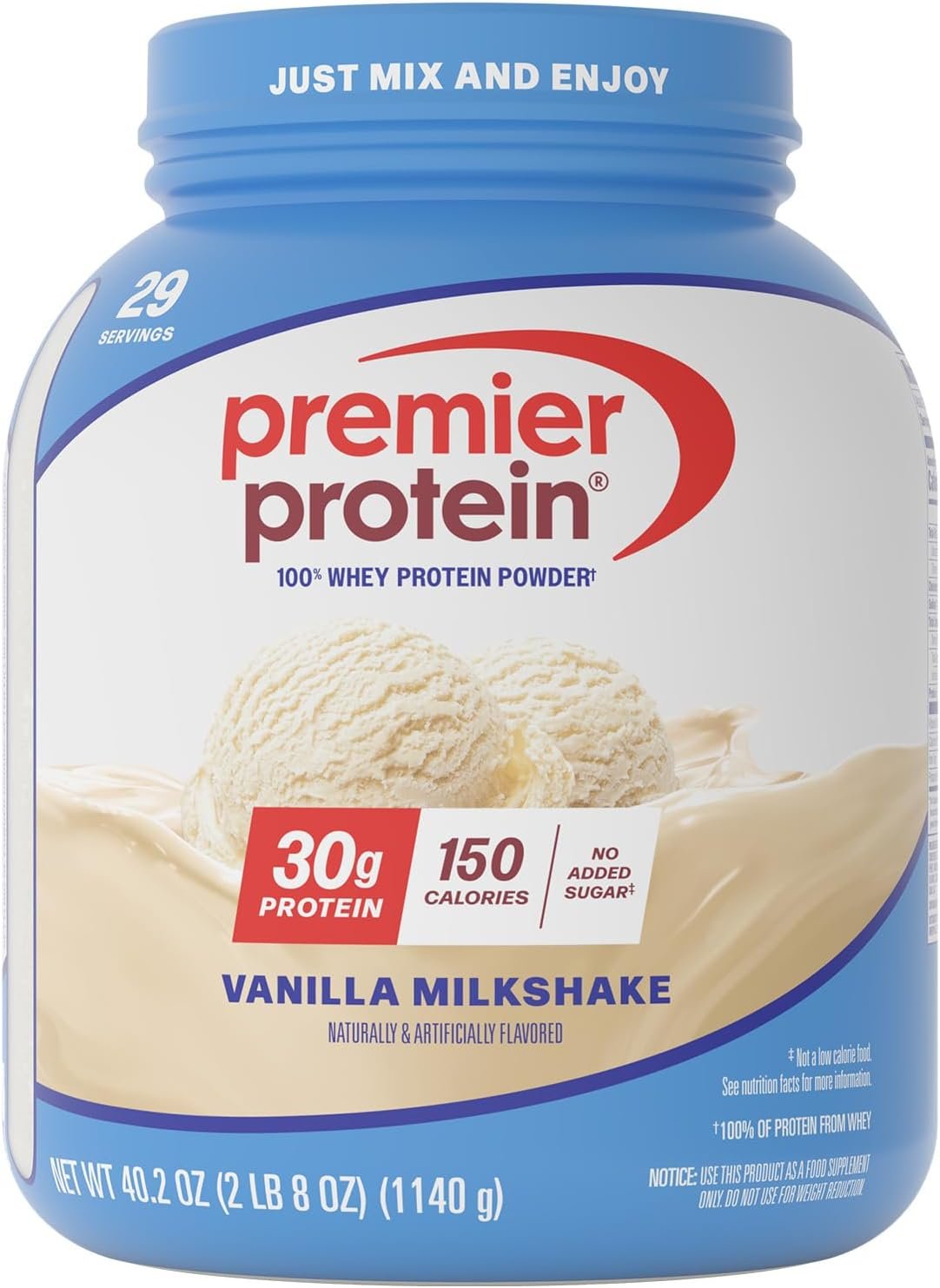
- Protein per serving: 30g — whey protein isolate + concentrate blend
- Calories: 150
- Sugar: 1g (0g added sugar)
- Carbs: 3g
- Calcium: 160mg (10% DV) — meaningful bone health support
- Sweetener: Acesulfame potassium + Sucralose — artificial sweeteners ⚠️
- Free from: Gluten, soy
The Premier Protein Powder delivers 30g of protein for 150 calories — the joint-highest protein per serving on this list alongside Garden of Life Sport, at a significantly lower price per serving than every other option here. For women on a budget who want to hit a high daily protein target without overspending, Premier Protein is the most practical choice. The 160mg of calcium per serving is a meaningful bonus — bone health is a specific concern for women, particularly post-menopause, and most protein powders contribute zero calcium.
What Makes It Different
At this price point, 30g protein with 150 calories and meaningful calcium content is exceptional value. The whey isolate and concentrate blend provides fast-absorbing protein for post-workout and slow-absorbing protein for between-meal satiety — a practical benefit for women who use protein powder as a meal supplement rather than a dedicated workout shake. The powder mixes easily in a shaker bottle with water or milk without clumping — an important practical consideration for daily consistency. Consistent daily use is what produces results, and a powder that tastes good and mixes easily is used more often than one that doesn’t.
Two honest limitations to state clearly. First, Premier Protein uses both acesulfame potassium and sucralose — two artificial sweeteners. Women who specifically avoid artificial sweeteners should choose Ritual, Momentous, or Tera’s Whey instead. Second, Premier Protein does not hold the premium third-party certifications (NSF Certified for Sport, Informed Sport) that Ritual and Momentous carry. For women who are not competitive athletes and simply want a clean, affordable daily protein, this distinction may not be relevant. For women in tested sports, it matters significantly.
Best for: Women who want the highest protein per serving at the lowest cost per serving — 30g protein, meaningful calcium content, and easy daily mixability.
- Pro: 30g protein per serving — joint-highest on this list
- Pro: 160mg calcium — the only protein powder on this list with meaningful bone health support
- Pro: Best cost per gram of protein on this list
- Pro: Mixes easily — no clumping with a shaker bottle and water
- Con: Two artificial sweeteners (acesulfame K + sucralose) — not suitable for women avoiding artificial sweeteners
- Con: No premium third-party sport certification — not appropriate for tested athletes
6. PEScience Select Protein — Best for Satiety
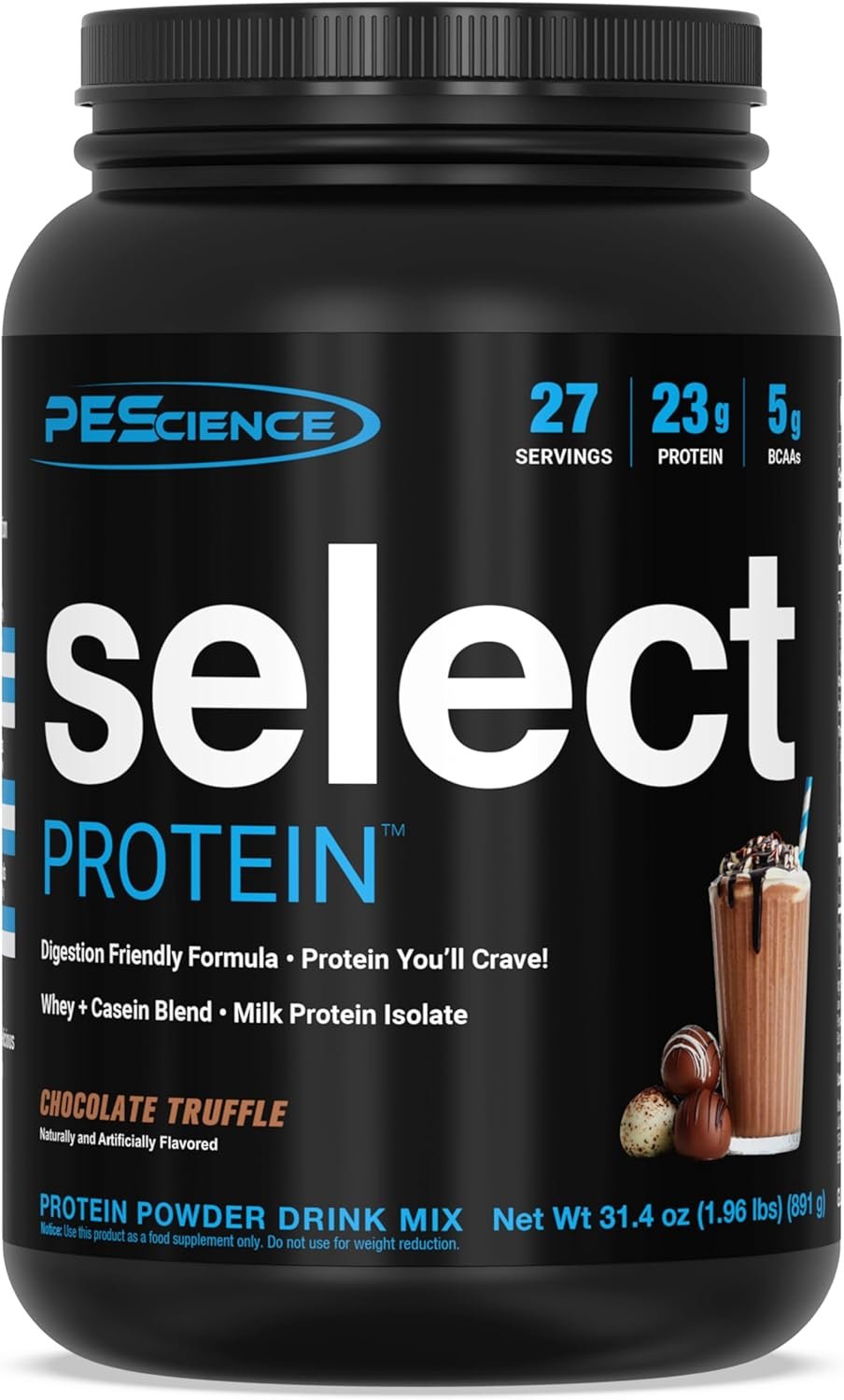
- Protein per serving: 24g — milk protein isolate (whey + casein blend)
- Calories: 150
- Sugar: 1g
- Carbs: 5g
- Protein source: Milk protein isolate — naturally contains both whey and casein
- Sweetener: Sucralose ⚠️
- Third-party tested: Yes
PEScience Select uses milk protein isolate as its primary protein source — a naturally occurring blend of fast-digesting whey and slow-digesting casein in the ratio found in milk. This dual-digestion profile means amino acids are delivered both quickly (whey component) and gradually over several hours (casein component). For women who use protein powder as a between-meal snack or meal supplement, this sustained amino acid release keeps hunger at bay for significantly longer than a pure whey protein would. If staying full until the next meal is a priority, the whey-casein combination is the physiologically optimal approach.
What Makes It Different
Milk protein isolate is a more expensive ingredient than standard whey concentrate — most budget powders use whey concentrate precisely because milk protein isolate costs more to produce. The choice to use it as the primary protein source reflects a formulation priority for quality and satiety over cost efficiency. PEScience is well known in the supplement industry for award-winning flavours — the Gourmet Vanilla and Snickerdoodle varieties in particular have strong reviews for taste. For women who have stopped using protein powder in the past because the taste became unpleasant after a few weeks, the flavour quality here is genuinely worth noting.
One honest note: PEScience Select uses sucralose as a sweetener. Women who specifically avoid artificial sweeteners should choose Ritual, Momentous, or Tera’s Whey from this list instead. For women who are comfortable with sucralose and want a protein that keeps them fuller for longer with award-worthy flavour, PEScience Select is the strongest choice. For a broader look at how protein supplementation fits into daily nutrition for weight management, our guide to using protein without working out covers the practical details.
Best for: Women who want a protein powder that keeps them full between meals — the whey and casein blend delivers sustained amino acid release that pure whey cannot match.
- Pro: Milk protein isolate — natural whey + casein blend for sustained satiety
- Pro: Award-winning flavours — consistently rated as one of the best-tasting protein powders available
- Pro: Low carb and gluten-free — fits most dietary frameworks
- Pro: Third-party tested — verified purity without the premium NSF price tag
- Con: Sucralose sweetened — not suitable for women avoiding artificial sweeteners
- Con: Contains dairy — not suitable for women with lactose intolerance or dairy allergy
7. Tera’s Whey Organic — Best Grass-Fed Whey
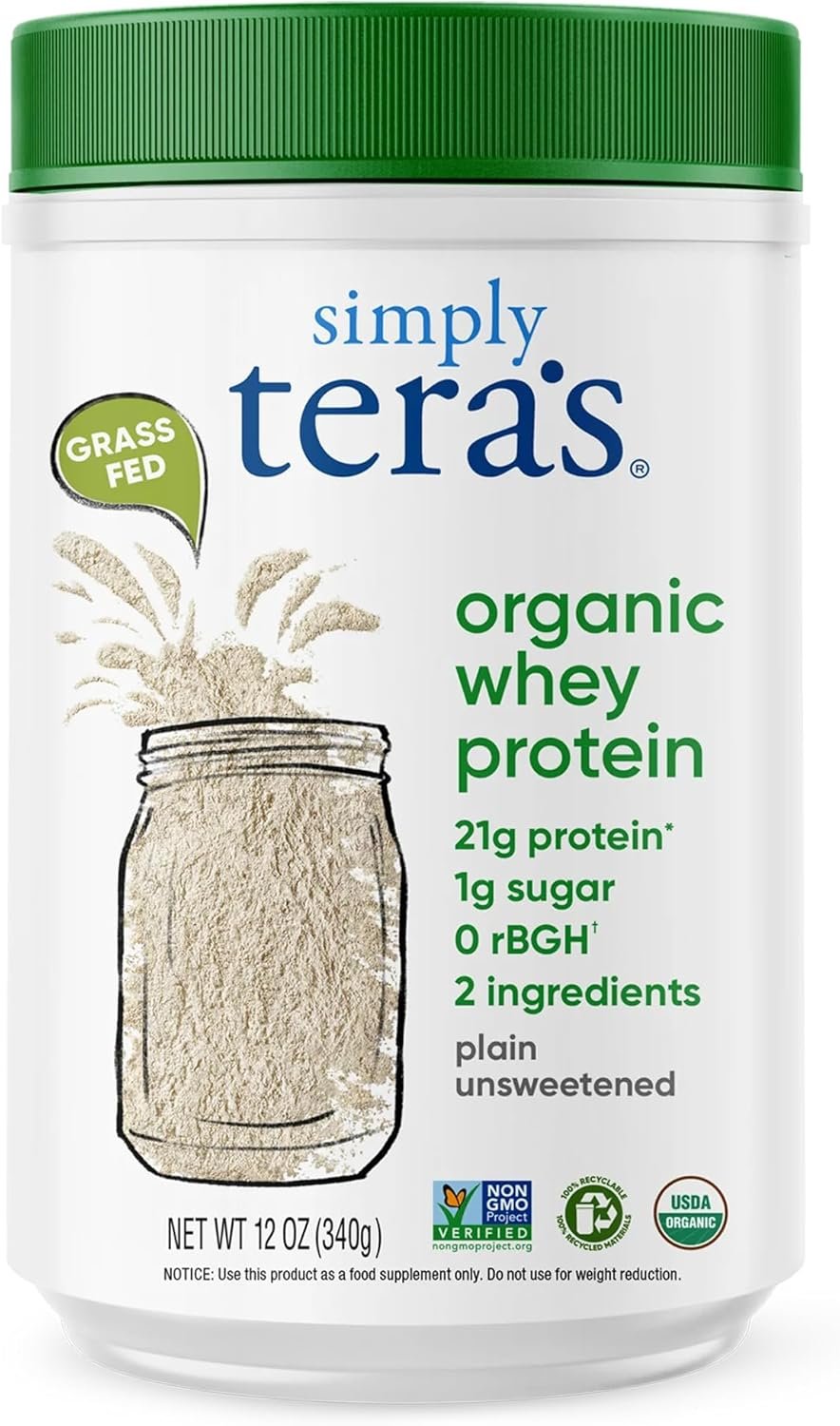
- Protein per serving: 20g — certified organic grass-fed whey concentrate
- Calories: 120
- Sugar: 3g naturally occurring
- Sweetener: Stevia — no artificial sweeteners
- Certifications: USDA Organic, gluten-free, non-GMO
- Dairy source: Small family dairy farms — rBGH-free, no antibiotics
Tera’s Whey is one of the few protein powders that sources exclusively from small family dairy farms — not large-scale commercial operations. The grass-fed cows are pasture-raised without rBGH growth hormones or routine antibiotics, and the whey is sourced from the same farms that supply artisan cheese producers. This farm-to-powder traceability produces a whey concentrate with higher concentrations of naturally occurring immunoglobulins, lactoferrin, and conjugated linoleic acid (CLA) than factory-farmed alternatives. For women who prioritise where their food comes from, this sourcing philosophy is genuinely different from every other option on this list.
What Makes It Different
Tera’s Whey uses USDA Certified Organic whey concentrate — not isolate. Concentrate retains slightly more fat and naturally occurring lactose than isolate, which means it has a richer, creamier taste and texture in a shake. For women who find isolate-based proteins taste flat or thin, the concentrate texture is noticeably more satisfying. The 3g of naturally occurring sugar comes from the lactose present in the whey — not from added sugars. Women with significant lactose sensitivity should note this; women with mild sensitivity typically tolerate whey concentrate well. The stevia sweetening and clean ingredient list make this the best organic whey option for women who want no artificial sweeteners and no synthetic additives.
According to the National Institutes of Health, adequate daily protein intake supports lean muscle preservation, healthy weight management, and immune function in women across all life stages. Tera’s Whey delivers this foundational nutrition with a sourcing transparency and organic certification that mass-market brands cannot match. The smaller serving size (20g protein, 120 calories) makes it easy to use as an additive to smoothies, coffee, or oatmeal without overwhelming the calorie budget for a meal.
Best for: Women who prioritise organic, grass-fed sourcing from small family farms — no artificial sweeteners, USDA Organic certified, with a richer creamier texture than isolate-based proteins.
- Pro: USDA Organic certified — sourced from small family grass-fed dairy farms
- Pro: No artificial sweeteners — stevia only
- Pro: Richer, creamier texture than isolate — naturally occurring fat from whey concentrate
- Pro: rBGH-free, antibiotic-free — transparent hormone and antibiotic policy
- Con: 3g naturally occurring sugar — whey concentrate retains lactose
- Con: No NSF or Informed Sport certification — not for tested athletes
How Much Protein Do Women Actually Need Daily?
The standard RDA of 0.8g protein per kilogram of bodyweight is a floor — the minimum to prevent deficiency — not the optimal amount for active women, older women, or women managing their weight. After working with over 1,000 weight management clients as an INFS-certified nutrition coach, I consistently find that women eating closer to 1.2–1.6g per kilogram of bodyweight manage their weight more effectively, maintain more lean muscle mass, and report fewer hunger-related setbacks than those eating at the RDA minimum.
For a 65kg (143 lb) woman who exercises regularly, 1.4g per kg means approximately 91g of protein daily. From three meals of whole food sources, she might get 60–70g — leaving a gap of 20–30g that a single daily protein shake fills efficiently. This is the practical case for protein supplementation: not replacing food, but filling the gap that whole food sources leave.
Women over 40 need to pay particular attention to this. Muscle loss (sarcopenia) accelerates after 40, and the amino acid signalling required to stimulate muscle protein synthesis — particularly the leucine threshold — becomes harder to reach from food alone as appetite often decreases. A protein powder that delivers 20–30g in one serving provides the leucine bolus needed to trigger muscle protein synthesis effectively. For more on this topic, our guide to protein for older adults covers the evidence in detail.
How to Choose a Protein Powder as a Woman: 5 Things That Actually Matter
1. Third-Party Certification — Non-Negotiable for Daily Use
The supplement industry is not regulated to the same standard as food. A protein powder label is not independently verified unless a third-party organisation has tested it. NSF Certified for Sport and Informed Sport are the gold standards — they test for label accuracy, banned substances, and contaminants. Clean Label Project specifically tests for heavy metals. USDA Organic verifies sourcing and processing standards. Without at least one of these, there is no independent confirmation that the label reflects the contents. Every product on this list holds at least one certification.
2. Sweetener Type — Know What You’re Consuming Daily
Three products on this list use artificial sweeteners — Isopure (sucralose), Premier Protein (acesulfame K + sucralose), and PEScience Select (sucralose). Four use natural sweeteners only — Ritual (monk fruit + Reb-M), Momentous (stevia or none), Garden of Life (stevia), and Tera’s Whey (stevia). Neither approach is wrong, but the choice matters when you’re consuming a product daily. Women who experience digestive sensitivity or who prefer to avoid synthetic ingredients should choose from the natural sweetener options. Women who prioritise cost and protein density may find the artificial sweetener products better value.
3. Protein Source — Match It to Your Dietary Needs
Whey isolate (Momentous, Isopure) is the fastest-absorbing and most thoroughly researched protein source. Whey concentrate (Tera’s Whey) is creamier and retains more natural cofactors but contains more lactose. Milk protein isolate (PEScience) provides both fast and slow protein for sustained satiety. Plant-based blends (Ritual, Garden of Life) are suitable for vegans and women with dairy intolerance. All seven options provide a complete amino acid profile — none requires food combining to complete the essential amino acids.
4. Women-Specific Nutrients — Look Beyond the Protein Number
A protein powder that also addresses common nutritional gaps delivers more value than one that delivers protein alone. Ritual adds choline and vitamin D3 — both commonly deficient in women. Garden of Life Sport adds probiotics for gut and immune health. Premier Protein adds calcium for bone health. Isopure adds vitamins A, C, E, and zinc. When comparing options, look at the full nutritional profile — not just the protein grams on the front of the label.
5. Heavy Metal Testing — A Specific Concern for Women
Plant-based protein powders in particular have been found to contain elevated levels of heavy metals (lead, cadmium, arsenic) due to soil absorption by pea and rice plants. This is a particular concern for pregnant women and women planning pregnancy, where heavy metal exposure carries specific risks. Choose a plant protein that specifically tests for heavy metals — Ritual (Clean Label Project certified, publishes results by lot) and Garden of Life Sport (NSF and Informed Choice certified) both provide this assurance. If you use a plant protein that does not publish heavy metal test results, consider switching.
Best Protein Powders for Women FAQs
What is the best protein powder for women?
The Ritual Essential Protein Daily Shake is the best overall protein powder for most women — it adds choline and vitamin D3 that address common nutritional gaps, uses no artificial sweeteners, and holds Informed Sport certification with Clean Label Project heavy metal testing. For women who prefer whey, Momentous Whey Isolate is the cleanest option with NSF Certified for Sport status. For plant-based women wanting maximum protein per serving, Garden of Life Sport delivers 30g with USDA Organic and NSF certification.
How much protein do women need per day?
The RDA of 0.8g per kilogram of bodyweight is the minimum to prevent deficiency — not the optimal amount. Active women, women over 40, and women managing their weight benefit from 1.2–1.6g per kilogram daily. For a 65kg woman exercising regularly, this means approximately 78–104g of protein per day. A single daily protein shake providing 20–30g fills the gap that whole food sources typically leave.
Is whey protein good for women?
Yes. Whey protein is one of the most researched and effective protein sources available. It provides a complete amino acid profile, absorbs quickly, and supports muscle preservation, weight management, and immune function. Women with lactose intolerance should choose whey isolate (Isopure Zero Carb, Momentous) rather than concentrate, as the ultra-filtration process removes lactose. Women with dairy allergy should choose plant-based options (Ritual, Garden of Life Sport).
Can protein powder help women lose weight?
Protein powder supports weight management by increasing satiety, preserving lean muscle mass during a calorie deficit, and reducing the likelihood of overeating at subsequent meals. It does not directly cause fat loss. Used as part of a balanced diet with a moderate calorie deficit and regular physical activity, protein supplementation consistently improves body composition outcomes compared to lower-protein approaches.
What protein powder is best for women over 40?
Women over 40 benefit most from higher-protein options that support muscle preservation as metabolism slows and sarcopenia risk increases. Garden of Life Sport (30g), Premier Protein (30g), and PEScience Select (24g with slow-release casein) are the strongest choices for sustained amino acid delivery. The addition of calcium in Premier Protein also supports bone density — a specific concern for perimenopausal and postmenopausal women.
Are artificial sweeteners in protein powder safe?
Current research supports the safety of approved artificial sweeteners including sucralose and acesulfame potassium at the doses found in protein powders. However, some women experience digestive sensitivity to artificial sweeteners, particularly with daily use. Women who prefer to avoid artificial sweeteners entirely should choose Ritual (monk fruit + Reb-M), Momentous (stevia or none), Garden of Life Sport (stevia), or Tera’s Whey (stevia) from this list.
Should women use plant-based or whey protein powder?
Both are equally effective at supporting muscle protein synthesis when protein intake is adequate. Whey is faster-absorbing and slightly more efficient per gram for post-exercise recovery. Plant-based blends like Garden of Life Sport provide the same complete amino acid profile with added benefits like probiotics and recovery antioxidants. The best choice is the one you will use consistently — taste, digestive comfort, and dietary alignment matter more than small physiological differences.
What should I look for in a protein powder label?
Look for: protein per serving (20g minimum), serving size in grams, protein source (whey isolate, concentrate, pea, milk protein isolate), sweetener type (stevia, monk fruit, sucralose, acesulfame K), third-party certifications (NSF, Informed Sport, USDA Organic, Clean Label Project), and any added nutrients (vitamins, minerals, enzymes, probiotics). Avoid proprietary blends that obscure individual ingredient amounts, and always check that the product has been independently tested for heavy metals if it is plant-based.
Disclosure: This article contains affiliate links. If you purchase through our links we may earn a commission at no extra cost to you. All products were selected based on performance, value, and availability — not commission rates.