By AnilKK | Certified Nutrition & Fitness Coach (INFS) | 24-Year Runner | Updated July 2026
As an INFS-certified nutrition coach who has spent 24 years testing protein supplements alongside 250+ pieces of fitness equipment, I get asked constantly whether pea protein powders are actually worth it, or just a whey substitute for people who can’t tolerate dairy. The short answer: a good pea protein isolate holds its own against whey for muscle building, and for anyone avoiding dairy, soy, or common allergens, it’s often the cleanest option on the shelf.
Quick Answer: The best pea protein powders for most people are Naked Pea Protein Isolate (highest protein density, NSF-certified) and NOW Sports Pea Protein (Informed-Sport certified, ideal for athletes). If budget is the priority, Carlyle Pea Protein Powder delivers 29g of protein per serving at a lower cost. Anyone baking or cooking rather than shaking should look at Anthony’s Premium Pea Protein, which is portioned in smaller recipe-friendly scoops.
This guide covers the seven best pea protein powders available right now, verified directly against each brand’s official nutrition data, plus what pea protein actually does for your body and how it stacks up against whey. If you’re comparing plant-based options more broadly, our vegan protein powder guide covers other plant sources beyond just pea.
Table of Contents
What Is Pea Protein Powder, and Is It Good for You?
Pea protein powder is made by extracting protein from yellow split peas, removing most of the starch and fiber in the process. What’s left is a concentrated, easily digestible protein source that’s naturally vegan, gluten-free, dairy-free, and free of the top allergens that rule out whey and soy for a lot of people.
Pea protein does contain all nine essential amino acids, which technically makes it a complete protein — though its methionine and leucine levels run lower than whey’s. In practice, that gap closes easily through a normal varied diet, and it doesn’t change pea protein’s effectiveness for muscle building in any meaningful way for most people.
Pea Protein vs. Whey Protein: What’s the Real Difference?
The biggest practical difference is leucine content — whey has more of it, and leucine is the amino acid most directly responsible for triggering muscle protein synthesis. But the gap is smaller than most people assume. A study published in the National Library of Medicine found that after 8 weeks of resistance training, pea protein and whey protein produced comparable results in muscle thickness and strength.
Practically, this means you may need a slightly larger serving of pea protein than whey to hit the same leucine threshold — but for anyone who can’t or won’t use dairy-based whey, that’s a minor tradeoff for a genuinely effective alternative. According to Mayo Clinic, most adults can meet their daily protein needs through a combination of food and supplementation, regardless of whether the protein source is animal or plant-based. If hemp is another plant protein you’re considering, our hemp protein powder guide breaks down how it compares.
Benefits of Pea Protein Powder
Beyond the protein itself, pea protein brings a few genuine advantages worth knowing about before you buy:
- Rich in iron — pea protein is a solid source of non-heme iron, useful for anyone supplementing a plant-based diet.
- Easy to digest — removing the fiber and starch during processing eliminates most of the digestive discomfort associated with whole legumes.
- Hypoallergenic — safe for the vast majority of people with dairy, soy, or gluten sensitivities (excluding those with an actual pea allergy).
- Supports satiety — like most high-protein foods, it helps with appetite control, which can support weight management goals. Pairing your shake with other high-protein foods throughout the day compounds this effect — see our high-protein cereal guide for easy breakfast options.
Quick Comparison — All 7 Pea Protein Powders
| Product | Protein Per Serving | Protein by Weight | Certification | Best For |
|---|---|---|---|---|
| Naked Pea Protein Isolate | 27g | 90% | NSF Certified, Informed-Choice | Best Overall |
| NOW Sports Pea Protein | 24g | 73% | Informed-Sport Certified | Best for Athletes |
| NorCal Organic Pea Protein Isolate | 22g | 85% | USDA Organic, Non-GMO Project Verified | Best Organic |
| Carlyle Pea Protein Powder | 29g | 73% | Non-GMO, Gluten & Soy-Free | Best Budget |
| Anthony’s Premium Pea Protein | 8g (10g scoop) | 80% | Gluten-Free Verified | Best for Baking & Recipes |
| Transparent Labs 100% Pea Protein | 28g | 93% | USDA Organic | Best Premium / Best Tasting |
| Truvani Pea Protein Powder | 20g | — | USDA Organic, Non-GMO Project Verified | Highest-Rated / Best-Selling |
The 7 Best Pea Protein Powders (2026)
1. Naked Pea Protein Isolate — Best Overall
NSF Certified | Informed-Choice Certified
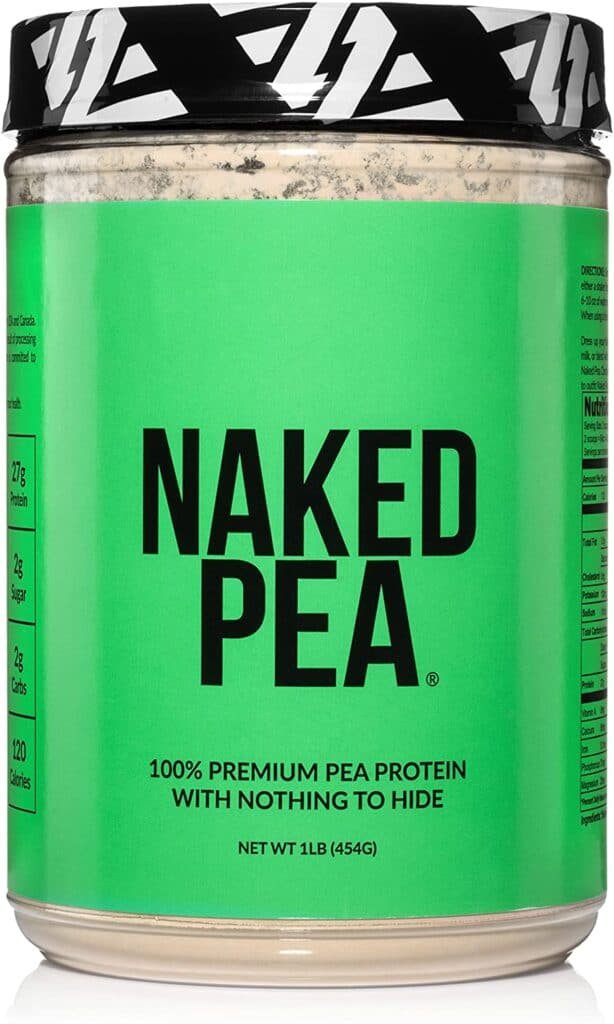
- Protein: 27g per serving
- Calories: 120
- Ingredients: Pea protein isolate (single ingredient)
- Certifications: NSF Certified, Informed-Choice Trusted by Sport
Naked Pea has the highest protein-by-weight ratio in this lineup at roughly 90%, meaning less filler and more actual protein in every scoop. That density, combined with independent NSF testing, is why it consistently comes out on top across nearly every competitor review I checked while researching this guide.
What Makes It Different
Naked Pea publishes its own independent heavy-metal testing results, which almost none of the other brands in this list do voluntarily. Combined with the Informed-Choice seal, it’s the most independently-verified option here — genuinely relevant if you’re a tested athlete.
It’s also one of the few products sourced entirely from US and Canadian farms with a fully transparent supply chain, which matters if traceability is important to you.
Best for: Anyone who wants the single highest-protein, most independently tested pea isolate without added flavoring or fillers.
Pros
- Highest protein-by-weight ratio in this comparison at roughly 90%.
- NSF Certified, meaning independent verification of purity and label accuracy.
- Publishes its own third-party heavy-metal testing results publicly.
- Informed-Choice certified, making it a safe option for tested athletes.
Cons
- Unflavored version has a noticeable pea taste that some people find off-putting.
- Priced higher per serving than budget options like Carlyle.
2. NOW Sports Pea Protein — Best for Athletes
Informed-Sport Certified — Every Batch Tested
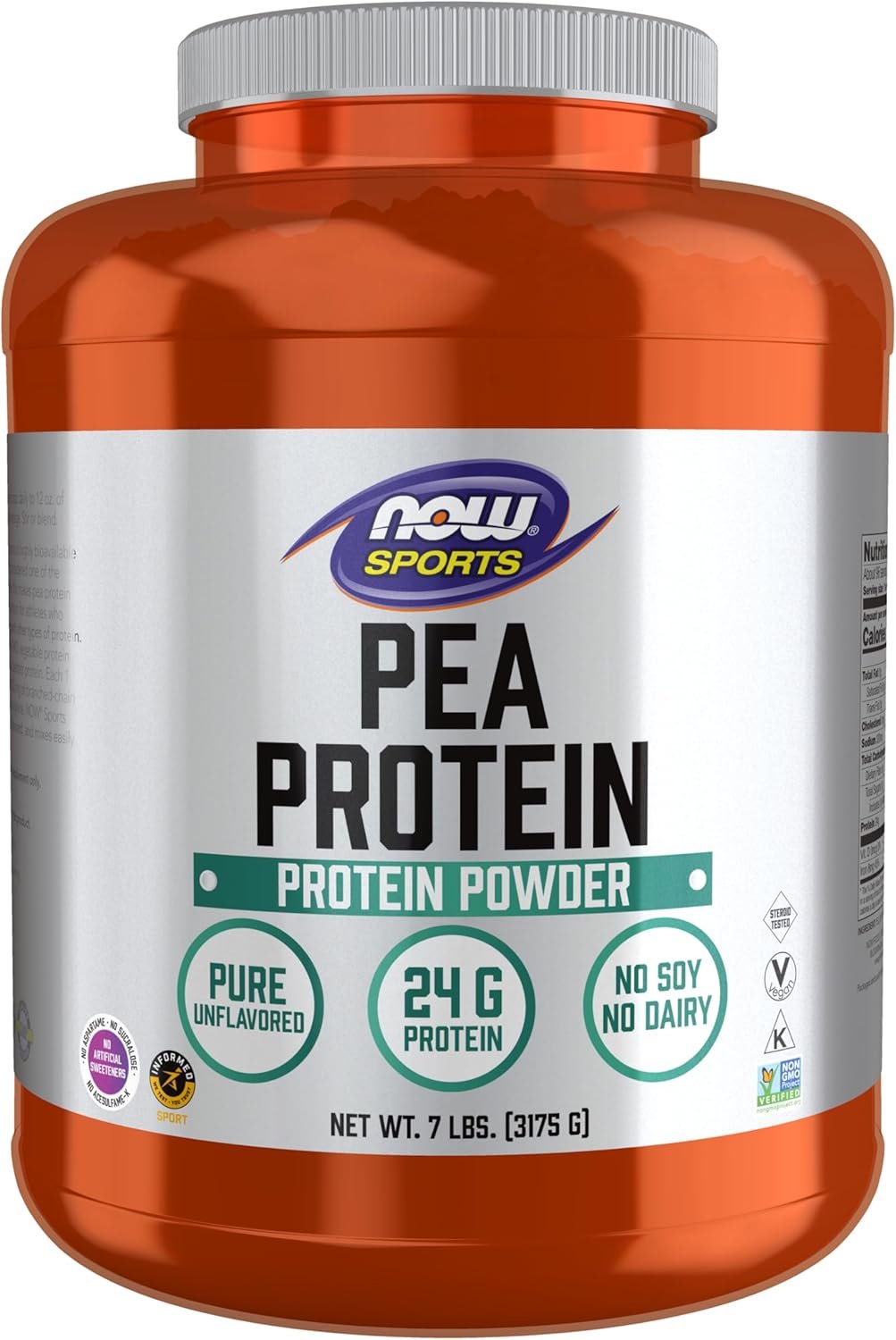
- Protein: 24g per serving
- Calories: 120
- Ingredients: Yellow pea protein isolate (single ingredient)
- Certifications: Informed-Sport Certified, Non-GMO
NOW Sports Pea Protein carries Informed-Sport certification, which tests every single batch for over 285 substances banned by WADA and major sporting bodies. That’s a meaningfully higher bar than Informed-Choice, which is why this is my pick specifically for competitive athletes rather than general fitness use.
What Makes It Different
Every batch — not just periodic samples — gets tested under Informed-Sport, which is the standard most drug-tested athletes are required to use. It also delivers over 4,200mg of BCAAs per serving, one of the higher amino acid concentrations in this comparison.
NOW Foods has been manufacturing supplements since 1968 and maintains NPA A-rated GMP certification, which covers everything from lab testing to manufacturing process.
Best for: Competitive or drug-tested athletes who need certainty that every batch is free of banned substances.
Pros
- Informed-Sport certified, testing every batch rather than periodic samples.
- Over 4,200mg of BCAAs per serving, among the highest in this lineup.
- Manufactured under NPA A-rated GMP certification by a company operating since 1968.
- Available in unflavored, chocolate, and vanilla toffee.
Cons
- Contains 320mg of sodium per serving, worth noting if you’re limiting intake.
- Some users report a stronger pea taste than Naked Pea’s unflavored version.
3. NorCal Organic Pea Protein Isolate — Best Organic
USDA Organic | Non-GMO Project Verified
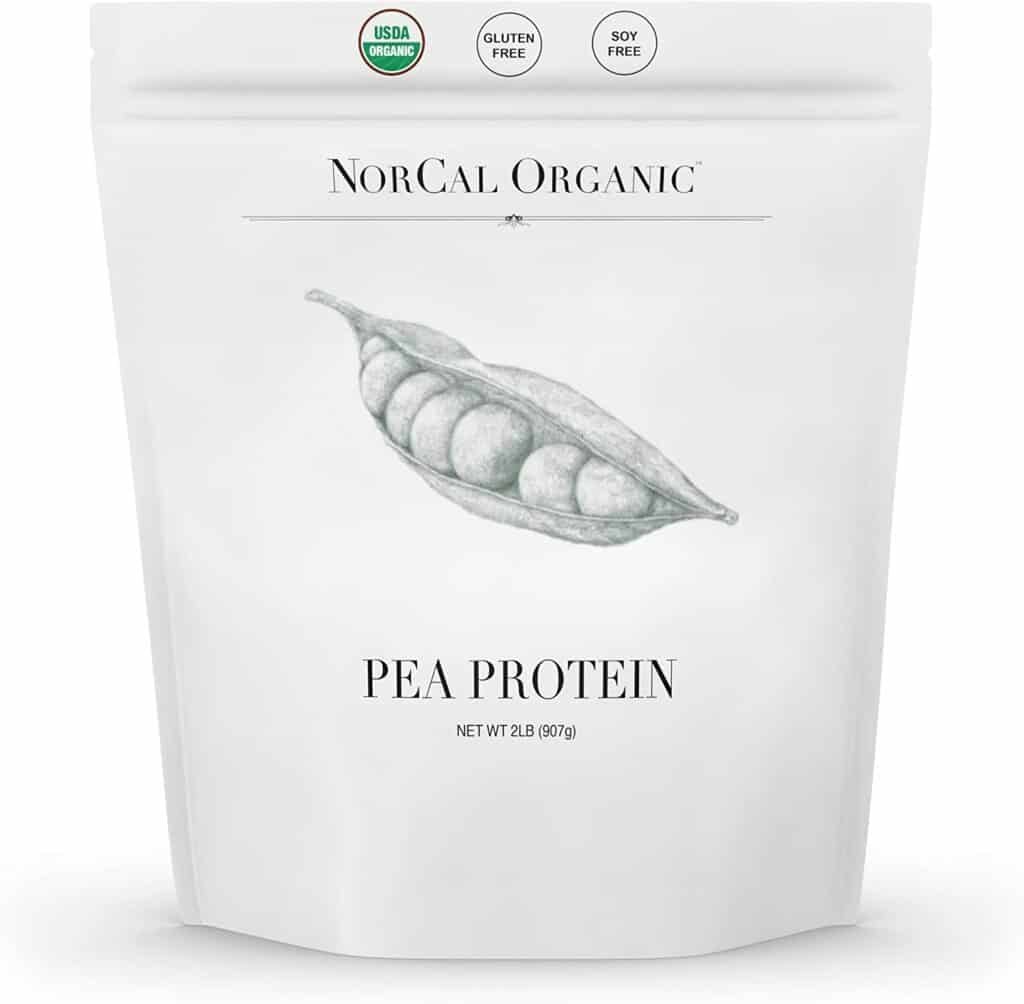
- Protein: 22g per serving
- BCAAs: 4.8g per serving
- Ingredients: Organic yellow pea protein isolate (single ingredient)
- Certifications: USDA Organic, Non-GMO Project Verified
NorCal Organic is the only product in this lineup that’s both USDA Organic and Non-GMO Project Verified — most competitors carry one certification or the other, rarely both. The peas are sourced from Canadian farms using rotational farming practices and processed without hexane or enzymes.
What Makes It Different
Every crop is third-party lab tested both before and after production for nutritional and microbiological standards, and heavy-metal testing results (arsenic, cadmium, lead, mercury) are all published well under USP limits. That level of documented transparency is unusual at this price point.
The processing method — no hexane, no enzymes — also means a cleaner extraction than some budget isolates use, which shows up in a smoother, less gritty texture according to most user reviews.
Best for: Anyone who specifically wants both USDA Organic and Non-GMO Project Verified certifications on their protein powder.
Pros
- Only product in this comparison with both USDA Organic and Non-GMO Project Verified status.
- Third-party lab tested both pre- and post-production.
- Published heavy-metal test results well under USP safety limits.
- Smooth, non-gritty texture from hexane-free and enzyme-free processing.
Cons
- Lowest protein-per-serving figure of the pure isolates in this list at 22g.
- Smaller 2lb container size means more frequent repurchasing for regular users.
4. Carlyle Pea Protein Powder — Best Budget
Non-GMO | Gluten & Soy-Free
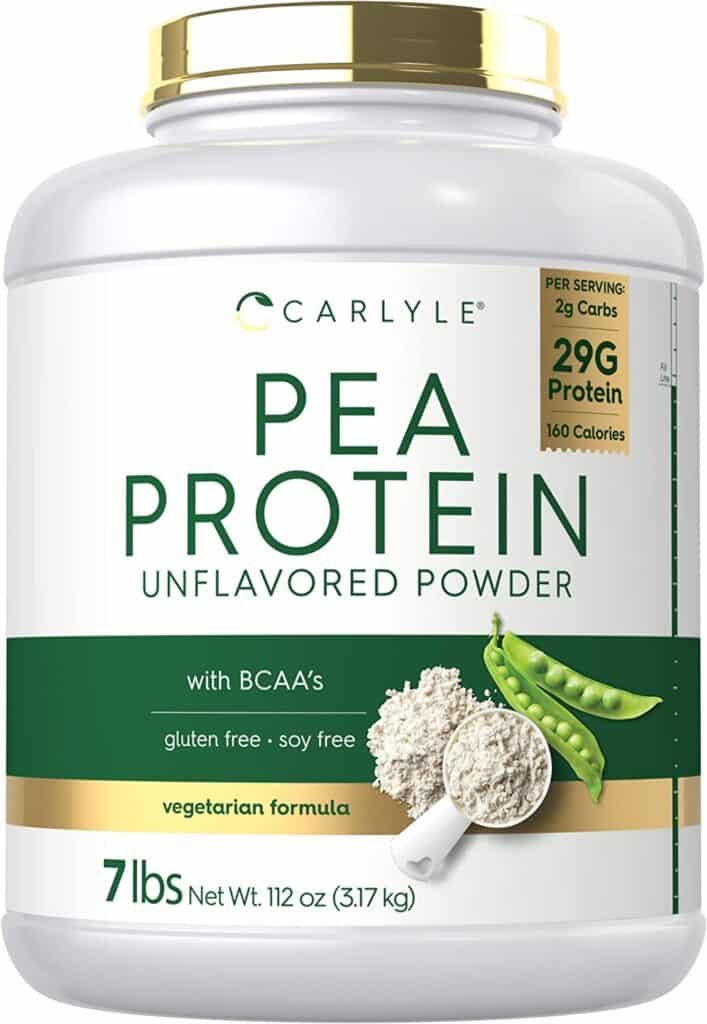
- Protein: 29g per serving
- Carbs: 2g per serving
- Ingredients: Pea protein isolate with BCAAs
- Certifications: Non-GMO, Gluten-Free, Soy-Free
Carlyle delivers the highest raw protein-per-serving number in this entire comparison at 29g, and it consistently comes in at a lower cost per container than the certified/tested options above. For anyone who just wants a straightforward, high-protein pea isolate without paying for extensive certification, this is the practical choice.
What Makes It Different
At 29g of protein per serving, Carlyle edges out every other pure isolate in this guide, including premium options like Transparent Labs. It’s a straightforward vegetarian formula built around value rather than added certifications.
Available in a 7lb bulk size, it also works out to a lower cost per serving over time for people who go through protein powder quickly.
Best for: Budget-conscious buyers who want the highest protein-per-serving number without paying extra for third-party certifications.
Pros
- Highest protein-per-serving figure in this comparison at 29g.
- Available in a large 7lb bulk size for lower long-term cost.
- Non-GMO, gluten-free, and soy-free.
- Includes added BCAAs beyond the base pea protein isolate.
Cons
- No Informed-Sport or Informed-Choice certification for tested athletes.
- No organic certification, unlike NorCal or Transparent Labs.
5. Anthony’s Premium Pea Protein — Best for Baking & Recipes
Gluten-Free | Single Ingredient
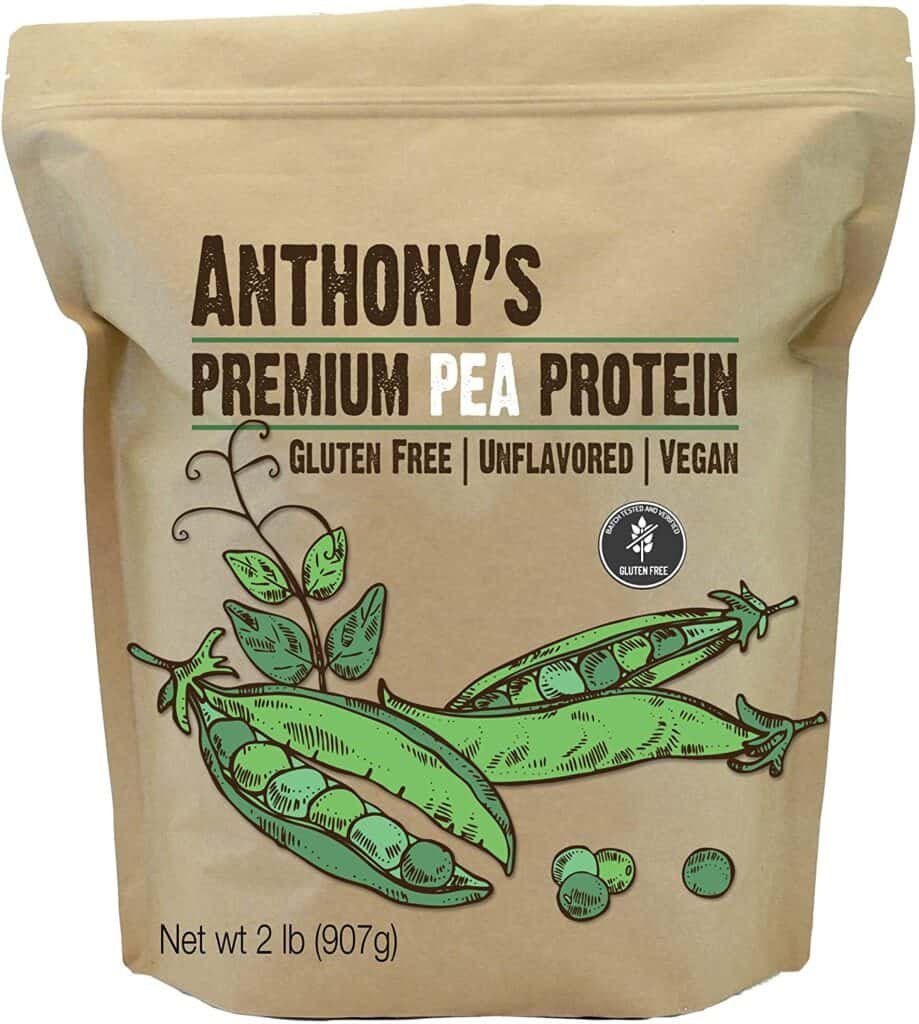
- Protein: 8g per 10g serving (1 tablespoon)
- Calories: 35-40 per serving
- Ingredients: Pea protein isolate (single ingredient)
- Certifications: Gluten-Free Verified
Anthony’s is portioned differently than every other product in this guide — a 10g tablespoon serving rather than a full 30g+ scoop — which makes it purpose-built for baking, pancakes, oatmeal, and other recipes where you want a protein boost without dominating the recipe’s texture or flavor.
What Makes It Different
The tablespoon-based serving size is the whole point here. Every other product in this comparison is designed around a shake-sized scoop; Anthony’s is designed around a baking-sized spoon, making it far easier to dose precisely into recipes without overwhelming other ingredients.
It’s still roughly 80% protein by weight — a strong isolate — it’s just packaged for a different use case than the others on this list.
Best for: Anyone adding protein to baked goods, oatmeal, or recipes rather than mixing full protein shakes.
Pros
- Tablespoon-sized servings make precise recipe dosing much easier.
- Single ingredient with no additives, fillers, or sweeteners.
- Gluten-free, lactose-free, unsweetened, and unflavored.
- Roughly 80% protein by weight despite the small serving size.
Cons
- Not designed as a standalone shake protein — you’d need 3-4 tablespoons to match a typical scoop’s protein content.
- No third-party sport certification for tested athletes.
6. Transparent Labs 100% Pea Protein — Best Premium / Best Tasting
USDA Organic | Naturally Flavored
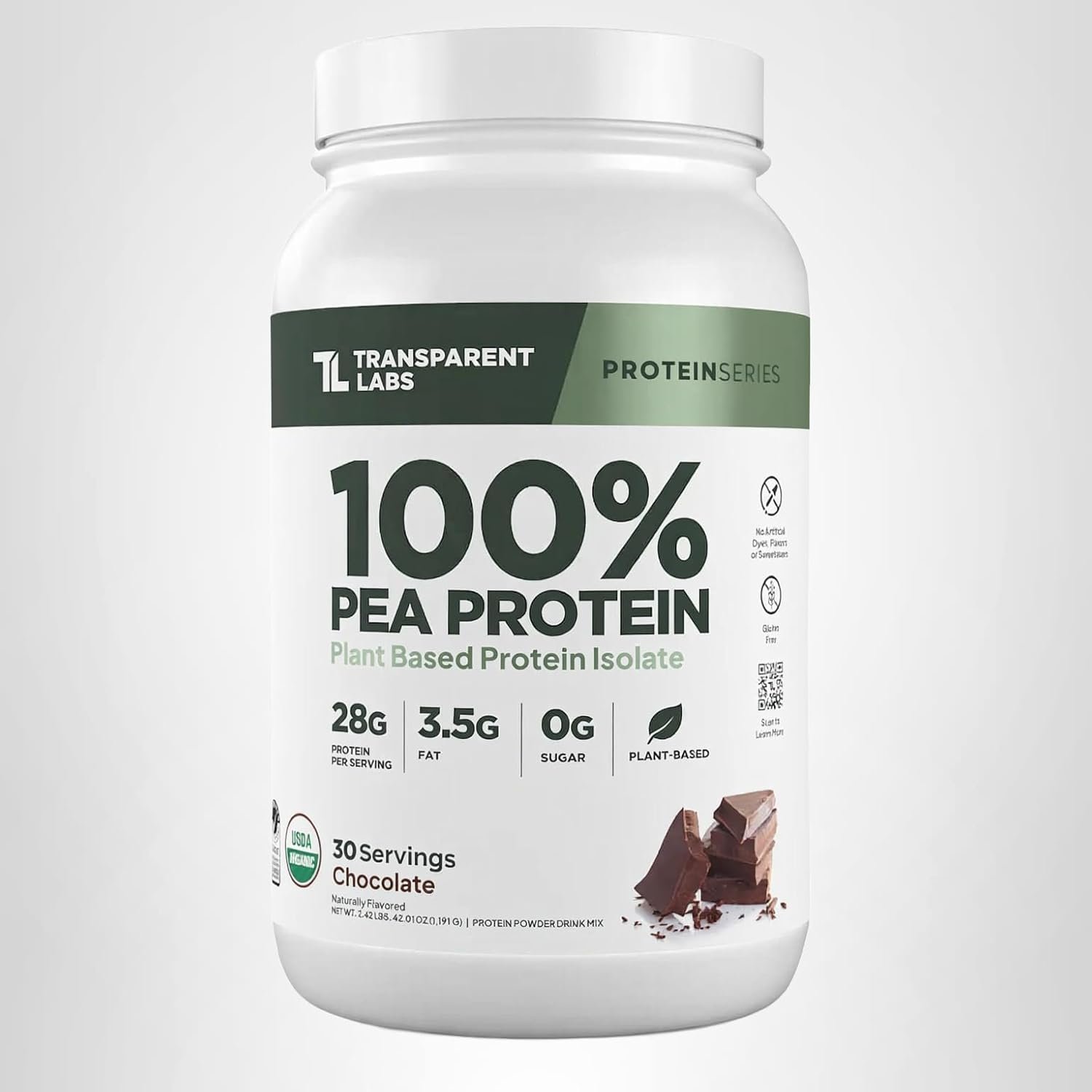
- Protein: 28g per serving
- Fat: 3.5g | Sugar: 0g
- Ingredients: Organic pea protein isolate, natural flavoring
- Certifications: USDA Organic
Transparent Labs built its reputation on publishing full third-party test results for every product, and its pea protein is no exception. At 28g of protein per serving with zero sugar, it’s one of the strongest specs-to-flavor combinations in this entire lineup — genuinely available in chocolate as well as unflavored.
What Makes It Different
Transparent Labs publishes full Certificates of Analysis for its products publicly on its site — you can view the exact purity test results before buying, not just a certification badge. That’s a rare level of transparency in this category.
It’s also USDA Organic certified while still being naturally flavored and sugar-free, which is a harder combination to find than it sounds — most flavored organic proteins rely on added sugars to mask the taste of plain pea protein.
Best for: Buyers who want a genuinely good-tasting organic pea protein and value full transparency on third-party test results.
Pros
- 28g of protein per serving, among the highest in this comparison.
- USDA Organic certified with no added sugar.
- Publishes full third-party Certificates of Analysis publicly.
- Available in multiple genuinely palatable flavors, not just unflavored.
Cons
- Smaller container size (30 servings) than bulk options like Carlyle or NOW Sports.
- Priced at a premium relative to budget picks in this list.
7. Truvani Pea Protein Powder — Highest-Rated / Best-Selling
USDA Organic | Non-GMO Project Verified
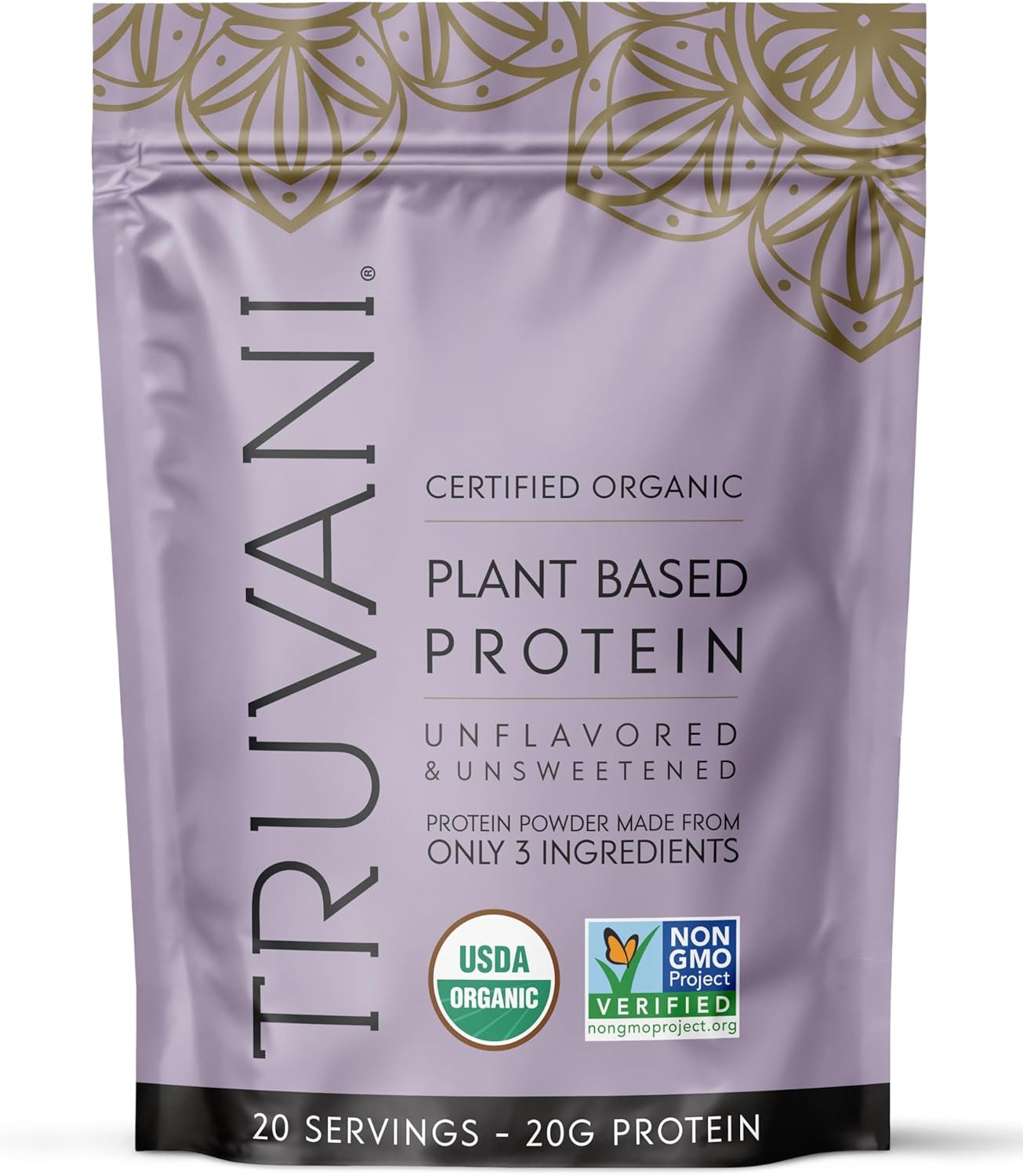
- Protein: 20g per serving
- Ingredients: Only 3 ingredients total
- Certifications: USDA Organic, Non-GMO Project Verified
- Rating: 4.5 stars, 2,000+ bought in the past month
Truvani is an Amazon’s Choice pick with one of the strongest review track records of any pea protein on the market — 4.5 stars across hundreds of ratings, with thousands of units sold monthly. It’s made from just three ingredients, and comes in both unflavored and flavored varieties like banana cinnamon and peanut butter.
What Makes It Different
Truvani’s biggest differentiator is genuinely strong, consistent customer satisfaction at scale — a 4.5-star average across hundreds of reviews is difficult to maintain for any supplement, let alone an unflavored plant protein. That level of consistent real-world satisfaction is a signal worth weighing alongside the spec sheet.
The 3-ingredient formula also keeps things simple without sacrificing organic and non-GMO certification, striking a middle ground between Anthony’s bare-bones approach and Transparent Labs’ more processed flavored formula.
Best for: Buyers who want the most proven, highest-rated option and don’t want to gamble on a less-reviewed brand.
Pros
- 4.5-star average rating with a large, consistent review base.
- USDA Organic and Non-GMO Project Verified.
- Simple 3-ingredient formula.
- Available in both unflavored and flavored varieties.
Cons
- Lowest protein-per-serving of the pure isolates in this list at 20g.
- No dedicated sport-testing certification for competitive athletes.
How to Choose a Pea Protein Powder
Protein-by-weight percentage. This tells you how much of each scoop is actually protein versus filler. Isolates in the 80-90%+ range, like Naked Pea and Transparent Labs, deliver more usable protein per gram of powder.
Third-party certification. If you’re a tested athlete, Informed-Sport (tests every batch) is a meaningfully higher standard than Informed-Choice (periodic testing). For everyone else, NSF or a published Certificate of Analysis is a strong trust signal.
Serving format. Most products here are built around a shake-sized scoop. Anthony’s is the exception, built around a tablespoon for recipe use — matching the format to how you’ll actually use it matters more than the raw protein number.
Organic and Non-GMO status. If sourcing matters to you, NorCal Organic and Truvani are the only two products here carrying both USDA Organic and Non-GMO Project Verified certification simultaneously.
Flavor availability. If you can’t tolerate the natural pea flavor unflavored, Transparent Labs and Truvani both offer genuinely palatable flavored versions rather than relying on heavy added sugar to mask the taste. If cholesterol management is part of your health goals alongside protein intake, our low-cholesterol protein powder guide covers additional options worth comparing.
Who Pea Protein Powder Isn’t Right For
Anyone with a diagnosed pea or legume allergy should avoid pea protein entirely — it’s hypoallergenic relative to whey and soy, not universally allergen-free. If you have gout or are managing purine intake, be aware that pea protein contains purines that can contribute to uric acid buildup; talk to your doctor before adding it to your routine if this applies to you.
If your primary goal is maximizing leucine for muscle protein synthesis and you have no dietary restriction against dairy, whey protein still edges out pea protein on a gram-for-gram basis — though the practical difference is smaller than marketing from either side suggests. Once you’ve picked a product, how you mix it matters too — see our guide on mixing protein powder with water or milk for the tradeoffs.
Frequently Asked Questions
Is pea protein powder good for you?
Yes — pea protein is a high-quality, easily digestible protein source rich in iron and all nine essential amino acids. It supports muscle building, weight management, and is a genuinely effective option for anyone avoiding dairy or soy.
Is pea protein or whey protein better?
Whey has a slightly higher leucine content, which gives it a small edge for muscle protein synthesis. But research shows pea protein produces comparable strength and muscle-thickness results over an 8-week training period, making it a genuinely effective alternative for anyone who can’t or won’t use dairy-based whey.
What is pea protein made from?
Pea protein powder is made by extracting protein from yellow split peas, then removing most of the starch and fiber to concentrate the protein content. The result is a fine powder that’s typically 70-90% protein by weight, depending on the brand and processing method.
Does pea protein cause bloating or digestive issues?
Some people experience mild gas or bloating with pea protein, especially at higher doses. This is less common than with whole legumes since most of the fiber is removed during processing, but starting with a smaller serving and increasing gradually can help your body adjust.
Is pea protein a complete protein?
Technically yes — pea protein contains all nine essential amino acids. However, its methionine and cysteine levels fall slightly below the threshold some nutritionists use to define a “complete” protein, which is why some sources call it incomplete. In practice, a normal varied diet easily fills that small gap.
Can pea protein cause weight gain?
No, pea protein itself doesn’t cause weight gain — it’s a low-calorie way to increase protein intake, and higher protein intake generally supports satiety and weight management. Weight gain would only occur if total daily calorie intake, including your protein powder, exceeds what your body needs.
How much pea protein powder should I take per day?
Most brands recommend one serving (typically 20-30g of protein) once or twice daily, depending on your total protein needs and diet. Your ideal amount depends on your body weight, activity level, and how much protein you’re already getting from food.
Can I mix pea protein with other plant proteins?
Yes — combining pea protein with rice protein is a common strategy since rice protein is naturally higher in methionine, which pea protein lacks. Together, they create a more balanced amino acid profile than either used alone.
myactivetribe.com is supported by its readers. When you purchase through links on our site, we may earn an affiliate commission at no additional cost to you. This does not influence our recommendations.